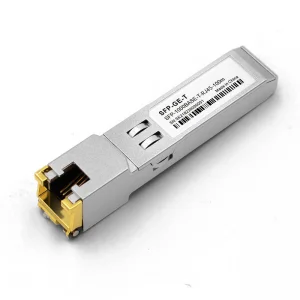
The global telecommunications and enterprise networking landscape is experiencing unprecedented growth. Despite the rapid commercialization of 100G, 400G, and even 800G transmission architectures, 40G QSFP+ (Quad Small Form-factor Pluggable Plus) transceivers remain a foundational and highly sought-after hardware category. Designed to support high-density installations, 40GbE modules serve as the critical bridge linking legacy 10G networks with modern high-performance infrastructures. For global supply chain directors, network architects, and wholesale buyers, partnering directly with specialized 40G QSFP+ factories is essential to maintaining cost efficiency and operational stability.
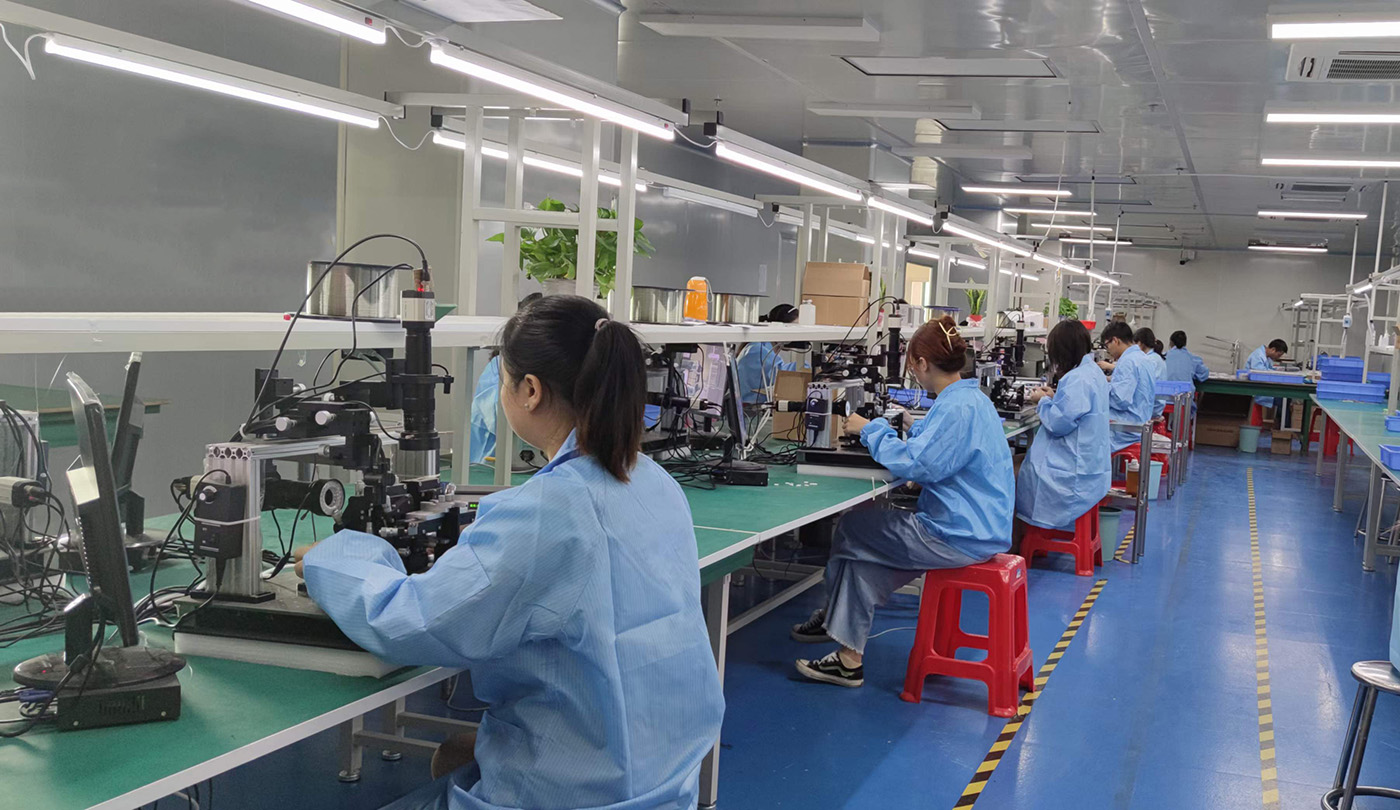
From a global supply chain perspective, 40G QSFP+ manufacturing is concentrated in advanced optoelectronic hubs, with China leading the production volume. Factories leverage sophisticated automated assembly lines to mount high-precision laser diodes, including Vertical-Cavity Surface-Emitting Lasers (VCSELs) for short-range transmission (SR4) and Distributed Feedback (DFB) lasers for long-haul transmission (LR4/ER4). The balance of competitive wholesale pricing and top-tier product reliability relies heavily on the quality control systems established by specialized manufacturers. Sourcing directly from these factories eliminates intermediate markups, ensuring that buyers receive optimal Unit Price per Gigabit.
Direct factory relationships are not just about lower costs. They provide wholesale buyers with custom EEPROM coding capacities to ensure compatibility across a multi-vendor environment (Cisco, Arista, Juniper, Huawei, etc.), along with access to verified testing reports detailing Tx/Rx power parameters, jitter margins, and compliance certifications.
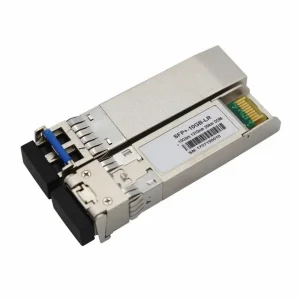
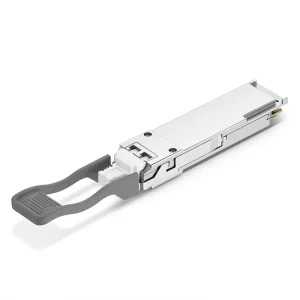
The structural framework of a 40G QSFP+ transceiver leverages four parallel independent transmit and receive optical channels, each capable of operating at 10.3125 Gbps. This aggregate throughput of 41.25 Gbps complies fully with the IEEE 802.3ba standard and the SFF-8436 Multi-Source Agreement (MSA). Understanding the optical configurations, interface types, and distance capabilities is critical for engineers developing modern network physical layers.
| Transceiver Type | Wavelength (nm) | Connector Interface | Fiber Type | Max Reach / Distance | Optical Components (TX/RX) |
|---|---|---|---|---|---|
| 40GBASE-SR4 | 850nm (Parallel) | MPO / MTP-12 | MMF (OM3 / OM4) | 100m (OM3) / 150m (OM4) | 850nm VCSEL Array / PIN Photodiode |
| 40GBASE-LR4 | 1271, 1291, 1311, 1331nm (CWDM) | Duplex LC | SMF (G.652) | 10 km | DFB Laser Array / PIN Photodiode |
| 40GBASE-ER4 | 1271, 1291, 1311, 1331nm (CWDM) | Duplex LC | SMF (G.652) | 30 km / 40 km | EML Laser Array / APD Photodiode |
| 40GBASE-BiDi | 850nm & 900nm (Bi-Directional) | Duplex LC | MMF (OM3 / OM4) | 100m (OM3) / 150m (OM4) | Direct Modulation / PIN Photodiode |
As optical technology advances, modern QSFP+ transceivers incorporate Digital Optical Monitoring (DOM) or Digital Diagnostics Monitoring (DDM). This allows network administrators to track vital parameters in real-time, including transmitter optical power, receiver sensitivity, operating temperature, and supply voltage. High-quality manufacturing facilities use automated optical verification equipment to calibrate these diagnostics, guaranteeing that the transceivers operate within strict performance windows to prevent unexpected network downtime.
Advanced factories write custom microcode to match the host EEPROM definitions of major switch providers, mitigating multi-vendor integration issues.
By optimizing optical sub-assembly (OSA) designs, modern 40G transceivers keep total power draw under 1.5 Watts per port, reducing thermal stress on switches.
Every transceiver is subject to strict testing protocols, including eye-diagram checking, bit error rate (BER) analysis, and live compatibility mapping.
The demand for 40G QSFP+ modules varies significantly by region, driven by varying infrastructure development patterns. In North American and Western European markets, 40G modules are heavily utilized for backhaul routing and distribution layers within corporate office networks, government databases, and academic data grids. In these mature environments, the focus is on optimizing power consumption and reducing latency.
Conversely, in fast-growing industrial sectors across Eastern Europe, Asia-Pacific, and South America, 40G transceivers are critical to supporting cellular network expansion, municipal smart grids, and regional aggregation systems. Industrial automation sectors in Germany, Japan, and the United States rely on rugged 40G hardware configurations, including industrial-grade transceivers that operate across wide temperature ranges (-40°C to +85°C) to withstand the environmental challenges of outdoor setups.
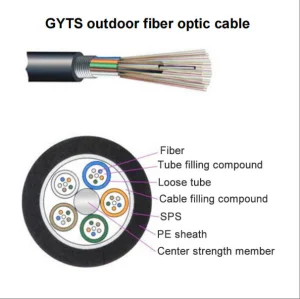
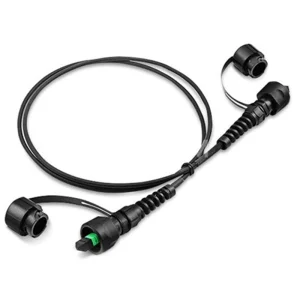
Deploying high-speed networks in external environments requires specialized physical protection. Standard indoor transceivers are vulnerable to humidity, dust, and temperature fluctuations. In these environments, engineers deploy specialized solutions such as ODVA MPO IP67 Outdoor Cables alongside hardened 40G transceivers.
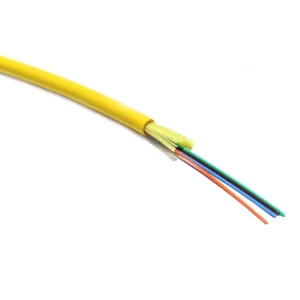
By utilizing outdoor-rated patch cords, fiber nodes can maintain reliable optical alignments without moisture ingress, protecting the sensitive laser interfaces within the QSFP+ package. Whether installing outdoor telecommunication towers, monitoring large-scale mining operations, or routing fiber cables along municipal pipelines, matching the right optical assembly to the environment is critical to minimizing maintenance costs and link failures.

As data throughput requirements grow, enterprise network managers face the challenge of upgrading switch connectivity without replacing their existing fiber cabling plant. High-density server environments benefit from a hybrid deployment strategy that pairs active transceivers, passive breakout cables, and custom fanout solutions.
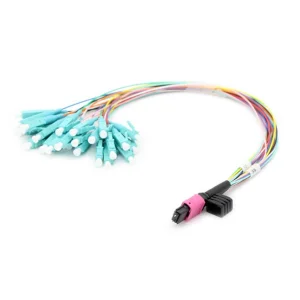
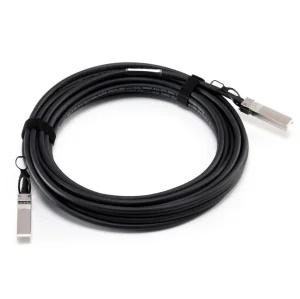
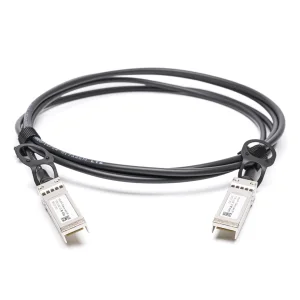
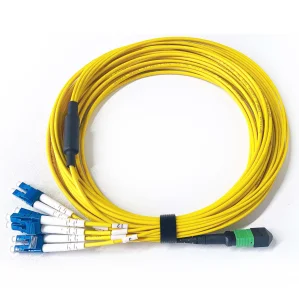
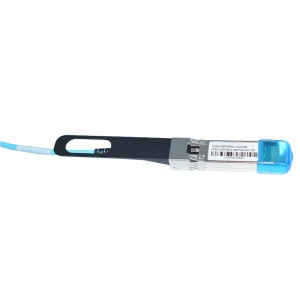
Splitting a single 40G QSFP+ port into four 10G SFP+ links via MPO-to-LC fanout cables or 40G active breakout cables allows switches to scale port density dynamically.
For campus networks spanning distances up to 10 kilometers, deploying 40G BASE-LR4 transceivers over single-mode fiber links is a highly cost-effective option.
Telecommunications operators use high-density MPO multi-fiber trunk lines and high-speed couplers to consolidate traffic at metro distribution points.
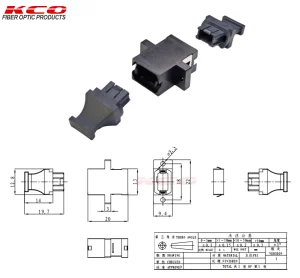
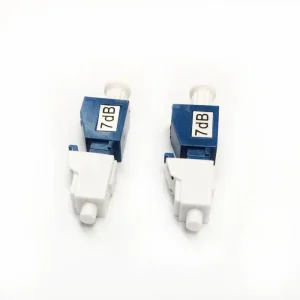
By implementing direct MPO adapter panels and low-loss coupler modules (such as those offering Elite Loss of 0.15dB), network operators can construct clean cable plants that maintain low link losses. This high-efficiency physical layer reduces bit errors and ensures that both short-range and long-range transceivers operate within their optimal optical budget limits.

Kocent Optec Limited, established in 2012 in Hong Kong as a high-tech communication enterprise, is one of China's leading fiber optic termination product manufacturers and solution providers. We are dedicated to developing and manufacturing fiber optic communication products ranging from passive to active categories for telecommunication networks, enterprise networks, and data centers.
By leveraging our extensive experience and production capacity gained over the years, we magnify the outcome for our valued customers, which ultimately expands their core competencies and helps them outperform competitors. We place emphasis on customer collaboration, and we define ourselves as your valuable partner in fiber optic connection solutions. We believe our differentiators are your perceived advantages.
With more than 13 years of experience in manufacturing telecommunication fiber optic products, we strictly follow fiber optic industry standards by using mature scientific methods to deliver your products on time and ensure that 100% of products are tested and inspected before shipment.
Years of sales and service experience have enabled us to win customers from different regions. Today, we have customers from East Asia, Southeast Asia, Middle East, Eastern Europe, Western Europe, Northern Europe, South America, North America, North Africa, and South Africa.
Win-win cooperation is our constant goal. Many of our OEM and ODM products won Telecom Operator tenders and satisfy demanding end-user requests.
Finding a reliable 40G QSFP+ supplier requires evaluating technical competence, product validation methods, and customization capabilities. Below are key questions that procurement teams and network engineers should ask during the vetting process:
 KOCENT OPTEC