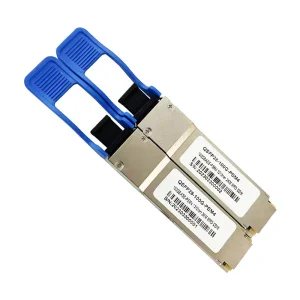
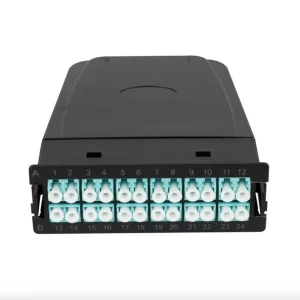
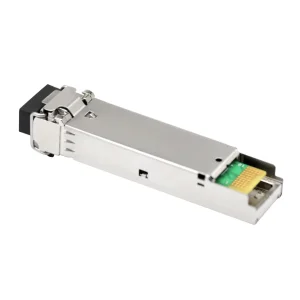
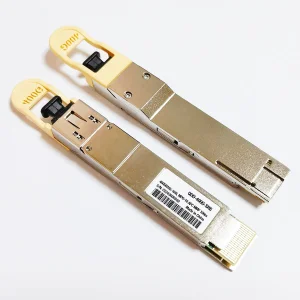
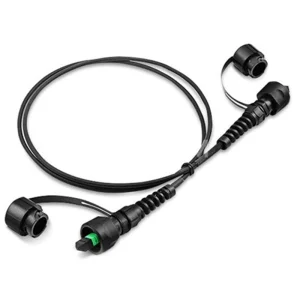
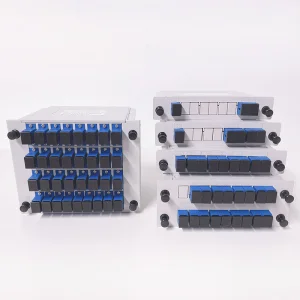
Explore our elite range of transceivers, multiplexers, and fiber management cassettes optimized for high-density datacenters.
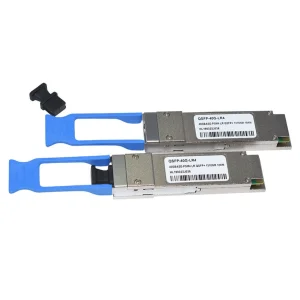
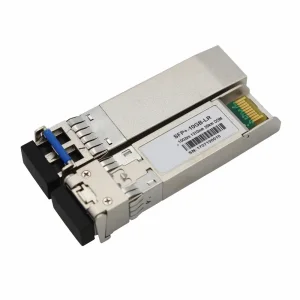
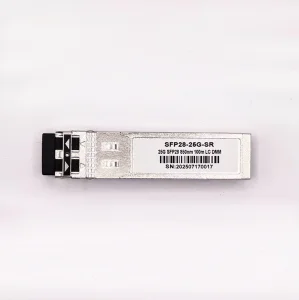
In the modern hyper-connected era, the demand for bandwidth is experiencing an exponential trajectory. While hyper-scale data centers are shifting toward 400G and 800G optical interfaces, the 10G network interface (both SFP+ and 10G QSFP breakout architectures) remains the baseline anchor for global enterprise networks, metro access loops, and telecom backhauls. High-quality 10G optical modules are not merely Legacy products; they are high-reliability, low-power-consuming, and cost-efficient building blocks required to bridge local networks with modern optical fiber backbones.
Deploying high-quality transceivers mitigates the risk of link fluctuation, packet loss, and latency jitter. At Kocent Optec Limited, we analyze transmission requirements at the physical layer, ensuring our transceivers align with the industry Multi-Source Agreements (MSAs) and offer drop-in compatibility with legacy and next-generation switches alike.

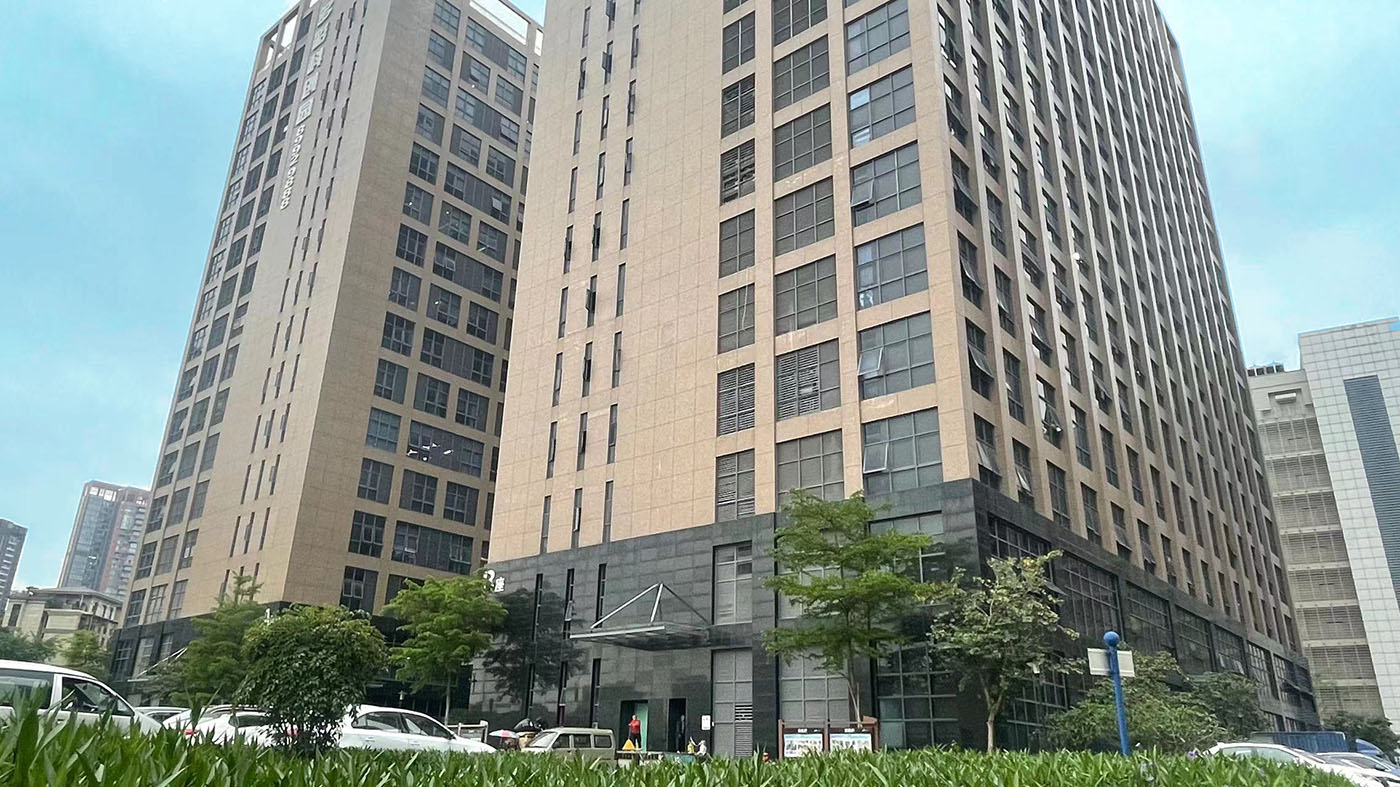
Established in 2012 in Hong Kong as a high-tech communication enterprise, Kocent Optec Limited has emerged as one of China's premier fiber optic termination product manufacturers and end-to-end solution providers. Over the past decade, we have dedicated ourselves to developing and manufacturing state-of-the-art optical communication solutions spanning from passive splitters to active transceivers. Our products power telecommunication networks, enterprise infrastructures, and hyper-scale data centers worldwide.
By leveraging our deep engineering heritage, specialized production facilities, and stringent quality control protocols, we maximize value for our customers, helping them sharpen their operational capabilities and outperform competitors. We position ourselves not merely as a component supplier, but as a strategic co-developer of fiber optic connection solutions.
Understating the evolutionary trajectory of transceiver technology and the shifting paradigms of optical packaging.
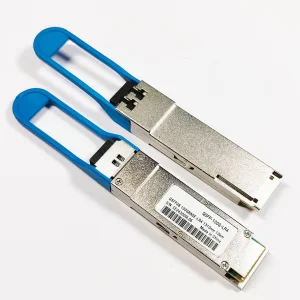
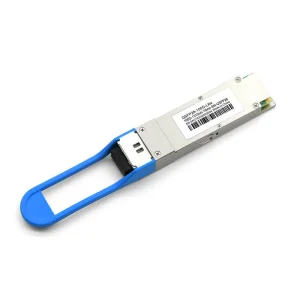
Modern layouts demand higher port density. While QSFP+ modules aggregate four channels of 10G (totaling 40G), native SFP+ formats dominate standard 10G distribution. Kocent Optec optimizes power budgets on our 10Gb/s modules, keeping consumption below 1W per unit to reduce thermal footprint in high-density rack mounts.
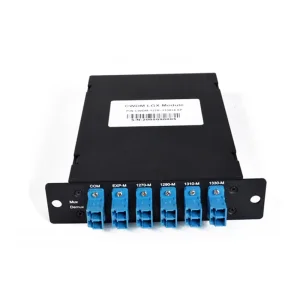
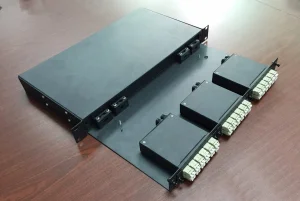
Faced with high fiber installation costs, network engineers rely on Coarse (CWDM) and Dense (DWDM) Wavelength Division Multiplexing to multiply data paths over a single fiber pair. Our LGX box type Mux/Demux filters and wavelength-stabilized DFB transceivers enable operators to scale bandwidth up to 80x without laying new cable.
Proactive network maintenance requires real-time diagnostic parameters. Kocent Optec modules integrate DDM/DOM capabilities compliant with SFF-8472. This enables operators to track laser bias current, optical output power, receiver input power, temperature, and supply voltage directly from the switch console.
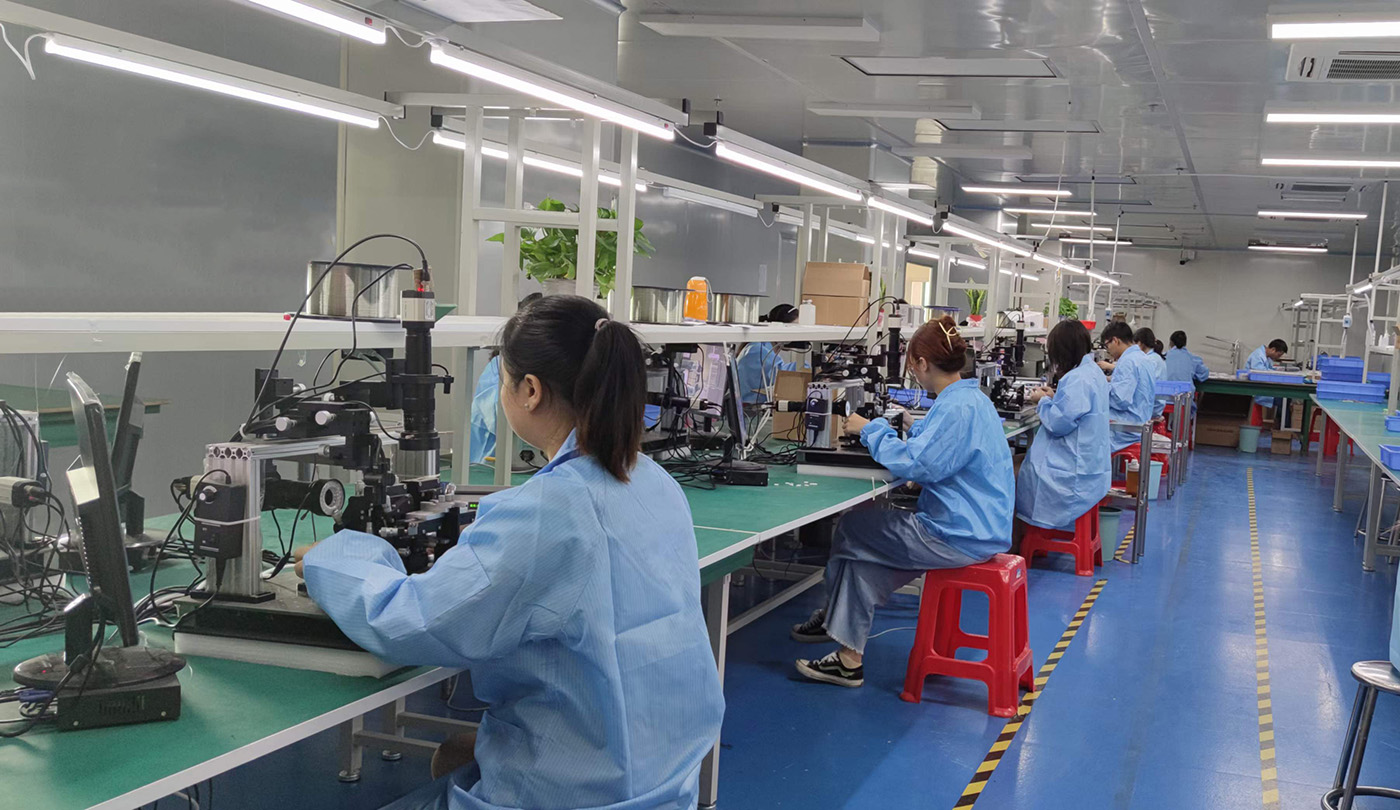
With over 13 years of manufacturing expertise, we strictly adhere to international telecommunication standards (ITU-T, IEEE, Telcordia GR-326-CORE) using mature, scientifically validated manufacturing methods. 100% of our products undergo rigorous testing and inspection, including eye-diagram calibration, optical spectrum evaluation, and compatibility verification on major switch vendors before shipment.
Our dedication to quality has allowed us to win critical contracts with tier-1 telecom operators globally. Many of our OEM and ODM products have been successfully selected in major network deployments, ensuring consistent performance for the end-user.
Technical answers regarding 10G optical architectures, transceivers, and optimization protocols.
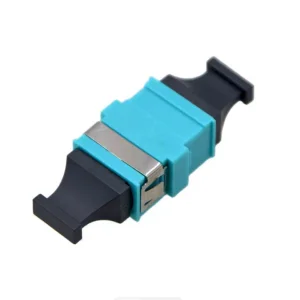
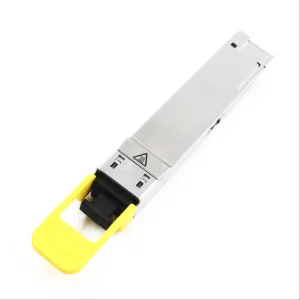
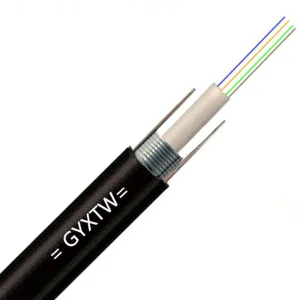
Discover our comprehensive range of high-density couplers, rack panels, next-gen transceivers, and rugged outdoor cabling.
 KOCENT OPTEC