 KOCENT OPTEC
1 / 3
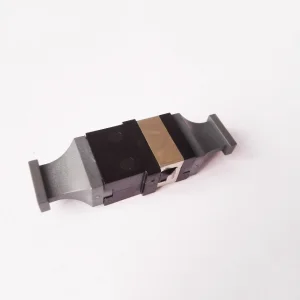
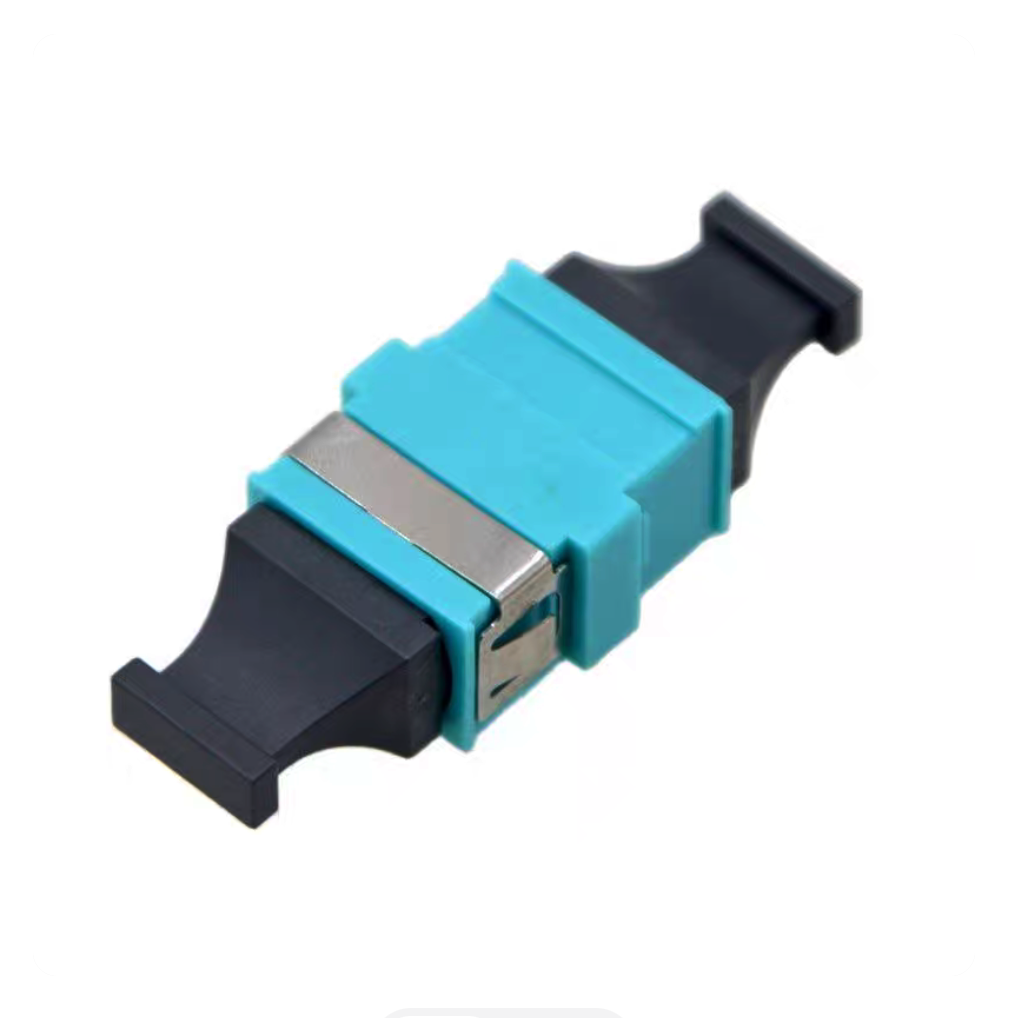
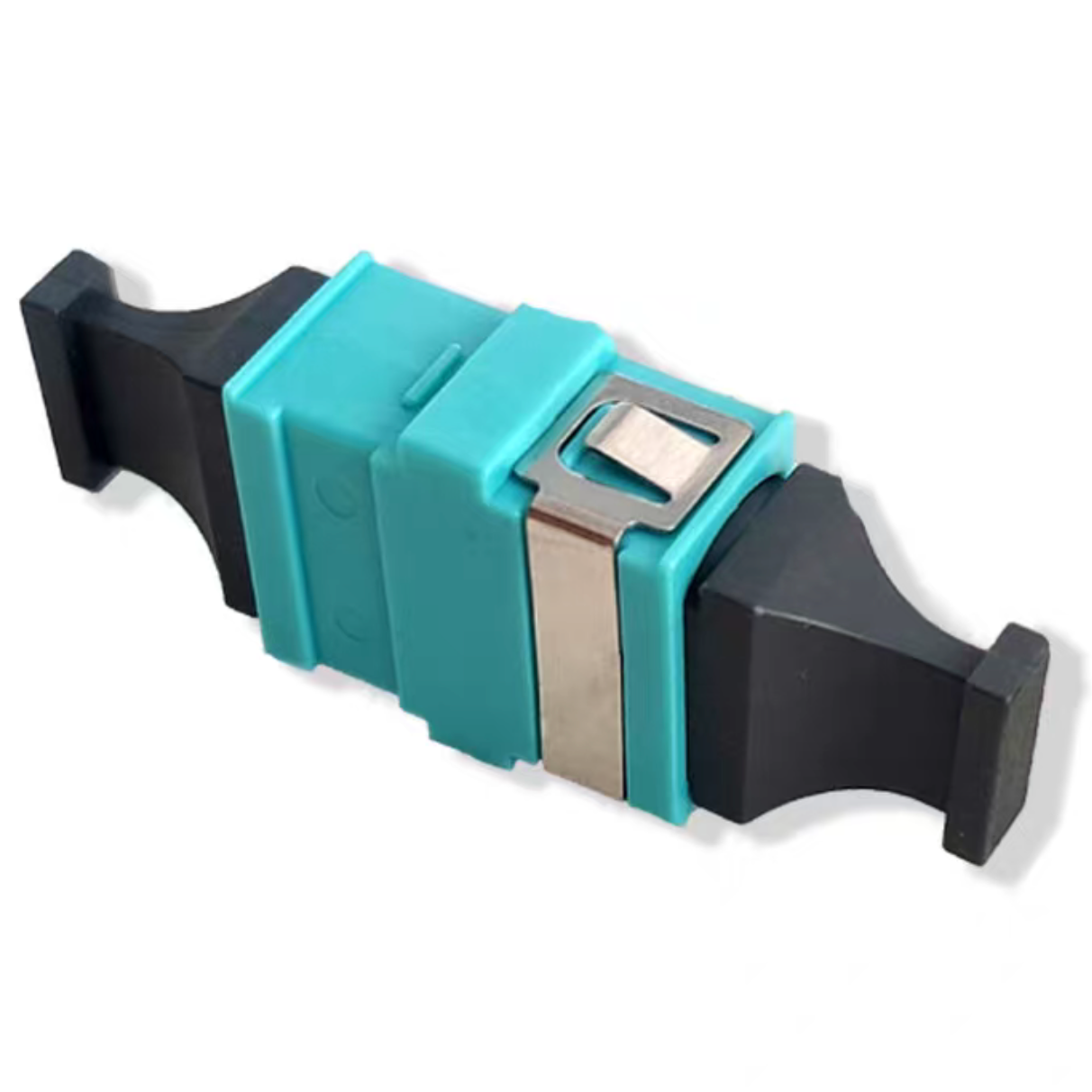
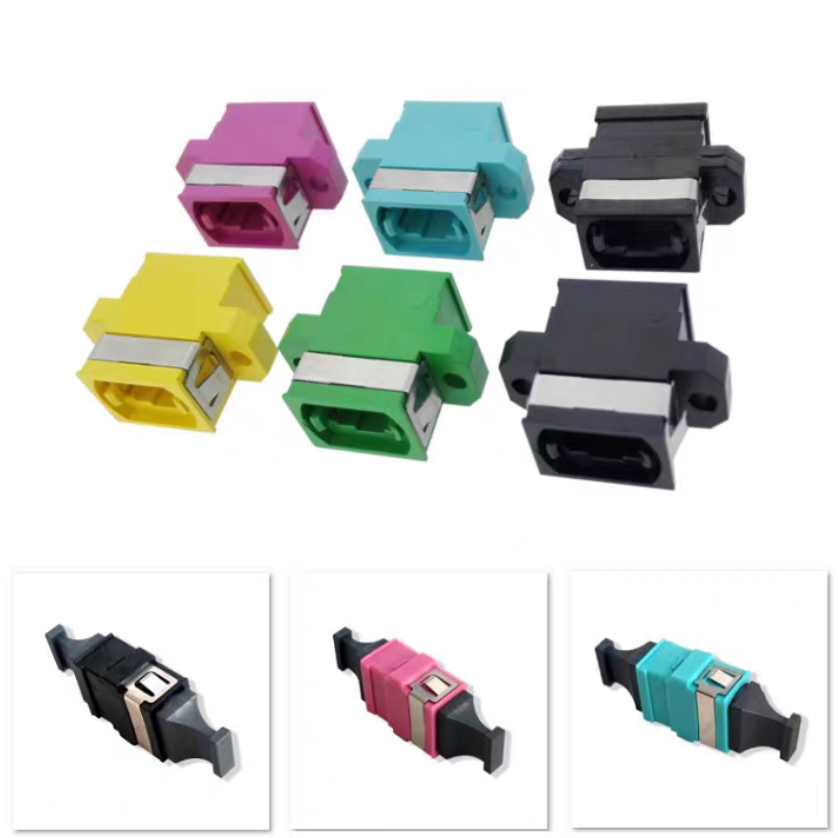
MPO fiber optic coupler is used for connection between MPO Female fiber optic trunk and MPO Male module, or MPO Female trunk cable and MPO Male trunk cable.
It is compatible with MPO-8, MPO-12, MPO-16, MPO-24, MPO-32, and MPO-48 connectors.
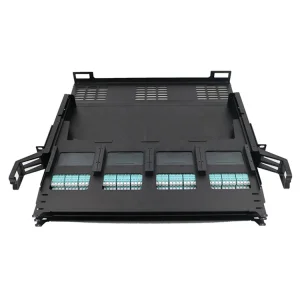
Perfect for use in MPO high density patch panels and FTTA multi-function boxes.
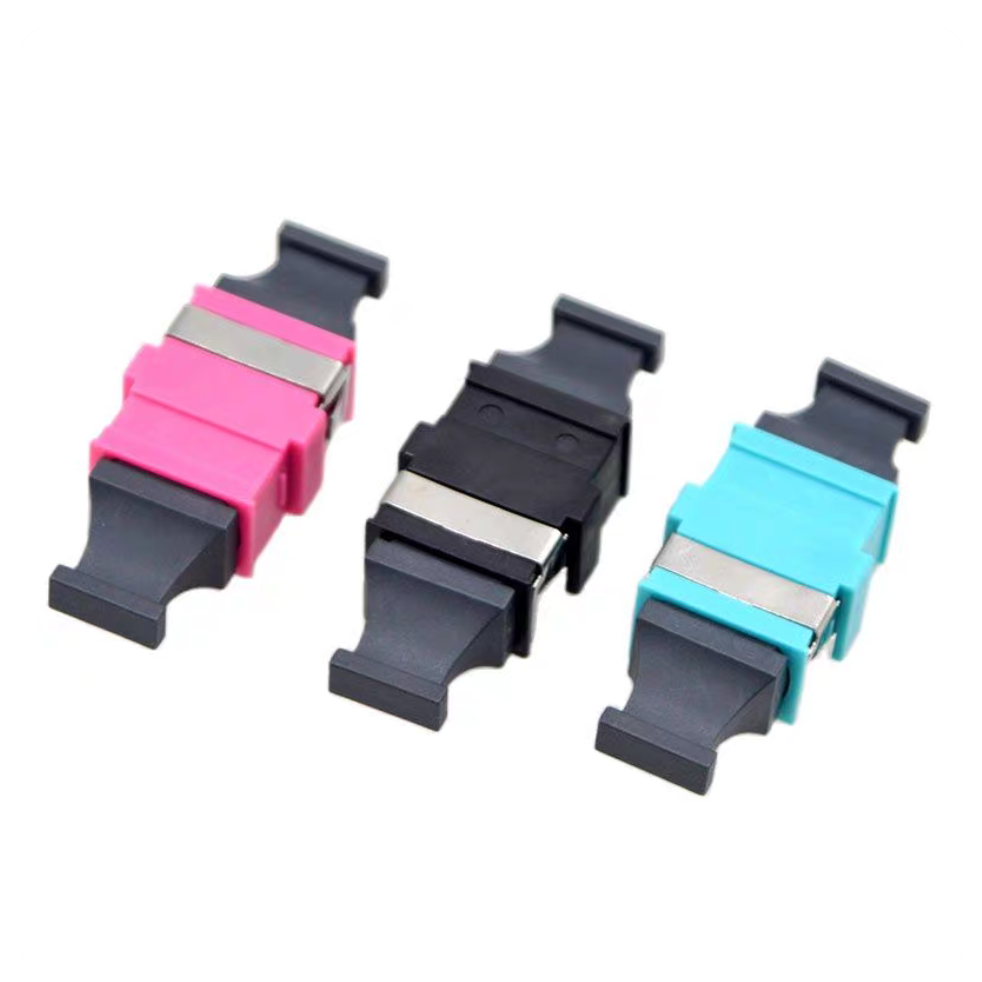
Features a non-flange design, allowing for better installation space optimization.
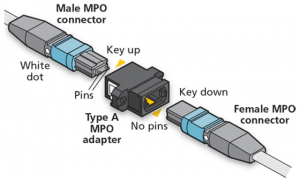
The top hook on one side flips on the other side. This is standard Type A configuration.
The top hook stays on top on both sides. This is used in Type B networks.
| Optical & Mechanical Specifications | |||
|---|---|---|---|
| Connector Type | MPO/MTP | Body Style | Simplex |
| Fiber Mode | Multimode / Singlemode | Body Color |
Single mode UPC: Black Single mode APC: Green Multimode: Black / OM3: Aqua / OM4: Violet |
| Insertion Loss | ≤0.15dB | Mating Durability | 500 times |
| Flange | With flange / Without flange | Key Orientation | Aligned (Key Up – Key Up) |
| Environmental Specifications | |
|---|---|
| Operating temperature | -20°C to 70°C |
| Storage temperature | -40°C to 85°C |
| Humidity | 95%RH |
A: The MPO coupler is designed to connect an MPO Female fiber optic trunk to an MPO Male module, or to link an MPO Female trunk cable with an MPO Male trunk cable.
A: This coupler is versatile and supports multiple fiber configurations including MPO-8, MPO-12, MPO-16, MPO-24, MPO-32, and MPO-48 connectors.
A: Opposed type (Key Up to Key Down) has the top hook flipped on the other side, standard for Type A cabling. Aligned type (Key Up to Key Up) keeps the top hook on top on both sides, which is utilized in Type B network layouts.
A: Yes, it is fully optimized to support high-speed data transmissions up to 40 GbE and 100 GbE, making it ideal for AI, High-Performance Computing (HPC), and modern data center backbones.
A: It features a very low insertion loss of ≤0.15dB and high mating durability (500 times). Its non-flange, one-piece body design maximizes coupling strength while saving valuable installation space and minimizing debris generation.