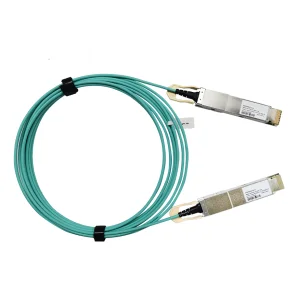
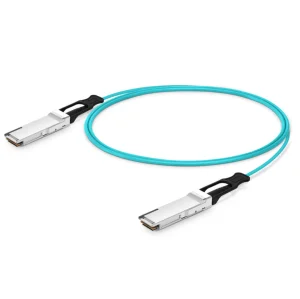
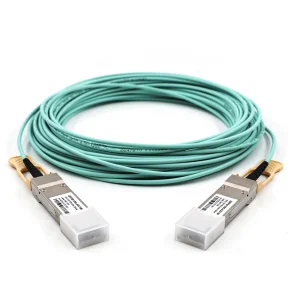
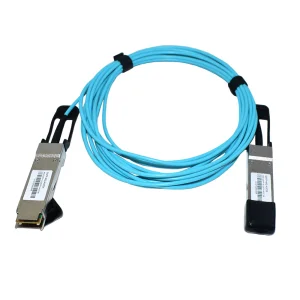
Engineered for low-latency transmission, optimized performance parameters, and full compatibility across multibrand switch architectures.
Tokyo stands as one of the world's most dense and sophisticated telecommunication hubs. With primary carrier hotels and server farms concentrated in districts like Otemachi, and massive hyperscale deployments scaling rapidly in the Inzai cluster of Chiba prefecture, the demand for high-capacity, zero-loss optical interconnects is at an all-time high. In these environments, the migration from copper to optical structures is not just a trend—it is a physical necessity dictated by bandwidth boundaries and thermal footprints.
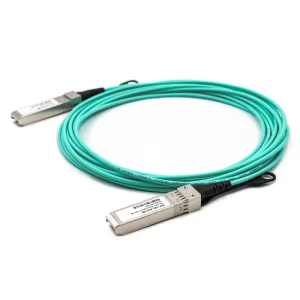
Active Optical Cables (AOC) play a vital role in linking modern servers, host adapters, and high-performance switches. Unlike Direct Attach Copper (DAC) cables, which suffer from severe signal degradation and insertion loss at lengths exceeding 3 to 5 meters in 100G+ environments, AOCs leverage multimode fiber (MMF) technology coupled with integrated VCSEL (Vertical-Cavity Surface-Emitting Laser) transmitters. This allows seamless data transfers up to 100 meters, complete immune to electromagnetic interference (EMI), while drastically reducing cable bulk within high-density cable trays.
Our AOCs guarantee a pre-FEC BER of better than 1E-15, ensuring consistent throughput without packet drops in high-frequency trading (HFT) networks operating near the Tokyo Stock Exchange.
Engineered to operate below 2.5W per end for 200G/400G interfaces, minimizing heat generation inside high-density server racks typical of restricted Tokyo metropolitan real estate.
Fully compliant with InfiniBand HDR/NDR rates and Ethernet standards (10G/40G/100G/200G/400G), allowing multi-protocol routing over unified fabric layers.
As AI applications, neural network models, and large-scale language model (LLM) training engines proliferate, data centers require interconnects that can cope with intensive east-west traffic patterns. Silicon Photonics and PAM4 (Pulse Amplitude Modulation 4-Level) technologies have altered the limits of optical interfaces. With PAM4, 400G QSFP-DD interfaces can pack higher data density, transforming the economics of high-speed interconnect paths. This shift makes reliable AOC deployment critical for system architects who need to prevent localized physical layer bottlenecks.
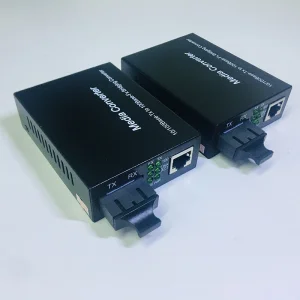
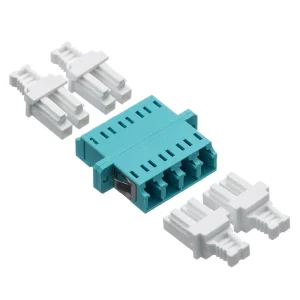
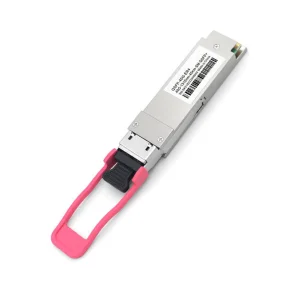
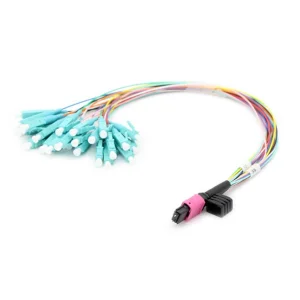
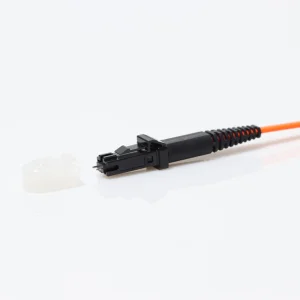
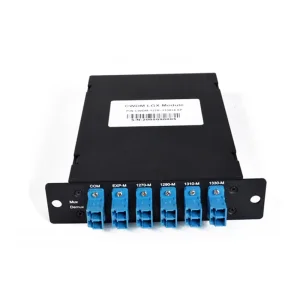
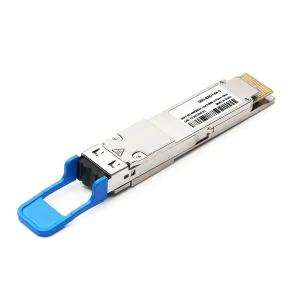
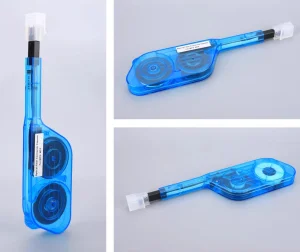
Deploy custom length patch cables, transceivers, and clean termination accessories optimized for high-density patch fields in Tokyo server hubs.
Kocent Optec Limited was established in 2012 in Hong Kong as a high-tech communication enterprise. Over the past decade, we have grown into one of China's premier manufacturers and turnkey solution providers of passive and active fiber optic termination systems.
We are fully dedicated to designing, developing, and manufacturing high-performance fiber optic products. Our catalog supports complex telecom frameworks, corporate dataspaces, and hyper-scale cloud facilities worldwide. Through strict compliance with ISO9001 quality metrics, we ensure that our cables perform flawlessly under intense operational loads.

By leveraging our extensive engineering experience and highly efficient manufacturing plants in mainland China, we help clients minimize infrastructure costs without compromising signal integrity or deployment timelines. We see ourselves as your strategic manufacturing partner, not just a vendor. Our differentiators—such as specialized EEPROM programming for multiswitch environments and custom breakout lengths—become your distinct market advantages.
Our agile production model allows us to run small custom batches as well as major multi-kilometer rollouts. Our modern plant leverages automated assembly lines, high-precision polishing machines, and advanced optical testers to ensure absolute consistency across every production run.
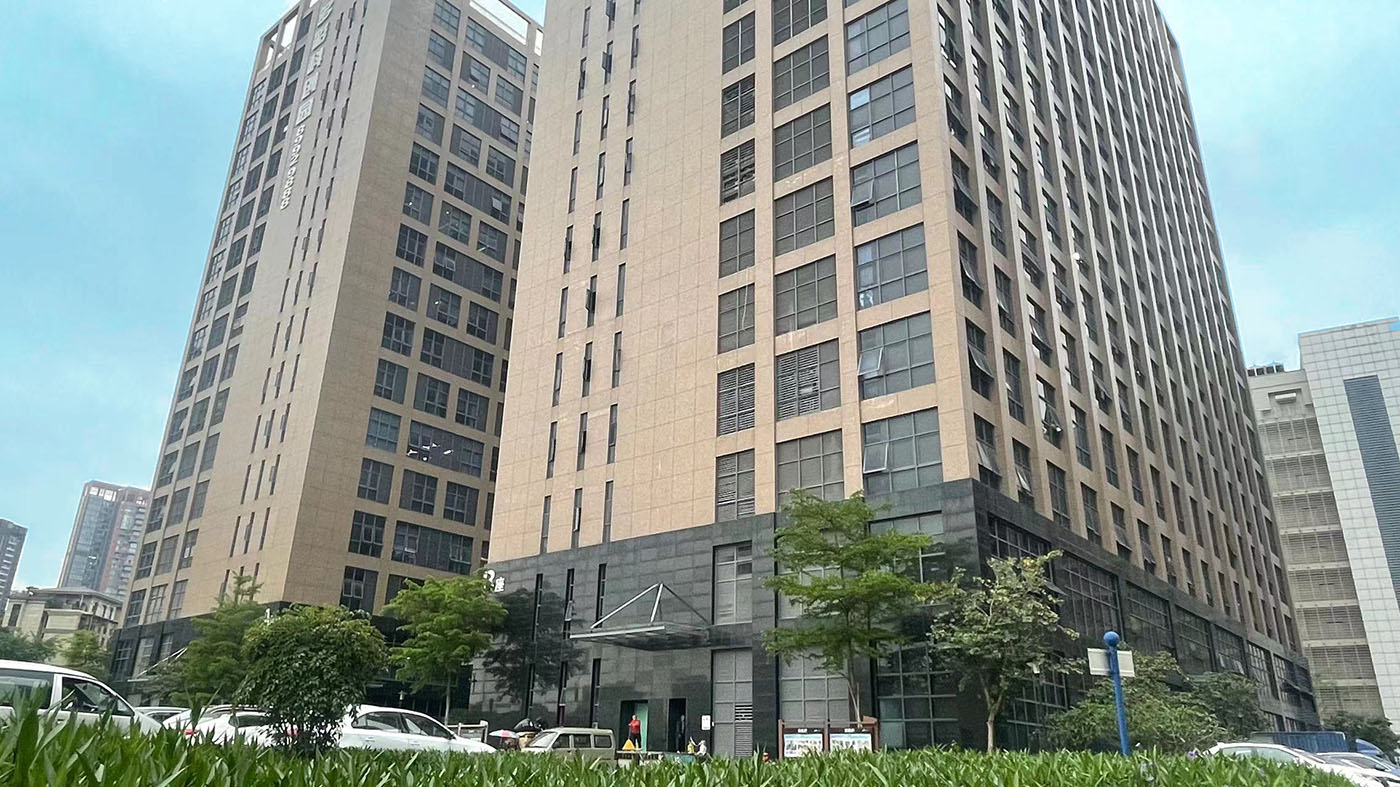
With more than 13 years of expertise in manufacturing optical transmission elements, we adhere strictly to GR-326-CORE, IEC, and RoHS standards. All active assemblies, including our 100G, 200G, and 400G AOC lines, undergo 100% testing and inspection before leaving our factory. We test for insertion loss, return loss, eye-diagram parameters, and compatibility on host switches from major brands.
This strict QC cycle minimizes field failures and avoids expensive troubleshooting, providing peace of mind for engineers managing critical networks in places like Tokyo's financial center.
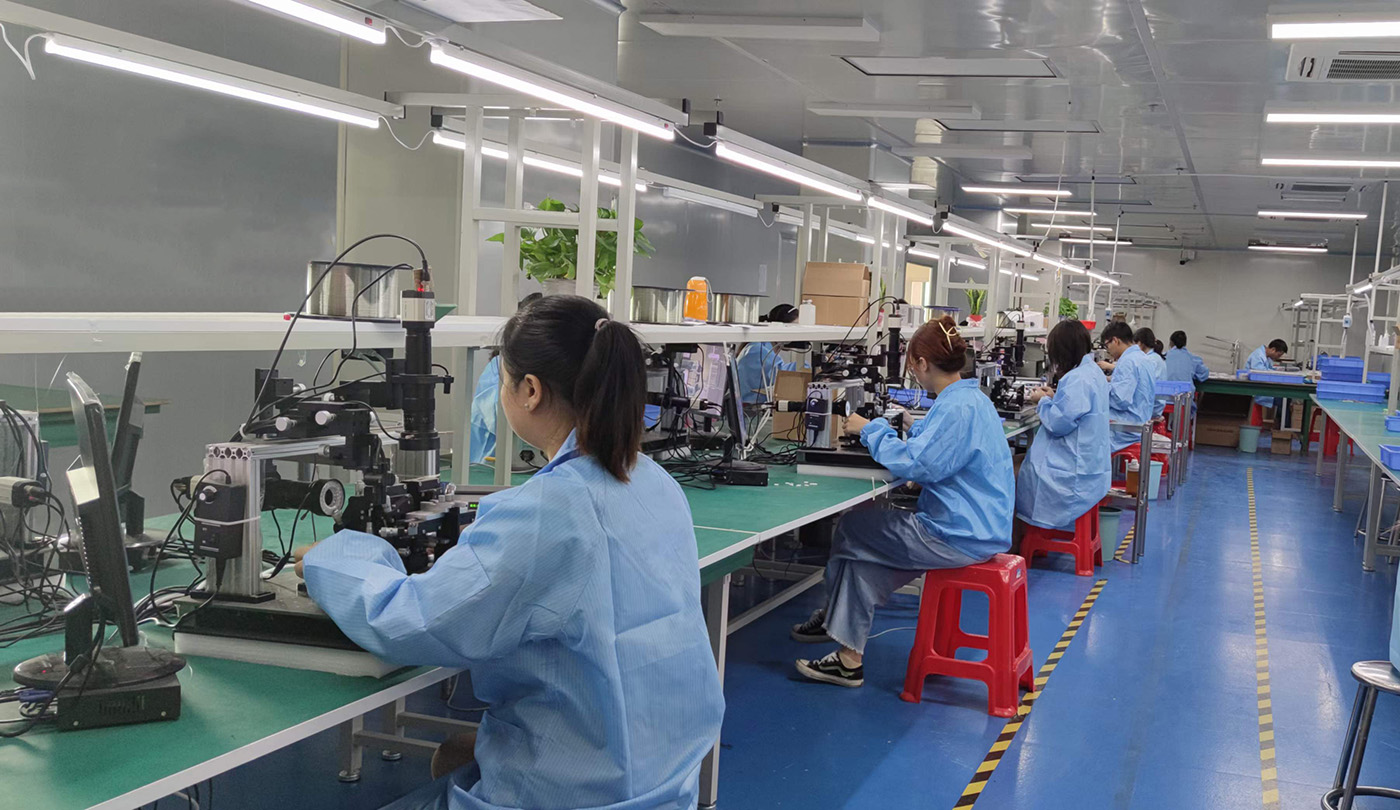
Years of client satisfaction have allowed us to expand our reach across continents. Today, our optical interconnects link key networks in East Asia, Southeast Asia, the Middle East, Europe, South America, North America, and Africa. Many of our OEM/ODM products are deployed directly within Tier-1 Telecom Operators, passing strict evaluation processes.
Our terminal telecom operators and end-users include: SingTel, Vodafone, America Movil, Telefonica, Bharti Airtel, Orange, Telenor, VimpelCom, TeliaSonera, Saudi Telecom, MTN, Viettel, Bitel, VNPT, Laos Telecom, MYTEL, Telkom, Telekom, Entel, FiberTel, StarFiber, Ooredoo, Beeline, Azercell, and other enterprise networks.
Purchasing Active Optical Cables from China factories like Kocent Optec Limited offers distinct strategic advantages for global networks in terms of cost efficiency, supply chain responsiveness, and production scale. This synergy provides direct competitive benefits for enterprises upgrading to 100G, 200G, or 400G platforms:
Tokyo's status as a top-tier global financial capital and AI development center requires highly optimized physical infrastructure. Our AOC solutions are designed to support several localized application scenarios:
1. Financial Low-Latency Networks (Chuo-ku & Otemachi): In high-frequency trading (HFT) configurations, every nanosecond counts. Direct copper connections can struggle with transmission speed at longer runs, while standard transceivers introduce signal conversions. Our 10G/40G/100G AOCs provide direct point-to-point connections with minimal conversions, helping to keep trade execution times highly predictable.
2. Hyperscale Scaling in Inzai Cluster (Chiba): Inzai hosts massive multi-megawatt facilities operated by global hyperscale providers. Connecting multi-tier switch meshes (Leaf-Spine design) over distances of 10 to 100 meters requires light, flexible cabling. Our OM3/OM4-based AOCs offer a small bending radius, facilitating dense airflow and neat cable management in congested overhead trays.
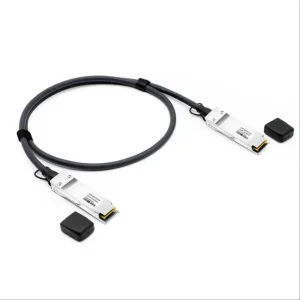
3. AI Supercomputing Clusters (Research Zones): Training deep learning neural networks involves high-density GPU clusters swapping parallel datasets. Utilizing 400G QSFP-DD to 2x200G QSFP56 breakout cables allows data centers to maximize host adapter ports while maintaining reliable PAM4 throughput.
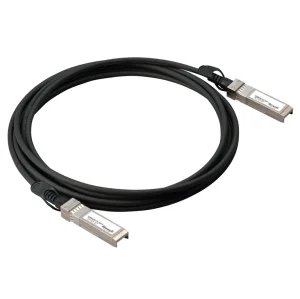
Explore our complete range of active optical cables, DACs, patch cords, and specialized cleaning tools designed for carrier-grade deployments.
Procuring Active Optical Cables for critical networks in Tokyo requires analyzing key structural and electrical parameters. Below is a checklist designed for procurement leads and datacenter managers:
1. Multi-Switch Compatibility: Many data centers operate in multi-vendor environments, where switches from Cisco, Arista, Juniper, and Huawei coexist. Verify that your supplier can write switch-specific EEPROM signatures onto each cable end to prevent port locking or diagnostic errors.
2. Thermal Dissipation and Efficiency: High energy consumption generates heat, which increases cooling overheads. Look for 400G AOC units that draw less than 2.5W per transceiver end, keeping active ports cooler.
3. Cable Bend Radius: Dynamic server environments require routing cables around tight corners inside racks. Ensure the multimode optical fiber inside your AOC has a minimum bend radius of 7.5mm to prevent macro-bending loss.
4. Standard Certification Compliance: Confirm that all imported optical units are RoHS compliant and conform to UL flame-retardant standards (OFNP or LSZH jackets) to meet local Tokyo building safety regulations.
Detailed technical answers to common queries regarding optical interconnect deployments in high-performance environments.
 KOCENT OPTEC