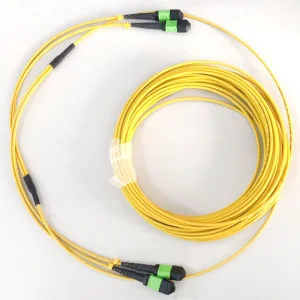
Premium physical layer connectivity including passive twinax cables, optical modules, and fiber assemblies engineered for high speed data infrastructure.
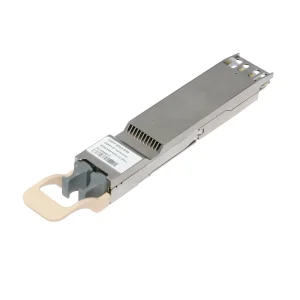
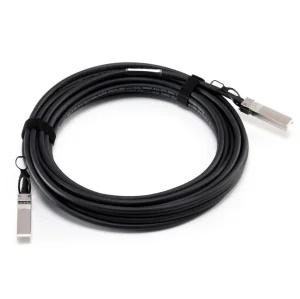
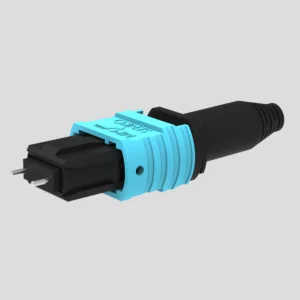
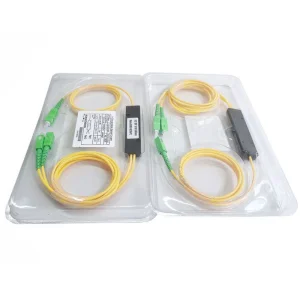
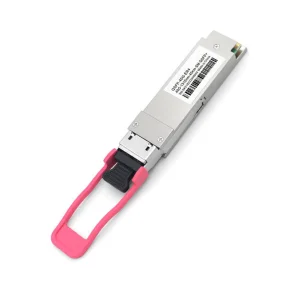
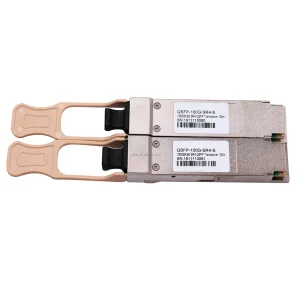
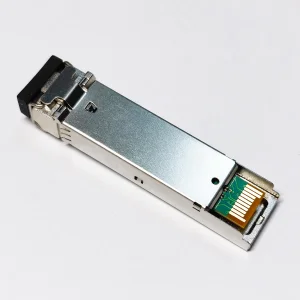
The Quad Small Form-factor Pluggable (QSFP) interface has acted as a critical milestone in high-speed optical communications, enabling datacenter networks and telecommunication aggregates to successfully shift out of legacy 10G SFP+ configurations. By using four channels of high-speed transmission at 10 Gbps per channel, the 40G QSFP+ transceiver optimizes rack utilization, minimizes cooling overloads, and allows operators to scale bandwidth cleanly.
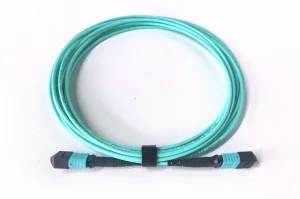
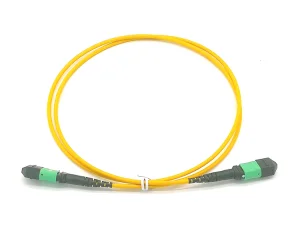
As standard enterprise networks evaluate paths to higher speeds (including 100G, 400G, and eventually 800G), 40G transceivers remain an essential component for legacy and mid-tier consolidation. The physical architecture of 40G transceivers includes both multi-mode fiber (MMF) applications for short-range patches (SR4) via MPO/MTP ports and single-mode fiber (SMF) applications for long-distance hauls (LR4, ER4) via duplex LC ports. Dynamic requirements across edge networks, private clouds, and distributed databases continue to solidify 40G QSFP's relevance.
Looking ahead, silicon photonics integration and low-power transceiver architectures are reshaping the legacy SFF specifications. Modern OEM manufacturers focus on mitigating insertion losses, improving receiver sensitivity, and ensuring that digital optical monitoring (DOM) software remains fully compliant with the latest Multi-Source Agreements (MSA).

Kocent Optec Limited: Delivering premium passive and active fiber optic communication systems since 2012.
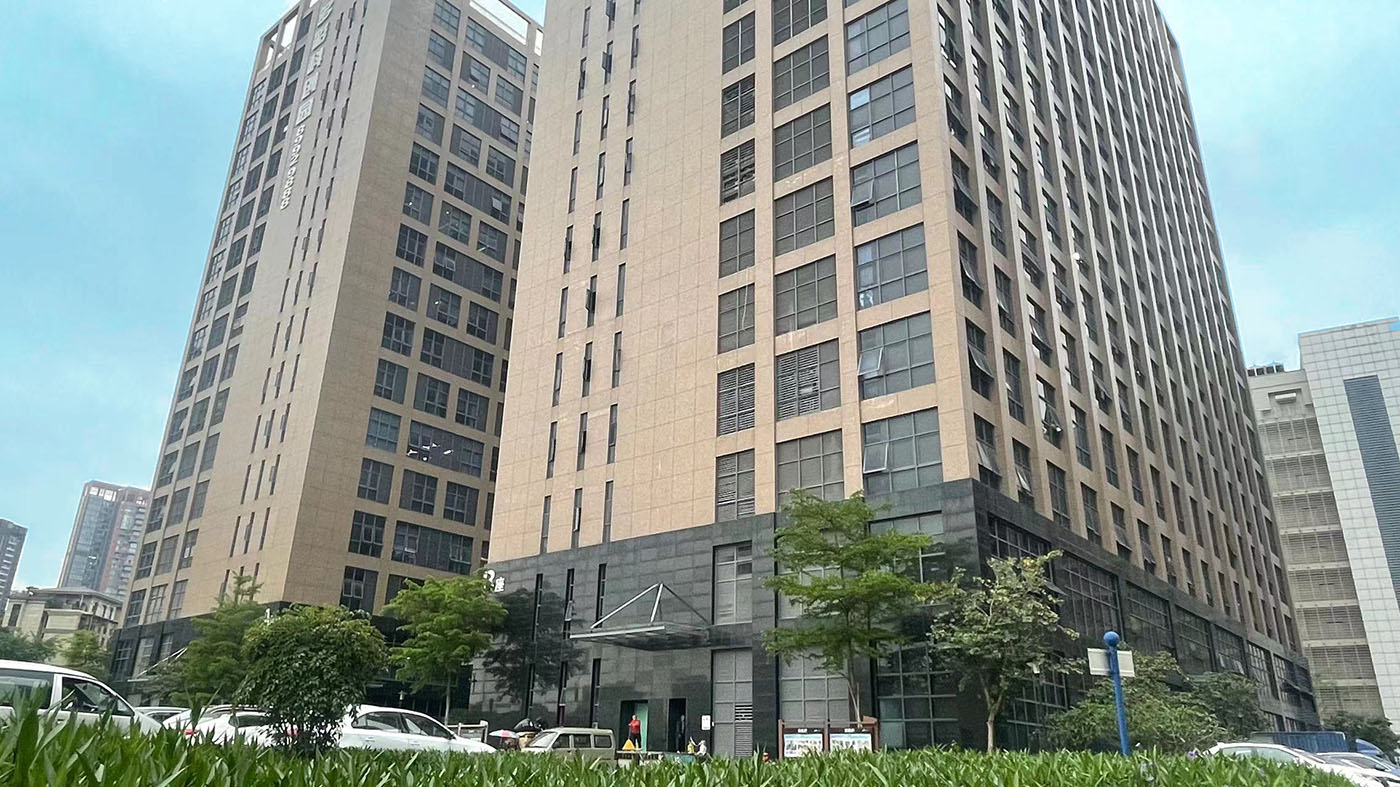
Established in 2012 in Hong Kong as a high-technology communication enterprise, Kocent Optec Limited has grown to become one of China's premier fiber optic termination product manufacturers and system suppliers. We specialize in engineering and producing high-reliability passive components and active optical transceivers for data centers, telecommunication networks, and corporate enterprise systems.
By utilizing extensive manufacturing expertise and high-efficiency production lines gained over our history, we help our partners expand their core competencies, mitigate supply risks, and exceed operational targets. We prioritize customer collaboration and consider ourselves your engineering and manufacturing partner in fiber optic connectivity solutions. We believe our key differentiators are your distinct operational advantages.
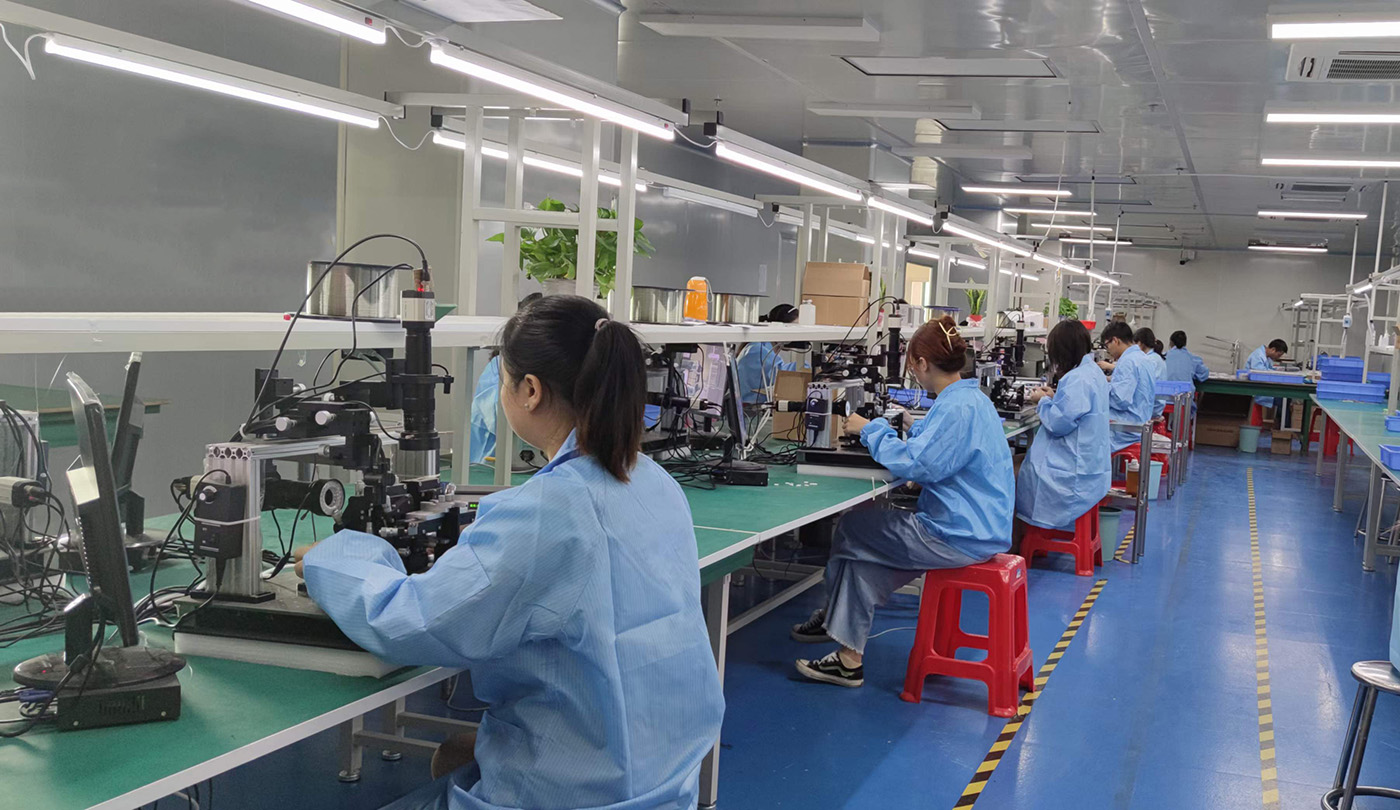
Our manufacturing facility in China utilizes automation and advanced material resource planning (MRP) to ensure delivery timelines remain consistent. Operating under international quality control protocols, we use automated optical alignment, high-reliability curing ovens, and digital microscope inspection to guarantee optical performance at scale.
With more than 13 years of experience in manufacturing telecommunication fiber optic products, we strictly follow fiber optic industry standards. We implement mature scientific methods to deliver your orders on schedule. 100% of our products undergo comprehensive testing and inspection before packaging. This includes insertion loss testing, return loss testing, and interferometry validation to verify fiber end-face geometry.
Our vertical integration—ranging from raw optical sub-assemblies (OSA) to final housing molding and electronic board assembly—reduces external dependencies. This ensures that even during global component shortages, Kocent Optec keeps your projects moving forward.
Deploying robust transceiver technology across critical communication environments.
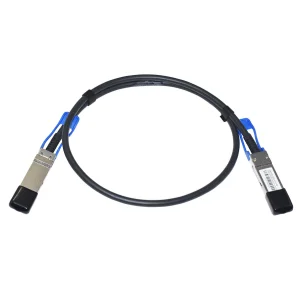
High-density leaf-spine data architectures benefit from our low-latency QSFP+ active transceivers and direct attach copper cables, optimizing inter-switch links and reducing overall power budgets.
For long-distance metro ring distribution and transport networks, our 40G QSFP+ ER4 transceivers support single-mode transport spans of up to 40km, ensuring link stability.
Providing optical aggregation hardware for high-bandwidth corporate environments, ensuring high-speed access to storage systems and core networking infrastructure.
Our sales and service experience has helped us partner with customers across multiple major geographic regions. Today, we work with networks throughout East Asia, Southeast Asia, the Middle East, Eastern Europe, Western Europe, Northern Europe, South America, North America, North Africa, and South Africa.
Building mutually beneficial relationships is our constant objective. Many of our OEM and ODM products have been deployed in national Telecom Operator tenders and meet strict carrier requirements.
Our primary network and operator partners include: SingTel, Vodafone, America Movil, Telefonica, Bharti Airtel, Orange, Telenor, VimpelCom, TeliaSonera, Saudi Telecom, MTN, Viettel, Bitel, VNPT, Laos Telecom, MYTEL, Telkom, Telekom, Entel, FiberTel, StarFiber, Ooredoo, Beeline, and Azercell.
Addressing core technical questions from procurement teams and network architects.
Standard QSFP supports data rates up to 4 Gbps per channel (16 Gbps aggregate). QSFP+ (Quad Small Form-factor Pluggable Plus) is an evolutionary step that supports 10 Gbps per channel, allowing for a total bandwidth of 40 Gbps. It features improved electrical interfaces, lower thermal dissipation footprints, and enhanced Digital Diagnostics Monitoring (DDM/DOM) compliance under the SFF-8436 specification.
Our transceivers are configured with EEPROM parameters customized to match the hardware identifiers of leading network equipment providers (such as Cisco, Juniper, Arista, and HP). Our test lab uses specialized diagnostic software to verify that every transceiver passes host interface initialization and telemetry checks before shipment.
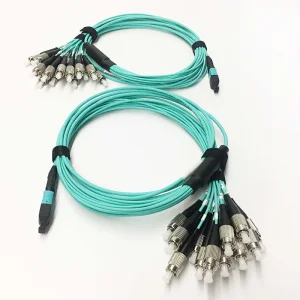
Short-range transceivers (like the 40GBASE-SR4) typically utilize an MPO/MTP-12 connector interface, which routes four distinct fiber pairs for transmit and receive signals. Long-range variants (such as the 40GBASE-LR4 and 40GBASE-ER4) feature internal wavelength division multiplexing (WDM) to multiplex the four optical paths onto a single fiber pair, utilizing standard duplex LC connectors.
We perform comprehensive testing on our DAC cables, measuring Insertion Loss (IL), Return Loss (RL), Near-End Crosstalk (NEXT), and Far-End Crosstalk (FEXT). We also verify cable impedance metrics and conduct physical stress and bend-radius assessments to ensure reliability in high-density installations.
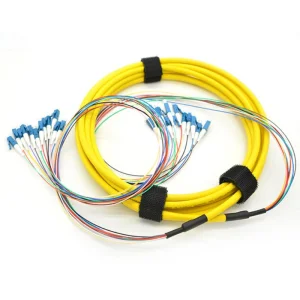
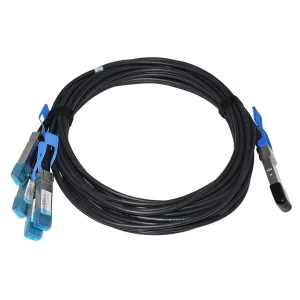
For breakout applications, we supply both passive copper breakout cables (QSFP+ to 4x SFP+) and active optical breakout options (AOCs). Additionally, physical patch panels configured with MPO-to-LC cassettes can split multi-fiber MPO connections into individual duplex LC connections, facilitating integration between legacy 10G gear and newer 40G switches.
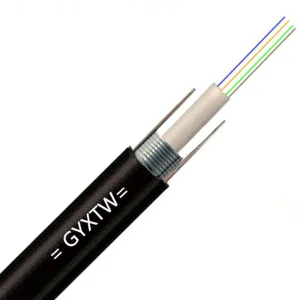
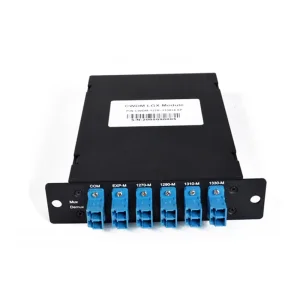
High-precision component systems and fiber distribution products built to support large-scale enterprise, optical loop, and FTTX deployments.
 KOCENT OPTEC