 KOCENT OPTEC
1 / 4
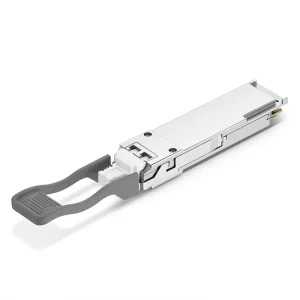
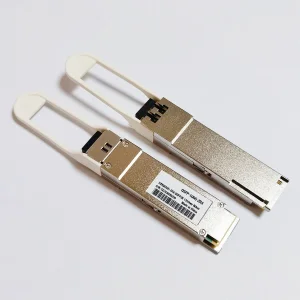
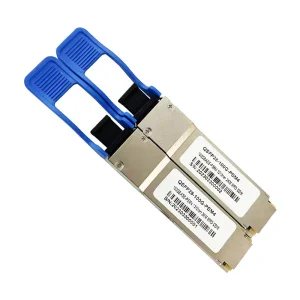
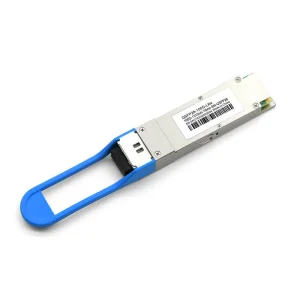
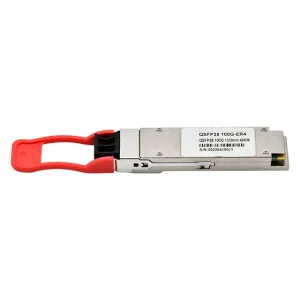
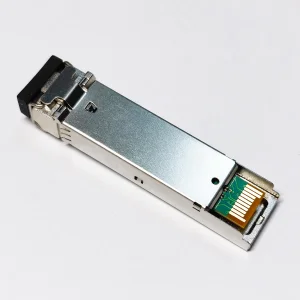
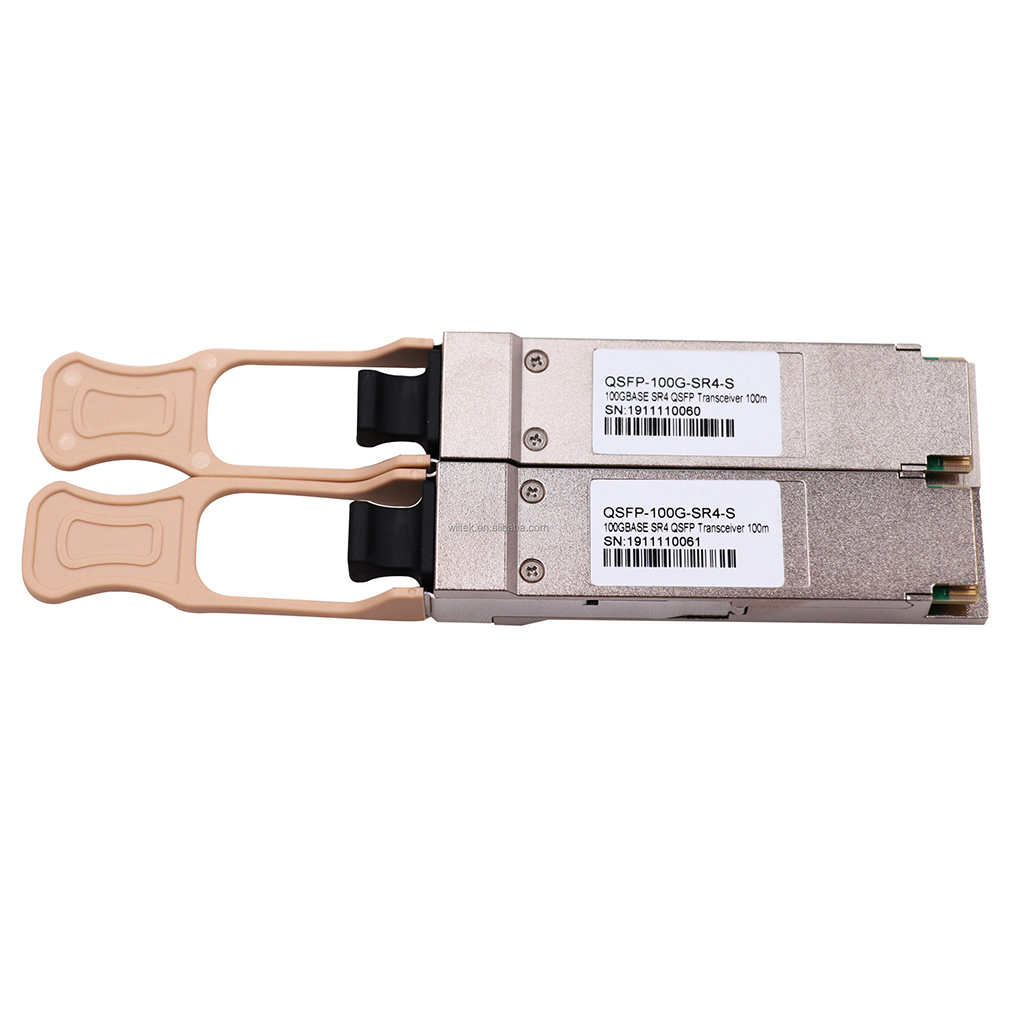
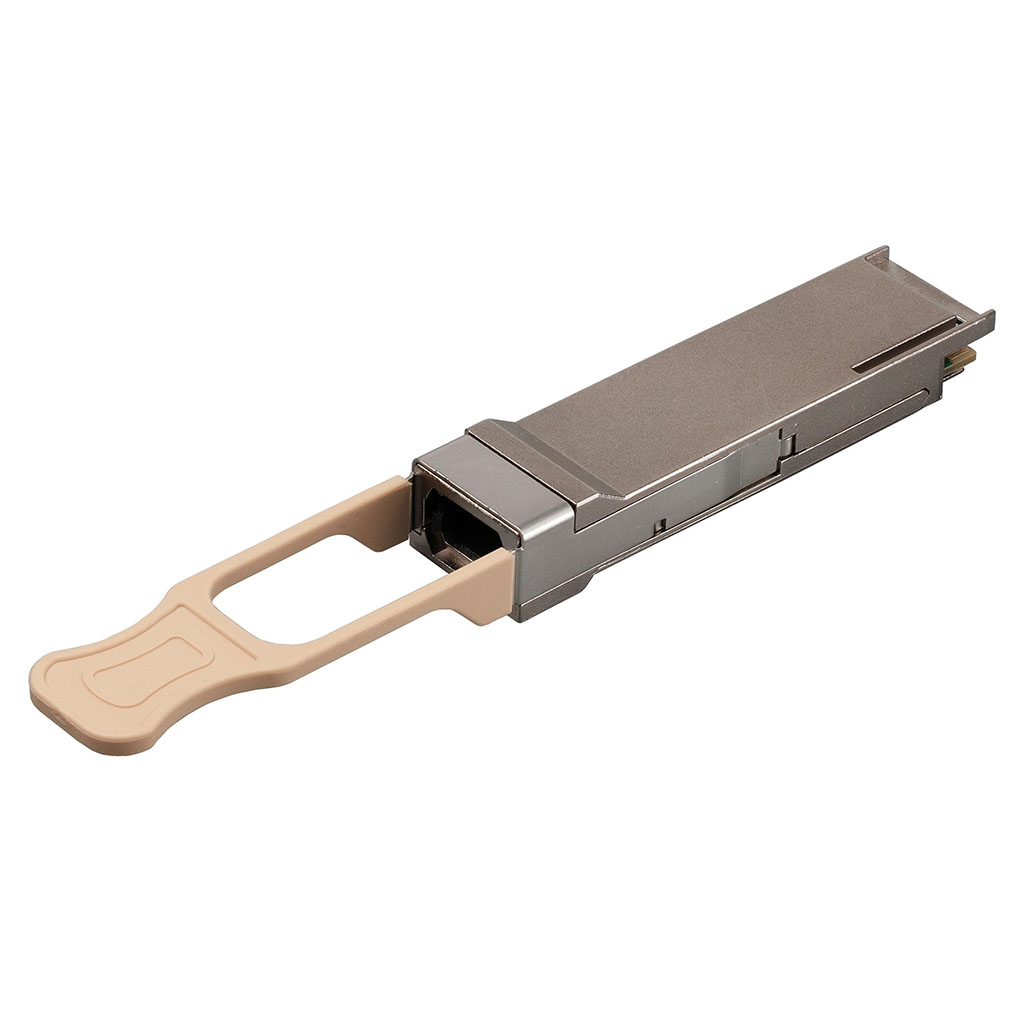
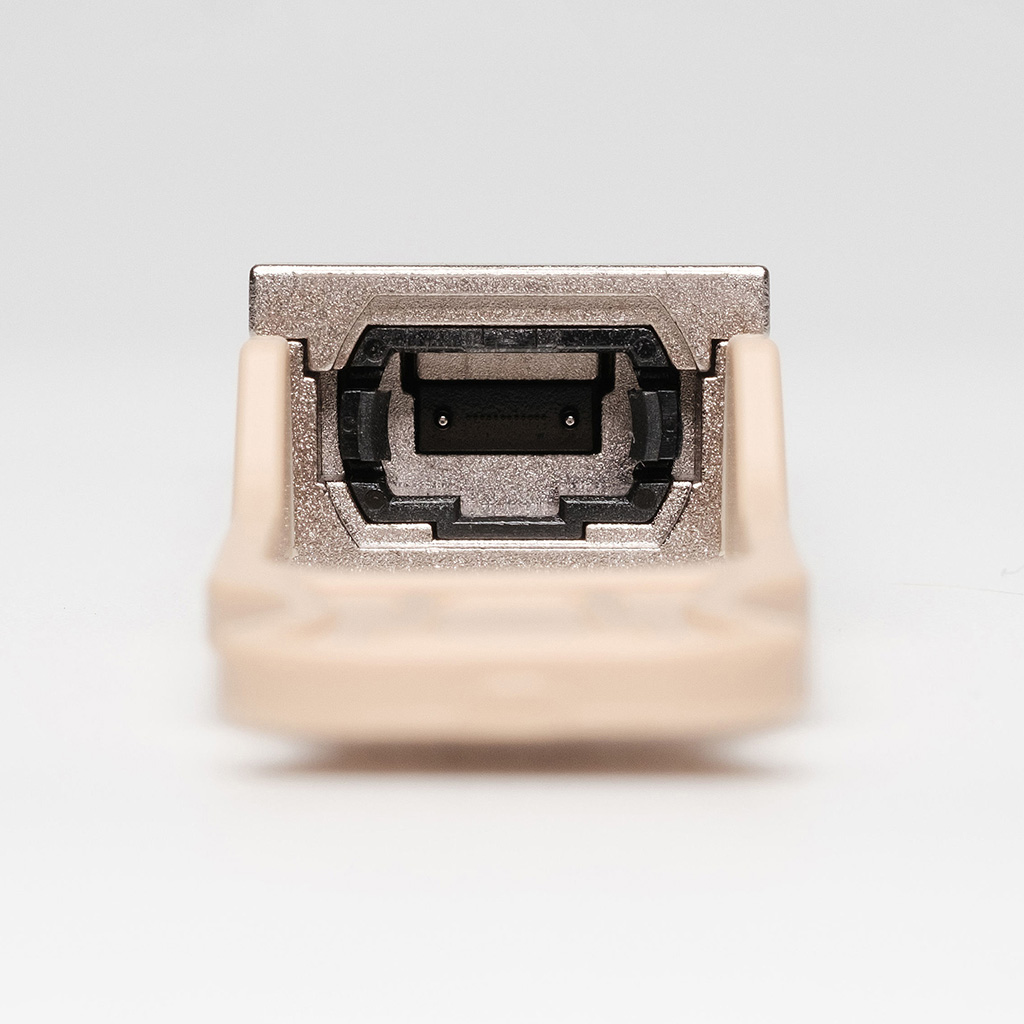
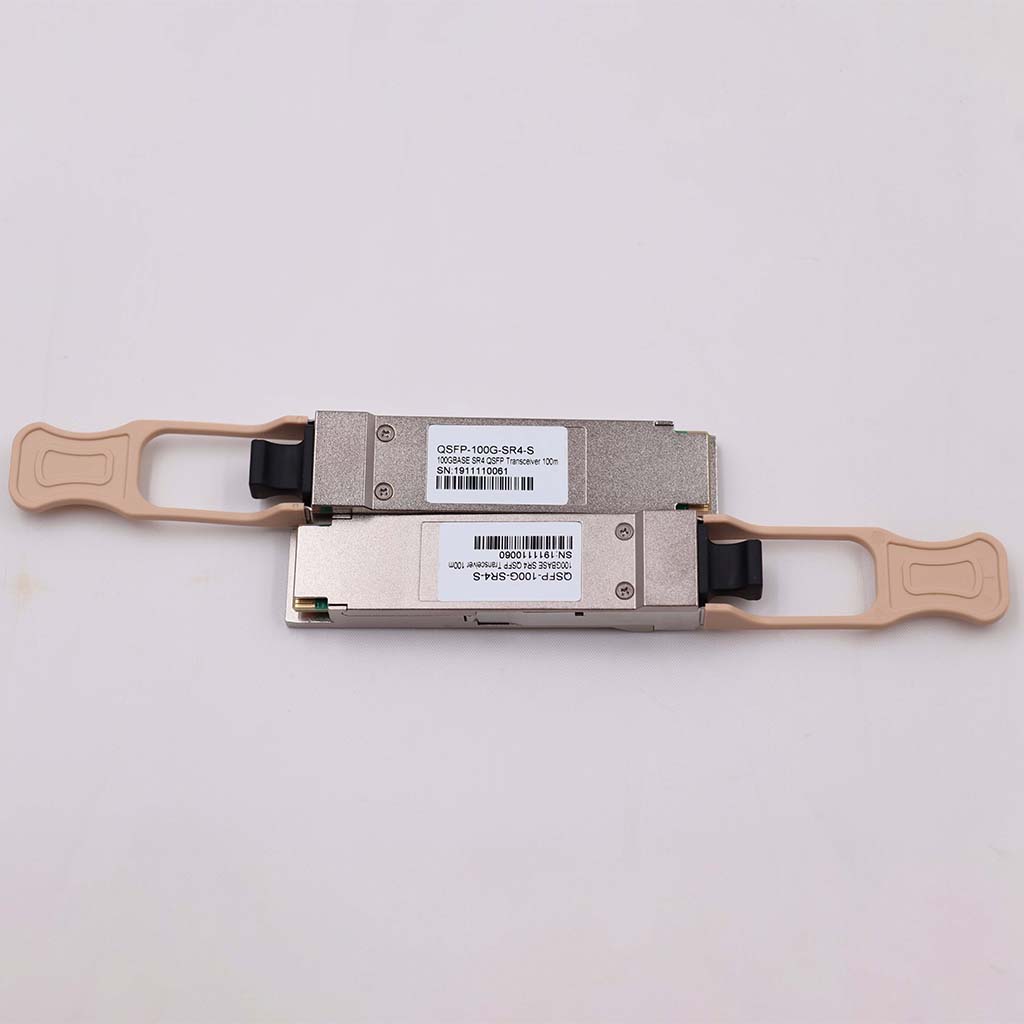
The Cisco QSFP-100G-SR4-S Compatible QSFP28 Optical Transceiver Module is designed for use in 100GBASE Ethernet throughput up to 100m over OM4 multimode fiber (MMF) using a wavelength of 850nm via a MTP/MPO-12 connector. This transceiver is compliant with IEEE 802.3bm 100GBASE-SR4 and CAUI-4 standard. Digital diagnostics functions are also available via the I2C interface, as specified by the QSFP28 MSA, to allow access to real-time operating parameters. With these features, this easy to install, hot swappable transceiver is suitable to be used in various applications, such as data centers, high-performance computing networks, enterprise core and distribution layer applications.
| Parameter | Symbol | Min. | Typ. | Max. | Unit |
| Storage Temperature | Ts | -40 | - | 85 | °C |
| Relative Humidity | RH | 5 | - | 95 | % |
| Power Supply Voltage | VCC | -0.3 | - | 4 | V |
| Signal Input Voltage | Vcc-0.3 | - | Vcc+0.3 | V |
Applications: 100G Ethernet & 100GBASE-SR4
Standards: Compliant to IEEE 802.3bm, Compliant to SFF-8636, RoHS Compliant.
OP-QSFP28-01 are designed for use in 100 Gigabit per second links over multi mode fiber.
They are compliant with the QSFP28 MSA and IEEE 802.3bm. The optical transmitter portion of the transceiver incorporates a 4-channel VCSEL (Vertical Cavity Surface Emitting Laser) array, a 4-channel input buffer and laser driver, diagnostic monitors, control and bias blocks. For module control, the control interface incorporates a Two Wire Serial interface of clock and data signals. Diagnostic monitors for VCSEL bias, module temperature, transmitted optical power, received optical power and supply voltage is implemented and results are available through the TWS interface. Alarm and warning thresholds are established for the monitored attributes. Flags are set and interrupts generated when the attributes are outside the thresholds. Flags are also set and interrupts generated for loss of input signal (LOS) and transmitter fault conditions. All flags are latched and will remain set even if the condition initiating the latch clears and operation resumes. All interrupts can be masked and flags are reset by reading the appropriate flag register. The optical output will squelch for loss of input signal unless squelch is disabled. Fault detection or channel deactivation through the TWS interface will disable the channel. Status, alarm/warning and fault information are available via the TWS interface.
The optical receiver portion of the transceiver incorporates a 4-channel PIN photodiode array, a 4-channel TIA array, a 4 channels output buffer, diagnostic monitors, and control and bias blocks. Diagnostic monitors for optical input power are implemented and results are available through the TWS interface. Alarm and warning thresholds are established for the monitored attributes. Flags are set and interrupts generated when the attributes are outside the thresholds. Flags are also set and interrupts generated for loss of optical input signal (LOS). All flags are latched and will remain set even if the condition initiating the flag clears and operation resumes. All interrupts can be masked and flags are reset upon reading the appropriate flag register. The electrical output will squelch for loss of input signal (unless squelch is disabled) and channel de-activation through TWS interface. Status and alarm/warning information are available via the TWS interface.
| Parameter | Symbol | Min. | Typ. | Max. | Unit | Note |
| Case Operating Temperature | Tcase | 0 | - | 70 | °C | Without air flow |
| Power Supply Voltage | VCC | 3.14 | 3.3 | 3.46 | V | |
| Power Supply Current | ICC | - | 600 | mA | ||
| Data Rate | BR | 25.78125 | Gbps | Each channel | ||
| Transmission Distance | TD | - | 150 | m | OM4 MMF |
Note: 100G Ethernet &100GBASE-SR4 and ITU-T OTU4 has different register setting, not auto- Negotiation
| Parameter | Symbol | Min | Typ | Max | Unit | NOTE |
| Transmitter | ||||||
| Center Wavelength | λ0 | 840 | 860 | nm | ||
| Average Launch Power each lane | -8.4 | 2.4 | dBm | |||
| Spectral Width (RMS) | σ | 0.6 | nm | |||
| Optical Extinction Ratio | ER | 2 | dB | |||
| Optical Return Loss Tolerance | ORL | 12 | dB | |||
| Output Eye Mask | Compliant with IEEE 802.3bm | |||||
| Receiver | ||||||
| Receiver Wavelength | λin | 840 | 860 | nm | ||
| Rx Sensitivity per lane | RSENS | -10.3 | dBm | 1 | ||
| Input Saturation Power (Overload) | Psat | 2.4 | dBm | |||
| Receiver Reflectance | Rr | -12 | dB | |||
| Parameter | Symbol | Min | Typ | Max | Unit | NOTE |
| Supply Voltage | Vcc | 3.14 | 3.3 | 3.46 | V | |
| Supply Current | Icc | 600 | mA | |||
| Transmitter | ||||||
| Input differential impedance | Rin | 100 | Ω | 1 | ||
| Differential data input swing | Vin,pp | 180 | 1000 | mV | ||
| Single ended input voltage tolerance | VinT | -0.3 | 4.0 | V | ||
| Receiver | ||||||
| Differential data output swing | Vout,pp | 300 | 850 | mV | 2 | |
| Single-ended output voltage | -0.3 | 4.0 | V | |||
Notes: