Direct from Kocent Optec's high-tech manufacturing plants. Explore original catalog listings for commercial and high-density infrastructure environments.
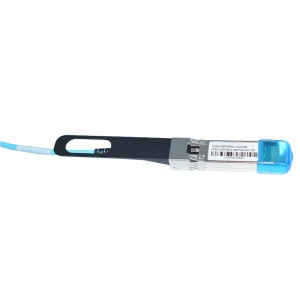
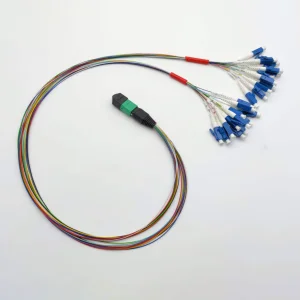
Established in 2012 in Hong Kong as a pioneer high-tech communication enterprise, Kocent Optec Limited has emerged as one of China's premier fiber optic termination product manufacturers and engineering solution providers. We are fundamentally committed to the R&D, structural design, and large-scale manufacturing of high-reliability passive and active optical fiber communication products. Our portfolio services global telecommunication networks, enterprise structures, data centers, and multi-tenant high-performance computing centers.
Leveraging over 13 years of rigorous optical engineering experience, we scale our production processes to optimize output for our clients. By acting as a core collaborative partner in fiber optic connection solutions, we ensure that our manufacturing precision becomes your competitive advantage in a demanding global market.

Understanding why enterprise IT directors and optical network engineers select Active Optical Cables (AOC) over traditional direct-attach copper and discrete transceivers.
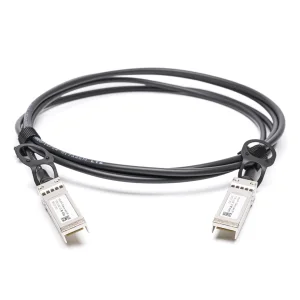
With the rapid proliferation of high-performance database workloads, artificial intelligence training, and hyper-converged virtualization, modern datacenters demand robust short-range interconnects. The 40G QSFP+ Active Optical Cable bridges the physical layer gap between rack-level switches and aggregation layers.
Traditional Direct Attach Copper (DAC) cables are heavy and stiff, creating severe bending constraints and restricting cooling airflow within server enclosures. OEM 40G AOCs provide a lightweight, highly flexible alternative that enables tight routing configurations, enhancing airflow and lowering datacenter cooling overheads.
Active Optical Cables utilize VCSEL lasers to convert electrical signals into optical signals. This design creates complete electromagnetic interference (EMI) immunity inside crowded server racks, preventing signal degradation and bit errors common to high-speed copper.
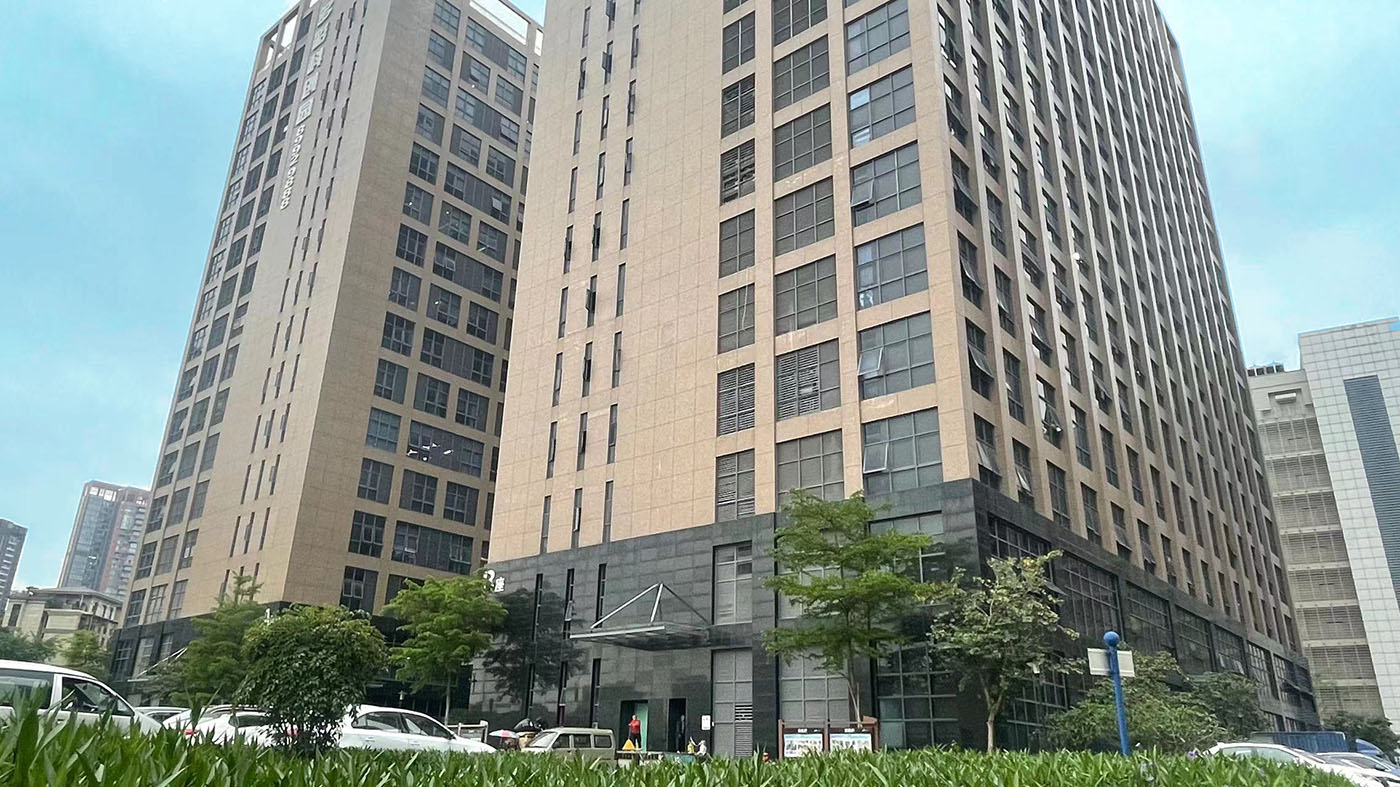
Procuring 40G QSFP+ AOC assemblies directly from verified OEM factories provides key commercial advantages. By bypassing middlemen distributors, companies gain access to direct engineering customization (length adjustments, compliance coding for multi-vendor switches, custom packaging) while slashing deployment costs.
A typical OEM factory pricing framework factors in high-volume component costs, VCSEL array sourcing, and rigorous automated testing protocols. Kocent Optec guarantees cost efficiencies through vertical integration, manufacturing both the raw passive assemblies and high-performance optoelectronic modules in-house.
How 40G Active Optical Assemblies align with high-capacity enterprise networks and hybrid telecom structures.
| Deployment Scenario | Primary Interface Challenge | AOC Solution Specification | Key Operational Benefit |
|---|---|---|---|
| Spine-to-Leaf Datacenter Networking | Extreme rack density and high cable tray weight. | 40G QSFP+ to QSFP+ OM3 AOC (3m to 20m) | Reduces rack structural load, optimizes thermal dynamics. |
| High-Frequency Trading (HFT) Hubs | Microsecond latency anomalies due to signal reflections. | Low-Latency 40G Breakout to 4x10G SFP+ AOC | Predictable round-trip times with zero optical reflection. |
| Carrier Exchange Centers | Multi-vendor equipment interoperability (Cisco/Juniper/Arista). | Dual-coded customized firmware EEPROM AOC | Seamless port integration, eliminates manufacturer lock-in. |
| Industrial Edge Clusters | Heavy environmental EMI from heavy machinery. | Armored or LSZH jacketed 40G Active Fiber assemblies | Total electrical isolation with zero data corruption. |
The choice between Active Optical Cables and other interconnect methodologies depends heavily on physical link lengths. While Direct Attach Copper (DAC) remains standard under 3 meters, 40G AOC provides the optimal balance of power conservation (typical power draw < 1.5W per end), price, and performance for links between 3 meters and 100 meters.
An Active Optical Cable is not merely a cable; it is an integrated optoelectronic subsystem. Each end of the QSFP+ connector contains transmitter optical sub-assemblies (TOSA) with an 850nm VCSEL array and receiver optical sub-assemblies (ROSA) with a PIN photodiode array. The conversion from electrical signals to optical signals occurs internally, presenting a standard electrical interface to the host system.
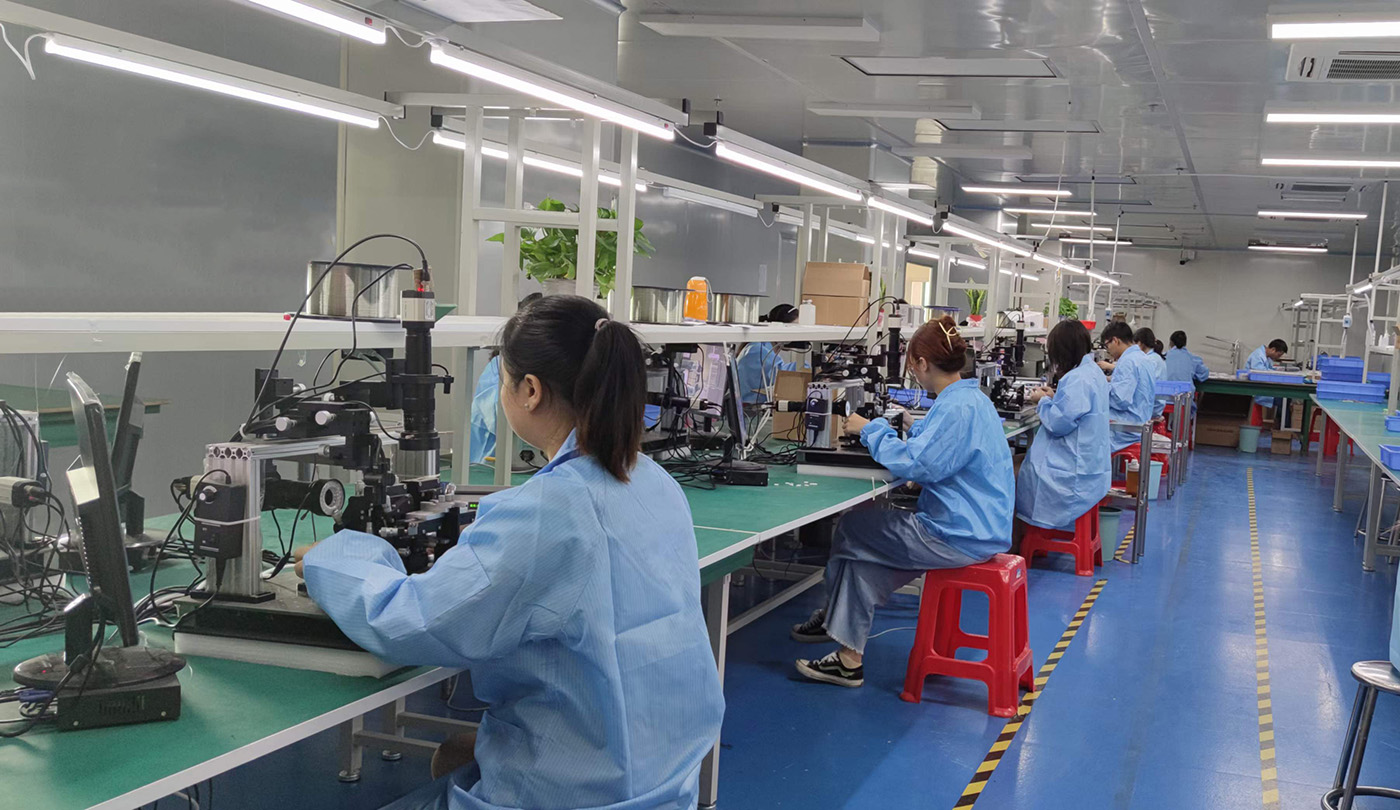
At Kocent Optec, we utilize highly automated alignment and assembly facilities. Every batch undergoes a series of strict quality checks:
A technological projection for IT infrastructure managers planning path upgrades from legacy architectures.
While 100G (QSFP28) and 400G configurations are dominant in core hyper-scaler environments, 40G (QSFP+) remains a highly cost-efficient standard for regional data processing sites, mid-market enterprise server clusters, and edge access terminals. Legacy switch infrastructure secures long-term cost benefits via 40G AOC retrofitting.
The integration of laser engines directly onto optical processing dies reduces heat generation and production complexity. Future AOC variations will feature lower latency and sub-watt energy profiles, lowering utility bills across high-density facilities.
OEM factories are designing assemblies with halogen-free jackets (LSZH) and easily recyclable copper-fiber composite structures, assisting global operators in fulfilling their corporate carbon neutrality goals.
Our OEM and ODM products satisfy the requirements of national telecom operators and complex enterprise networks.
With decades of sales and service experience, Kocent Optec has successfully deployed optical products to operators, system integrators, and value-added resellers in East Asia, Southeast Asia, the Middle East, Europe, the Americas, and Africa.
Crucial information to verify during technical feasibility analysis and commercial evaluations.
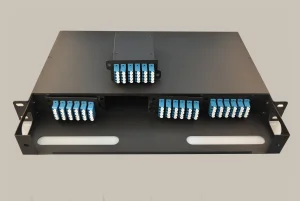
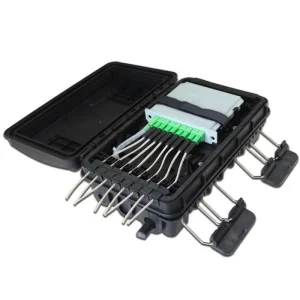
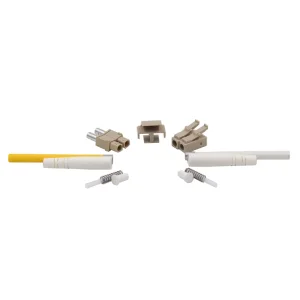
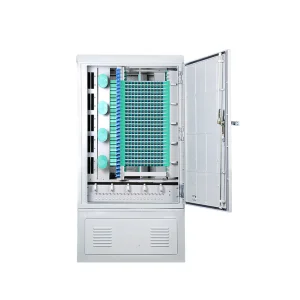
Explore passive breakout modules, fiber termination boxes, and active transceivers engineered by Kocent Optec.
 KOCENT OPTEC