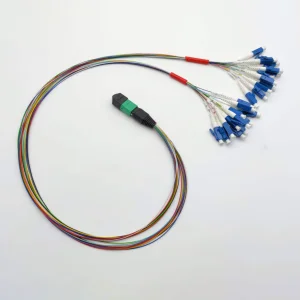
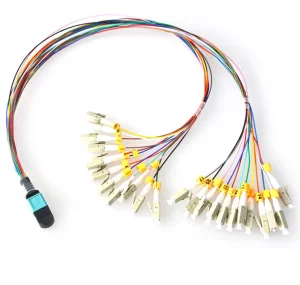
What is the difference between single-mode and multi-mode fiber optic cables?
Single-mode fiber optic cables feature a small light-carrying core (typically 9µm) that allows only a single pathway of light, making them ideal for long-distance transmissions. Multi-mode fibers have a larger core (50µm or 62.5µm) that allows multiple light pathways, which is suitable for shorter distances within buildings or campuses.
How far can fiber optic signals travel without degradation?
Single-mode fiber optic systems can transmit high-speed data over distances up to 40 kilometers or more without requiring signal repeaters. In contrast, multi-mode fiber systems are typically limited to distances up to 2 kilometers depending on the network speed and bandwidth requirements.
Why choose fiber optic cables over traditional copper cables?
Fiber optic cables offer significantly higher bandwidth, faster transmission rates, lower signal attenuation, and complete immunity to electromagnetic interference (EMI) and radio frequency interference (RFI). They are also thinner, lighter, and more secure.
What are the most common types of fiber optic connectors?
The most widely used connectors in the industry include the LC (Lucent Connector), SC (Subscriber Connector), ST (Straight Tip), and FC (Fiber Connector). LC and SC connectors are particularly popular in modern high-density networking environments.
How do you clean and maintain fiber optic connectors?
Fiber optic connectors must be kept clean to ensure optimal signal performance. Use specialized lint-free wipes, optical grade isopropyl alcohol, or dry cleaning tools specifically designed for fiber interfaces. Never touch the connector end-faces directly and always inspect them before connection.
 KOCENT OPTEC