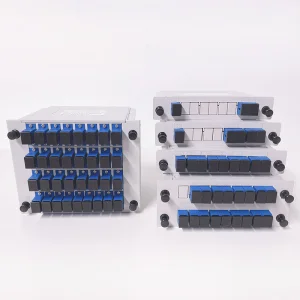
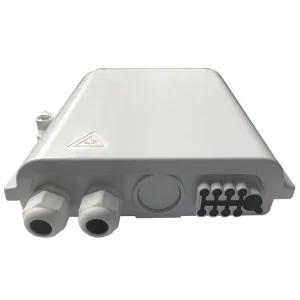
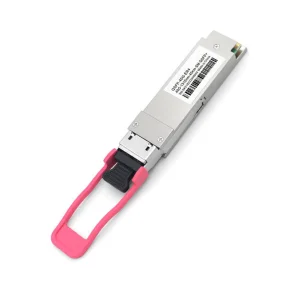
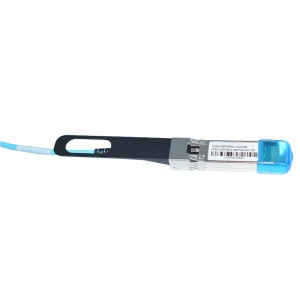
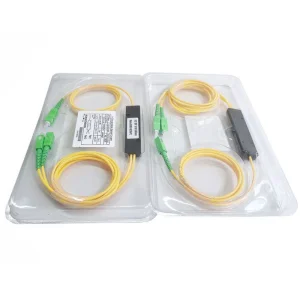
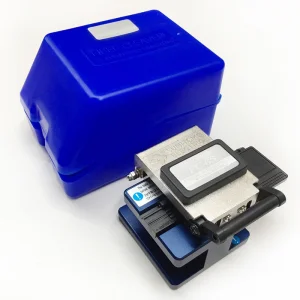
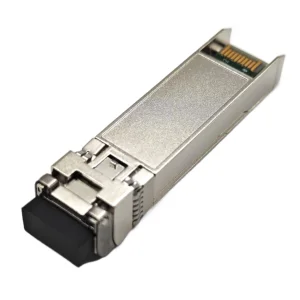
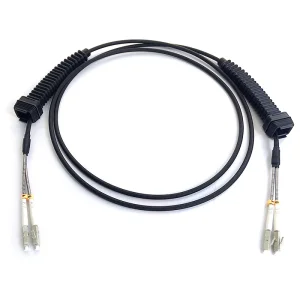
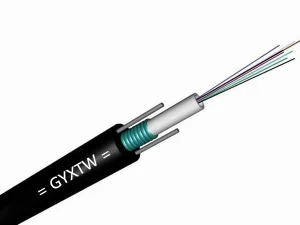
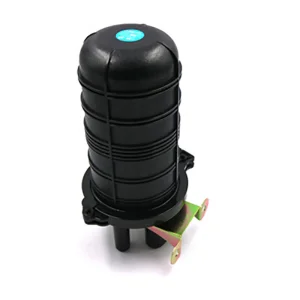
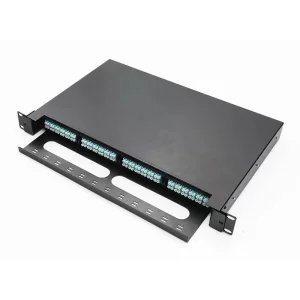
Explore our leading-edge active optical modules, passive splitters, enclosures, and high-density panels engineered for robust enterprise deployment.
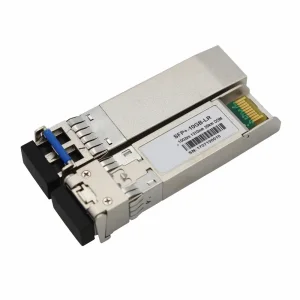
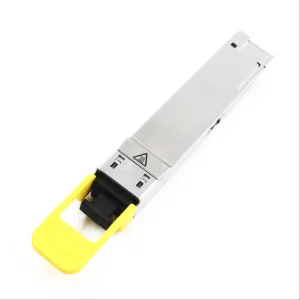
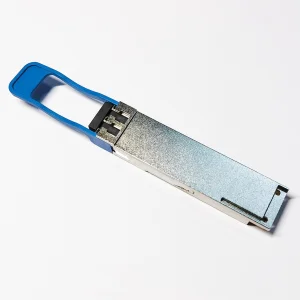
As deep learning arrays, edge IoT structures, and programmatic high-frequency processing networks reshape the data flow landscape, cloud architectures demand unparalleled density, reliable throughput, and lower cost-per-bit metrics. In this environment, the 100G QSFP28 (Quad Small Form-factor Pluggable 28) optical transceiver remains the workhorse of regional enterprise hubs, carrier access points, and hyper-scale cloud backbones.
Information Gain Insight: While ultra-high-speed interfaces such as 400G and 800G capture hardware design headlines, the physical layout complexity and operational power budget constraints make 100G QSFP28 the optimal, long-lifecycle solution for multi-service switches, regional routing, and local data transport networks globally.
Selecting the right OEM/ODM manufacturer is no longer just a purchasing decision—it is a strategic alignment. Operating out of Hong Kong and Mainland China, Kocent Optec Limited (established in 2012) bridges this gap. We combine technical innovation with scalable volume manufacturing to supply telecommunications operators and system integrators with standard-compliant, long-lasting hardware solutions.
A true enterprise-grade 100G QSFP28 transceiver is a marvel of optoelectronic integration. Standard configurations utilize four transmitter channels and four receiver channels. These channels operate via Non-Return-to-Zero (NRZ) modulation, which provides a clean physical lane implementation without the high power penalty and latency overhead associated with DSP-based PAM4 systems used at higher rates.
Utilizing high-end DFB (Distributed Feedback) and EML (Electro-absorption Modulated Lasers) coupled with PIN/APD photodetectors to ensure low BER (Bit Error Rate) and long reach up to 40km without amplification.
Fully compliant with SFF-8665, SFF-8636, and IEEE 802.3bm standards. Digital Diagnostics Monitoring (DDM/DOM) provides real-time tracking of laser power, voltage, temperature, and receiver sensitivity.
Engineered with customizable EEPROM firmware. Compatible with Cisco, Juniper, Arista, Huawei, Nokia, HP, and Dell architectures. Verified through on-site hardware simulation arrays.
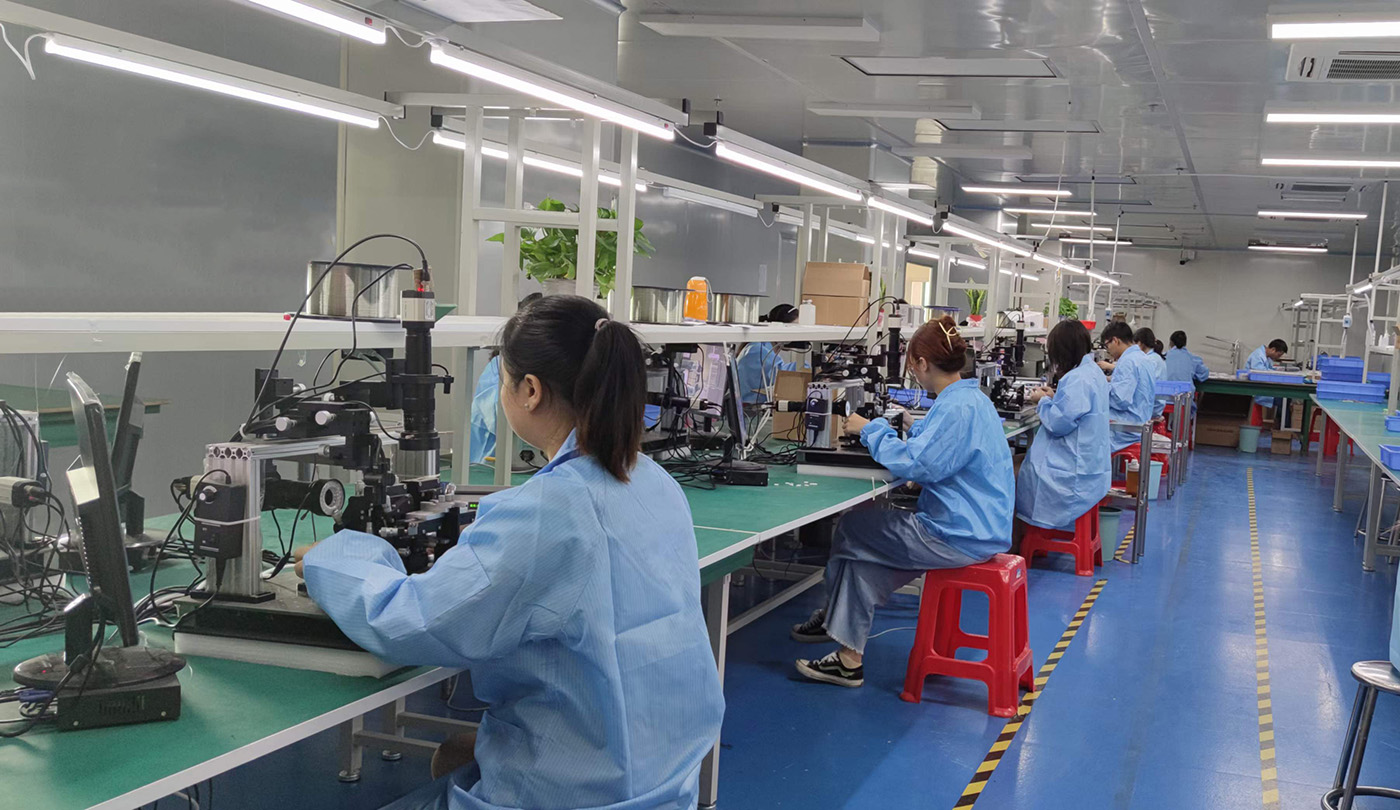
In the optical networking landscape, a standard off-the-shelf transceiver rarely meets the complex deployment needs of diverse network operating systems (NOS). Kocent Optec Limited, a leading high-tech communication enterprise founded in 2012 in Hong Kong, operates state-of-the-art manufacturing lines designed to address this challenge.
We do not just manufacture hardware; we deliver customized physical layer interconnects. By leveraging our extensive experience and excellent production capacity gained over the years, we magnify the outcome for our valuable customers, which ultimately expands their core competencies and helps them outperform competitors. We place emphasis on customer collaboration, and we define ourselves as your valuable partner in fiber optic connection solutions.
Our engineering services specialize in deep EEPROM configuration. This ensures that every shipped module is custom-coded and register-matched to simulate the signature configurations of major switch vendors, eliminating compatibility alarms and port lockouts.


Years of sales and service experience have enabled us to build partnerships across diverse global regions. Today, our products support networks in East Asia, Southeast Asia, the Middle East, Eastern Europe, Western Europe, Northern Europe, South America, North America, North Africa, and South Africa.
Win-win cooperation is our constant goal. Many of our OEM and ODM products have won Telecom Operator tenders and satisfy strict end-user requirements. Our terminal telecom operator partners include industry leaders such as: SingTel, Vodafone, America Movil, Telefonica, Bharti Airtel, Orange, Telenor, VimpelCom, TeliaSonera, Saudi Telecom, MTN, Viettel, Bitel, VNPT, Laos Telecom, MYTEL, Telkom, Telekom, Entel, FiberTel, StarFiber, Ooredoo, Beeline, and Azercell.
These operators require rigorous quality control standards, including Telcordia GR-468 reliability qualification testing, extreme temperature cycling, and continuous multi-device interoperability verification. By maintaining these strict standards, Kocent Optec ensures that our OEM 100G QSFP28 modules perform reliably under demanding global operational profiles.
With more than 13 years of experience in manufacturing telecommunication fiber optic products, we strictly follow fiber optic industry standards by using mature scientific methods to deliver your products on time and ensure that 100% of our products are tested and inspected before shipment.
Our testing matrix goes beyond basic optical output measurements. We implement comprehensive testing protocols that cover every stage of production:
As data centers transition from 100G architectures to 400G/800G structures, the layout of the physical layer is changing. For cloud operators and large enterprises, managing this transition cost-effectively requires a hybrid network design. 100G QSFP28 transceivers will continue to serve as a key interface for leaf switches and edge nodes, connecting back to higher-speed core routers and spine layers.
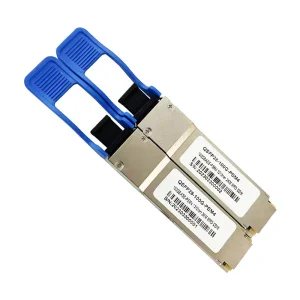
Our product lineup is built to support this transition. From custom 100G QSFP28 transceivers to 200G QSFP56 systems, 400G configurations, and high-density 800G OSFP modules, Kocent Optec offers a migration path that balances port density, power efficiency, and cost.
By using breakout configurations—such as 400G/100G breakout cables and active optical cables (AOCs)—operators can upgrade core switches while keeping their existing 100G server and leaf-switch interfaces active. This approach helps maximize hardware lifetime and improves the return on investment for optical infrastructure.
Technical and procurement answers designed for network architects, system engineers, and strategic OEM sourcing managers.
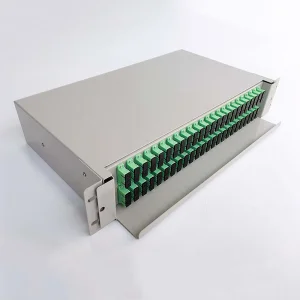
Integrate your active transceivers with our field-proven fiber splitters, terminating closures, panels, and distribution systems.
 KOCENT OPTEC