 KOCENT OPTEC

1. Global Enterprise Procurement Trends in 10G SFP+ Infrastructures
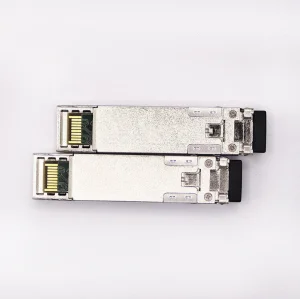
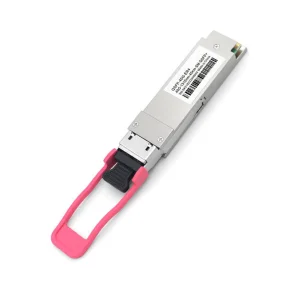
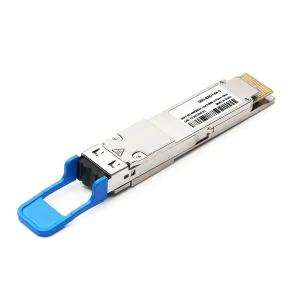
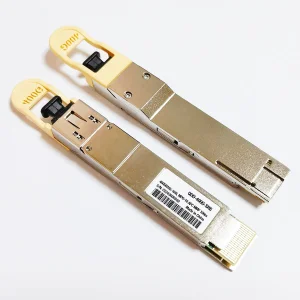
In the modern hyperscale cloud computing era, the global optical transceiver landscape is experiencing a foundational shift. While 100G, 400G, and 800G solutions capture industry headlines, the 10Gb SFP+ (Small Form-factor Pluggable Plus) portfolio remains the robust, foundational bedrock of enterprise and metropolitan access layer infrastructures. Organizations worldwide, ranging from Tier-1 telecommunication operators to corporate data networks, continue to run extensive optical architectures based on 10G systems. The economic logic is clear: mature hardware ecosystems, stable power envelopes, and a highly optimized Total Cost of Ownership (TCO).
For strategic procurement directors, procuring 10G SFP+ interfaces is no longer merely a matter of commoditized buying. It is a balancing act of system compatibility, thermal performance, jitter metrics, and physical supply chain resilience. Enterprises must deploy optical transceivers that comply seamlessly with Multi-Source Agreements (MSA) while maintaining rigorous system interoperability with legacy switches, firewalls, and routers. KOCENT OPTEC LIMITED provides hardware that matches these complex engineering requirements, offering a diversified suite of passive and active network termination systems designed for continuous operation.
2. Enterprise Profile: KOCENT OPTEC LIMITED
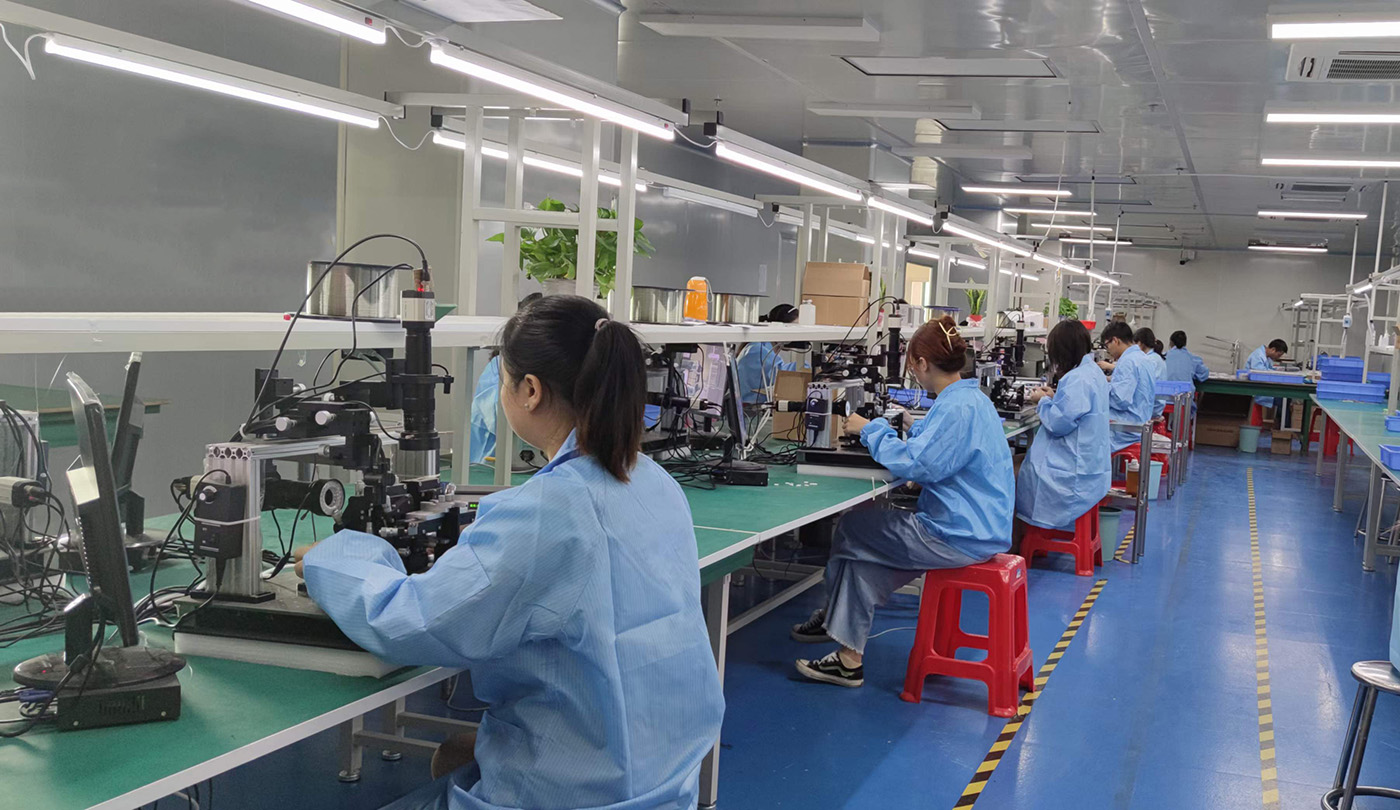
Established in 2012 in Hong Kong as a specialized high-tech communication enterprise, Kocent Optec Limited has emerged as one of China's premier manufacturers and turnkey solution providers of fiber optic termination products. We develop, engineer, and manufacture fiber optic communication systems that bridge the gap between active optical modules and passive cabling architectures. Our portfolio is carefully calibrated for enterprise networks, metropolitan area systems, and high-density colocation data centers.
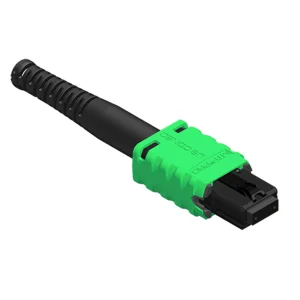
By leveraging our extensive engineering experience and deep manufacturing capacity developed over more than a decade, we enhance outcomes for our global client base, allowing them to optimize their physical layer budgets and outperform competitors. At KOCENT OPTEC, client collaboration is key. We function as a dedicated technology partner, matching high-speed optoelectronics with robust passive interconnect solutions, including MTP/MPO systems, multi-core patch cords, and fiber management cabinets.

3. Technical Specifications Matrix: 10G SFP+ Technologies
To assist infrastructure architects in choosing appropriate transceivers, the table below highlights standard transceiver types and their optimal applications:
| Standard | Wavelength (nm) | Fiber Type | Maximum Reach | Optimal Enterprise Application |
|---|---|---|---|---|
| 10GBASE-SR | 850nm | Multi-Mode (OM3/OM4) | 300m / 400m | Intra-rack, switch-to-switch data center links |
| 10GBASE-LR | 1310nm | Single-Mode (SMF) | 10km | Campus backbone networks, building interconnects |
| 10GBASE-ER | 1550nm | Single-Mode (SMF) | 40km | Metropolitan Area Networks (MAN), ISP backhaul |
| 10GBASE-ZR | 1550nm | Single-Mode (SMF) | 80km | Long-haul optical transmission, regional backbones |
| 10G BiDi (Bidirectional) | 1270nm-TX / 1330nm-RX | Single-Mode (SMF) | 10km - 80km | Single-strand fiber routing, fiber-constrained links |
4. Macro-Level Optical Infrastructure Solutions
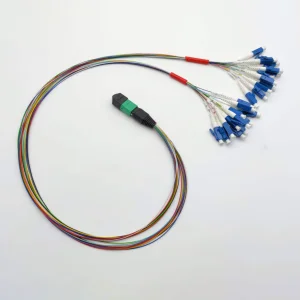
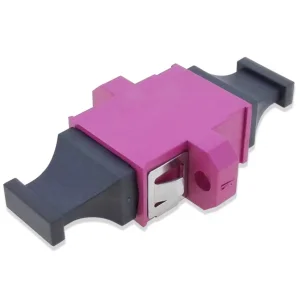
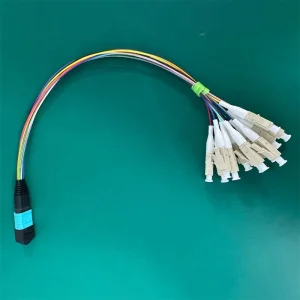
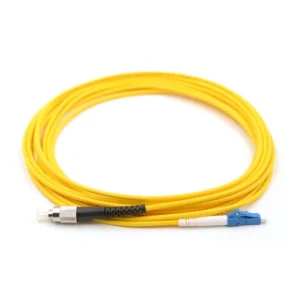
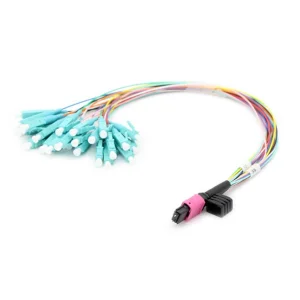
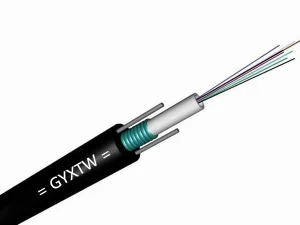
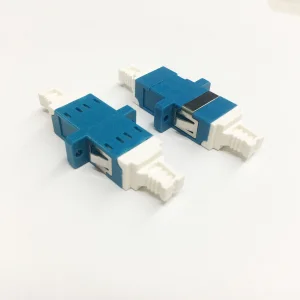
Optical infrastructure networks are scaling beyond basic point-to-point connections. Modern deployments leverage combined active transceivers and high-density passive cable structures to form modular networks. KOCENT OPTEC LIMITED specializes in providing both ends of this infrastructure equation. Our 10G SFP+ transceivers interface with high-density fiber patch panels, utilizing low-loss MTP/MPO fanouts and duplex adapters to minimize optical path attenuation.
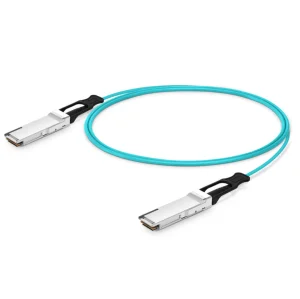
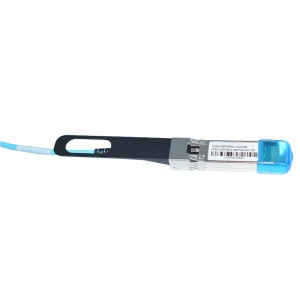
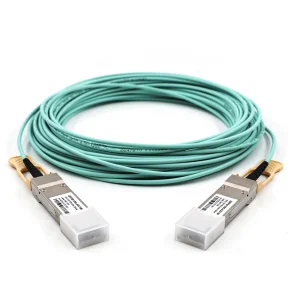
In high-density switches, physical space is limited. SFP+ active breakout cables (such as 40G QSFP+ to 4x 10G SFP+ Active Optical Cables) allow network designers to partition high-capacity core links down to standard 10G interfaces. This direct integration optimizes port utilization, improves airflow, and reduces cable complexity, helping to prevent the thermal overheating often associated with packed switches.

5. Scientific Quality Control & Testing Infrastructure
With more than 13 years of experience in manufacturing telecommunication fiber optic products, we strictly adhere to international standards (including IEEE 802.3ae, SFF-8431, and GR-326-CORE) by using mature scientific methods. We guarantee that 100% of our products undergo thorough inspection and testing before shipment.
Our Quality Assurance process includes:
- Optical Eye Diagram Analysis: Verification of laser transmitter speed and signal integrity.
- Insertion and Return Loss Measurements: Tested using high-precision optical time-domain reflectometers (OTDR).
- Network Switch Interoperability: Verification of EEPROM coding to ensure compatibility with major OEM brands, preventing port errors.
- Thermal Cycling: Testing under simulated environmental extremes to guarantee operational reliability over industrial temperature ranges (-40°C to +85°C).
6. Technology Roadmap & Future Outlook (10G to 800G)
The speed of optical interfaces continues to accelerate. As data center architectures shift from classic 3-tier topologies to modern leaf-spine models, the demand for bandwidth is climbing. The logical upgrade pathway from 10G SFP+ leads directly to 25G SFP28 and 100G QSFP28 interfaces, eventually scaling to 400G and 800G QSFP-DD form factors. KOCENT OPTEC's engineering team maintains a structured technology roadmap to support this evolution. By implementing PAM4 encoding and coherent optical modulation, we supply modern hyperscale data centers with high-capacity links while maintaining backward compatibility with legacy 10G infrastructure.
7. Global Footprint & Carrier Interoperability
Years of sales, engineering, and support experience have enabled us to build partnerships across various global markets. Today, KOCENT OPTEC supports enterprise operations and telecom infrastructures throughout East Asia, Southeast Asia, the Middle East, Eastern Europe, Western Europe, Northern Europe, South America, North America, North Africa, and South Africa.
Our OEM and ODM optical transceivers and passive products are regularly deployed in telecom operator tenders and end-user network builds. Our products interface with networks managed by major global telecommunications operators, including: