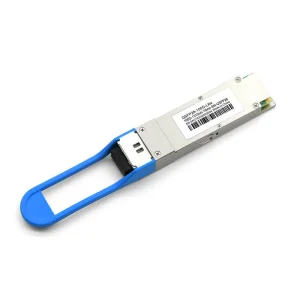
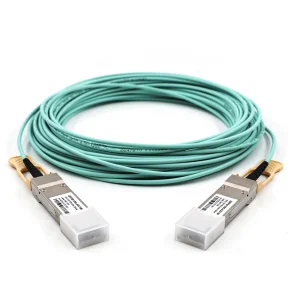
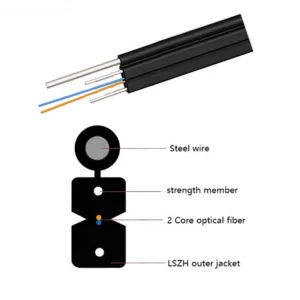
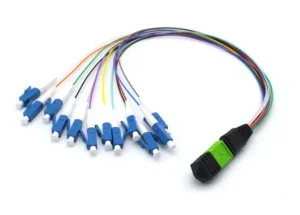
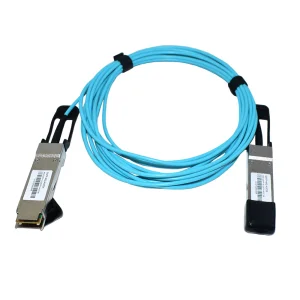
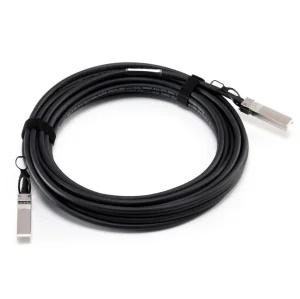
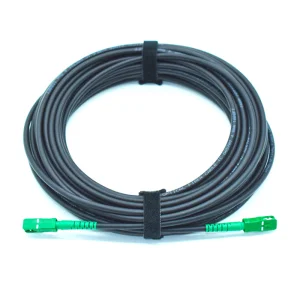
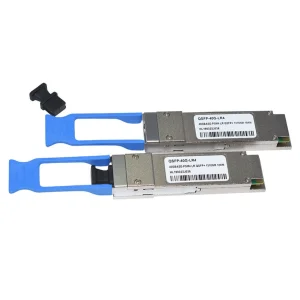
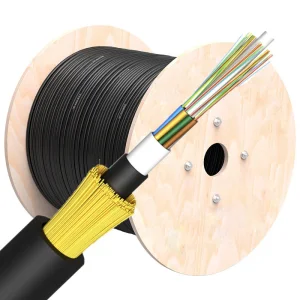
Explore our high-performance optical transceivers, active cables, and structural distribution systems
Bridging optical speed with legacy and modern copper structured cabling systems.
As modern enterprise networks process ever-increasing volumes of data generated by cloud services, high-performance computing, and enterprise workloads, the demand for 10Gbps transmission speeds has expanded from core switching layers directly to edge devices and access networks. At the heart of this deployment flexibility sits the 10G SFP+ to RJ45 transceiver.
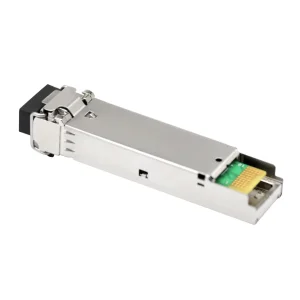
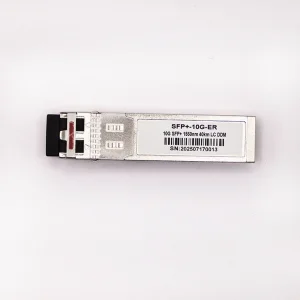
Historically, transitioning from traditional 1Gbps copper networks to high-performance 10Gbps setups required either expensive multi-mode optical infrastructure (with fiber patching) or strict Direct Attach Copper (DAC) cabling limitations within adjacent server racks. SFP+ to RJ45 transceiver modules (also known as 10GBASE-T transceivers) offer an elegant, cost-effective hybrid alternative. They convert standard SFP+ optical ports into RJ45-terminated copper links, enabling seamless connectivity across existing Cat6A or Cat7 copper cabling infrastructure up to distances of 30 meters (and in newer low-power models, up to 80 meters).
From a procurement perspective, integrating SFP+ to RJ45 adapters allows network architects to preserve massive legacy capital expenditures on copper cable routing while simultaneously upgrading their switching fabrics and storage area networks (SAN) to modern 10G standards.
Deploying SFP+ copper modules requires a deep understanding of thermal mechanics. Typical optical transceivers (like SR or LR variants) require under 1.0W of power, whereas legacy SFP+ to RJ45 modules could consume upwards of 2.5W. This elevated power profile results in increased localized heat dissipation within switches, which can lead to thermal throttling or premature port failure.
High-quality manufacturers like Kocent Optec Limited address this challenge by utilizing advanced PHY (Physical Layer) chipsets optimized for low power draw (typically keeping the power consumption under 1.8W). This allows systems engineers to populate adjacent ports without compromising operational thermal envelopes, achieving high port density and stable link performance under sustained data loads.
How global enterprises are deploying SFP+ RJ45 modules to balance scalability, budget, and compliance
Enables Top-of-Rack (ToR) and End-of-Row (EoR) aggregation switches to link with legacy copper servers and Network Attached Storage (NAS) units. Cuts overall project costs up to 40% compared to full-scale optical fiber transitions.
Supports modern corporate environments moving toward high-density Wi-Fi 6E/7 installations. Integrates seamlessly into access points requiring 2.5G/5G/10G interfaces over standard structural copper cabling.
Provides electromagnetic interference (EMI) resilient copper termination in ruggedized server cabinets where direct optical fiber splicing is cost-prohibitive or structurally vulnerable to mechanical movements.
One of the primary friction points in global enterprise procurement is manufacturer system lock-in. Original equipment vendors (such as Cisco, Juniper, and HPE) configure their OS to warn against, or completely disable, third-party SFP+ modules via strict EEPROM validation checks. Sourcing premium transceivers with custom-programmed microchips bypassed this challenge.
At Kocent Optec Limited, we design our transceivers in full compliance with Multi-Source Agreements (MSA). Using state-of-the-art diagnostic programming stations, each batch of SFP+ to RJ45 units is coded and verified directly inside native vendor switches, preventing compatibility warnings and ensuring continuous Digital Diagnostic Monitoring (DDM/DOM) data visibility for network engineers.
Meet KOCENT OPTEC LIMITED - China's leading fiber optic termination product manufacturer
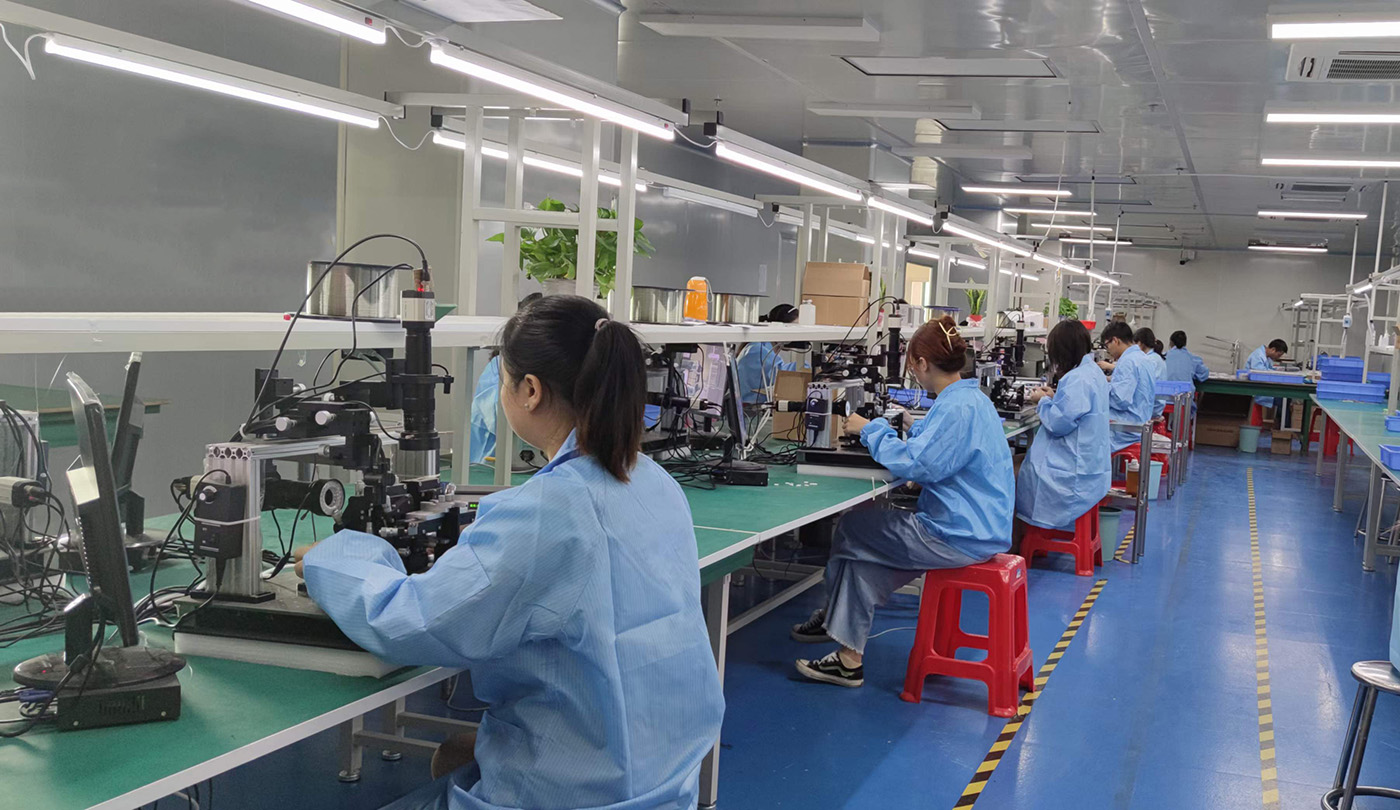
Establish in 2012 in Hongkong as a hi-tech communication enterprise, Kocent Optec Limited is one of China's leading fiber optic termination product manufacturer and solution provider.
We're dedicated to developing and manufacturing fiber optic communication products ranging from passive to active categories for telecommunication networks, enterprise networks and data centers.
By leveraging our extensive experience and excellent production capacity we gained over the years, we magnify the outcome for our valuable customers, which ultimately expands their core competencies and helps them outperform competitors. We place emphasis on customer collaboration, and we define ourselves as your valuable partner in fiber optic connection solutions. We believe our differentiators are your perceived advantages.
With more than 13 years of experience in manufacturing telecommunication fiber optic products, we follow strictly fiber optic industry standards by using mature scientific methods to deliver your products on time and ensure that 100% products are tested and inspected before shipment.


Years of sales and service experience have enabled us to win customers from different regions. Today, we have customers from East Asia, Southeast Asia, Middle East, Eastern Europe, Western Europe, Northern Europe, South America, North America, North Africa, and South Africa.
Win-win cooperation is our constant goal. Many our OEM and ODM products won the Telecom Operator tender and satisfy end-user request.
Our main terminal telecom operators include:
Understanding path speeds, physical limits, and upcoming technology shifts
As enterprises scale past the 10G barrier, network engineering must balance technological advancement with cost constraints. The industry is currently exploring the progression to 25GBASE-T and 40GBASE-T architectures. However, these higher frequencies present significant physics challenges concerning copper line attenuation and high power requirements over distances exceeding 30 meters.
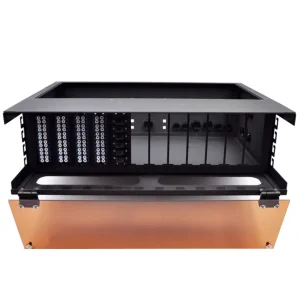
For high-density leaf-spine fabrics, single-mode fiber (SMF) or multi-mode fiber (MMF) solutions (utilizing high-density optical fiber MTP/MPO chassis and patch panels) remain the gold standard due to their near-infinite bandwidth potential and low latency. However, for local interconnects and edge networks, copper maintains its cost advantage.
Deploying SFP+ to RJ45 converters allows network operators to use a unified switch interface profile. Rather than choosing between copper-only or optical-only platforms, engineers can source generic SFP+ switches and select modules dynamically according to structural demands. This modular architecture future-proofs current hardware and reduces inventory complexity.
Ensuring link availability requires compliance with international regulatory and quality frameworks. Premium 10G SFP+ to RJ45 modules are manufactured and calibrated under strict process certifications:
Insights directly from our senior optical and hardware engineering departments
For standard 10Gbps transmission, the maximum distance is typically 30 meters over Category 6A or Category 7 shielded twisted pair (STP) cabling. Over Category 6 cabling, structural crosstalk issues generally limit reliable 10G transmission to 10 meters. For links requiring up to 100 meters, the transceiver can auto-negotiate to lower speeds, such as 5G, 2.5G, or 1G.
Older SFP+ to RJ45 modules can consume up to 2.5 Watts, creating localized heat zones. Using newer, low-power PHY chips (1.6W to 1.8W) helps keep temperature profiles stable. To prevent thermal build-up, it is recommended to populate SFP+ RJ45 modules in alternating patterns with optical modules or passive DAC cables.
Yes. By programming specific EEPROM configuration files at the factory, we make the transceivers fully compatible with major vendors like Cisco, Arista, Ubiquiti, Juniper, HPE, and others. This avoids port lockdown or software warning flags.
Cat5e is not recommended for 10Gbps transmission due to high insertion loss and crosstalk issues. For reliable 10G link performance, Category 6A (shielded) or Category 7 cabling is required.
Explore our outdoor distribution cables, passive transceivers, and hybrid high-density infrastructure products
 KOCENT OPTEC