Premium SFP transceivers, high-density MPO systems, and optical fiber patch cords engineered to exceed MSA and Telcordia specifications.
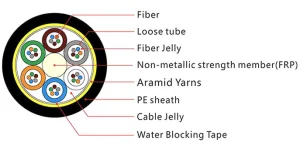
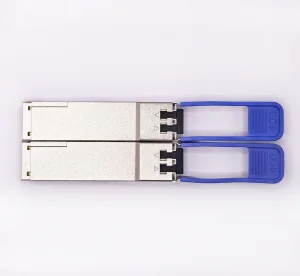

Analyzing physical layers, transmission characteristics, and compliance standards for extended-reach optical data systems.
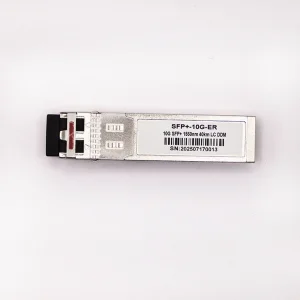
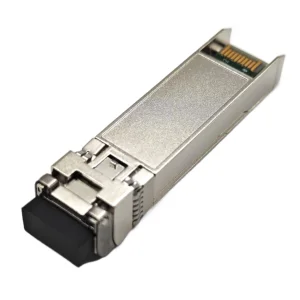
Utilizes advanced Electro-absorption Modulated Lasers (EML) configured at 1550nm to minimize fiber attenuation (typical 0.2dB/km) across Single-Mode Fiber (SMF).
Specifically engineered with High-Sensitivity APD (Avalanche Photodiode) receivers to sustain an optical power budget of 15dB over dispersion-challenged SMF links up to 40km.
Fully compliant with SFF-8431 and SFF-8472 agreements, presenting critical real-time diagnostics via Digital Diagnostic Monitoring (DDM/DOM).
While standard 10G LR (Long Reach) optical transceivers operate on the 1310nm window and are limited to a nominal maximum link distance of 10km, metropolitan and campus edge interconnectivity demands longer paths. The 10G SFP+ ER (Extended Reach) modules solve this constraint. By deploying a 1550nm EML transmitter combined with a high-sensitivity APD receiver, these modules bridge distances up to 40km. This avoids the requirement for costly inline optical amplifiers or intermediate regeneration nodes, dramatically lowering CapEx and OpEx for network operators.
| Parameter Type | Standard 10G LR SFP+ (1310nm) | Industrial 10G ER SFP+ (1550nm) | High-Distance ZR SFP+ (1550nm) |
|---|---|---|---|
| Target Reach | Up to 10 km | Up to 40 km | Up to 80 km |
| Transmitter Laser Type | DFB (Distributed Feedback) | EML (Electro-absorption Modulated) | Cooled EML / Coherent |
| Receiver Type | PIN Photodiode | APD (Avalanche Photodiode) | High-Sensitivity APD |
| Min. Optical Power Budget | 6.0 dB to 8.5 dB | 15.0 dB | 23.0 dB |
| Fiber Attenuation (Average) | 0.35 dB/km @ 1310nm | 0.22 dB/km @ 1550nm | 0.22 dB/km @ 1550nm |
How telecommunications providers and hyper-scale operators construct modern, high-speed backbone systems using extended-reach transceivers.
Telecom backhaul systems route high-volume voice and data traffic from cellular towers to the central core exchange. By utilizing 10G ER SFP+ modules, carrier grade connectivity is achieved over large suburban loops without optical repeaters, keeping packet latency and bit error rates extremely low.
For cloud providers and financial enterprises operating multiple geographically dispersed data centers, the 10G ER transceiver ensures secure, ultra-reliable active-active backups and high-speed multi-gigabit trunking between distant edge switches.
Modern electrical grids rely on deterministic fiber rings for substation monitoring (SCADA) and automation protection. In high-interference environments, single-mode fiber links powered by 10G ER modules provide electromagnetic immunity and the resilience required for rural loop setups.
Extended-reach transceivers play a vital role in passive optical network (PON) architecture, aggregating signals from optical line terminals (OLT) located in remote municipalities back to metro central offices over distances exceeding 30km.
Established in 2012 in Hong Kong as a high-tech communication enterprise, Kocent Optec Limited is one of China's premier fiber optic termination product manufacturers and solution providers.
We are dedicated to developing and manufacturing a comprehensive range of fiber optic communication products, spanning passive to active categories, designed for telecommunication networks, enterprise networks, and data centers.
By leveraging our extensive engineering experience and optimized production capacity accumulated over the years, we amplify the outcome for our valued customers. This expands their core competencies and enables them to consistently outperform competitors. We place emphasis on close collaboration, defining ourselves as a partner in fiber optic connection solutions.
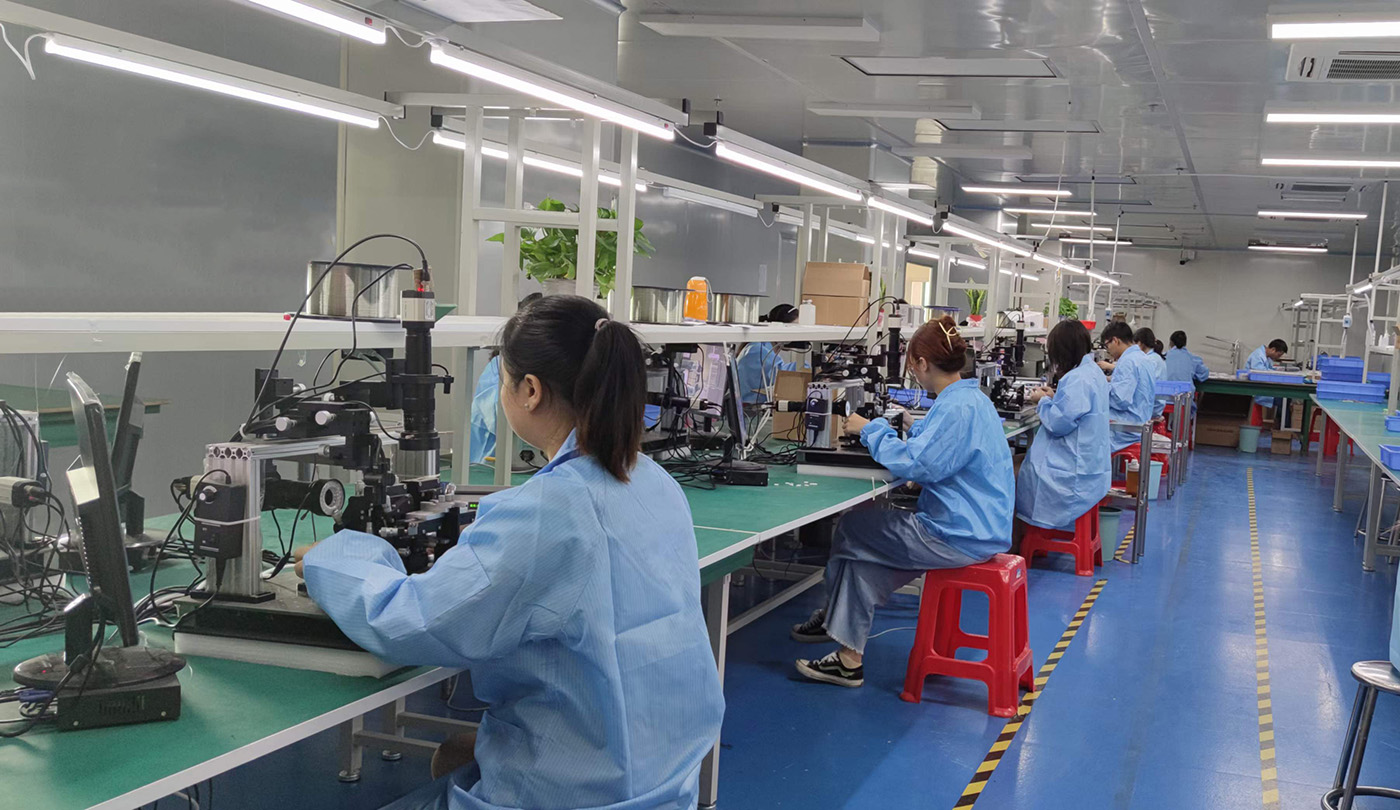
With more than 13 years of expertise in manufacturing telecommunication fiber optic products, we strictly adhere to international fiber industry standards. Using mature scientific processes, we guarantee on-time delivery and ensure that 100% of our products are thoroughly tested and inspected prior to shipment.

Years of sales and service experience have enabled us to build partnerships across various global territories. Today, we proudly serve customers throughout East Asia, Southeast Asia, the Middle East, Eastern Europe, Western Europe, Northern Europe, South America, North America, North Africa, and South Africa.
Win-win cooperation remains our guiding principle. Many of our OEM and ODM products have successfully won Telecom Operator tenders and satisfy strict end-user requirements.
Our modules and passive networks are verified, coded, and deployed across major global systems including:

Understanding the variables that influence pricing structures, bulk discounts, and long-term procurement budgets.
When evaluating the pricelist of a China 10G ER SFP+ manufacturer, purchasers should analyze several key components that influence pricing beyond the base hardware. Understanding these factors ensures reliable network performance and optimized budgets:
The technological shift from 10G architectures toward higher density, low-power optical links.
As bandwidth requirements expand, network architectures are shifting from 10G networks toward 25G, 100G, and coherent 400G configurations. However, 10G SFP+ ER remains a critical, highly stable solution for long-range enterprise deployments and municipal utilities. The roadmap for this technology focuses on three main developments:
Expert answers addressing compatibility, hardware installation, and physical fiber deployment of 10G SFP+ ER modules.
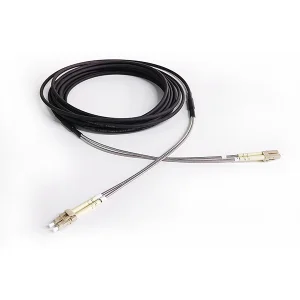
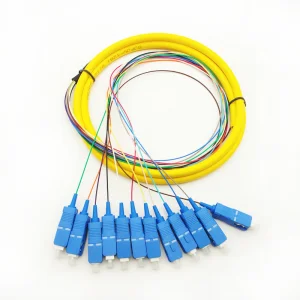
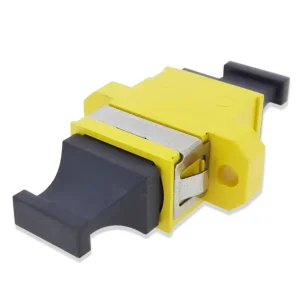
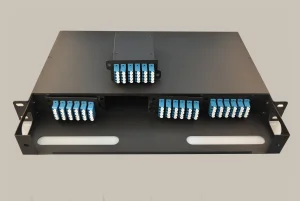
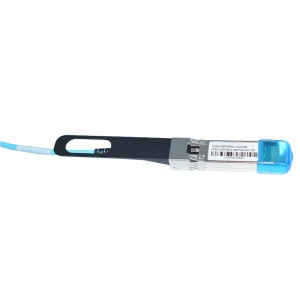
Explore our single-mode cabling, high-density patch panels, and adapters designed for complex optical distributions.
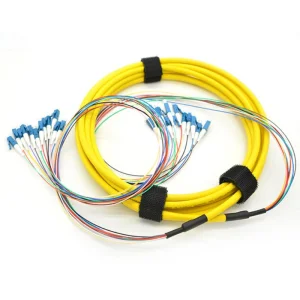
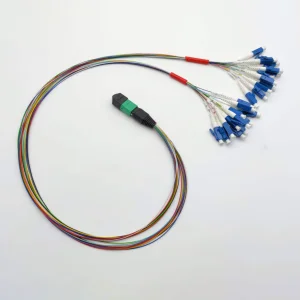
![ODM [SENKO] Optical Fiber MPO-PLUS Mutimode Aqua Color Connector Housing](https://site.cdnfile.io/bb9ef4f37853297884c815b5d6cf2132300_300.webp)
 KOCENT OPTEC