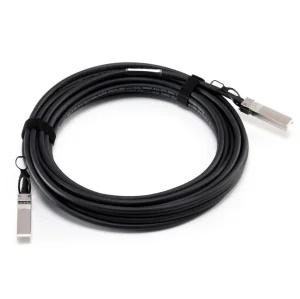
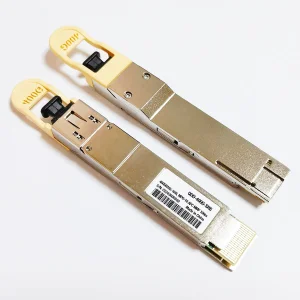
Deploying reliable, 100% compatible Direct Attach Copper breakout systems engineered for ultra-low latency top-of-rack deployments.
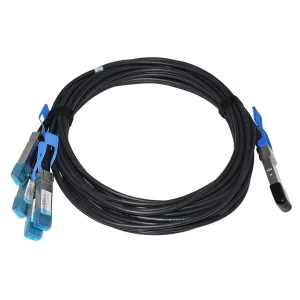
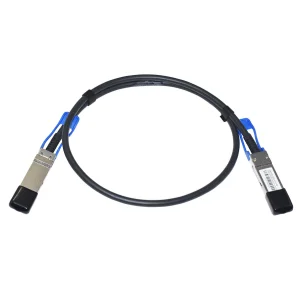
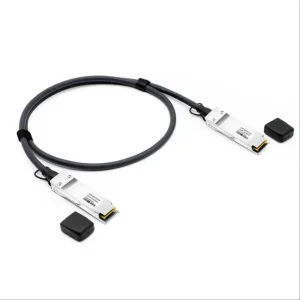
Japan’s high-speed communications landscape is undergoing a massive transformation. Driven by the rapid growth of hyperscale data centers in the Kanto (Tokyo/Chiba) and Kansai (Osaka/Kyoto) regions, demands for high-performance active optical cables (AOC) and direct attach copper cables (DAC) have reached unprecedented levels. The rise of generative AI compute clusters, high-frequency trading (HFT) platforms on the Tokyo Stock Exchange, and green datacenter mandates set by the Ministry of Economy, Trade and Industry (METI) require interconnect systems that offer zero packet loss, ultra-low power consumption, and optimal signal integrity.
As networks transition from legacy 10G/40G configurations to advanced 100G, 200G, 400G, and next-generation 800G architectures, select components must guarantee absolute stability. In Japan's highly space-constrained and seismically active metropolitan centers, high rack densities are critical. Passive and Active Direct Attach Cables provide the precise solution, eliminating active transceivers to reduce power footprints and optimize thermal flow inside dense rack enclosures.
Years of Telecommunication R&D
Interferometer & BERT Tested
Field Return Rate (RMA)
Global Telecom Operators Served
Analyzing the performance metrics and architectural design changes shaping the next decade of Japan’s enterprise interconnects.
Passive Direct Attach Copper (DAC) cables leverage twinaxial copper lines to transmit electrical signals directly from host-to-host without conversion. Operative range spans from 0.5 meters to 5 meters. Using high-grade 30AWG to 26AWG silver-plated conductors, these systems achieve ultra-low insertion loss. Perfect for short-range Top-of-Rack (ToR) switch-to-server interconnects where zero power draw is critical.
Active Optical Cables (AOC) convert electrical signals into optical signals at the connectors via VCSEL (Vertical-Cavity Surface-Emitting Laser) transmitters operating at 850nm over multimode fiber (OM3/OM4/OM5). AOCs offer transmission spans up to 100 meters, eliminating EMI (Electromagnetic Interference) entirely. Highly flexible and lightweight, they are ideal for high-density end-of-row (EoR) and middle-of-row (MoR) network structures.
As SerDes speeds transition from 56G to 112G and 224G per lane, the optical industry is advancing toward CPO (Co-Packaged Optics) and LPO (Linear Drive Pluggable Optics). These paradigms reduce host ASIC power consumption and thermal load by removing DSP chips from the pluggable transceivers. We are actively engineering next-gen configurations for 800G OSFP/QSFP-DD to align with future AI workloads in Japan.
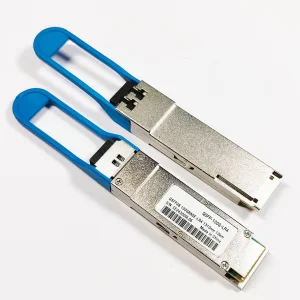
Deploy high-bandwidth systems featuring robust compatibility with Cisco, Arista, Juniper, and other major OEM platforms.
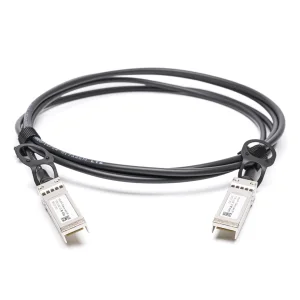
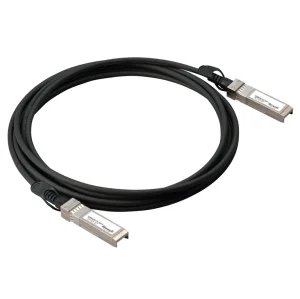
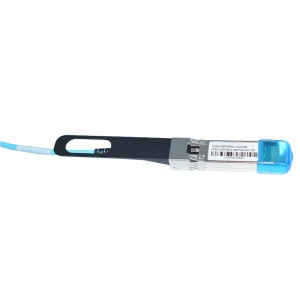
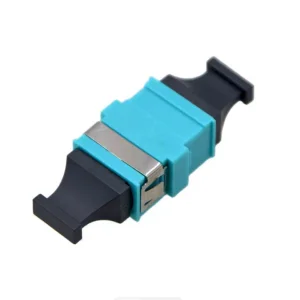
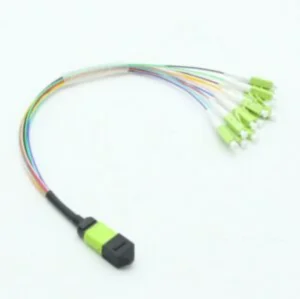
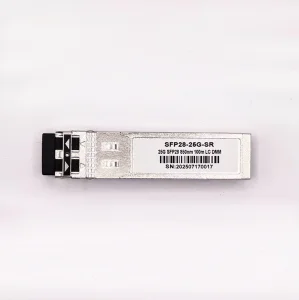
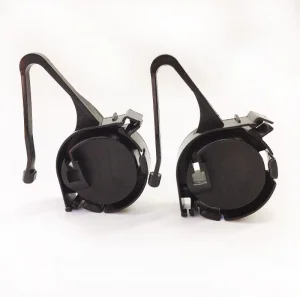
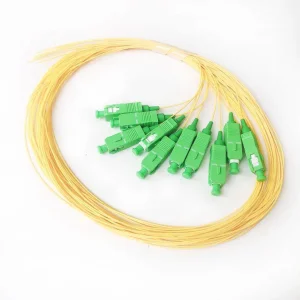
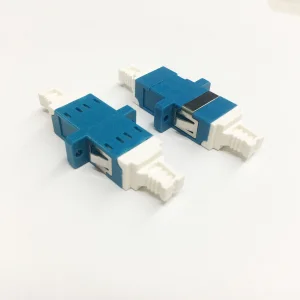
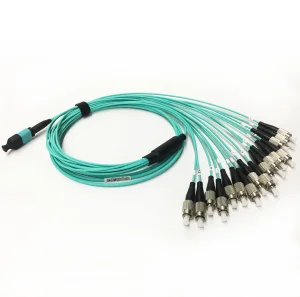
Ensuring complete ecosystem continuity with carrier-grade couplers, fiber adapters, and deployment accessories.
At our state-of-the-art China manufacturing facilities, Kocent Optec Limited operates under the highest international benchmarks. Our production floors feature Industry 4.0 automation systems, including high-precision fiber termination, automated core alignment, and real-time environment-controlled dustless assembly bays (Class 10,000 cleanrooms). By controlling production under one roof, we eliminate intermediate supply chain delays and ensure every product delivers optimal electrical and optical continuity.
Quality assurance is paramount. We follow strict fiber optic industry standards by using mature scientific methods to deliver your products on time and ensure that 100% of products are tested and inspected before shipment. Our testing protocol includes:

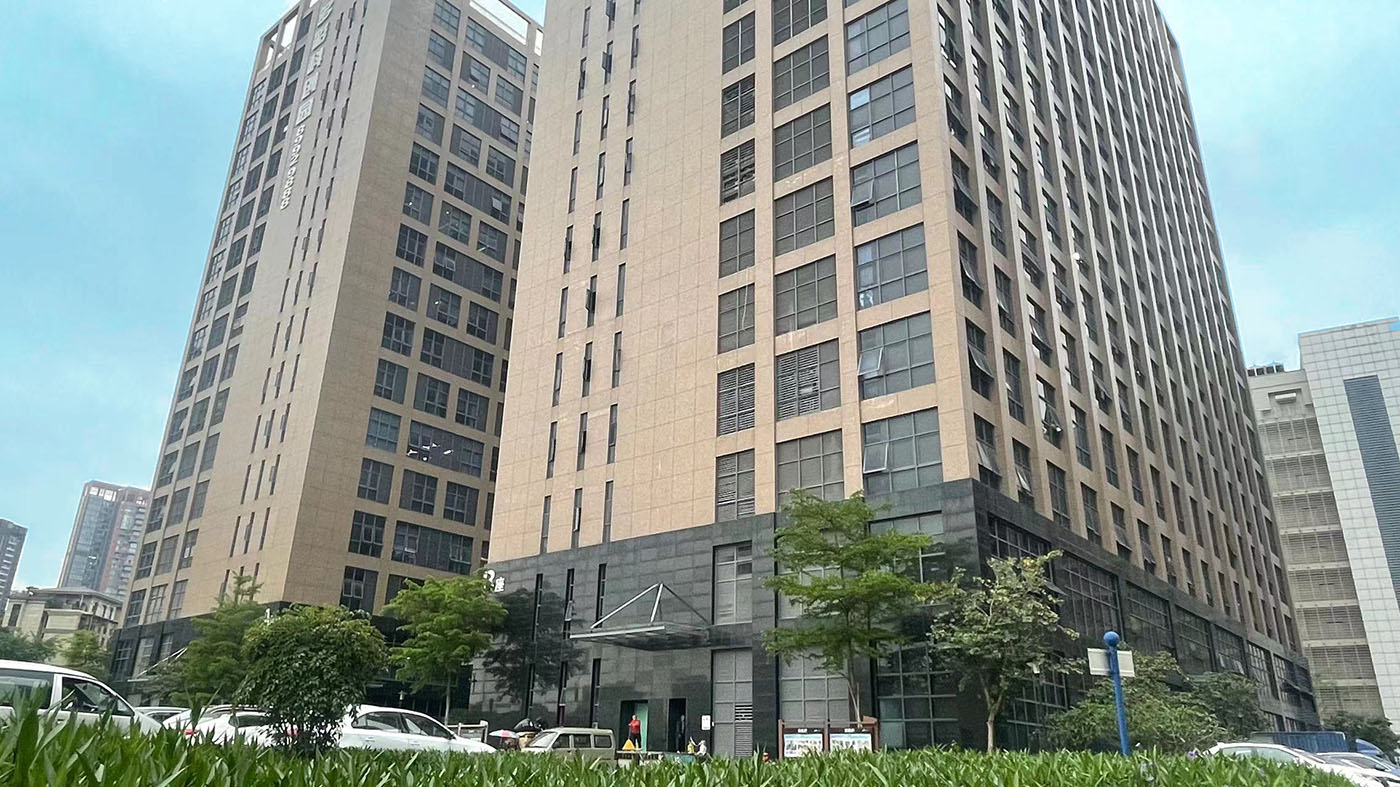
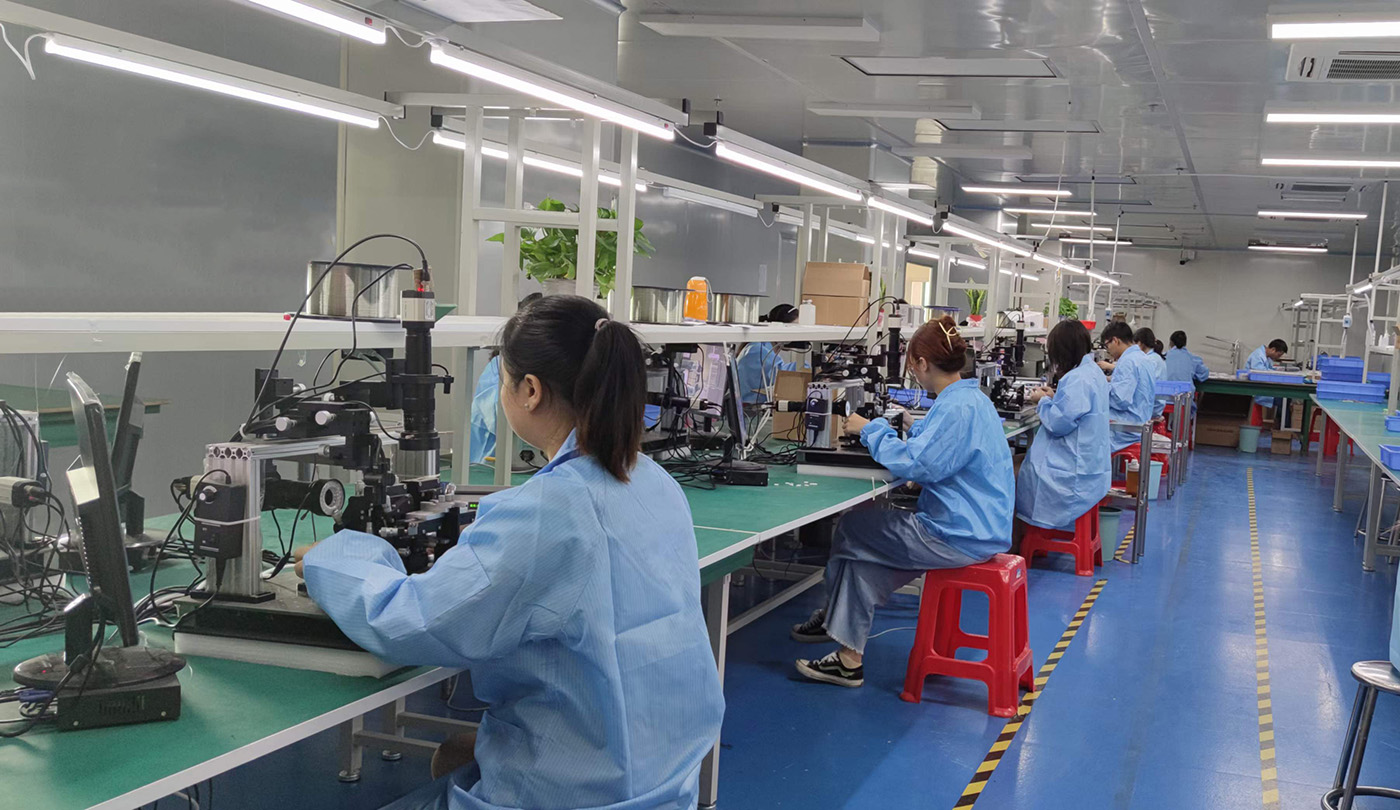
Established in 2012 in Hong Kong as a high-tech communication enterprise, Kocent Optec Limited has grown to become one of China's leading fiber optic termination product manufacturers and solution providers. We are dedicated to developing and manufacturing fiber optic communication products ranging from passive to active categories for telecommunication networks, enterprise networks, and high-performance computing data centers.
By leveraging our extensive experience and excellent production capacity gained over the years, we magnify the outcomes for our valuable customers. This partnership ultimately expands their core competencies and helps them outperform competitors. We place great emphasis on client collaboration, defining ourselves as a reliable technology partner in fiber optic connection solutions. We believe our differentiators translate directly into your distinct competitive advantages.
Our sales and service experience has enabled us to win customers across East Asia, Southeast Asia, the Middle East, Eastern Europe, Western Europe, Northern Europe, South America, North America, North Africa, and South Africa. Win-win cooperation is our constant goal. Many of our OEM and ODM products have secured telecom operator tenders and consistently meet demanding end-user requirements.
Entering the Japanese business landscape requires strict adherence to technical and environmental standards. Unlike other regional markets, Japan’s engineering teams apply meticulous scrutiny to physical components. Kocent Optec ensures all shipments destined for Yokohama, Tokyo, and Osaka conform to local regulatory and operational requirements:
All active assemblies (including Active Optical Cables and transceivers) comply with Japan’s Radio Act and Telecommunications Business Act. These components undergo thorough verification to ensure zero electromagnetic interference with local public carrier bands.
Our DAC and AOC shielding mechanisms satisfy the requirements of the Voluntary Control Council for Interference (VCCI) Class B limits. This design guarantees low EMI radiation profiles, protecting adjacent data lines inside tight server cabinets.
To support Japan's Carbon Neutrality by 2050 target, our cables use lead-free, LSZH (Low Smoke Zero Halogen) jackets. Every component complies with European RoHS and local Japanese green procurement standards, minimizing the footprint of your operations.
Essential insights on active optical cables, passive copper, and high-frequency interconnect systems for Japanese data center teams.
The main differences center on cost, transmission range, power usage, and weight. Passive DACs contain no active electronics, consume zero power, and are extremely cost-effective. However, they are heavy and limited to lengths under 5 meters. AOCs use optical fibers and active transceivers to convert electrical signals to light. This design permits transmission lengths up to 100 meters. AOCs are lighter and offer greater flexibility, though they require a small power budget (typically 1W to 2.5W per end) and carry a higher price point.
Every active optical and copper cable undergoes custom EEPROM coding in our lab. We load target switch firmware onto the transceivers and verify that the host device reads all DDM (Digital Diagnostics Monitoring) parameters, such as voltage, optical power, and temperature, without triggering alarm flags. This process ensures seamless integration and prevents link failure upon installation.
Shipments destined for Japanese operators and systems integrators must meet VCCI standards for electromagnetic interference, RoHS directives for hazardous materials, and TELEC/JATE criteria for radio and optical emissions. Kocent Optec provides comprehensive certification documentation and custom packaging to facilitate smooth customs clearance at Tokyo and Osaka ports.
Low Smoke Zero Halogen (LSZH) cable jackets are critical for Japanese facilities due to high density and seismic considerations. In the event of a fire, standard PVC jackets release toxic, highly corrosive halogens that damage hardware and pose severe risks to personnel. LSZH cables emit minimal smoke and zero halogens, safeguarding both equipment and safety.
Standard production cycles range between 1 to 2 weeks, depending on batch sizes and coding requirements. By leveraging our direct factories in mainland China and our corporate logistics hub in Hong Kong, we offer expedited shipping routes to Narita, Haneda, and Kansai airports, ensuring your project timelines are met.
Reach out to our engineering support team for detailed specifications, compatibility validation matrices, or to request custom evaluation samples for the Japan market.
 KOCENT OPTEC