High-reliability, ultra-low latency optical link solutions engineered to sustain critical high-bandwidth workloads.
Norway has emerged as a premier European hub for hyperscale, colocation, and edge data center facilities. Powered by 100% renewable hydroelectric and wind energy, and cooled by natural sub-zero fjords and alpine air currents, centers like Green Mountain, Lefdal Mine Datacenter, and Bulk Infrastructure are attracting massive international workloads. In these high-performance environments, energy efficiency and physical space density are primary operational metrics.
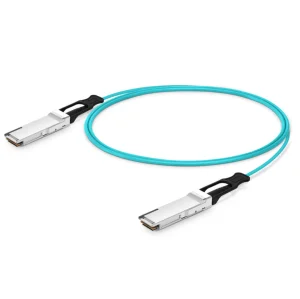
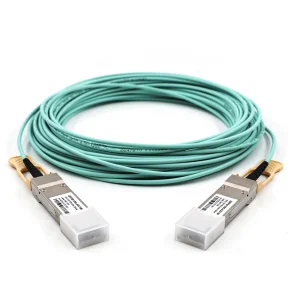
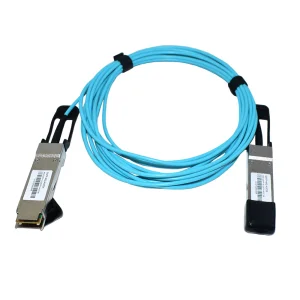
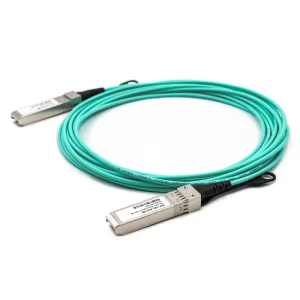
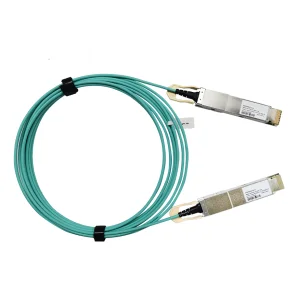
This clean tech paradigm demands highly efficient interconnection options. Direct Attach Copper (DAC) cables hit their physics-based limits above 10Gbps or at distances exceeding 3 to 5 meters due to bulkiness, weight, and signal degradation. Conversely, discrete optical transceivers with separate fiber patches introduce complex deployment steps and higher failure possibilities. Active Optical Cables (AOCs) bridge this gap perfectly. By fusing optoelectronic components directly into the transceiver connectors and utilizing lightweight OM3/OM4/OM5 multi-mode fibers, AOCs achieve ultra-dense routing, near-zero EMI/RFI footprint, and low power dissipation crucial for achieving sub-1.15 Power Usage Effectiveness (PUE).

Hard data showing why engineers transition from copper-based networks to active optical interlinks.

Globally, the demand for High-Speed Interconnects (HSIs) is driven by Large Language Models (LLMs), AI clusters, and cloud-native services. High-density architectures require transceivers and cables that handle scaling parameters. The global AOC market is undergoing a transition from traditional NRZ (Non-Return-to-Zero) modulation to 4-level Pulse Amplitude Modulation (PAM4) and coherent detection.
Furthermore, as speeds scale past 100G/200G to 400G and 800G formats (QSFP-DD and OSFP), the physical design of the optical engine is shifting. Traditional VCSEL (Vertical-Cavity Surface-Emitting Laser) arrays are being integrated with Silicon Photonics (SiPh) platforms and Thin-Film Lithium Niobate (TFLN) technology. These advances minimize insertion loss, manage heat dispersion, and limit cost-per-gigabit metrics. For system engineers in Northern Europe, choosing the right AOC ensures compatibility with legacy hardware while leaving head-room for upcoming infrastructure upgrades.
Where high-bandwidth optical cables deliver performance in Norway's specialized industries.
Providing seamless, plug-and-play connections between switch-to-switch and switch-to-server systems within Norway's underground storage vaults and deep-mountain server hubs.
Immunity to Electromagnetic Interference (EMI) from heavy machinery makes AOCs ideal for oil rigs, deep-sea platforms, and automated maritime vessels operated in the North Sea.
Connecting computing superstructures in Oslo and Trondheim universities where terabytes of data must move continuously with zero latency variance.
As processing hardware scales, network infrastructure must evolve in tandem. Over the next decade, standard pluggable form factors will likely hit thermal and physical limitations at 1.6T and beyond. The roadmap moves toward Co-Packaged Optics (CPO) and Near-Packaged Optics (NPO), bringing optical engines closer to the ASIC.
For network architects in Norway, investing in premium Active Optical Cables ensures current designs align with this roadmap. Using advanced Multi-Source Agreement (MSA) standards and low-loss multimode fiber (OM4/OM5) ensures physical interfaces support transitions from 100G/200G to 400G and 800G, protecting initial hardware investments.
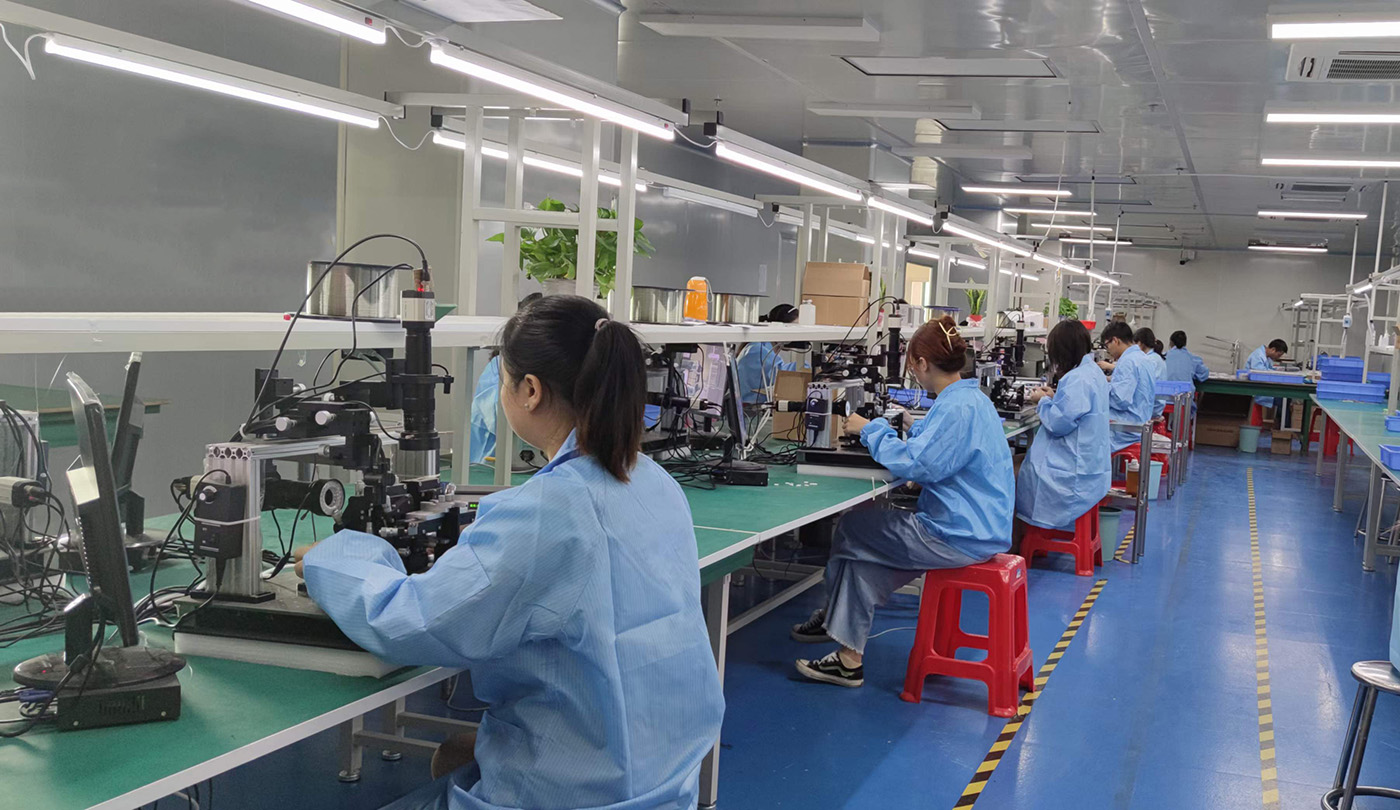
A trusted global supplier of active and passive optical communication infrastructure.
Established in 2012 in Hong Kong as a high-tech communication enterprise, Kocent Optec Limited has grown to become one of China's premier fiber optic termination product manufacturers and solution providers. We specialize in developing and manufacturing high-performance fiber optic products, spanning active transceivers/AOCs to passive termination panels, serving telecommunication networks, enterprise infrastructures, and hyperscale data centers worldwide.
Drawing on our extensive manufacturing experience and production capacity built over more than 13 years, we help our customers optimize operations, increase processing capabilities, and strengthen their market position. We emphasize customer collaboration, acting as a strategic partner in fiber optic connection solutions.
With more than 13 years of experience in manufacturing telecommunication fiber optic products, we strictly adhere to international fiber optic industry standards (IEC, Telcordia). We utilize rigorous testing methods to deliver your projects on schedule, ensuring that 100% of our products undergo comprehensive testing and inspection before dispatch.
Our sales and support services have built a global customer base across East Asia, Southeast Asia, the Middle East, Eastern and Western Europe, Northern Europe, the Americas, and Africa.
Our OEM and ODM components are verified in tier-1 telecom networks worldwide, satisfying challenging technical requirements.
Providing end-to-end setups to optimize data transmission across diverse locations, from high-latitude data vaults to offshore marine facilities.
Deploying high-speed AOCs (100G SFP28/400G QSFP-DD) to link switch ports directly to computing nodes, bypassing heavy copper cabling to optimize chassis airflow.
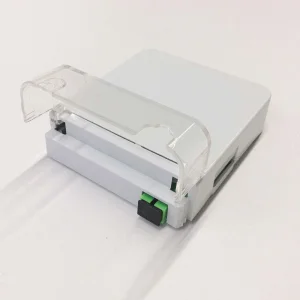
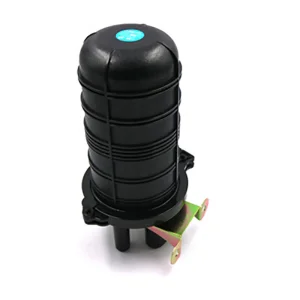
Utilizing rugged optical enclosures, splice boxes, and heavy-duty active cables to maintain reliable connections in challenging conditions, including maritime and industrial sites.
Bridging separate physical structures with active high-throughput fiber connections, ensuring low data packet loss across varying transmission distances.
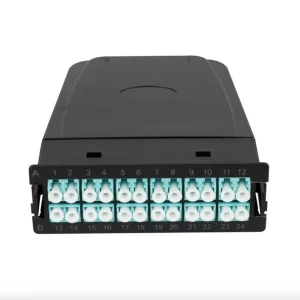
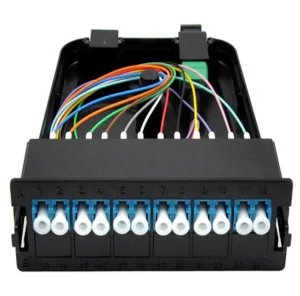
Combining active optical links with high-density MTP/MPO cassettes to build adaptable cable structures ready for future throughput upgrades.
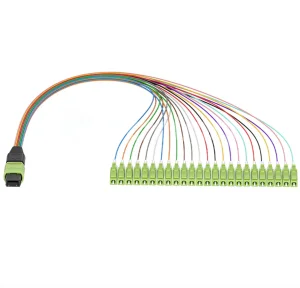
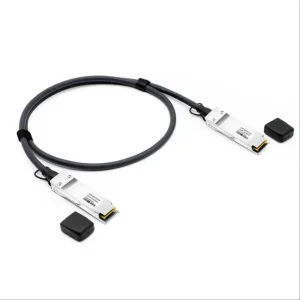
Complete range of Active Optical Cables, Direct Attach Copper, MPO Fanouts, and fiber distribution systems.
Technical answers to support your networking choices, standards compliance, and design decisions.
 KOCENT OPTEC