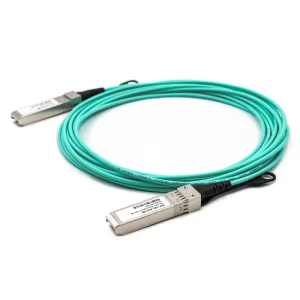
Highly customized transceiver components configured to support Central Asian transit networks, metro networks, and localized enterprise cloud configurations.
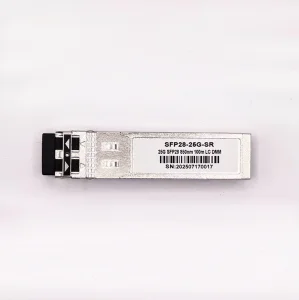
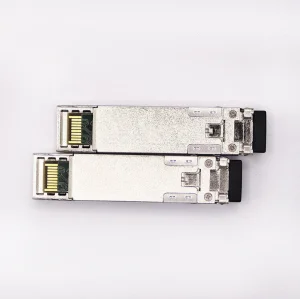
As the largest economy in Central Asia, Kazakhstan acts as a vital transit land bridge between Western China and Eastern Europe. The national initiative "Digital Kazakhstan" has accelerated the development of high-speed telecommunications infrastructure. Mobile network operators and regional ISPs in major urban centers—such as Almaty, Astana, and Shymkent—are scaling up local infrastructures to support 5G backhaul networks and metro transport configurations. This upgrade path relies heavily on transition optics: shifting legacy 10G networks up to robust 25G SFP28 standards to expand capacity without massive fiber redevelopment costs.
Beyond telecom, the industrial landscape of Kazakhstan presents extreme operational requirements. Mining complexes in the Karaganda region, metallurgical facilities, and massive oil & gas fields across Tengiz and Karachaganak depend on industrial-grade local data nodes. Optical systems operating in these areas must handle severe climate variations, from sub-zero winter temperatures reaching below -40°C to dry summer heat peaks exceeding +40°C. Standard commercial components are insufficient; industrial-grade 25G SFP28 transceivers are mandatory to prevent operational downtime and signal degradation.
Did you know? Transitioning from 10G SFP+ to 25G SFP28 offers 2.5x the throughput while using the same physical footprint. This structural efficiency is critical for datacenter facilities in Almaty looking to optimize space and cooling budgets.
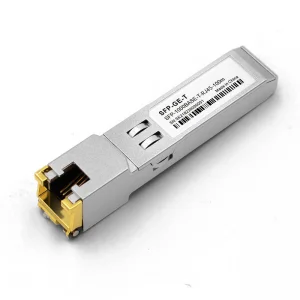
25G SFP28 (Small Form-factor Pluggable 28) optical transceivers are the primary building blocks for 25G Ethernet, 32G Fibre Channel, and 5G wireless fronthaul architectures. Built upon the proven SFP+ physical package design, SFP28 operates at 25.78125 Gbps per channel using NRZ modulation. This enables cost-effective bandwidth scaling for datacenters and telecom providers. Unlike multi-lane options, SFP28 requires only a single lane, reducing energy usage and system layout complexity.
For high-density intra-cabinet datacenter deployments, SFP28 SR modules over Multi-mode Fiber (MMF) support reach up to 100 meters, which is ideal for server-to-switch interfaces. For long-distance transport networks, SFP28 LR transceivers operate over Single-mode Fiber (SMF) for reaches up to 10 kilometers, utilizing a 1310nm DFB laser source for reliable signal integrity over extended fiber runs.
For operators in Kazakhstan facing limited physical fiber layouts, Bidirectional (BIDI SFP28) optical modules transmit and receive signals over a single strand of fiber by utilizing distinct wavelengths (typically 1270nm and 1330nm). This doubles the traffic capacity per fiber run, saving cost on leased fiber lines or new cable trenching.
To ensure smooth deployment across Kazakhstan's regional networks, Kocent Optec's 25G transceivers feature EEPROM configuration. This enables full compatibility with equipment from major global vendors, including Cisco, Huawei, Juniper, Nokia, Mikrotik, and HPE, preventing OEM lockout issues.
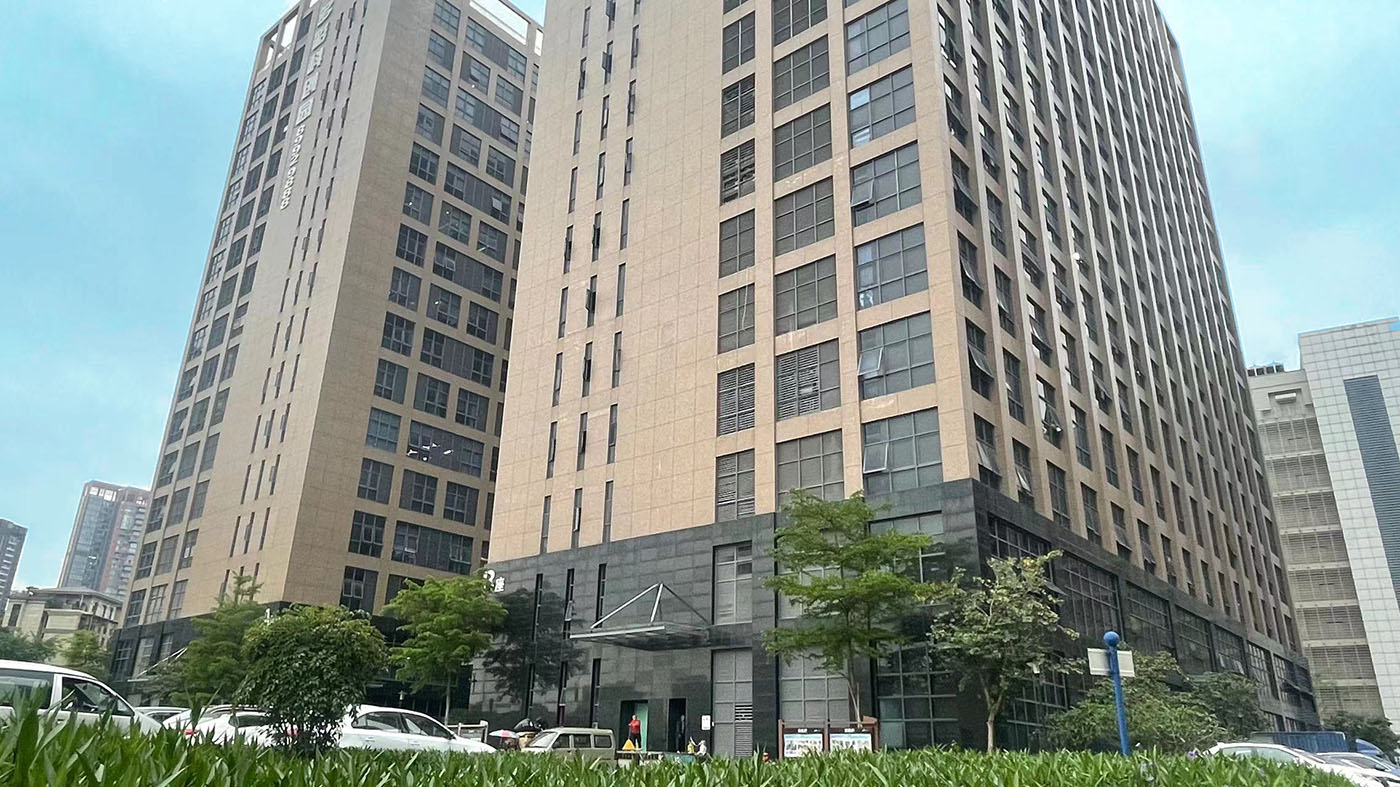
Operating out of high-tech production zones in Southern China, Kocent Optec Limited (KCO) offers direct manufacturing advantages to Central Asian enterprises. Our automated assembly lines deploy advanced active optical alignment systems, visual checking machinery, and automated temperature testing chambers. This ensures every transceiver meets performance standards for insertion loss, return loss, and eye diagram metrics before shipment.
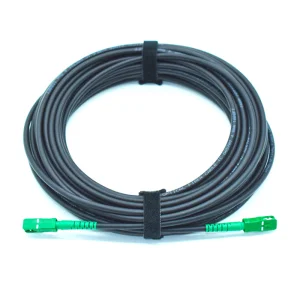
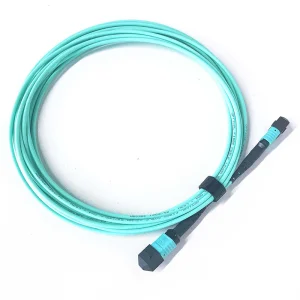
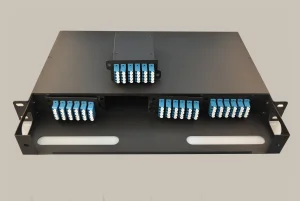
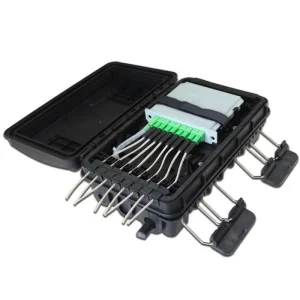
Shipping transit routes between China and Kazakhstan provide logistics benefits. Utilizing direct rail freight networks and road shipping through the Khorgos Dry Port gateway, KCO is able to dispatch optical transceivers, high-density MPO patch panels, and FTTH drop cables quickly. This direct supply chain bypasses standard logistics delays, keeping lead times minimal compared to products sourced from European distributors.
Furthermore, because KCO manages the production from raw optical sub-assemblies (TOSA/ROSA) to final enclosure assemblies, we can offer customized OEM and ODM solutions. Clients can specify customized EEPROM coding, unique packaging labels, and specialized fiber cabling lengths tailored to their system deployment requirements.

With more than 13 years of production experience in passive and active fiber optic termination hardware, Kocent Optec has built relationships with telecom operators, network integrators, and distributors across several continents. Our production line strictly conforms to ISO9001 and CE/RoHS/FCC certifications, ensuring that our products meet rigorous specifications.
Our transceivers and interconnect systems are designed to support major international carrier architectures. Our terminal telco network partnerships include SingTel, Vodafone, America Movil, Telefonica, Bharti Airtel, Orange, Telenor, VimpelCom, TeliaSonera, Saudi Telecom, MTN, Viettel, Bitel, VNPT, Laos Telecom, MYTEL, Telkom, Telekom, Entel, FiberTel, StarFiber, Ooredoo, and regional operators such as Beeline and Azercell.
This experience with global networks allows KCO to understand carrier-grade specifications, ensuring that the 25G SFP transceivers delivered to Kazakhstan operators are reliable, durable, and compatible with complex, multi-vendor infrastructures.
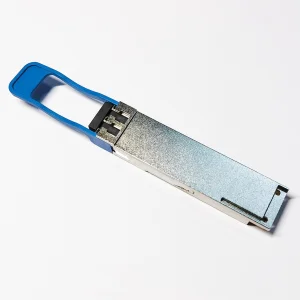
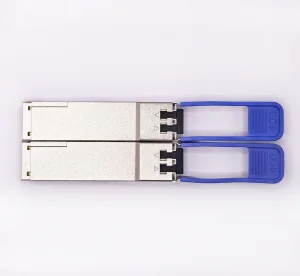
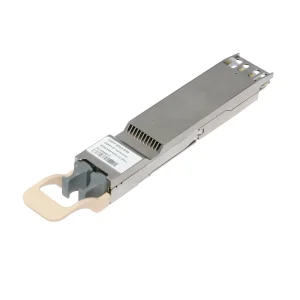
Modern communication demands range from simple regional links to high-density server configurations. While 25G SFP28 serves as the standard interface for modern server network cards, high-capacity backend networks require 40G QSFP+, 200G QSFP56, and 800G OSFP/QSFP-DD transceivers to prevent bottlenecking. These high-speed options aggregate traffic from access links and carry it across data center spines or core transmission backbones.
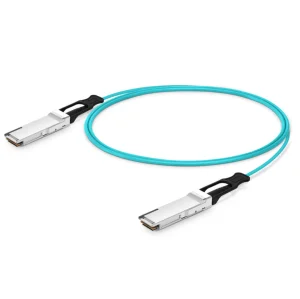
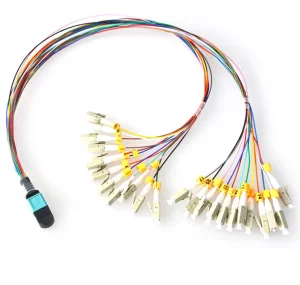
KCO's product range provides solutions for all network layers. We supply everything from 25G SFP28 transceivers and high-speed active optical cables (AOCs) to high-density MPO/MTP patch panels and splitters. This enables Kazakh network engineers to source their entire physical and active layer interconnect components from a single partner, simplifying system design and deployment.
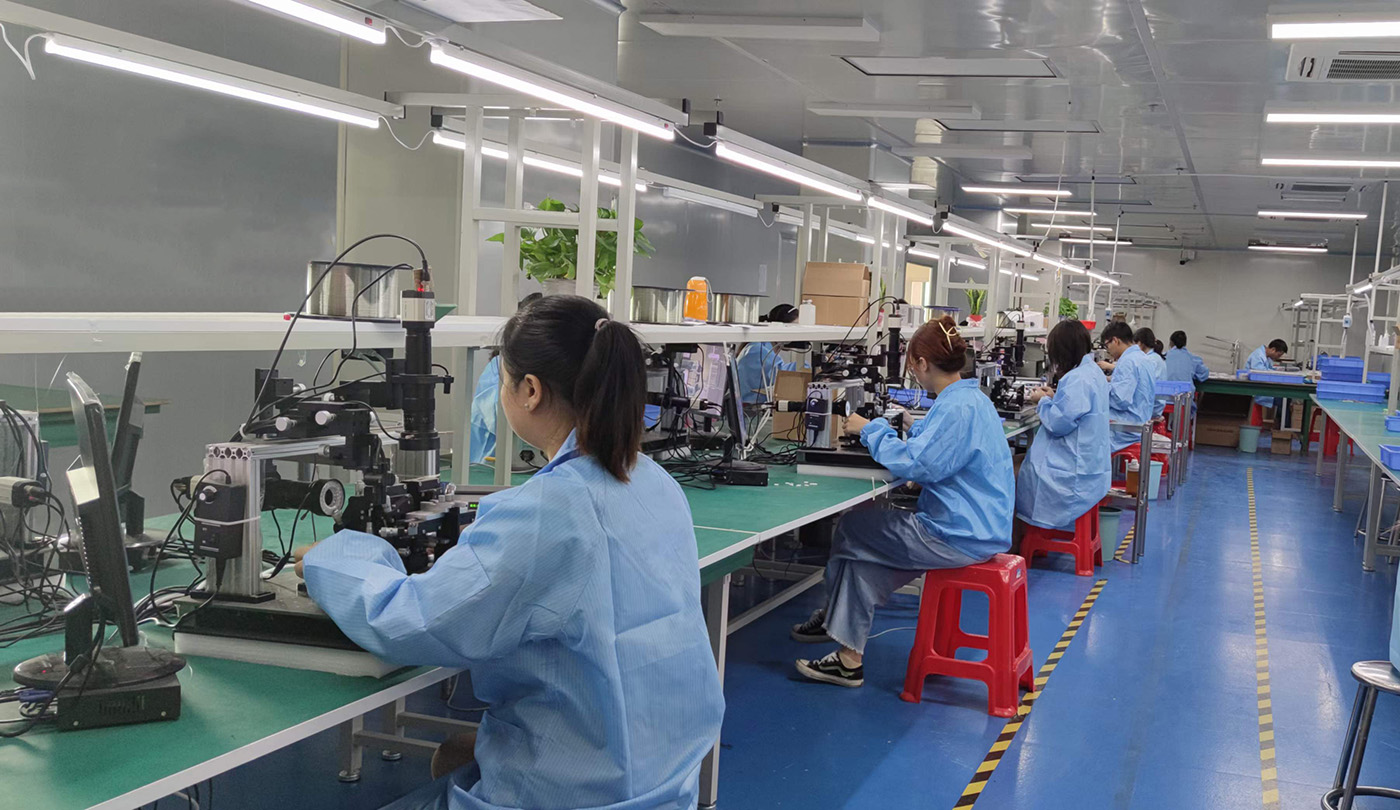
Automated Production Controls: Every single KCO transceiver goes through real-time diagnostic screening. Our testing protocols verify transmitter optical power, receiver sensitivity, extinction ratio, bit error rate (BER), and spectral performance. We test compatibility across multiple host switch platforms to ensure stable performance upon installation.
Our quality assurance processes minimize return rates, ensuring continuous uptime for network nodes located in remote areas of Kazakhstan where technical maintenance visits can be difficult to coordinate.
From high-density fiber routing to high-bandwidth active transceivers, browse our technical solutions for Central Asian network upgrades.
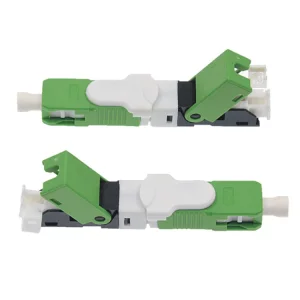
Standardizing network infrastructure requires meeting strict domestic regulatory guidelines and matching environmental requirements. When sourcing active 25G optics, engineers must verify compatibility with regional telecommunications mandates. KCO ensures all active optoelectronic transceivers carry the required international certifications (CE, FCC, and RoHS) and comply with technical safety guidelines necessary for import through Eurasian Economic Union (EAEU) gateways.
We provide localized documentation, compliance certificates, detailed datasheet records, and diagnostic registers. This simplifies integration steps for both new installations and systems upgrading from legacy configurations.
All transceivers are backed by a three-year replacement warranty, with technical support available via email and video conference to assist with setup, diagnosis, or system adjustments.
Answers to common engineering questions regarding the application, compatibility, and environmental resilience of 25G SFP28 optical systems.
 KOCENT OPTEC