Explore our high-performance transceivers, cabling solutions, and passive optical components designed to deliver peak reliability.
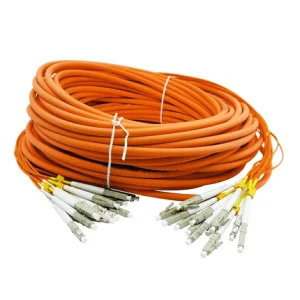
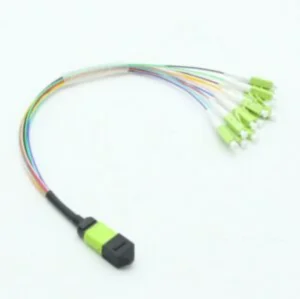
Reliable Direct-Attach Solutions for the Modern Network Core
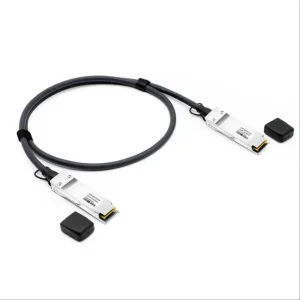
In today's hyper-connected landscape, rapid network scaling requires a cost-effective, low-power physical layer solution. Direct Attach Copper (DAC) SFP cables have emerged as the industry's ultimate Top-of-Rack (ToR) solution for short-distance link interconnections.
Whether deploying SFP+ (10G), SFP28 (25G), QSFP+ (40G), or QSFP28 (100G) architectures, DAC cables bypass the need for optical transceivers. By reducing latency, mitigating heat generation, and offering unparalleled energy savings (under 0.1W per port), they represent the baseline of smart datacom design.
Kocent Optec Limited, established in 2012 in Hong Kong as a hi-tech communication enterprise, stands at the vanguard of China's leading fiber optic and copper cabling termination manufacturing. We are dedicated to developing high-performance solutions ranging from passive components to active optoelectronics for telecom networks, data centers, and global systems.

Years of OEM/ODM Manufacturing
Inspection & Factory Tested
Tier-1 Telecom Operators Supported
Ultra-Low Power per Port
Why Tier-1 hyperscalers and telecommunication giants source DAC cables directly from our state-of-the-art production lines in China.
Direct supply from Shenzhen and Hong Kong clusters reduces broker markups. Our raw copper sourcing and automatic shielding termination processes allow us to offer competitive pricing on bulk DAC SFP pricelists without sacrificing bandwidth integrity.
Our engineering laboratory features an in-house EEPROM programming suite. Each OEM cable can be configured to match multiple vendor algorithms, including Cisco, Juniper, Arista, Dell, HP, and Mellanox, preventing lock-in errors.
Using advanced bit-error-rate testers (BERT) and network analyzers, our engineering teams ensure that insertion loss, return loss, and crosstalk parameters remain well within IEEE 802.3 and SFF-8431/SFF-8436 standards before shipping.
An overview of standard industrial models, structural parameters, and relative price ranges. Please note that custom OEM lengths and volume requirements will impact final quotes.
| Part Number Reference | Form Factor & Speed | Wire Gauge (AWG) | Standard Lengths | Compatible Brands | Estimated Base Price (USD) |
|---|---|---|---|---|---|
| KCO-DAC-SFP-10G-1M | SFP+ to SFP+ (10G) | 30 AWG | 1 Meter | Cisco, Juniper, Ubiquiti, etc. | $7.50 - $12.00 |
| KCO-DAC-SFP-10G-3M | SFP+ to SFP+ (10G) | 30 AWG / 28 AWG | 3 Meters | Cisco, Arista, HPE, Dell | $14.00 - $19.50 |
| KCO-DAC-SFP28-25G-2M | SFP28 to SFP28 (25G) | 26 AWG | 2 Meters | Mellanox, Cisco, Intel | $22.00 - $28.00 |
| KCO-DAC-QSFP-40G-1M | QSFP+ to QSFP+ (40G) | 30 AWG | 1 Meter | Compatible with Cisco QSFP-H40G-CU1M | $28.50 - $35.00 |
| KCO-DAC-QSFP-40G-3M | QSFP+ to QSFP+ (40G) | 26 AWG | 3 Meters | Cisco, Juniper, Arista | $39.00 - $48.00 |
| KCO-DAC-QSFP28-100G-2M | QSFP28 to QSFP28 (100G) | 28 AWG | 2 Meters | Cisco, Mellanox, Dell | $65.00 - $78.00 |
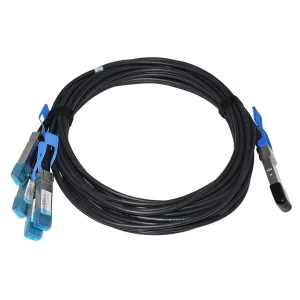
| KCO-DAC-QSFP28-4SFP25G-1M | 100G QSFP28 to 4x 25G SFP28 | 30 AWG | 1 Meter Breakout | Cisco Compatible Breakout | $72.00 - $89.00 |
Disclaimer: The prices above serve as baseline factory cost indicators for business inquiries. Volume-based procurement, customized coding protocols, and specific flame retardancy jackets (LSZH vs. PVC) will alter final proposals. Contact our sales department for formal quotes.
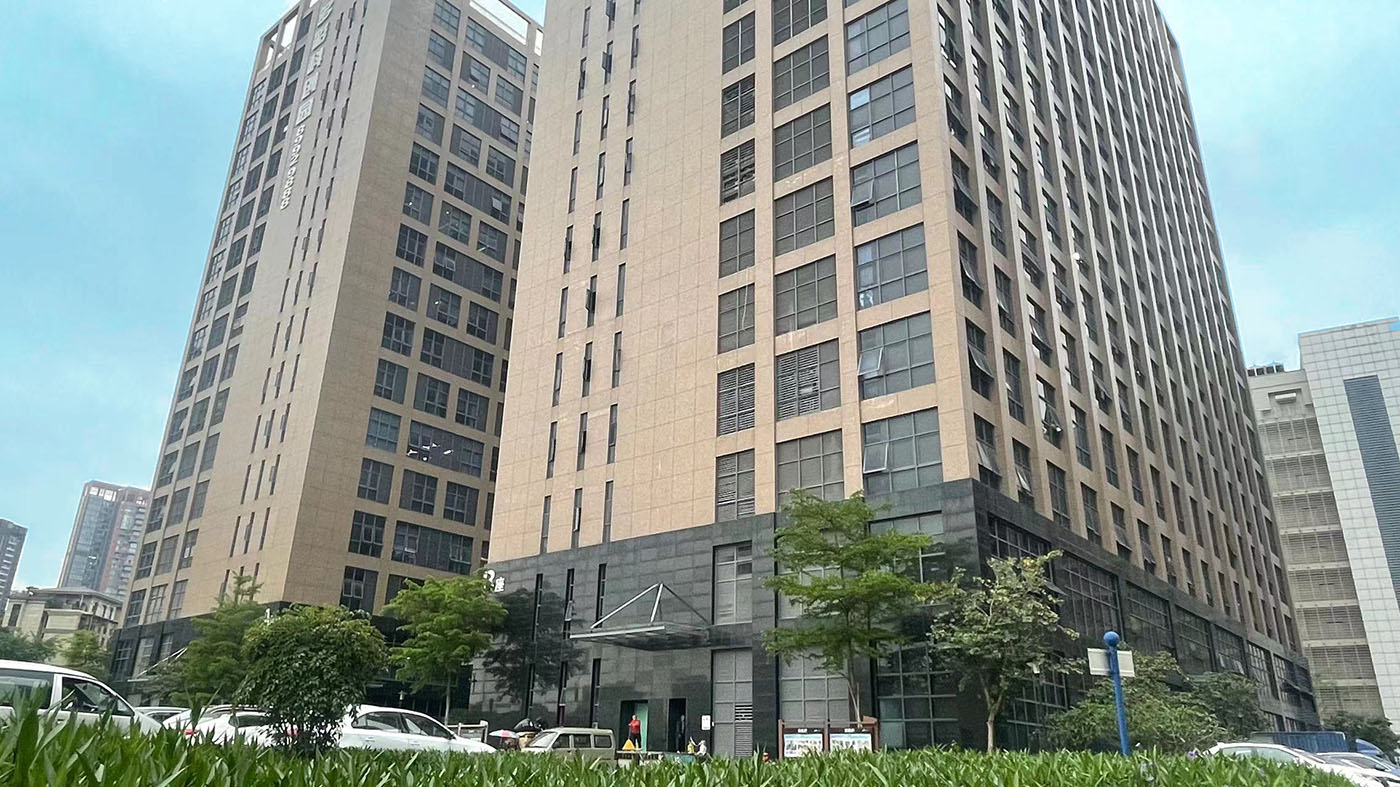
By leveraging our extensive experience and excellent production capacity we gained over the years, we magnify the outcome for our valuable customers, which ultimately expands their core competencies and helps them outperform competitors. We place emphasis on customer collaboration, and we define ourselves as your valuable partner in fiber optic and high-speed electrical connection solutions. We believe our differentiators are your perceived advantages.
At Kocent Optec, we utilize highly robust and durable insulation materials for our DAC cabling. The conductor selection centers around high-purity solid copper core wires, minimizing attenuation over high frequency transmissions. To satisfy strict building codes and municipal directives, we offer outer jackets conforming to:
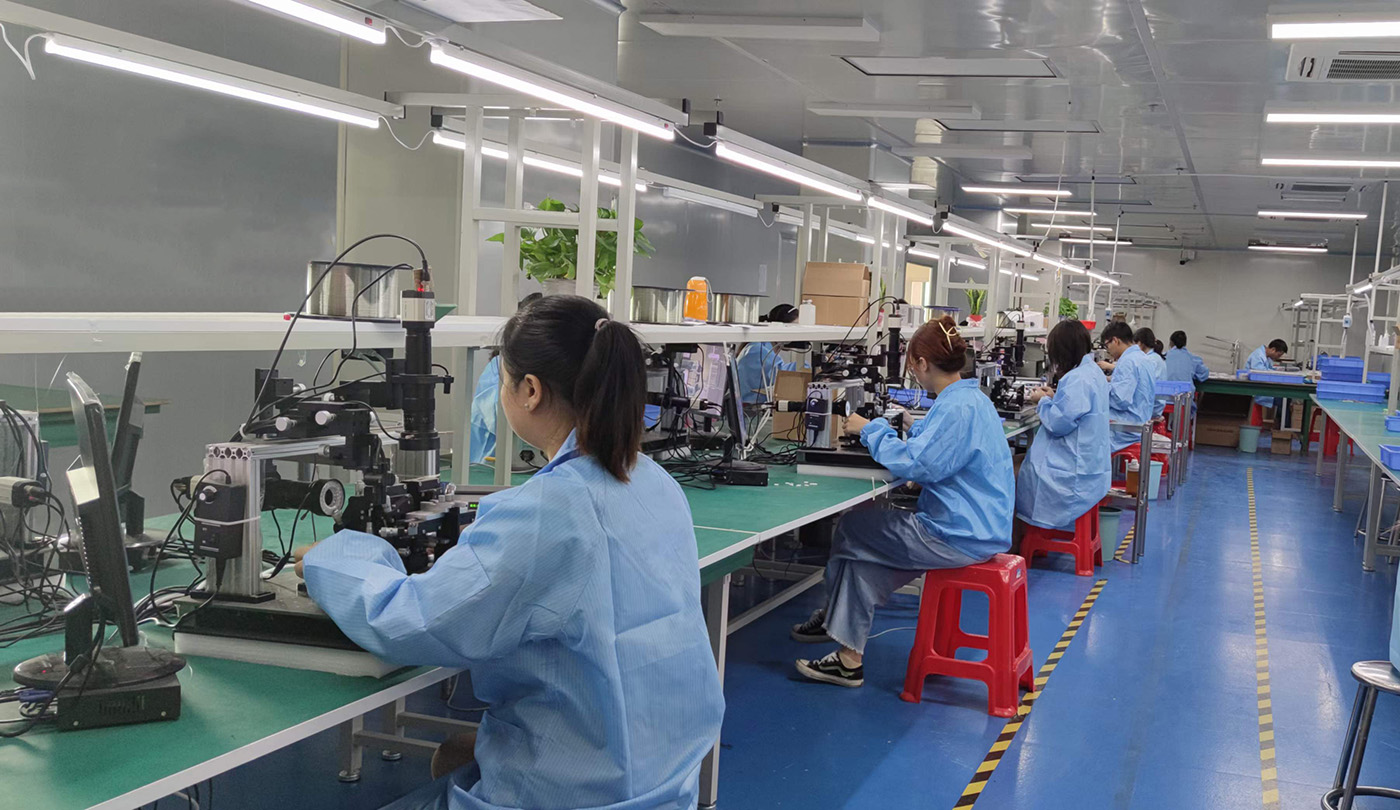
With more than 13 years of experience in manufacturing telecommunication fiber optic and direct attach copper products, we follow strictly high speed networking industry standards by using mature scientific methods to deliver your products on time and ensure that 100% of products are tested and inspected before shipment.
Each cable goes through mechanical pull-force testing, environmental thermal cycling chambers, and structural eye-diagram verification under high-frequency load states. This eliminates infantile component mortality and ensures years of continuous execution inside mission-critical installations.
How Kocent Optec Limited serves telecom operators and high-density enterprises across every major continent.
Years of sales and service experience have enabled us to win customers from different regions. Today, we have customers from East Asia, Southeast Asia, Middle East, Eastern Europe, Western Europe, Northern Europe, South America, North America, North Africa, and South Africa.
Win-win cooperation is our constant goal. Many of our OEM and ODM products won the Telecom Operator tender and satisfy end-user requests.
Our main terminal telecom operators include: SingTel, Vodafone, America Movil, Telefonica, Bharti Airtel, Orange, Telenor, VimpelCom, TeliaSonera, Saudi Telecom, MTN, Viettel, Bitel, VNPT, Laos Telecom, MYTEL, Telkom, Telekom, Entel, FiberTel, StarFiber, Ooredoo, Beeline, Azercell, and more. Our products are integrated in systems running continuous operations under highly volatile environments.
Semantic trends indicate a major architectural pivot towards energy-efficient interconnects.
As modern edge and cloud architectures deploy increasingly compact multi-core processing units, racks require higher throughput. Active Optical Cables (AOC) and high-gauge Passive Direct Attach Copper (DAC) SFP cables enable low-latency ToR links up to 5 meters, maintaining the thermal balance of server clusters.
Active optical transceivers emit heat and consume around 1W to 2.5W per end. Multiplying this by 48 or 96 ports per switch unit leads to massive operating overheads. Passive SFP DAC cables consume virtually zero power (<0.1W), helping datacenters scale their footprint without exceeding thermal envelopes.
For operations extending beyond 5 meters at speeds of 100G, 400G, or 800G, signal attenuation becomes critical. Active Electrical Cables (AEC) and Active Copper Cables (ACC) incorporate internal retimers and equalizers to compensate for copper degradation, keeping paths latency-free without the cost of optical transceivers.
Critical answers about engineering standards, performance parameters, and OEM customization protocols.
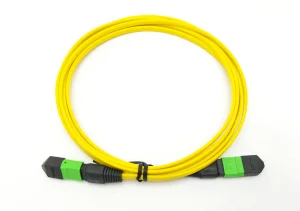
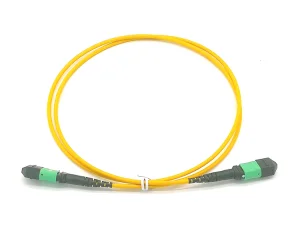
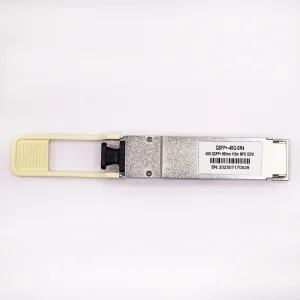
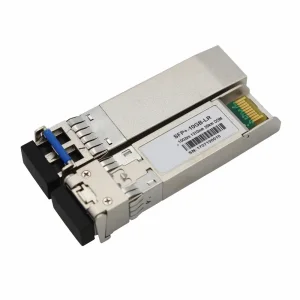
Integrate these compatible system accessories to complete your enterprise communications environment.
 KOCENT OPTEC