Explore our high-performance optical connectivity hardware engineered for zero-latency industrial backbones.
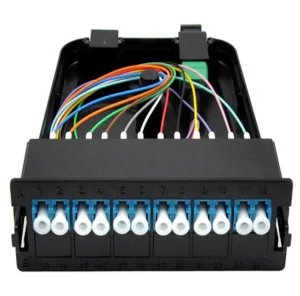
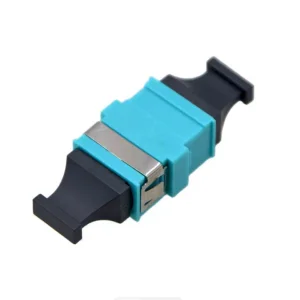
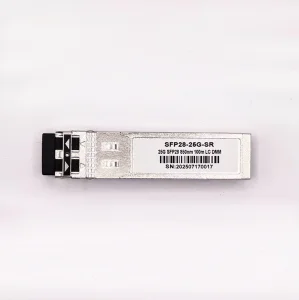
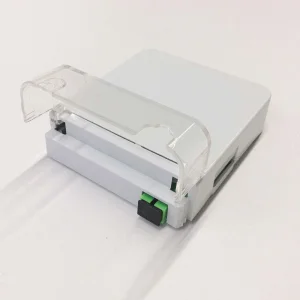
Kocent Optec Limited, established in 2012 in Hong Kong as a high-tech communication enterprise, stands as one of China's premier fiber optic termination product manufacturers and end-to-end optical solution providers. We are systematically dedicated to the strategic research, architectural engineering, and high-precision manufacturing of fiber optic communication products. Our dynamic portfolio spans from passive mechanical optical systems to high-velocity active categories optimized for modern telecommunication networks, enterprise infrastructures, and hyper-scale data centers.
By leveraging our extensive structural experience and robust production capabilities developed over a decade of specialization, we magnify the capital and physical performance outcome for our global customers. This relentless focus on quality expands our partners' core competencies, helping them outperform market competitors. We place immense emphasis on deep customer collaboration, positioning ourselves not merely as a commercial supplier, but as a strategic partner in custom fiber optic connection and transmission solutions.

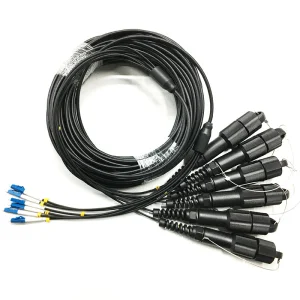
The 4 Core Fiber Optic Cable is the cornerstone of contemporary localized distribution networks, serving as the critical micro-conduit for FTTH (Fiber-to-the-Home), FTTB (Fiber-to-the-Building), and localized cell tower backhauls. In optical telecommunications, 4-core designs provide the optimal balance between physical compact structural profiles, redundancy, and capacity scaling.
Our manufacturing blueprints encompass various configurations, most notably GJXFH (non-metallic drop cables), GYXTW (uni-tube armored outdoor cables), and specialized tactical deployable cables. Below is the structural and mechanical specification comparison table for our standard OEM 4-core productions:
| Cable Class / Type | Fiber Standards | Strength Members | Jacket Outer Diameter | Max Tensile (N) | Crush Resistance |
|---|---|---|---|---|---|
| GJXFH (FTTH Drop) | ITU-T G.657.A1 / A2 | Dual FRP (Fiber Reinforced Plastic) | 3.0mm × 2.0mm | 200 N (Short Term) | 1000 N / 100mm |
| GYXTW (Light Armored) | ITU-T G.652.D / G.655 | Double Steel Wire + Corrugated Tape | 7.0mm ± 0.2mm | 1500 N (Short Term) | 3000 N / 100mm |
| Tactical TPU Breakout | OM3 / OM4 Bend-Insensitive | Aramid Yarn (Kevlar) Elements | 5.5mm ± 0.3mm | 800 N (Short Term) | 2000 N / 100mm |
Each core is individually color-coded (typically Blue, Orange, Green, and Brown following EIA/TIA-598 standards) to facilitate rapid onsite splicing and maintenance. We use high-purity silica optical preforms, ensuring the attenuation index is tightly controlled under 0.36 dB/km at 1310 nm and 0.22 dB/km at 1550 nm for single-mode variations.
Worldwide bandwidth demands continue to grow at a compound annual growth rate (CAGR) exceeding 25%, driven by high-definition video streaming, low-latency industrial IoT networks, and the rapid deployment of decentralized AI processing units. In this micro-infrastructure ecosystem, the 4 Core Fiber Optic Cable has transitioned from an auxiliary carrier to a core network resource.
By leveraging our extensive experience and production capacity, we have mapped and optimized three high-growth, localized application scenarios:
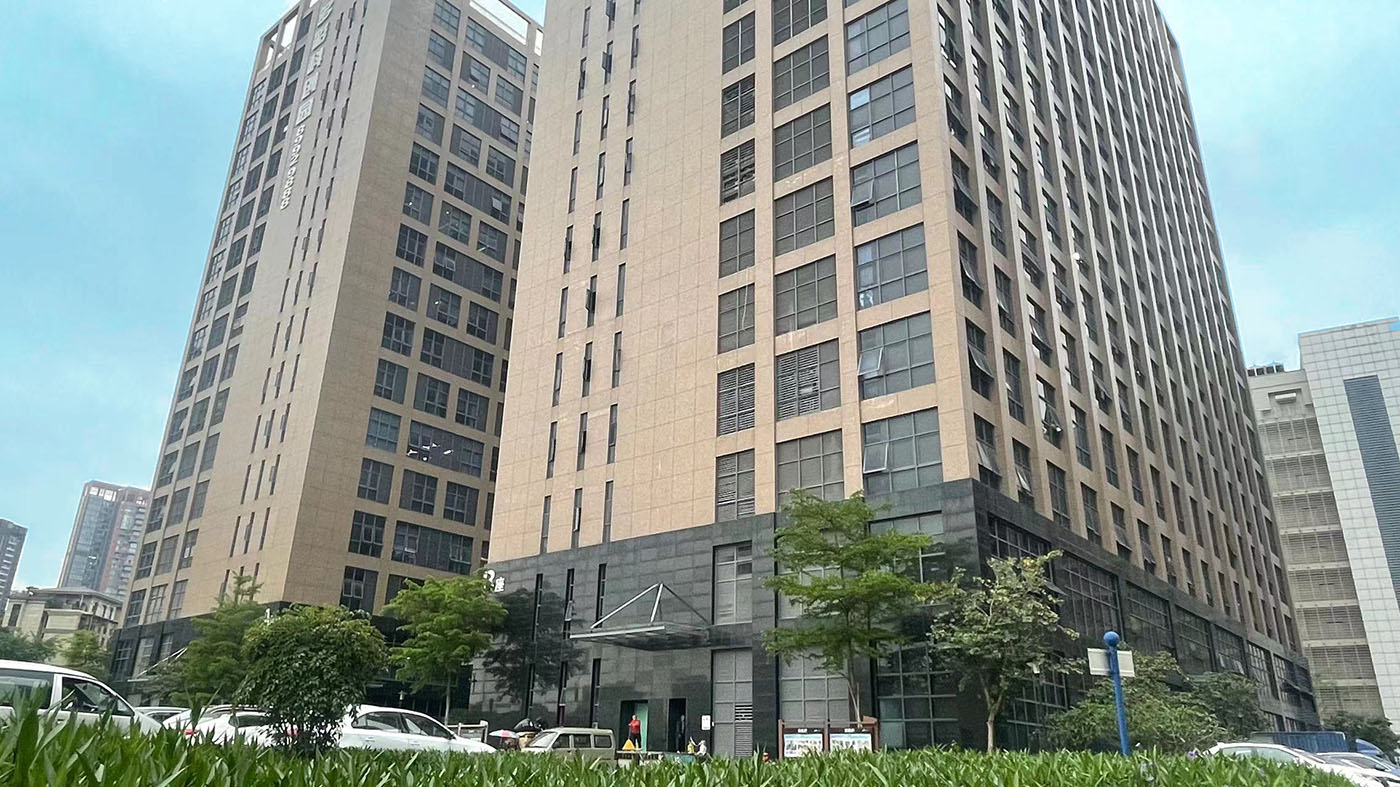
Operating out of the primary telecommunication manufacturing clusters of China, Kocent Optec leverages an integrated raw material ecosystem. This vertical integration guarantees cost stability and reliable delivery times, even during periods of high global demand.
Our facility works directly with top-tier optical preform refiners, local high-tensile aramid yarn suppliers, and precision plastic injection plants. This proximity minimizes raw material transport delays and reduces our carbon footprint. With an established logistics network connected to the ports of Shenzhen, Guangzhou, and Hong Kong, we ensure rapid shipping to our international clients.
Furthermore, our production incorporates mature, scientific quality management methods. Every batch of 4 Core Fiber Optic Cables undergoes 100% testing and inspection prior to leaving the facility. This process ensures mechanical roundness, precise core-clad concentricity, and tensile compliance, guaranteeing plug-and-play reliability upon delivery.
As next-generation architectures emerge, our technological development focuses on three primary directions:
Moving toward ultra-low bend radius fibers (down to 7.5mm) to simplify routing in dense, high-angle micro-ducts and indoor raceways without increasing attenuation.
Refining our Low Smoke Zero Halogen outer jackets to meet stringent European CPR (Construction Products Regulation) B2ca/Cca standards, minimizing toxic outgassing.
Integrating Distributed Temperature and Acoustic Sensing (DTS/DAS) directly alongside transmission fibers for real-time cable health monitoring.
With more than 13 years of experience in manufacturing telecommunication fiber optic products, we strictly follow international industry standards, ensuring 100% of our products are tested and inspected before shipment.
This commitment to quality has enabled us to win long-term partnerships across major global regions: East Asia, Southeast Asia, Middle East, Eastern Europe, Western Europe, Northern Europe, South America, North America, North Africa, and South Africa.
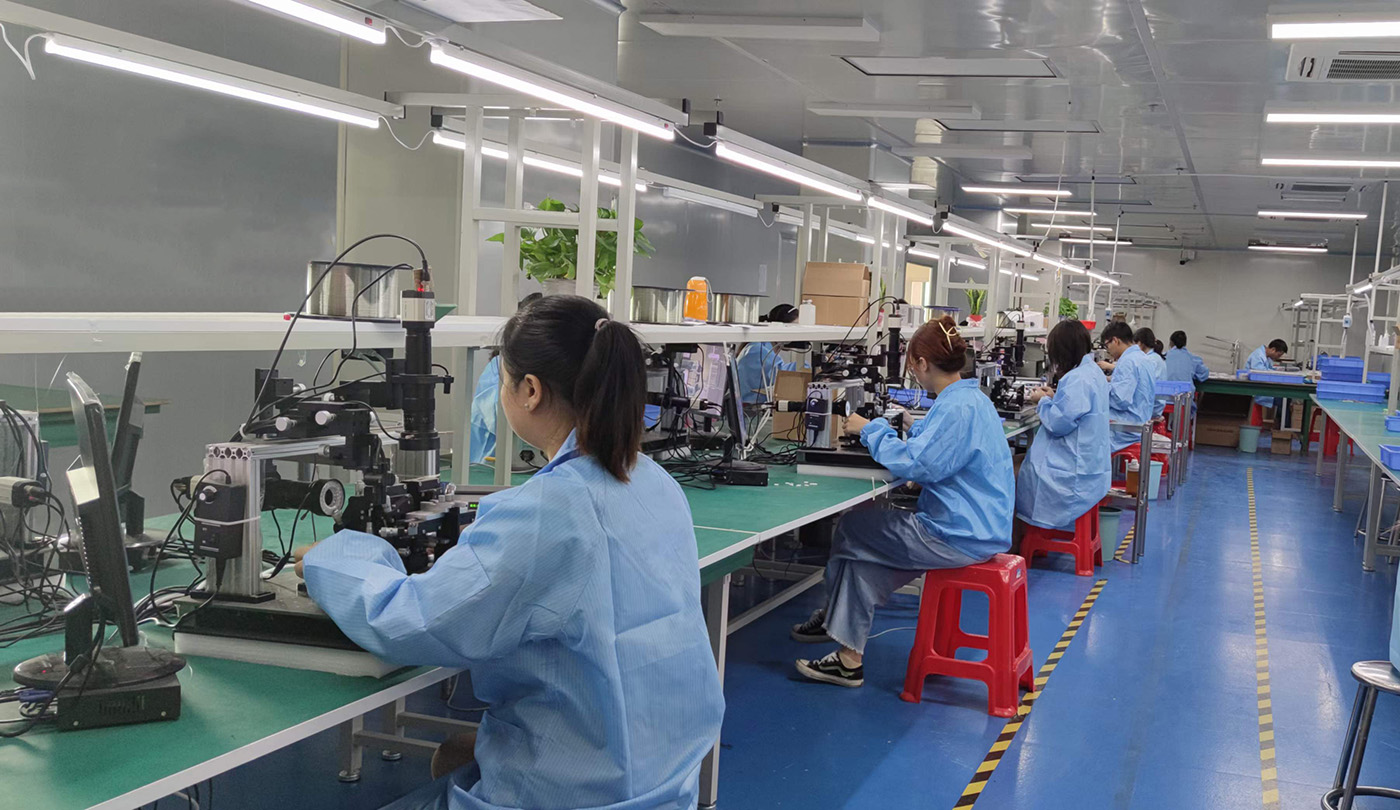
Our OEM and ODM solutions are designed to satisfy end-user requirements and regularly win bids for major national telecom operators. Our components and assemblies support networks run by leading global operators:
Our products comply with IEC 60794 mechanical test standards, Telcordia GR-326-CORE connector requirements, RoHS 3 directives, and REACH environmental standards.
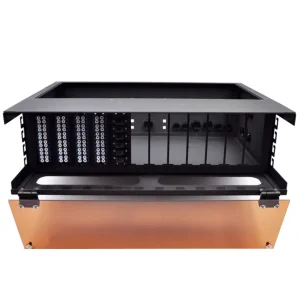
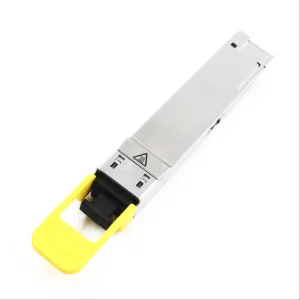
Explore our full range of high-density patch panels, transceivers, and termination accessories designed for high-performance optical networks.
 KOCENT OPTEC