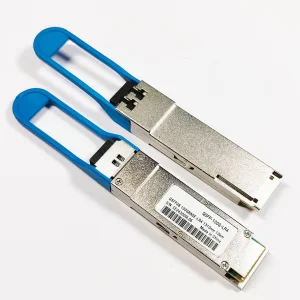
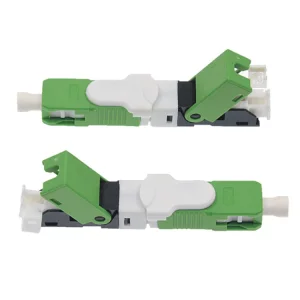
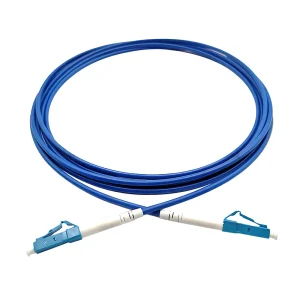
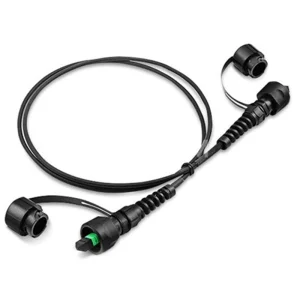
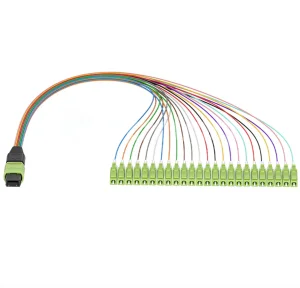
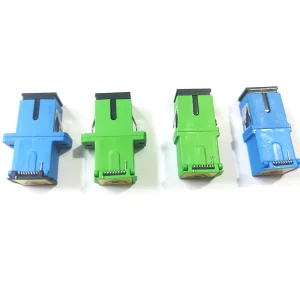
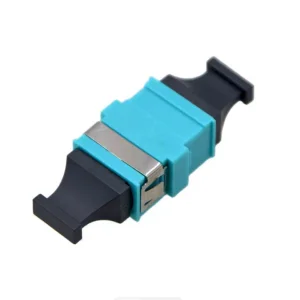
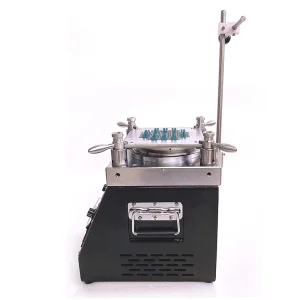
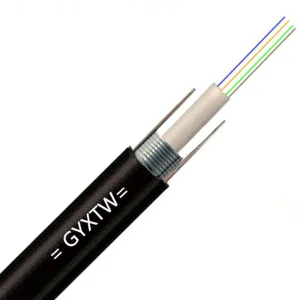
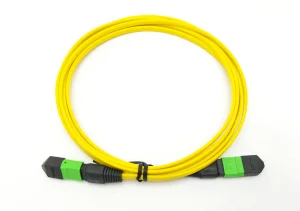
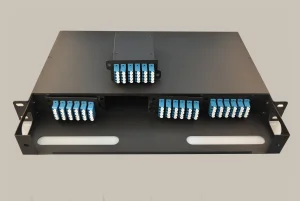
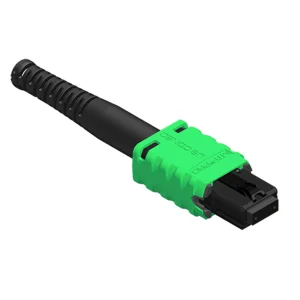
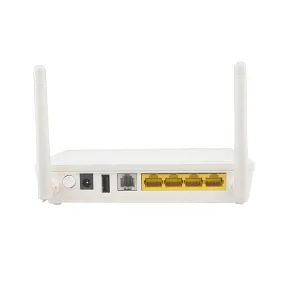
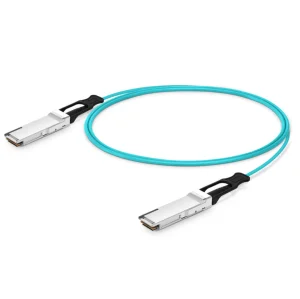
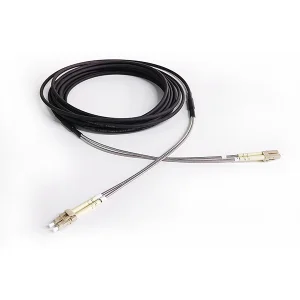
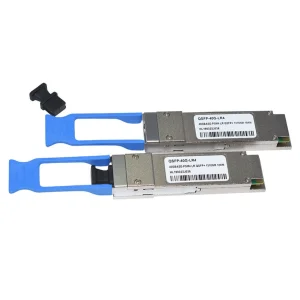
Explore our factory-direct OEM/ODM modules designed to complement high-density 24-core single mode distribution networks.
As global telecommunications migrate toward high-speed, low-latency transmission architectures, the physical layer infrastructure demands exceptional structural integrity and optical efficiency. The 24 Core Single Mode (SM) Fiber Optic Cable represents a critical sweet spot for system integrators, network architects, and telecommunication companies. Positioned as a versatile bridge between ultra-high density trunking lines and local distribution terminals, the 24-core configuration offers an optimized balance of footprint, data carrying capacity, and installation cost-efficiency.
Unlike legacy fiber systems that relied heavily on low-core counts (e.g., 4, 8, or 12 cores), a 24-core single mode configuration utilizes advanced waveguide geometry to support dense wave multiplexing applications, local loop installations, and enterprise data backbones without requiring excessive trenching or physical conduit space. Using standard ITU-T G.652.D or bend-insensitive G.657.A1/A2 fibers, these systems maintain exceptionally low attenuation coefficients across the O, E, S, C, and L telecommunication bands, making them future-proof against upcoming upgrades in coarse and dense wavelength division multiplexing (CWDM/DWDM) protocols.
In today's highly competitive telecommunication landscape, sourcing 24 Core SM fiber optic cables involves navigating rigid international specifications, regional climate demands, and commercial compliance targets. Procurement managers and hardware engineers must consider several critical performance indicators during the sourcing process:
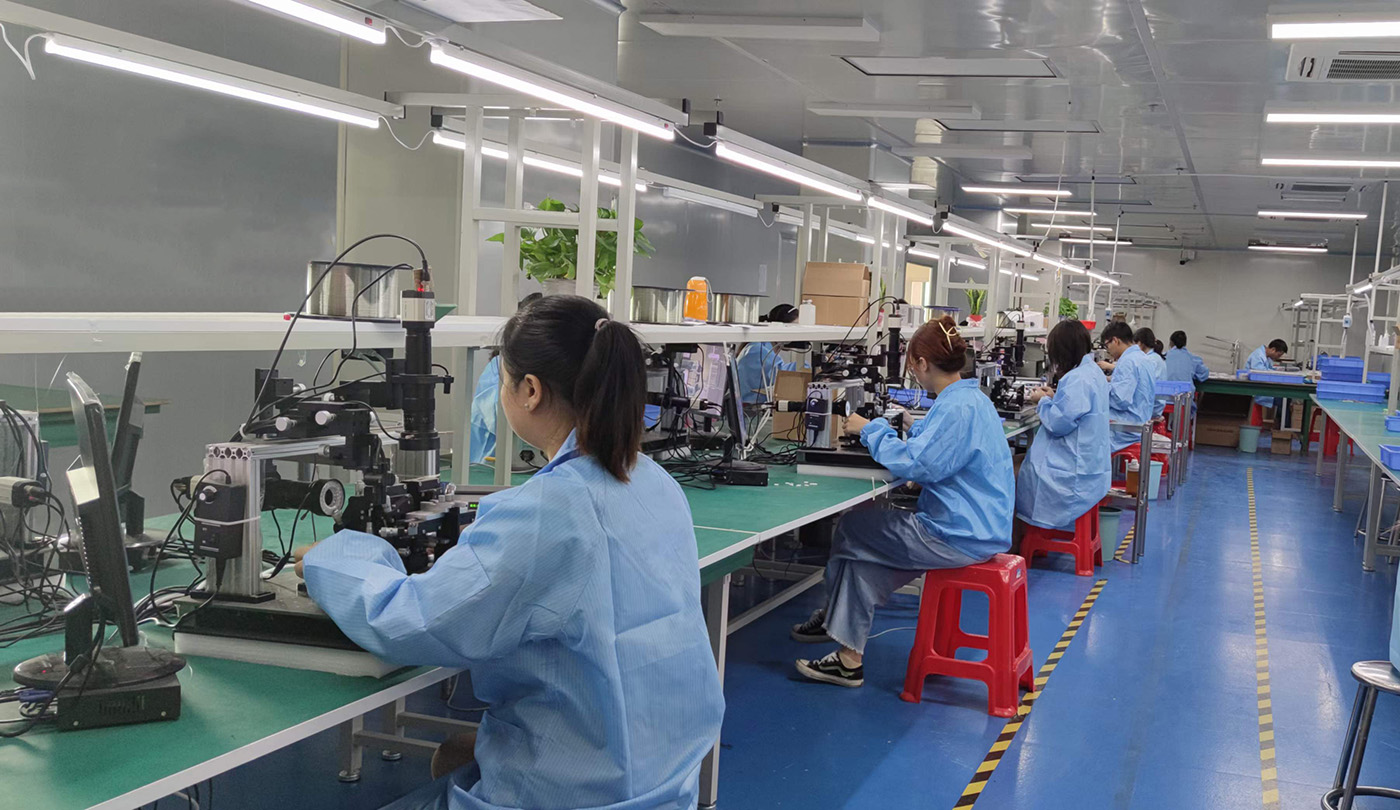
As a global hub for optoelectronic manufacturing, China's smart manufacturing infrastructure (Industry 4.0) offers distinct supply chain advantages. Our factory integrates automated drawing, high-speed secondary coating lines, precise SZ stranding, and real-time OTDR (Optical Time-Domain Reflectometer) monitoring to achieve unparalleled consistency and scale:
The 24 Core Single Mode Fiber Optic Cable is utilized across diverse demanding environments globally. Below are the primary deployment architectures:
In Fiber-to-the-Home (FTTH) and Fiber-to-the-Building (FTTB) layouts, 24-core cables serve as the primary distribution link from local optical line terminals (OLT) to optical distribution frames (ODF) and street cabinets. This configuration allows network operators to manage individual service drops efficiently, facilitating future expansion without requiring costly infrastructure rebuilds.
Modern campus backbones link multiple buildings across a single corporate or educational site. By deploying 24 Core SM cables protected by corrugated steel tape armor, enterprises can establish secure, lightning-fast 10G/40G/100G links between server rooms. The armor provides protection against accidental spade strikes and rodent damage in shallow underground trenches.
Municipalities and smart-city initiatives deploy 24-core aerial or duct networks to link traffic sensors, CCTV nodes, public Wi-Fi access points, and government offices. Using Single Mode fibers allows these networks to cover distances up to 80km without requiring active regenerators or signal boosters, reducing system complexity and long-term maintenance costs.
| Parameter / Specification | Standard G.652.D Fiber | Bend-Insensitive G.657.A1 Fiber |
|---|---|---|
| Attenuation at 1310 nm | ≤ 0.35 dB/km | ≤ 0.38 dB/km |
| Attenuation at 1550 nm | ≤ 0.21 dB/km | ≤ 0.22 dB/km |
| Min. Bending Radius (Static) | 10 x Cable Diameter | 5 x Cable Diameter |
| Zero Dispersion Wavelength | 1300 ~ 1324 nm | 1300 ~ 1324 nm |
| Max. Tensile Load (Short Term) | 1500 N | 1500 N |
Established in 2012 in Hong Kong as a high-tech communication enterprise, Kocent Optec Limited has grown to become one of China's leading fiber optic termination product manufacturers and solution providers. We are dedicated to developing and manufacturing high-performance fiber optic communication products, ranging from passive components to active optical modules, serving telecommunication networks, enterprise infrastructures, and modern hyperscale data centers worldwide.
By leveraging our extensive engineering experience and automated production capacity, we help our customers improve deployment efficiency, expand their core competencies, and outperform competitors. We focus on close customer collaboration, defining ourselves as a valuable partner in fiber optic connection solutions. We believe our technical differentiators are your structural advantages.

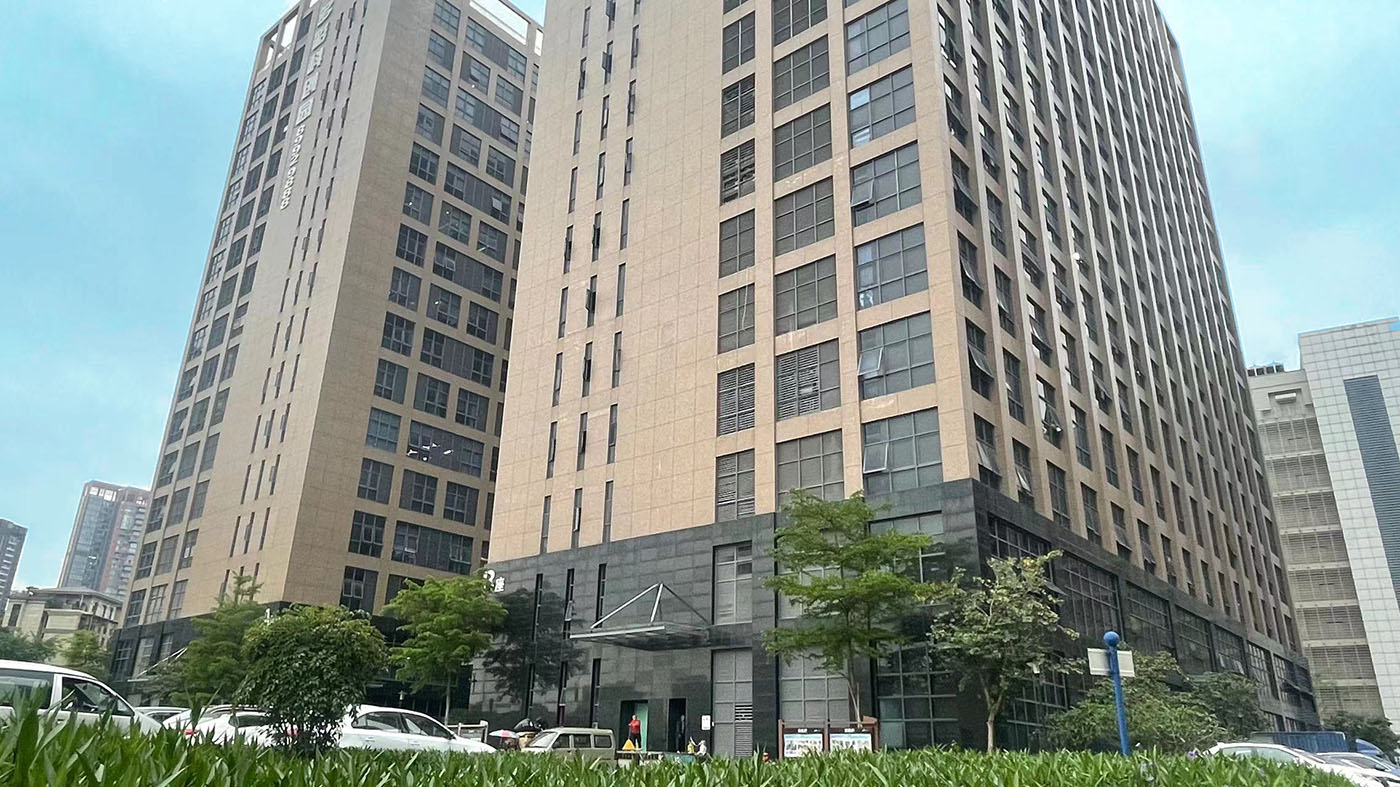
With more than 13 years of manufacturing experience in telecommunication fiber optic products, we strictly adhere to international quality standards using mature, scientific testing methodologies. We guarantee that 100% of our products undergo rigorous testing and inspection before shipment, ensuring they perform reliably in demanding environments.
Years of sales and service experience have enabled us to build a global customer base across East Asia, Southeast Asia, the Middle East, Europe, South America, North America, and Africa.
Win-win cooperation is our constant goal. Many of our OEM and ODM products have won major telecom operator tenders and satisfy demanding end-user requirements.
Our components are trusted by leading terminal telecom operators globally, including:
Technical and procurement answers designed for engineers, sourcing professionals, and installation contractors.
Ensure optimum signal performance with our tested collection of transceivers, trunk cables, and high-density patch systems.
 KOCENT OPTEC