High-performance passive components engineered to standard compliance and strict quality benchmarks.
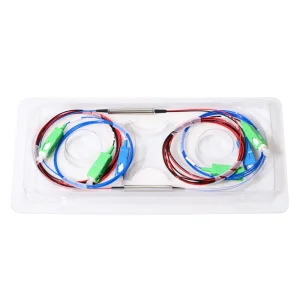
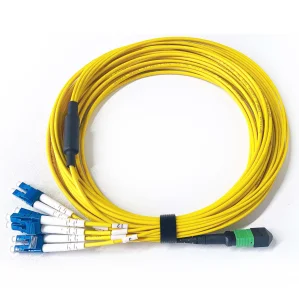
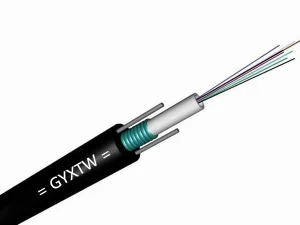
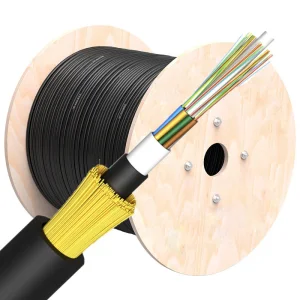
Armored fiber optic patch cables represent the pinnacle of physical layer protection in modern data transmission. Traditional fiber patch cords are highly susceptible to mechanical stress, micro-bending losses, rodent infestation, and accidental crushing. Armored alternatives integrate a protective helical stainless steel tape or interlocking metallic sheath directly beneath the outer jacket, preserving the high flexibility of standard patch cords while multiplying structural durability tenfold.
Our manufacturing philosophy balances mechanical robustness with high optical performance. Every armored assembly we construct uses premium, bend-insensitive fiber (G.657.A2/B3) to maintain minimum attenuation even in tight routing environments. By leveraging custom-engineered armor layers, we supply telecommunication networks and enterprise data centers globally with patch cords that resist a crushing force up to 3000N and a tensile load up to 400N.

The trajectory of the optical infrastructure market as defined by hyperscale computing, 5G densification, and IoT edge networks.
In the wake of rapid AI cluster development and 5G base station deployments, physical network stability has emerged as a major focus for global system integrators. Armored patch cords are transitioning from a specialized product used purely in extreme heavy-industry environments to a mainstream requirement in commercial buildings, smart factories, and subsea landing points. As data volumes surge, the financial penalty for system downtime scales exponentially, justifying the structural insurance provided by armored assemblies.
Moreover, the growth of FTTA (Fiber-to-the-Antenna) in sub-zero and tropical zones alike demands cabling systems that can withstand extreme temperature variations, bird pecks, and wind shear. Our ODM division works directly with infrastructure design engineers to customize the jacket material (LSZH, Plenum-rated OFNP, Riser-rated OFNR, or heavy-duty TPU) and the armor structure (spiral steel tubes vs. corrugated steel armor) to align with distinct regional standards and mechanical stress maps.
| Feature Parameter | Standard Non-Armored Patch Cord | Spiral Stainless Steel Armored Cord | Corrugated Steel Tape Armored Cable |
|---|---|---|---|
| Crush Resistance | 100 N / 100mm | 1500 - 3000 N / 100mm | 3000 - 5000 N / 100mm |
| Tensile Strength (Long Term) | 80 N | 200 - 400 N | 600 - 1000 N |
| Outer Diameter (Typical Simplex) | 2.0mm - 3.0mm | 2.0mm - 3.0mm (Equivalent Space) | 4.5mm - 7.0mm |
| Rodent & Crush Immunity | None | Excellent | Maximum / Heavy Industrial Grade |
| Minimum Bend Radius | 30mm (Static) | 20mm (Highly Flexible) | 50mm - 80mm (Semi-Rigid) |
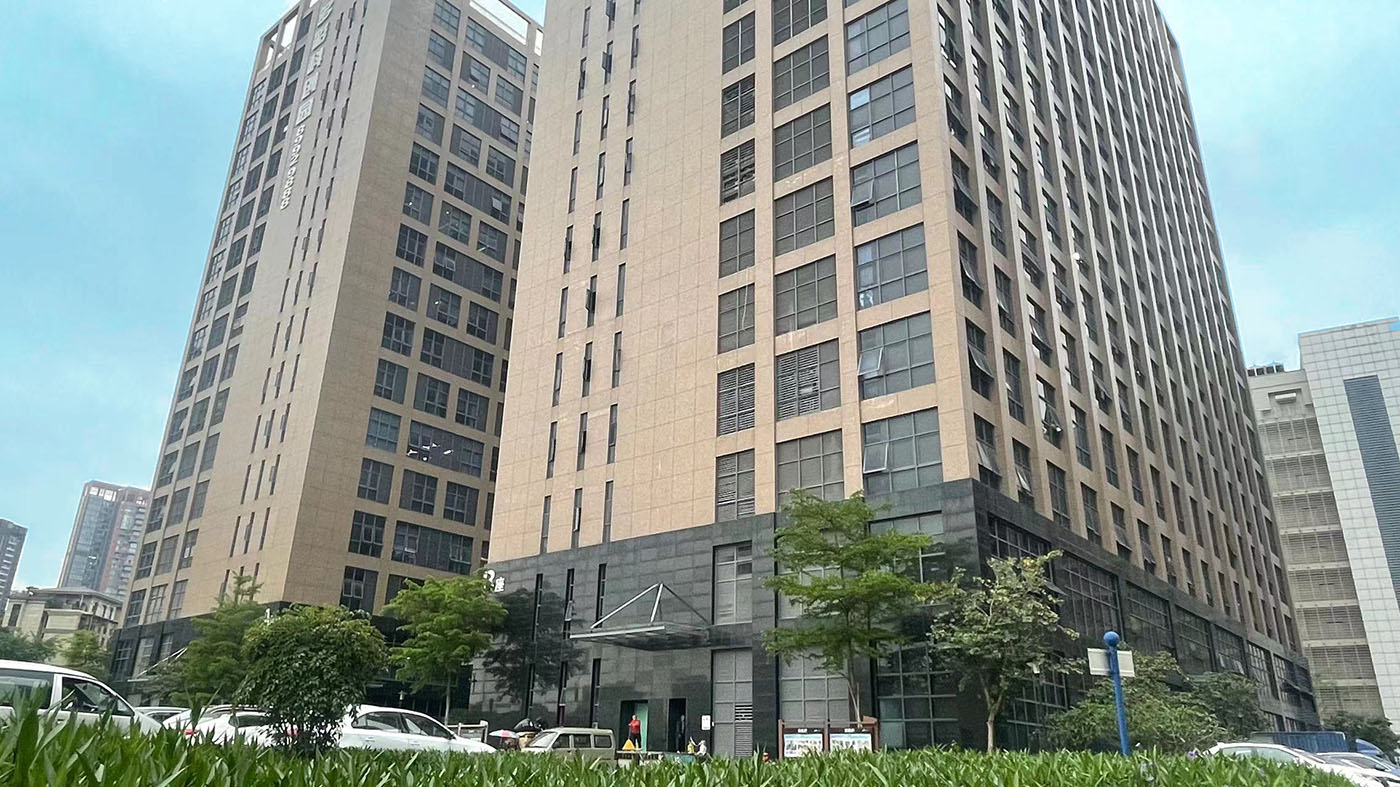
Kocent Optec Limited, established in 2012 in Hong Kong as a hi-tech communication enterprise, stands as one of China's leading fiber optic termination product manufacturers and solution providers. We are passionately dedicated to developing and manufacturing a comprehensive catalog of fiber optic communication products, ranging from passive components to active optical transceivers, designed specifically for telecommunication networks, enterprise structures, and modern hyperscale data centers.
By leveraging our extensive experience and excellent production capacity gained over the years, we magnify the operational outcome for our valuable customers. This ultimately expands their core competencies and helps them outperform competitors in highly demanding markets. We place immense emphasis on customer collaboration, defining ourselves not just as a manufacturer, but as your most valuable partner in specialized fiber optic connection solutions. We believe our technical differentiators are your perceived advantages.
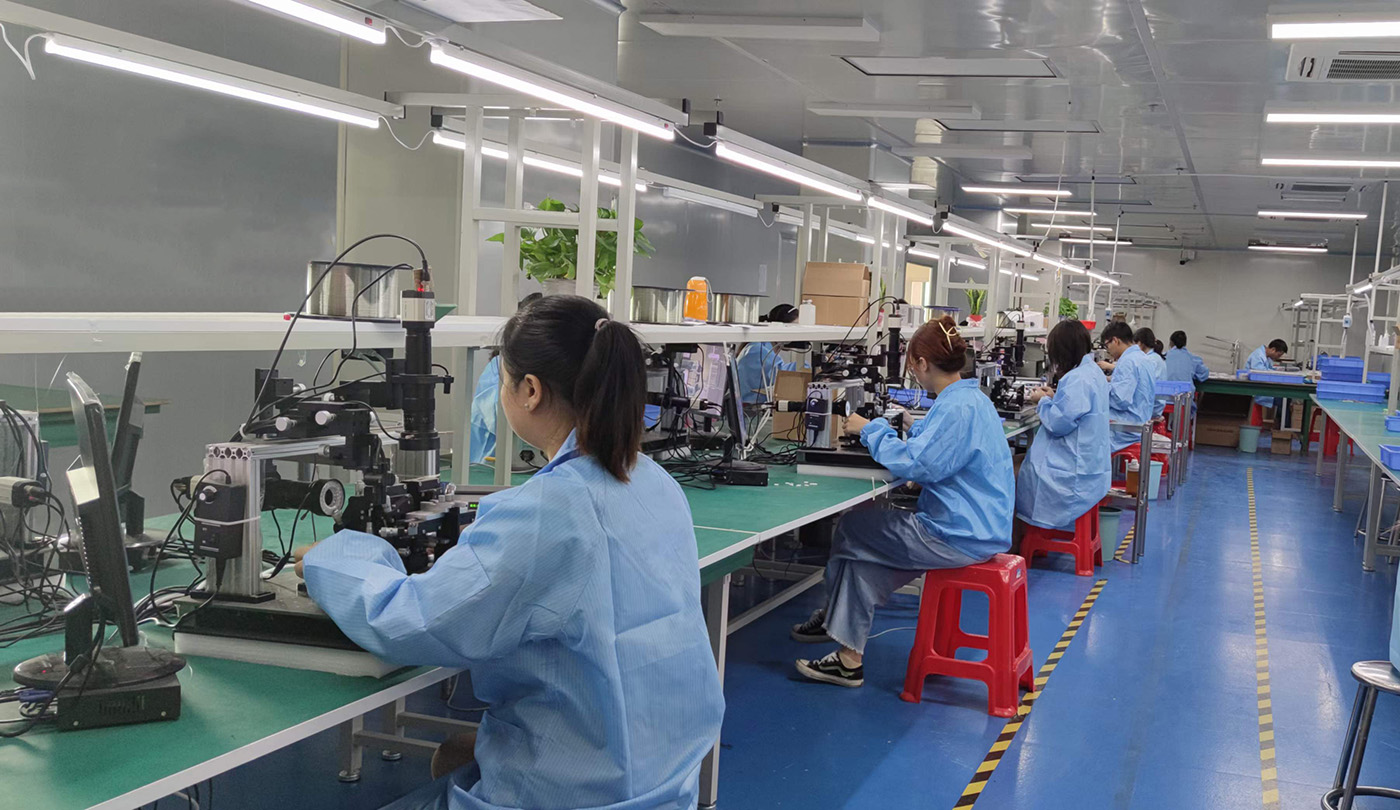
With more than 13 years of experience in manufacturing telecommunication fiber optic products, we strictly follow international fiber optic industry standards (IEC, Telcordia GR-326-CORE) by using mature scientific methods. We guarantee timely delivery, ensuring that 100% of products are tested and inspected before shipment. Our manufacturing labs are equipped with advanced 3D interferometers, optical return loss testers, and environmental test chambers to prove reliability under extreme conditions.
Years of sales and service experience have enabled us to win customers across multiple global regions. Today, our footprint covers East Asia, Southeast Asia, Middle East, Eastern Europe, Western Europe, Northern Europe, South America, North America, North Africa, and South Africa. Win-win cooperation is our constant goal. Many of our OEM and ODM products have won Telecom Operator tenders and satisfy the most demanding end-user requests.
Our solutions are qualified and actively deployed within the infrastructure networks of global Tier-1 telecom operators.
A glimpse into the material science and structural design modifications that will define next-generation optical networks.
Reducing the external diameter of armored cables to match standard non-armored patches, enabling dense patching in high-speed network switches without compromising crush protection.
Advancing LSZH (Low Smoke Zero Halogen) chemical engineering to ensure zero toxic gas release under high heat, combined with improved resistance to ultraviolet radiation and mold.
Standardizing ultra-bend-insensitive single mode fibers that allow a bending radius as low as 5mm, unlocking routing options in extremely cramped edge devices.
Deploying high-tensile glass-reinforced plastic (GRP) armor arrays that offer complete immunity to lightning strikes and high-voltage line interference.
How systems integrators leverage armored cabling systems across critical industrial verticals.
Answers to common questions regarding structural design, material choices, and custom ODM configurations.
Explore our complete range of fiber optic solutions, from transceivers to high-density cabling.
 KOCENT OPTEC