Explore our precision-engineered optoelectronic hardware, active cabling structures, and high-density connectivity solutions built to exceed international telecommunication standards.
All-Dielectric Self-Supporting (ADSS) optical fiber cables represent the pinnacle of overhead transmission system integration. Designed to exist in close proximity to high-voltage AC/DC power lines, ADSS cables are characterized by their completely metallic-free construction. This renders them immune to electromagnetic interference (EMI) and eliminates electrical tracking and potential degradation under heavy electrostatic fields.
As global energy systems transition to smart grids, real-time sensing, and multi-tenant communication networks, ADSS cables have emerged as the standard for retrofitting existing utility poles. Unlike Optical Ground Wire (OPGW), which must be installed during power outages, ADSS cables can be mounted live, presenting immense savings on operational down-time and maintenance scheduling.

Fig 1: Kocent Optec's modern testing labs ensuring zero-fault terminations.
Modern telecommunication frameworks demand robust, long-span capacities to span mountains, rivers, and complex suburban power distribution grids. Key trends shaping the ADSS OFC ecosystem include:
Procuring ADSS OFC cables requires deep technical due diligence. Global EPC contractors, utility operators, and municipal distributors look closely at environmental variables such as maximum wind speed, ice loading, span lengths, installation tension, and electric field potential to build a custom pricelist. A generic specification sheet often falls short when deployed in demanding environments like the high-humidity regions of Southeast Asia, lightning-prone valleys of South America, or the extreme freezing temperatures of Northern Europe.
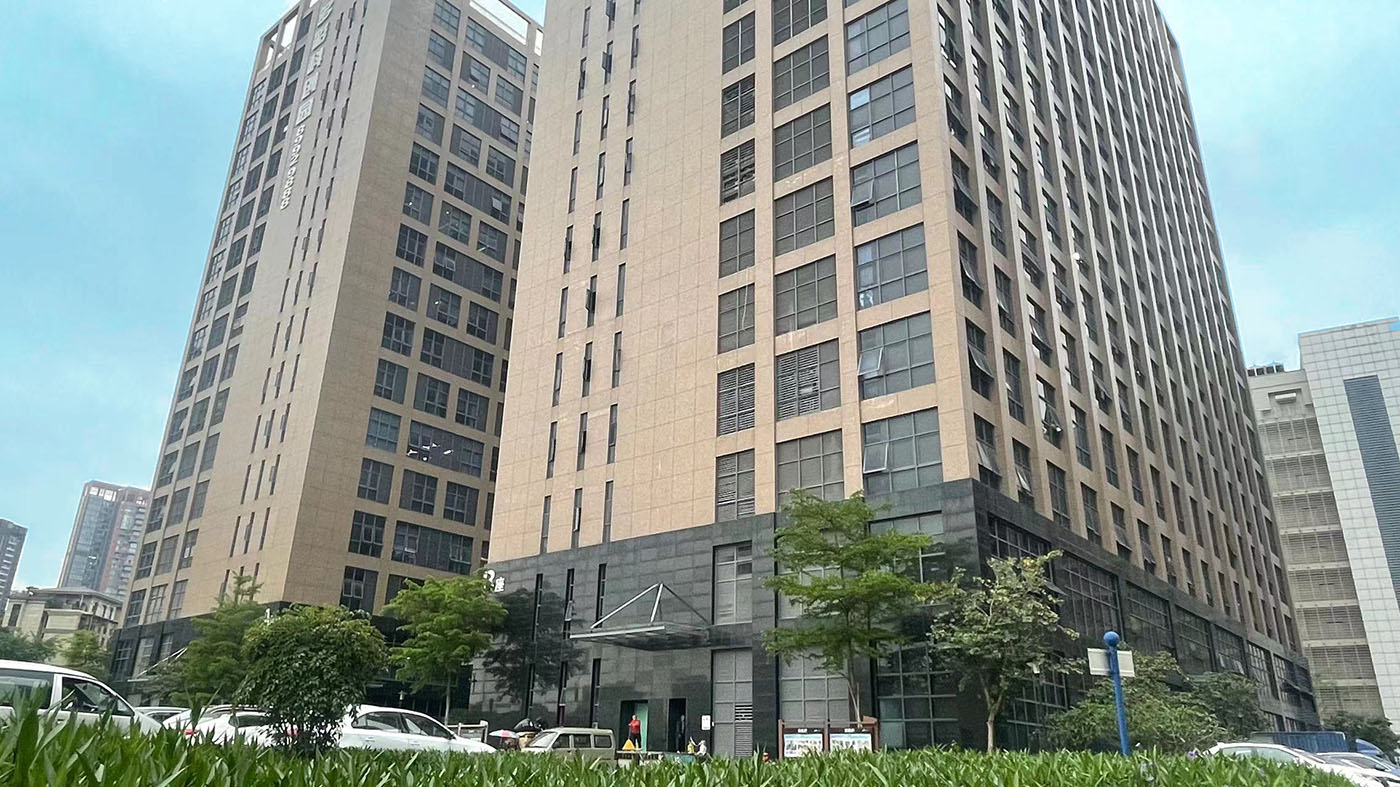
Fig 2: Full compliance testing to guarantee fiber attenuation integrity.
China's manufacturing sector has undergone a systemic shift to Factory 4.0, integrating real-time quality control loop systems, automated fiber drawing, and robotic stranding processes. At Kocent Optec Limited, we leverage this industrial ecosystem to offer significant cost advantages without compromising optical attenuation or tensile tolerances.
By sourcing raw materials like high-purity glass preforms, premium aramid yarn strands, and specialized tracking-resistant polymers in high volume, our production line maintains constant output metrics. The resulting product delivers robust mechanical properties that minimize long-term sag, reduce installation strain, and lower total lifecycle costs for network rollouts.
Kocent Optec Limited established in 2012 in Hongkong as a hi-tech communication enterprise, is one of China's leading fiber optic termination product manufacturer and solution provider. We're dedicated to developing and manufacturing fiber optic communication products ranging from passive to active categories for telecommunication networks, enterprise networks and data centers.
By leveraging our extensive experience and excellent production capacity we gained over the years, we magnify the outcome for our valuable customers, which ultimately expands their core competencies and helps them outperform competitors. We place emphasis on customer collaboration, and we define ourselves as your valuable partner in fiber optic connection solutions. We believe our differentiators are your perceived advantages.
ADSS OFC cables are custom-designed for a wide range of specialized environments. Understanding the localized stresses of each deployment zone is essential for calculating exact price listings:
Deployed adjacent to high-voltage transmission lines up to 220kV. These lines require custom AT (anti-tracking) outer jackets to resist electrical degradation from strong electromagnetic fields.
In high-latitude and coastal zones, cables must support heavy ice accumulation and high-velocity wind loads. This requires specialized mechanical sag calculations and heavy aramid yarn reinforcement.
For city networks utilizing existing utility poles, ADSS provides a cost-effective alternative to underground trenching. Its lightweight design ensures zero overload on legacy poles.
With more than 13 years of experience in manufacturing telecommunication fiber optic products, we follow strictly fiber optic industry standards by using mature scientific methods to deliver your products on time and ensure that 100% products are tested and inspected before shipment.
Years of sales and service experience have enabled us to win customers from different regions. Today, we have customers from East Asia, Southeast Asia, Middle East, Eastern Europe, Western Europe, Northern Europe, South America, North America, North Africa, and South Africa. Win-win cooperation is our constant goal. Many our OEM and ODM products won the Telecom Operator tender and satisfy end-user request.
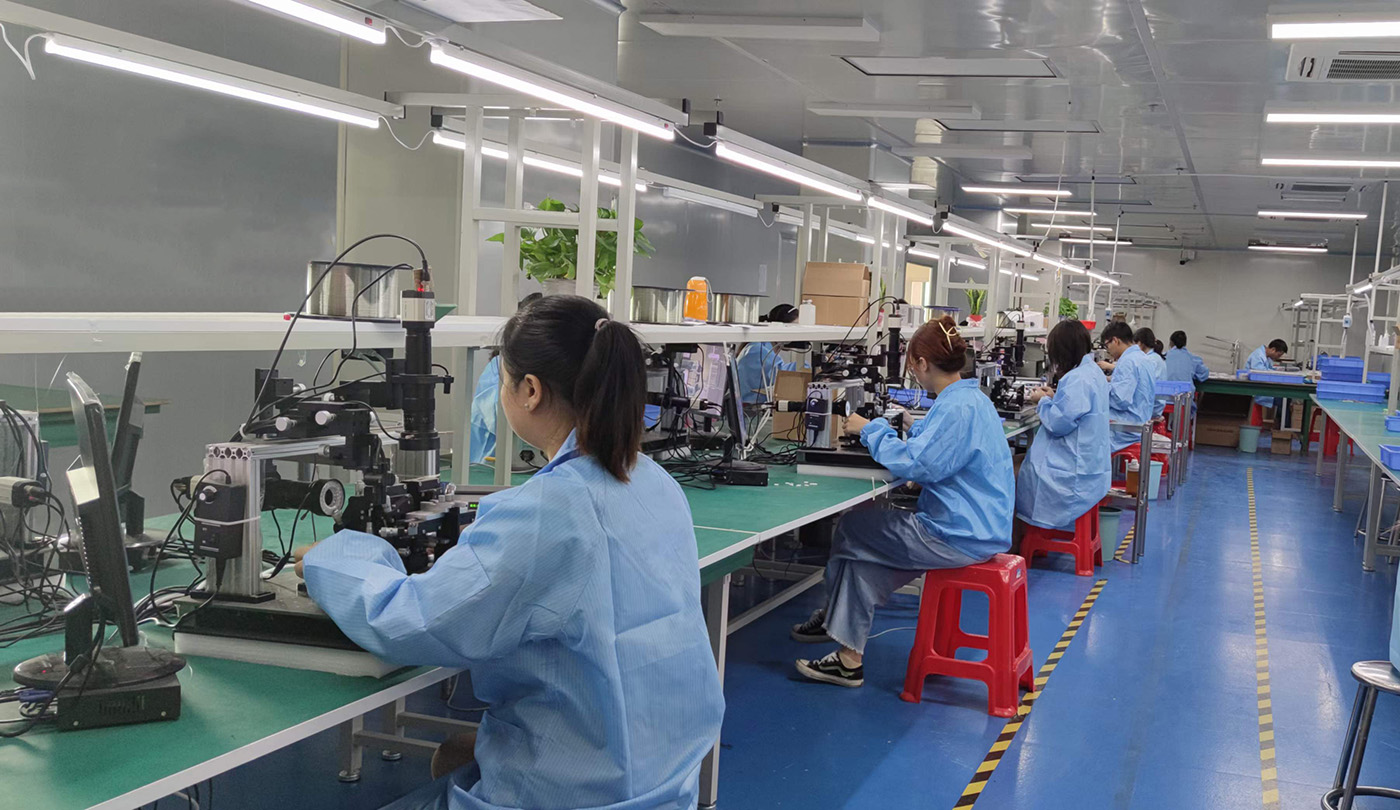
Fig 3: Quality inspection protocol monitoring attenuation tolerances.
Our main terminal telecom operators include:
Review detailed answers to standard technical questions regarding ADSS fiber deployment, mechanical testing, pricing, and active optic assembly requirements.
Explore our collection of transceivers, protective closures, outdoor drop cables, and high-density distribution modules.
 KOCENT OPTEC