 KOCENT OPTEC
1 / 3
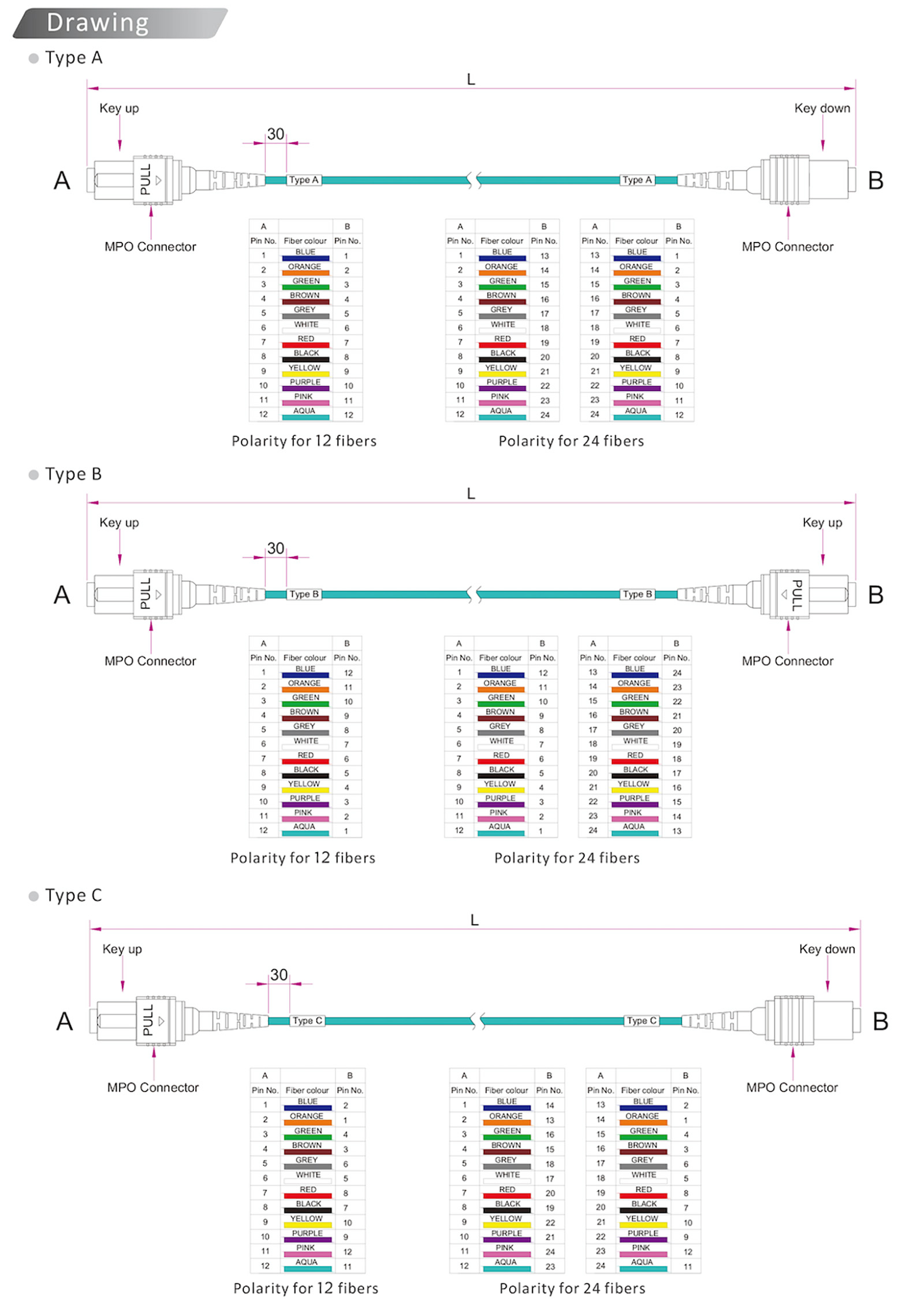
| Type | Single Mode (APC Polish) | Single Mode (UPC Polish) | Multimode (PC Polish) | |||
|---|---|---|---|---|---|---|
| Fiber Count | 8, 12, 24 etc. | 8, 12, 24 etc. | 8, 12, 24 etc. | |||
| Fiber Type | G652D, G657A1 etc. | G652D, G657A1 etc. | OM1, OM2, OM3, OM4, OM5, etc. | |||
| Max. Insertion Loss | Elite (Low Loss) | Standard | Elite (Low Loss) | Standard | Elite (Low Loss) | Standard |
| ≤0.35 dB | ≤0.75 dB | ≤0.35 dB | ≤0.75 dB | ≤0.35 dB | ≤0.60 dB | |
| Return Loss | ≥60 dB | ≥60 dB | NA | |||
| Durability | ≥500 times | ≥500 times | ≥500 times | |||
| Operating Temperature | -40℃ ~ +80℃ | -40℃ ~ +80℃ | -40℃ ~ +80℃ | |||
| Test Wavelength | 1310nm | 1310nm | 1310nm | |||
| Insert-pull test | 1000 times ≤0.5 dB | |||||
| Interchange | ≤0.5 dB | |||||
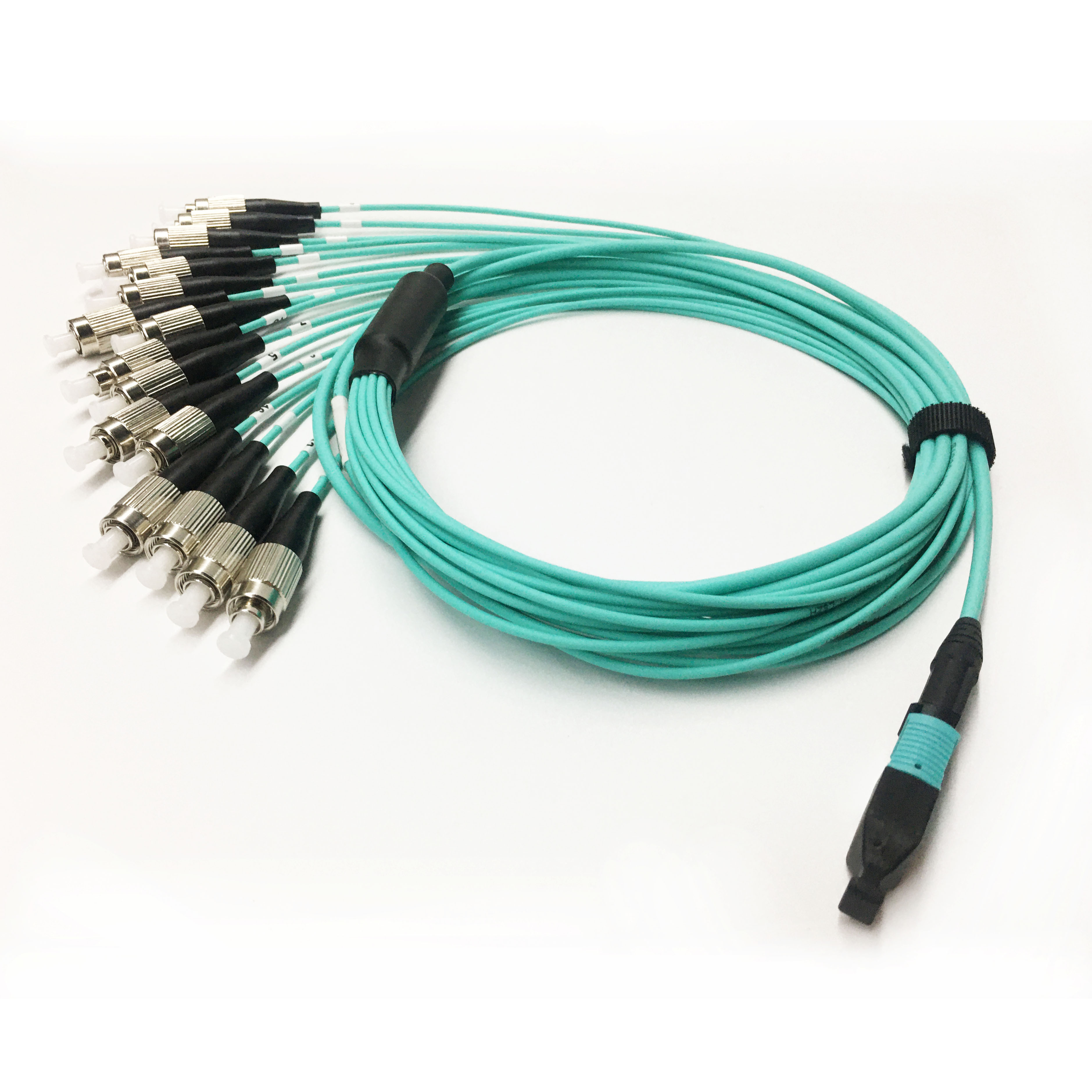
Q1: What is the main configuration of the MTP-16 / MPO-16 patch cable?
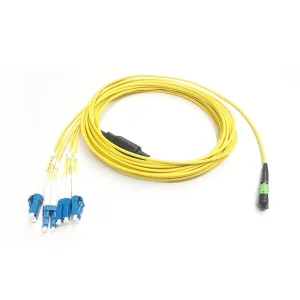
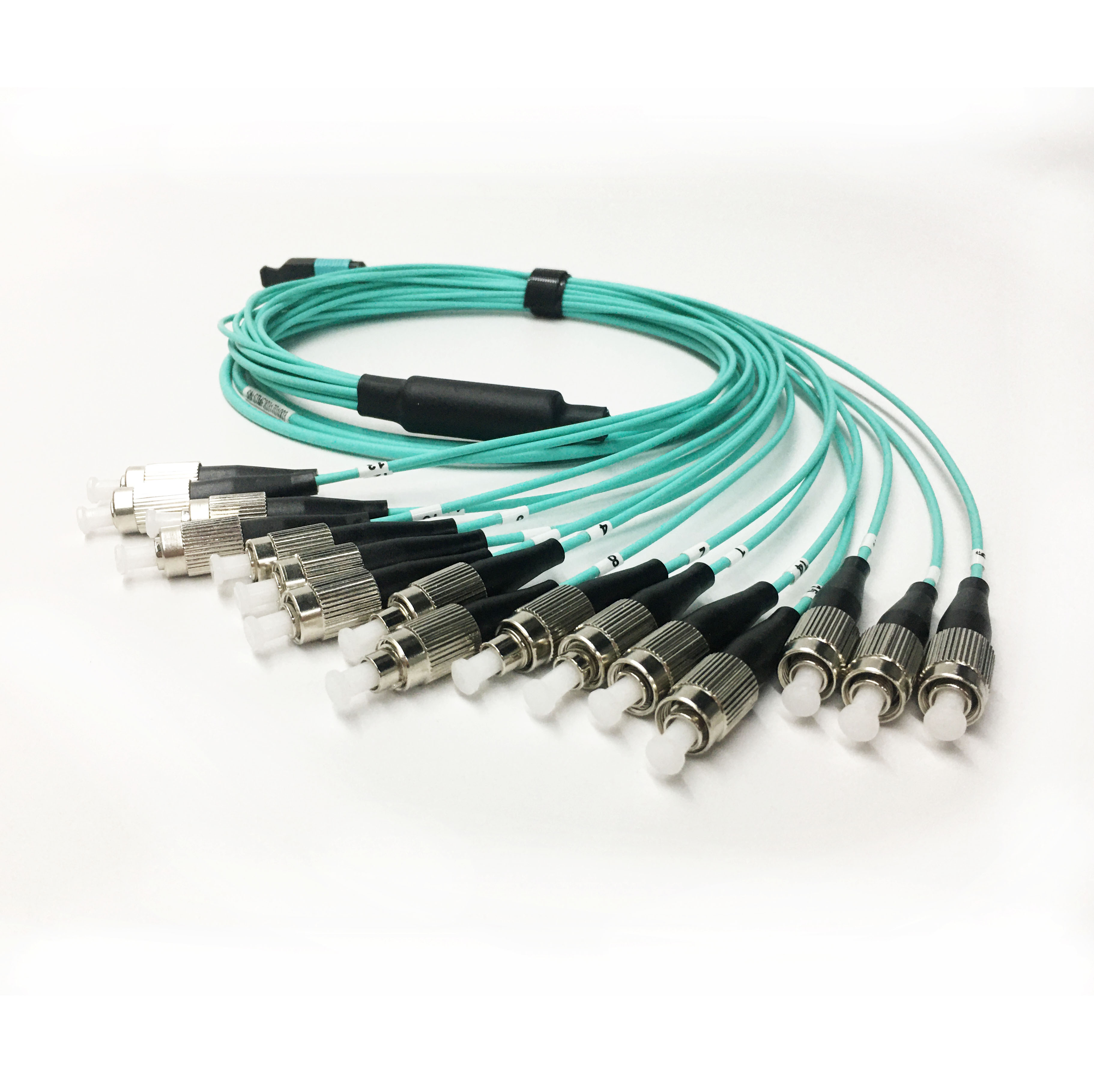
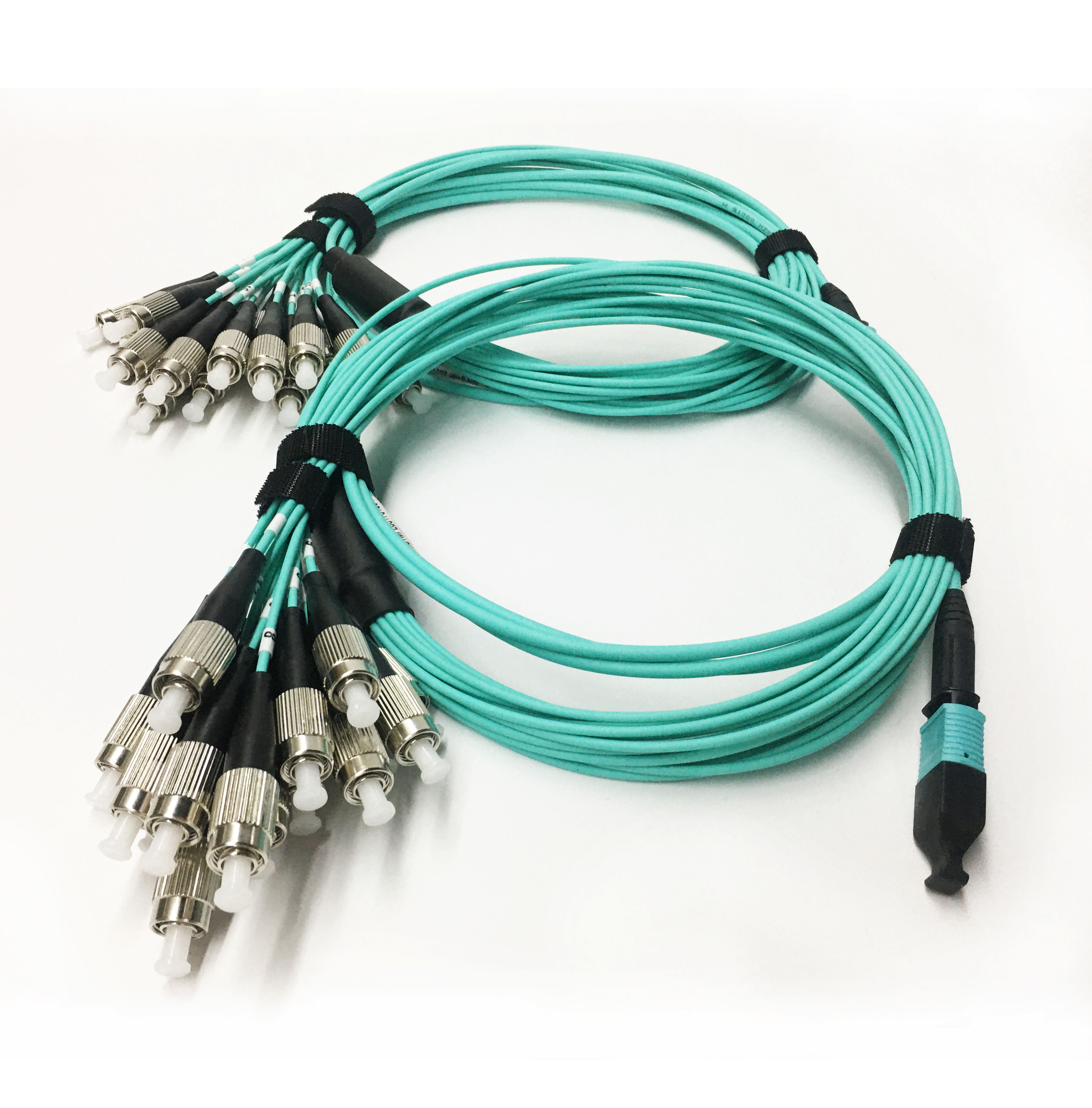
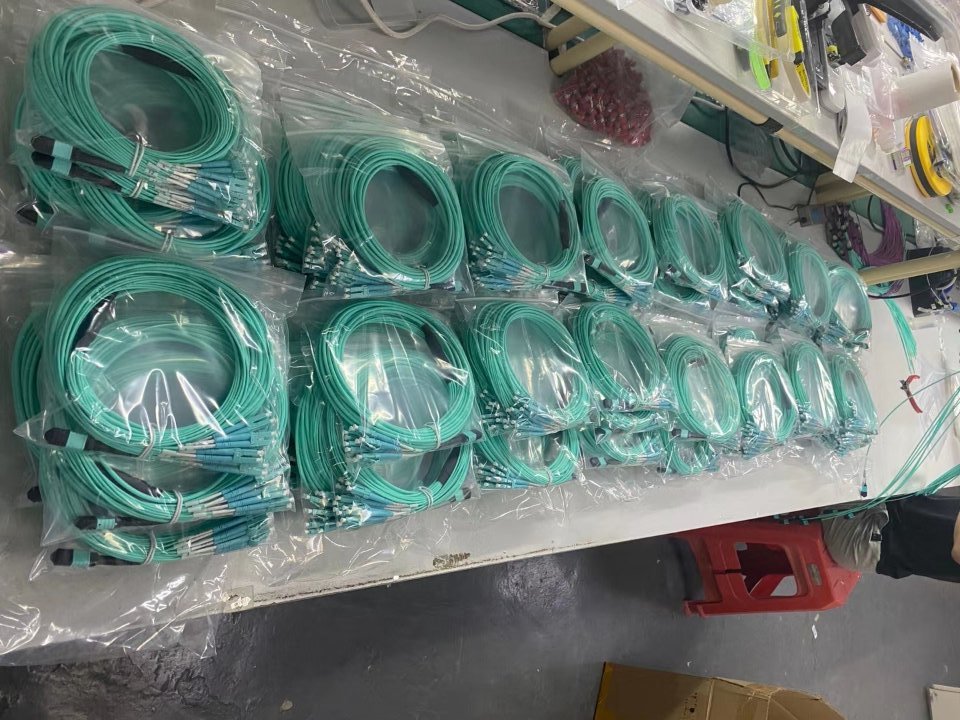
A: The MTP-16/MPO-16 patch cable features a 16-fiber connector on one side and can breakout to SC, FC, LC, ST, E2000, or other connector sizes on the opposite end. The main cable is typically a 3.0mm LSZH round cable, with a 2.0mm breakout cable measuring approximately 30cm in length.
Q2: How does the signal transfer distance compare between OM3 and OM4 in 10G/40G/100G networks?
A: For 10G transmission, OM3 reaches 300 meters, while OM4 reaches up to 550 meters. For 40G/100G transmission, OM3 supports up to 100 meters, and OM4 supports up to 150 meters.
Q3: What are the differences in optical performance parameters between Elite and Standard types?
A: Elite low-loss connectors provide a maximum insertion loss of ≤0.35 dB for both Single Mode and Multimode. Standard types have a maximum insertion loss of ≤0.75 dB for Single Mode and ≤0.60 dB for Multimode.
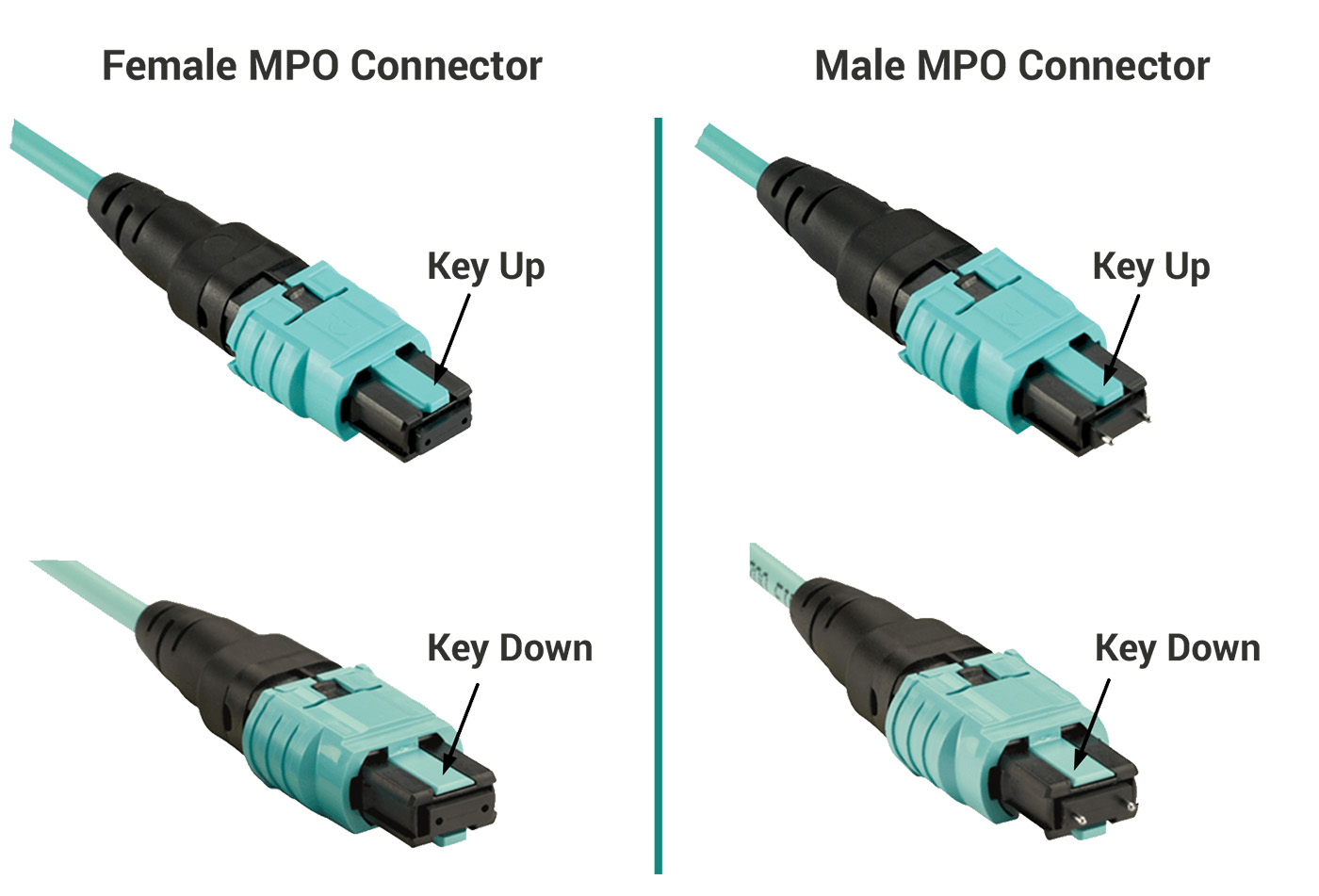
Q4: Are MTP/MPO harness cables available in both Male and Female connector types?
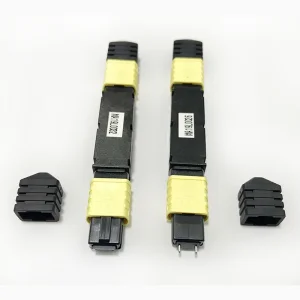
A: Yes, both Female and Male MPO/MTP connectors are available. The Male type connector is equipped with alignment pins, whereas the Female type connector is pinless.
Q5: What are the key applications for MTP-16 / MPO-16 harness cables?
A: These high-density cables are optimized for Data Center Interconnects, head-end fiber backbone terminations, fiber rack systems, metropolitan networks, high-density cross connects, and testing laboratories.
Q6: What outer jacket specifications and color coding are used for these cables?
A: The cables feature an environmentally friendly LSZH (Low Smoke Zero Halogen) jacket. Both OM3 and OM4 typically use aqua jackets, though OM4 is sometimes distinguished with a violet jacket color.