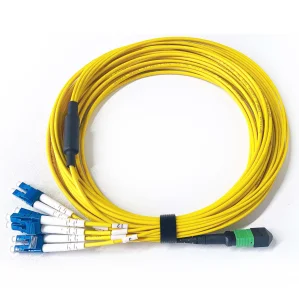
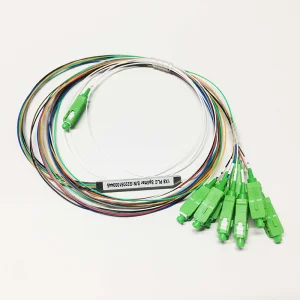
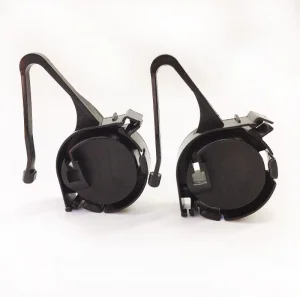
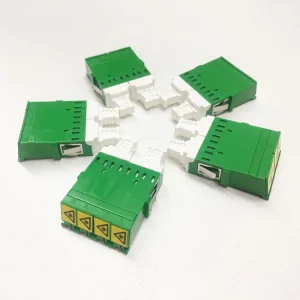
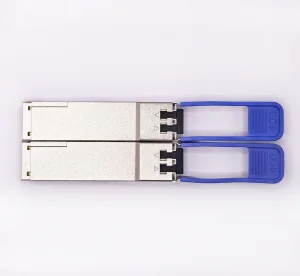
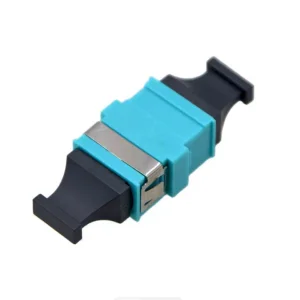
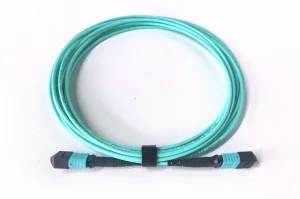
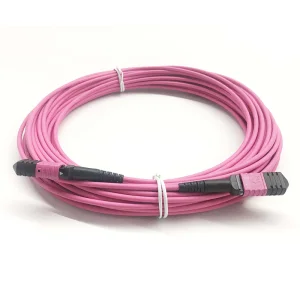
As modern hyperscale datacenters, high-frequency trading (HFT) nodes, and private enterprise networks transition to denser processing models, the demand for resilient physical layers becomes paramount. A 40Gb fiber cable is no longer just a passive optical link; it is a meticulously engineered system designed to control return losses, minimize insertion losses, and mitigate chromatic dispersion across critical pathways. By leveraging multi-lane distribution technologies, 40G systems form the foundational backbone for evolving 100G, 200G, and 400G ethernet frameworks.
To implement 40Gb/s networks efficiently, designers choose between two major optical transmission paths: Single-Mode Fiber (SMF) configurations using wavelength division multiplexing (such as 40GBASE-LR4), and Multi-Mode Fiber (MMF) using parallel optic arrays (such as 40GBASE-SR4). The technical decision lies in balancing performance constraints, transceiver transceiver expenditures, and structural scalability within spatial limits.
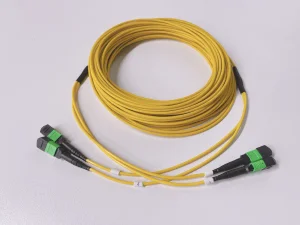
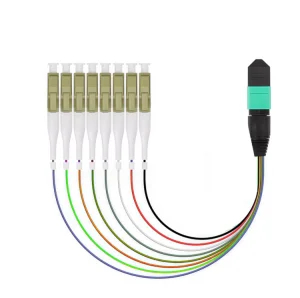
Depending on the required reach of your structured cabling design, you must determine the appropriate glass medium. For short-reach connections inside the same room or row (typically less than 150 meters), multi-mode OM3 and OM4 cables running parallel optics (using MPO/MTP interfaces) offer the lowest system cost, because multi-mode VCSEL transceivers are significantly less expensive than their single-mode laser counterparts.
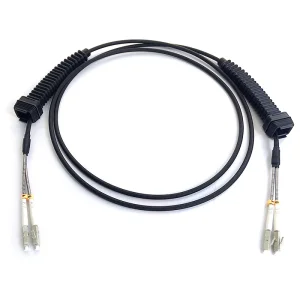
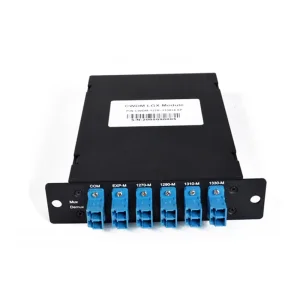
For long-reach backbones spanning multiple buildings or metro regions, Single-Mode Fiber (OS2) utilizing CWDM (Coarse Wavelength Division Multiplexing) over a duplex LC interface is preferred. Understanding these physical limits is key to avoiding unnecessary active hardware upgrades:
| Standard Type | Medium Class | Connector Type | Maximum Distance Limit | Spectral Insertion Loss Allowed |
|---|---|---|---|---|
| 40GBASE-SR4 | Multimode (OM3) | MTP/MPO-12 (8 Fibers Active) | 100 Meters | 1.9 dB |
| 40GBASE-SR4 | Multimode (OM4) | MTP/MPO-12 (8 Fibers Active) | 150 Meters | 1.5 dB |
| 40GBASE-LR4 | Singlemode (OS2) | Duplex LC | 10 Kilometers | 2.3 dB |
| 40GBASE-ER4 | Singlemode (OS2) | Duplex LC | 40 Kilometers | 2.6 dB |
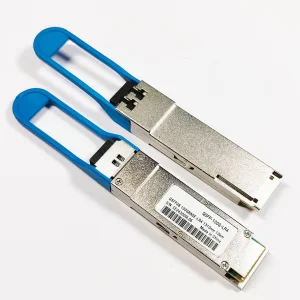
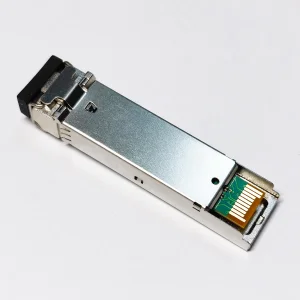
Structured cabling installations are significant capital investments meant to last 10 to 15 years. Thus, planning for a 40Gb deployment requires a clear understanding of path migration towards 100G (using QSFP28 modules) and 400G (using QSFP-DD technologies). By routing high-quality MTP-24 or MPO-12 backbones from the start, datacenter architects can upgrade processing speeds simply by swapping hot-pluggable optic modules, avoiding complex, costly fiber re-pulls.
Utilizing parallel MPO-12 cabling systems where 4 lanes transmit at 10Gbps and 4 lanes receive at 10Gbps. This creates an efficient infrastructure layer but leaves 4 fibers dark. Upgrading termination components is crucial here.
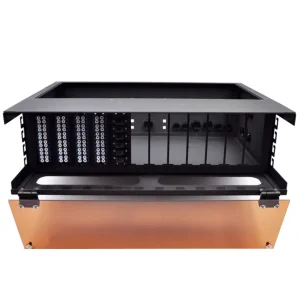
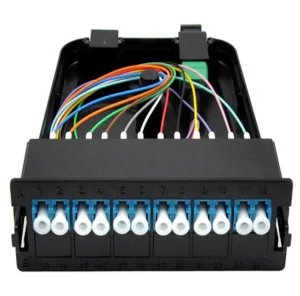
Deploying ultra-low loss MTP-24 trunks allows carrying three individual 40G lanes or two 100G streams down a single cable structure. This minimizes rack space usage and maximizes structural cable pathway density.
Moving toward 400G and 800G protocols where base-8 and base-12 configurations operate in tandem with advanced modulation formats like PAM4. Standardizing on low-loss connectors (0.15dB or better) ensures your physical network layer supports these tighter loss budgets.
Kocent Optec Limited, established in 2012 in Hong Kong as a high-tech communication enterprise, stands as one of China's leading fiber optic termination product manufacturers and solution providers.
We are dedicated to developing and manufacturing fiber optic communication products ranging from passive to active categories for telecommunication networks, enterprise networks, and advanced data centers globally.
Our commitment is centered on delivering absolute signal integrity, utilizing top-tier glass preforms and robust structural materials to ensure every assembly complies with or exceeds standard requirements.

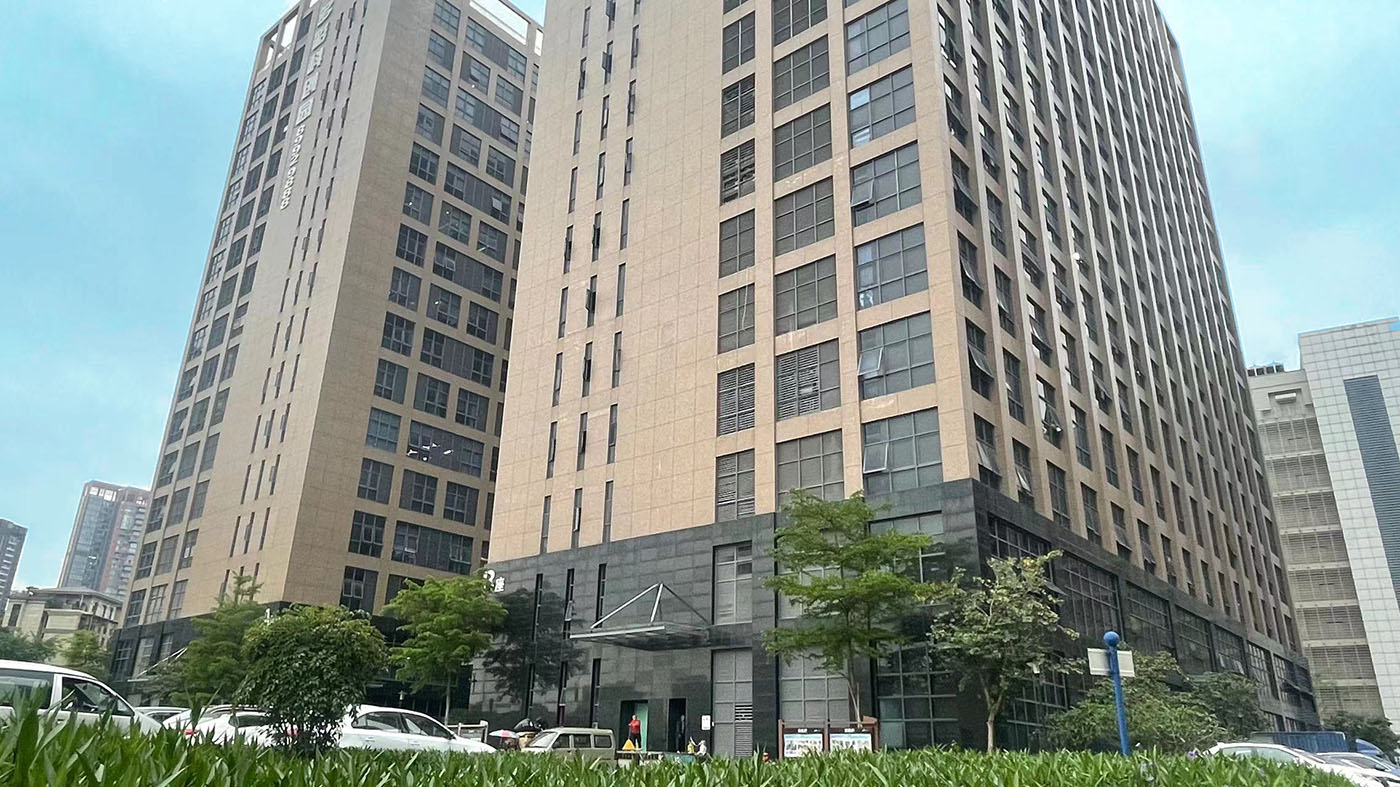
By leveraging our extensive manufacturing experience and high production capacity, we help maximize business outcomes for our customers, expanding their core competencies and helping them outperform competitors.
We place strong emphasis on close customer collaboration, defining ourselves as a trusted partner for reliable fiber optic connection solutions. We believe our differentiators are your perceived advantages in the market.
With more than 13 years of experience in manufacturing telecommunication fiber optic products, we strictly follow fiber optic industry standards. Using proven scientific methods, we deliver products on time and ensure that 100% of products are tested and inspected before shipment.
From geometry parameter validation using 3D interferometers to exact insertion loss (IL) and return loss (RL) sweeps, we provide complete, transparent test data to guarantee field performance from day one.
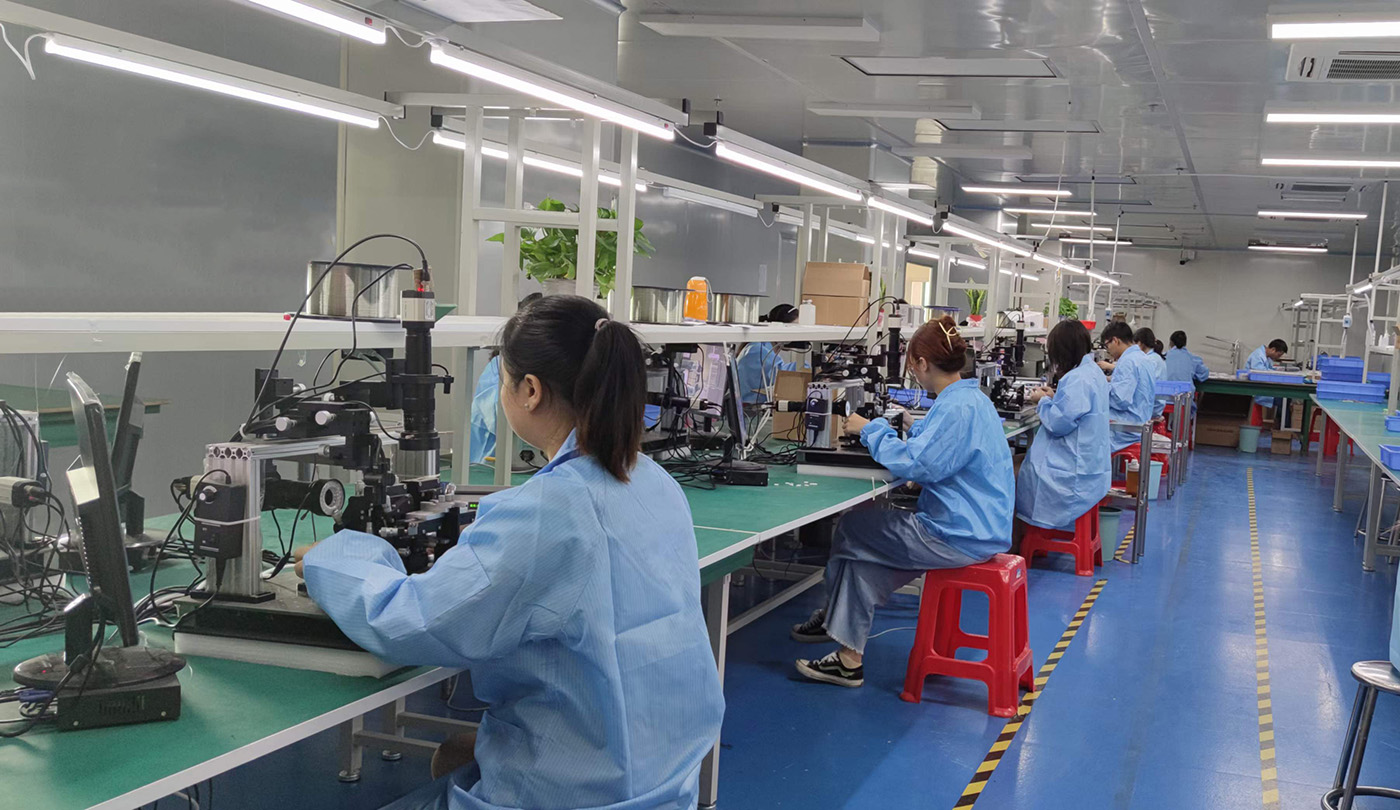
Our ODM and OEM solutions have won numerous telecom operator tenders, matching strict technical requirements globally. Our components are deployed in networks run by:
The global fiber market requires prompt project deliveries and consistent product quality. Operating out of China's primary high-tech communication clusters allows Kocent Optec to source raw materials, specialized silica glass preforms, and high-precision ceramic ferrules within tight geographic circles. This vertical integration keeps material pipelines stable and production costs predictable, even amidst macro supply disruptions.
By coupling this raw material access with automated polishing processes, multi-stage ultrasonic cleaning systems, and real-time optical testing equipment, we achieve high consistency in mass production. Consequently, international buyers can source components that meet strict European and American safety and environmental codes without long lead times.
Implementing 40G infrastructure requires understanding specific regional demands and environments:
 KOCENT OPTEC