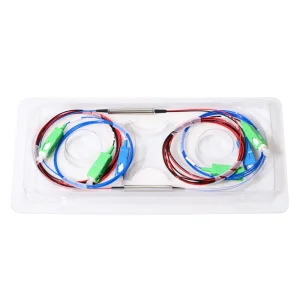
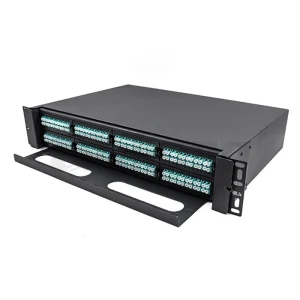
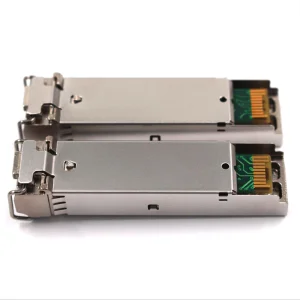
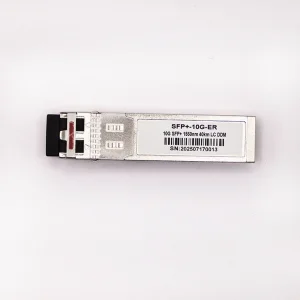
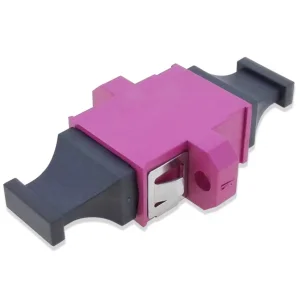
Explore our premium catalog of high-performance passive and active components engineered to streamline high-density architectures and maximize system uptime.
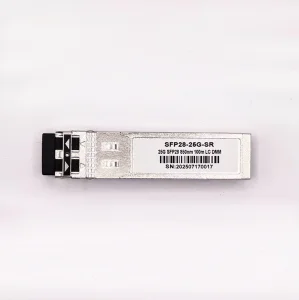
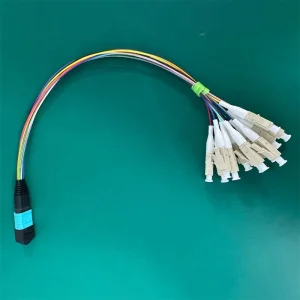
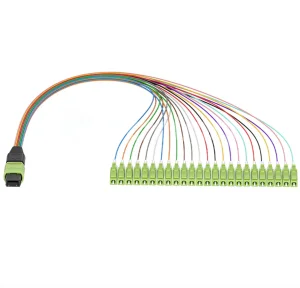
In the rapidly evolving telecommunications era, high-density fiber routing systems serve as the structural backbone of global digital economies. Underpinning this infrastructure is the 12-core optical cable, which acts as the foundational unit for high-density modular configurations.
The standard 12-core design is highly compatible with the MPO/MTP interfaces standard in high-speed optical applications. As data center architectures shift from 10G to 100G, 400G, and 800G, parallel optic technologies necessitate 12-fiber groupings to optimize data paths and eliminate structural inefficiencies.
Carriers globally utilize 12-core systems for distribution runs, building-to-building links, and local loop connections. The 12-core grouping provides a balanced configuration, balancing capacity expansion with manageable cable diameters.
Modern commercial developments rely on 12-core backbone cables to bridge localized networking closets. This ensures seamless scalability and simplifies diagnostic efforts as organizational bandwidth demands grow.
Established in 2012 in Hong Kong as a high-tech communications enterprise, Kocent Optec Limited has grown to become one of China's premier fiber optic termination product manufacturers and solution providers.
We specialize in the development and manufacturing of a wide range of passive and active fiber optic products. Our catalog serves demanding applications across global telecommunication networks, enterprise infrastructures, and hyper-scale data centers.
With over 13 years of rigorous manufacturing experience, we strictly implement international fiber optic standards, delivering highly tested, defect-free systems to our global network of partners.

Procuring from high-tier manufacturers in China offers significant supply chain advantages. These benefits extend beyond simple cost savings to encompass scale, speed-to-market, and advanced technological expertise.
By housing ferrules, polymers, raw fiber strands, and high-precision injection molds in close proximity, Chinese manufacturing clusters minimize production bottlenecks and reduce lead times.
Whether processing a customized order for specialized fiber breakouts or producing millions of meters of distribution cables for major telecommunication bids, China's manufacturing capacity scales quickly to match demand spikes.
Leveraging 3D interferometers, automated insertion/return loss testing terminals, and strict environmental cycle chambers ensures that 100% of finished products conform to Telecordia GR-326-CORE specifications.
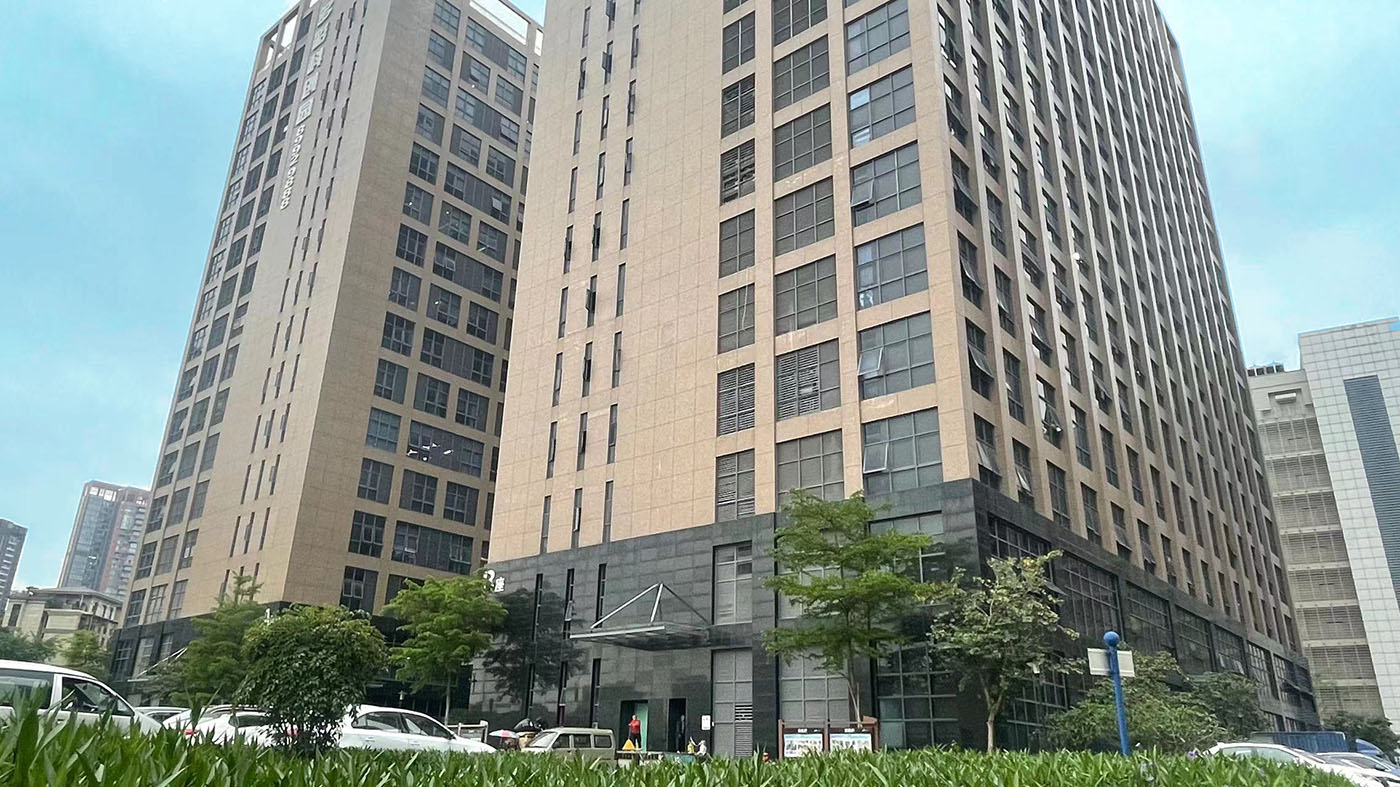
Our collaborative operational model is built on active partnership. We align our manufacturing capabilities directly with your deployment goals, helping to shorten project lifecycles and lower overall total cost of ownership (TCO).
By working closely with clients from design through volume production, we ensure compatibility with existing hardware ecosystems. This approach helps minimize integration issues in the field.
From dense metropolitan networks to extreme industrial environments, the 12-core optical architecture serves as a versatile baseline across several key infrastructure verticals.
Utilized for spine-and-leaf switches, high-density fiber patching bays, and top-of-rack (ToR) distributions. The 12-core configuration is optimal for breakout applications connecting high-speed 100G/400G transceivers to multiple 10G/25G distribution ports.
Acts as the distribution cabling from central offices out to optical splitter distribution boxes (ODBs) within residential communities, providing the capacity to service several neighborhoods from a single trunk cable run.
Deployed in smart grid control networks and manufacturing systems where interference-free, high-bandwidth communications are critical. Our robust LSZH outer jackets protect against industrial hazards, oil exposure, and temperature variations.
With more than 13 years of expertise manufacturing high-performance fiber optic components, we utilize scientific testing and production management methodologies. We verify and inspect 100% of products prior to shipment, ensuring dependable performance out of the box.
This commitment to quality has enabled Kocent Optec to build a global customer base across East Asia, Southeast Asia, the Middle East, Europe, South America, North America, and Africa.
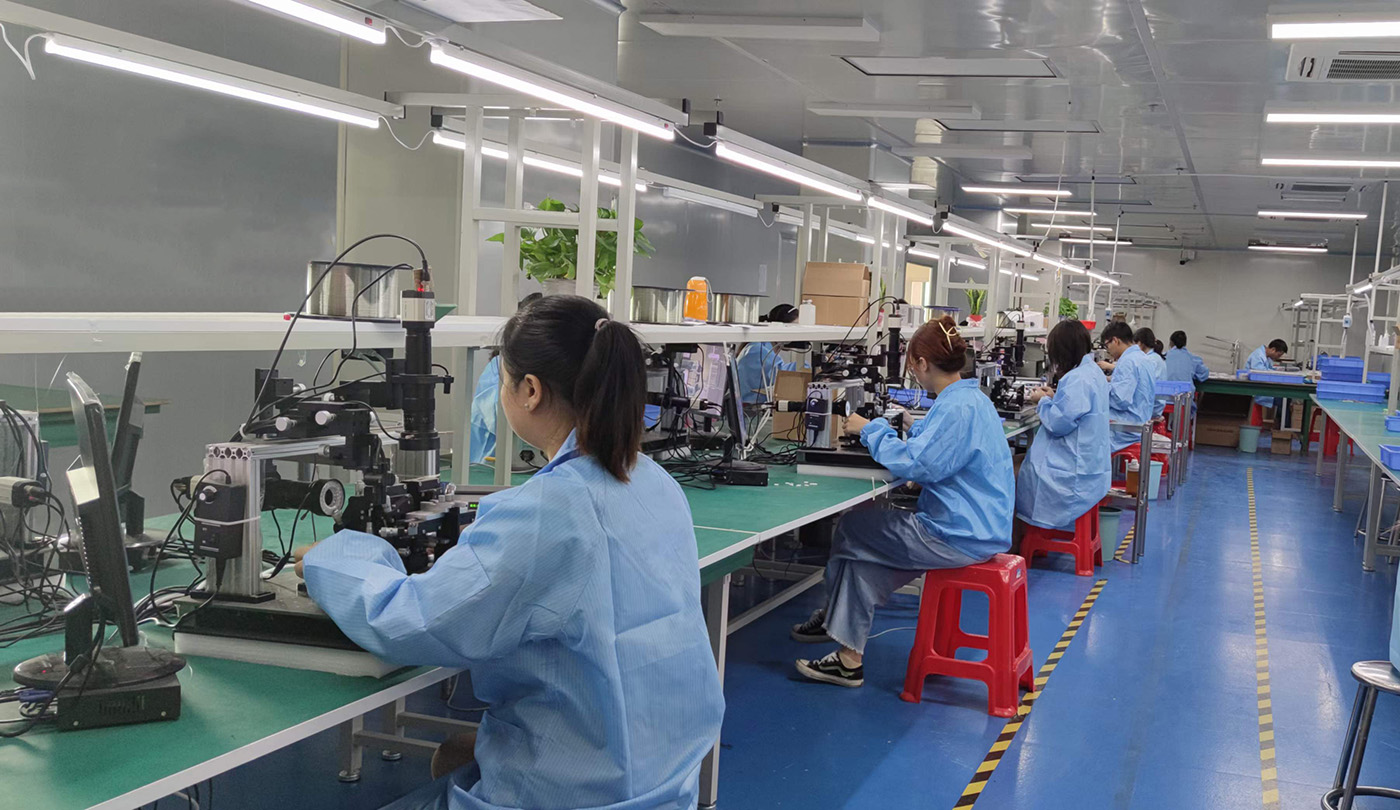
At Kocent Optec Limited, we prioritize win-win cooperation. Over the years, our OEM and ODM products have helped partners win major telecommunications tenders worldwide by meeting stringent operator standards.
Our terminal telecom operators and end-users include leading names such as SingTel, Vodafone, America Movil, Telefonica, Bharti Airtel, Orange, Telenor, VimpelCom, TeliaSonera, Saudi Telecom, MTN, Viettel, Bitel, VNPT, Laos Telecom, MYTEL, Telkom, Telekom, Entel, FiberTel, StarFiber, Ooredoo, Beeline, and Azercell.
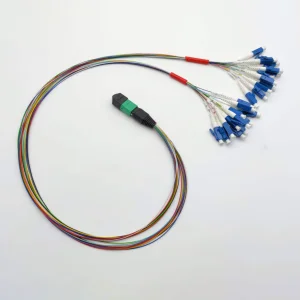
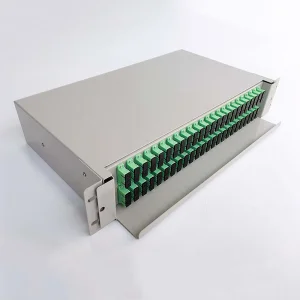
Whether sourcing custom LSZH jacketed indoor/outdoor breakout cables, high-density patch panels, or MTP/MPO systems, our engineering team provides comprehensive product designs, CAD support, and documentation to streamline the tendering process.
Below are detailed answers to key technical and commercial questions surrounding the procurement and deployment of 12-core fiber optic networks.
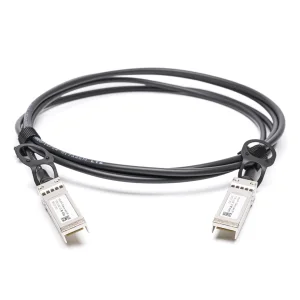
Explore our collection of fiber couplers, active direct attach cables, and optical distribution accessories built to high manufacturing tolerances.
 KOCENT OPTEC