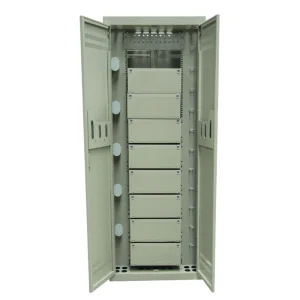
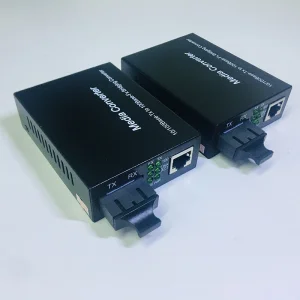
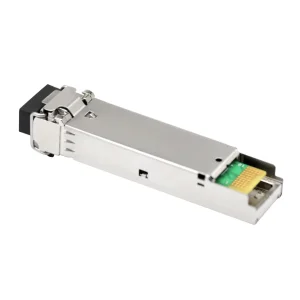
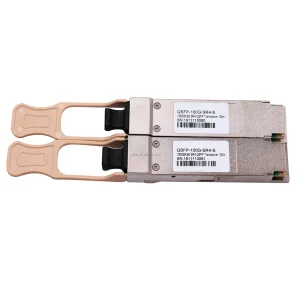
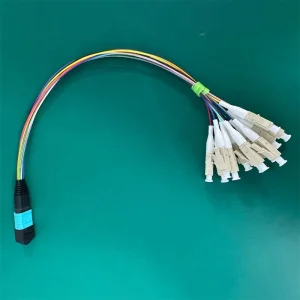
Explore our highly integrated passive assemblies, fiber distribution modules, and active transceivers engineered to minimize packet loss and total cost of ownership (TCO).
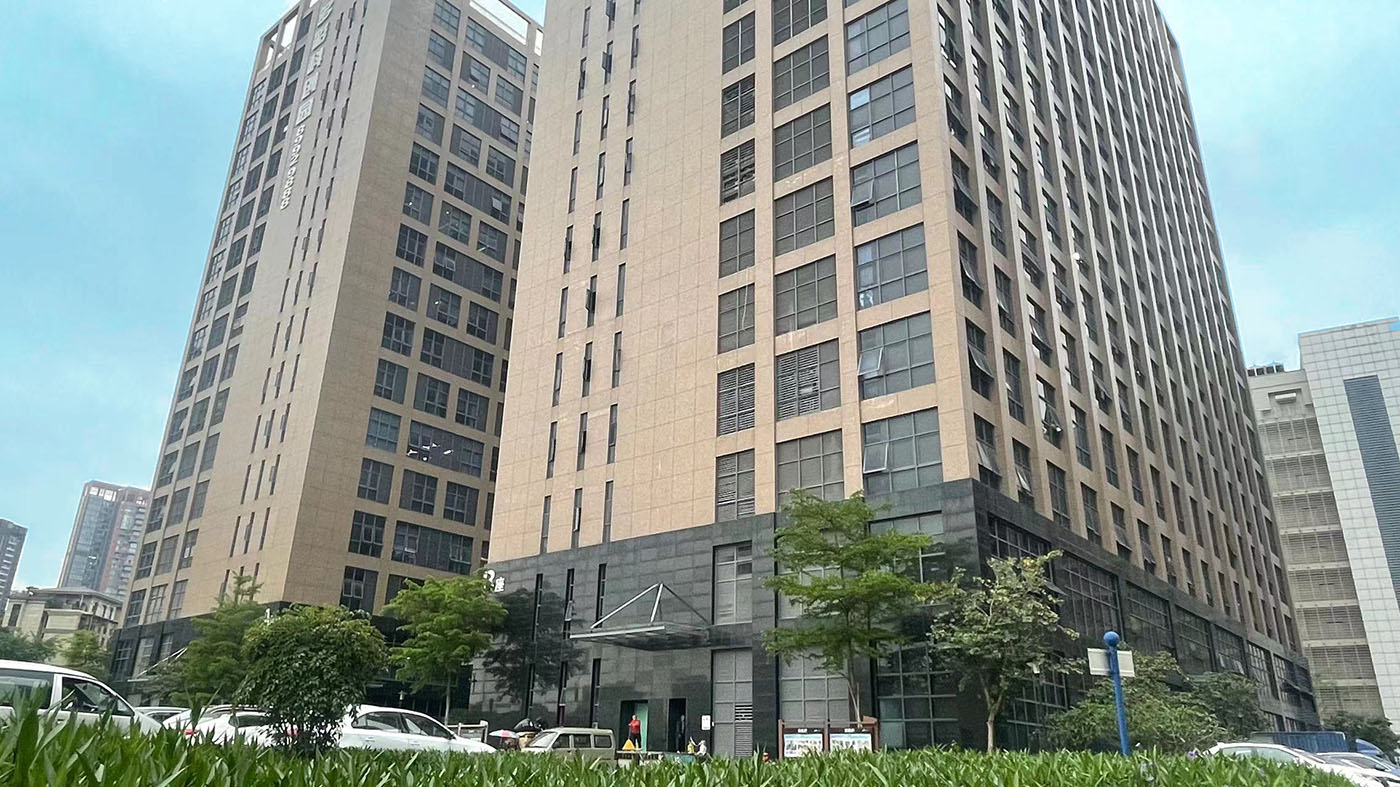
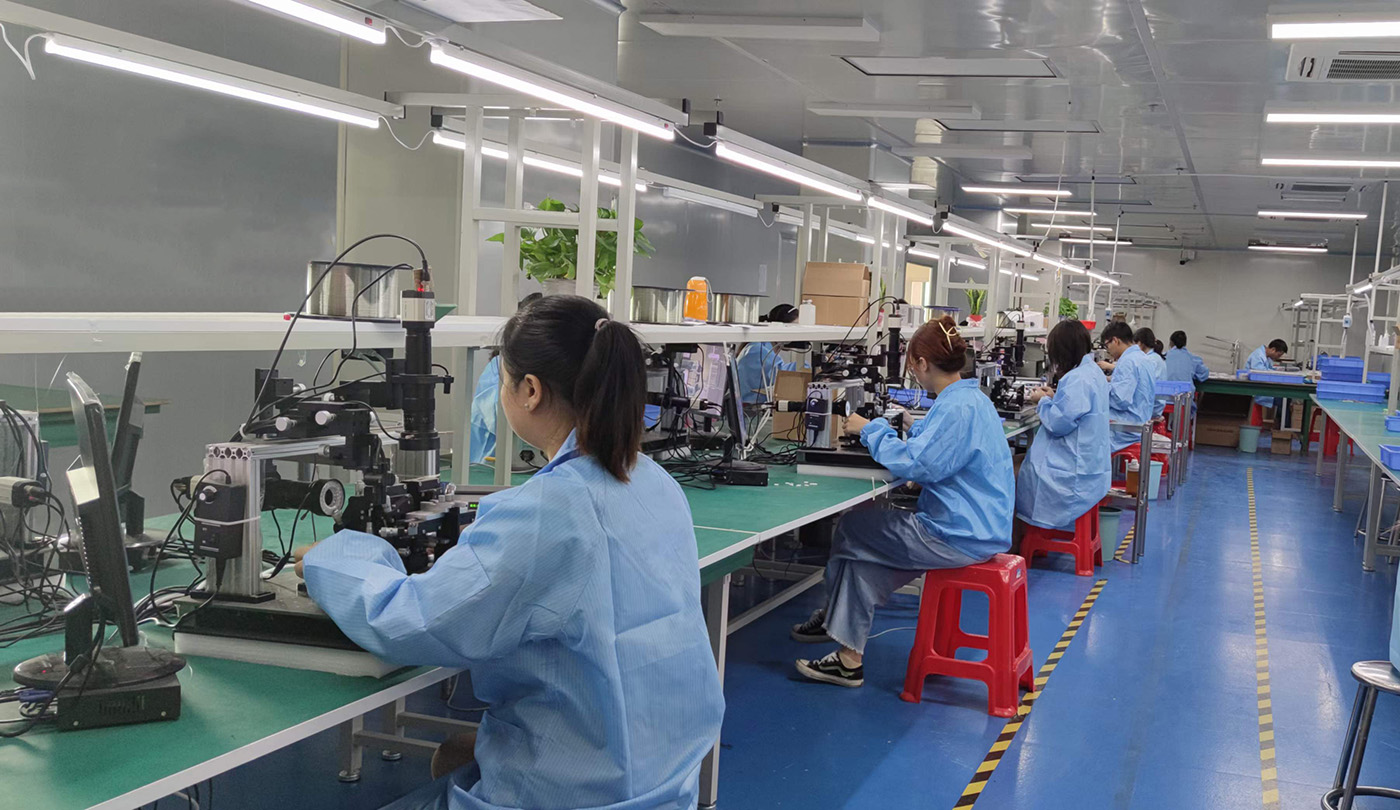
Established in 2012 in Hong Kong as a high-tech communication enterprise, Kocent Optec Limited has emerged as one of China's premier fiber optic termination product manufacturers and end-to-end optical solution providers.
We are relentlessly dedicated to the R&D, mass production, and international logistics of passive and active fiber optic communication components. Our offerings scale across municipal telecommunication networks, enterprise LANs, next-generation hyperscale data centers, and industrial FttX schemes.
By leveraging our extensive experience and advanced production lines, we streamline margins, enhance mechanical accuracy, and maximize performance output for our global clientele. This collaborative engineering approach elevates your network infrastructure reliability, positioning you ahead of the digital curve.

Why 8-Core Single Mode fiber cable architecture is the fundamental building block for long-distance, high-bandwidth communication corridors.
Modern cloud fabrics require micro-cables that deliver maximum spatial density with zero latency compromises. 8-core single mode setups provide 4 independent duplex transmit/receive links, optimizing high-speed optical transceivers operating at 100G, 400G, and 800G. By deploying custom G.657.A1 fiber pathways, operators reduce cable tray congestion and drastically improve cooling efficiency.
The roll-out of 5G Next-Generation NodeB (gNodeB) cellular base stations mandates low-latency links between Centralized Unit / Distributed Unit (CU/DU) and Remote Radio Heads (RRH). An 8-core single mode architecture allows dedicated fiber pairs for CPRI/eCPRI traffic while maintaining spare fibers for local telemetry, positioning sensors, and future-proof site expansions.
Civil municipal projects are shifting away from large-diameter, high-cost copper cables in favor of robust, compact dielectric glass pipelines. An 8-core fiber network integrates traffic surveillance systems, automated grid monitors, public Wi-Fi backbones, and emergency broadcasting systems into a single, non-conductive cable jacket resilient against electromagnetic interference (EMI).
A granular analytical overview comparing physical geometry, optical tolerances, and performance thresholds of standard 8-Core OS2 configurations.
| Physical & Optical Parameter | ITU-T G.652.D Standard Specification | ITU-T G.657.A1 / A2 (Bending Insensitive) | Kocent Optec Factory Target Performance |
|---|---|---|---|
| Mode Field Diameter (MFD) at 1310nm | 9.2 ± 0.4 µm | 8.6 to 9.2 ± 0.4 µm | 9.0 ± 0.3 µm (Optimized for Splice Consistency) |
| Cladding Diameter & Non-Circularity | 125.0 ± 0.7 µm / ≤ 0.7% | 125.0 ± 0.7 µm / ≤ 0.7% | 125.0 ± 0.5 µm / ≤ 0.5% (High Concentricity) |
| Max Attenuation Coefficient (1310nm) | ≤ 0.35 dB/km | ≤ 0.35 dB/km | ≤ 0.32 dB/km (Premium Silica Core) |
| Max Attenuation Coefficient (1550nm) | ≤ 0.20 dB/km | ≤ 0.21 dB/km | ≤ 0.18 dB/km (Ultra-Low Dispersion) |
| Minimum Bending Radius (Static / Dynamic) | 30 mm / 60 mm | 10 mm / 20 mm (G.657.A1) | 7.5 mm / 15 mm (Enhanced Bend Insensitivity) |
| PMD (Polarization Mode Dispersion) | ≤ 0.1 ps/√km | ≤ 0.1 ps/√km | ≤ 0.06 ps/√km (Ensures long haul 400G+ integrity) |
| Zero Dispersion Wavelength Range | 1300 to 1324 nm | 1300 to 1324 nm | 1302 to 1322 nm |
*Note on Glass Preform Engineering: At Kocent Optec, we utilize plasma chemical vapor deposition (PCVD) technologies to fabricate high-purity synthetic quartz glass preforms. Our precise control over the germania-doping profile in the core ensures minimal refractive index fluctuations, minimizing macroscopic bending attenuation and signal degradation at high-power transmission bands.
By vertically integrating our sourcing of aramid yarns (Kevlar), fiber coloring inks, and low-smoke zero-halogen (LSZH) compounds, we achieve exceptional cost savings. These savings are passed directly to our customers.
In the highly competitive fiber optic landscape, sourcing "cheap" optical cables is often misconstrued as sacrificing structural longevity and performance. At Kocent Optec, we redefine cheap as high production efficiency, automated process control, and optimized logistics routing.
Standard outdoor applications face physical challenges, including temperature swings, water ingress, and rodent attacks. Compromising on outer jacket compounds or tension-resisting aramid yarns results in micro-cracks, high attenuation, and network down-time. Our engineering processes are optimized to produce durable materials cost-effectively, maintaining structural reliability across all operating environments.
By establishing high-precision extrusion machinery and continuous online monitoring systems, we minimize core eccentricities. Our structural design includes thixotropic water-blocking gel, central strength members (FRP/Steel), and UV-stabilized High-Density Polyethylene (HDPE) jackets. This level of build quality prevents mechanical stress during installation, ensuring a 25+ year service lifespan for your fiber infrastructure.
Meeting regional architectural codes and global telecommunication metrics for peace of mind across municipal and commercial projects.
For indoor fiber installations, smoke emission and acidity generation pose significant hazards during fire outbreaks. Kocent Optec's fiber products conform strictly to the EU Construction Products Regulation (CPR) with options ranging from Dca, Cca to B2ca ratings. Our LSZH (Low Smoke Zero Halogen) cables generate negligible toxic halogen gases, protecting lives and delicate networking equipment.
We care deeply about our ecological footprint and compliance guidelines. All raw glass, central strength members, inner buffer tubes, and external protective coatings are 100% free of hazardous compounds including lead, cadmium, mercury, and polybrominated biphenyls (PBBs). This makes our fiber products safe for sensitive installations, including water treatment systems and protected conservation zones.
Our termination assemblies, patch cables, and pigtail connectors undergo strict environmental aging, cyclic humidity, salt spray exposure, and mechanical pull tests based on Telcordia requirements. This guarantees that our pre-connectorized 8-core drops maintain an insertion loss margin below 0.2dB even after thousands of mating cycles in hot and humid environments.
Practical deployment cases highlighting how 8-core single mode architectures solve critical bandwidth bottlenecks across different geographies.
Rural telecom carriers require long-span self-supporting aerial cables that can withstand wind and ice loading without stretching the underlying glass cores. Kocent Optec deployed an All-Dielectric Self-Supporting (ADSS) 8-core single mode cable solution across a 150km corridor in Vietnam.
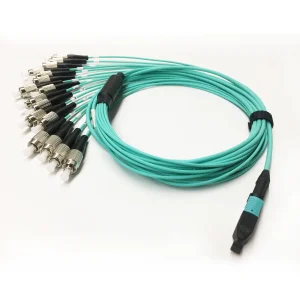
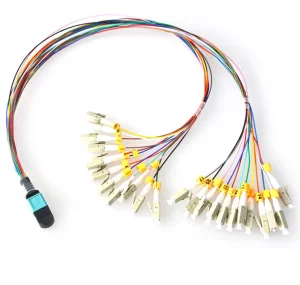
An enterprise data center operator in Frankfurt required rapid optical provisioning between two server cages separated by 2 kilometers. Kocent Optec provided custom pre-terminated 8-core G.657.A2 micro-cables with low-profile LC-Push-Pull connectors.
How the 8-Core architecture is evolving to support Space Division Multiplexing (SDM), ultra-low attenuation hollow core tech, and quantum networks.
Traditional optical fibers send light down a single core. The next frontier in high-capacity transoceanic and inter-city networks involves embedding multiple cores within a single 125µm cladding. Research indicates that 8-core MCF layouts can multiply network capacity by eight-fold, utilizing the same physical duct space as legacy single-mode installations.
As cybersecurity transforms to counter quantum threats, QKD is becoming essential for government and banking networks. Quantum keys are transmitted via weak single-photon channels, making them highly vulnerable to classical light signal interference. Having an 8-core physical cable allows dedicated cores for quantum data transmission, isolates classical control signals, and prevents cross-talk.
In hollow-core fibers, light travels through an air cavity rather than a solid silica core, reducing latency by roughly 1.54 microseconds per kilometer. We are actively tracking HCF drawing configurations to integrate high-speed trading networks, autonomous driving grids, and high-frequency cloud infrastructures into our future product lines.
In-depth technical answers addressing common queries from network designers, optical engineers, and procurement managers.
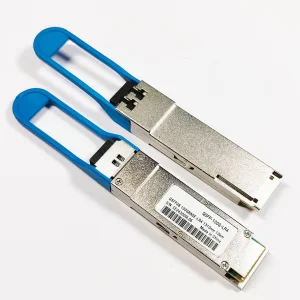
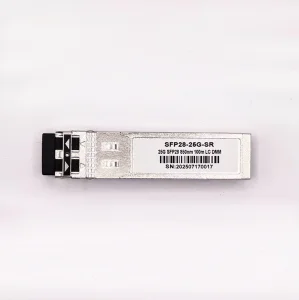
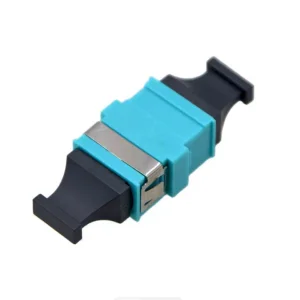
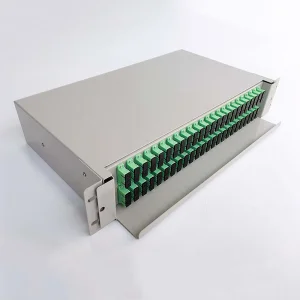
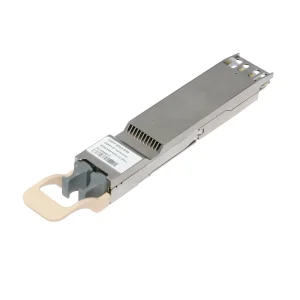
Complete your optical infrastructure deployment with our high-reliability active transceivers, adapters, and high-density rack modules.
 KOCENT OPTEC