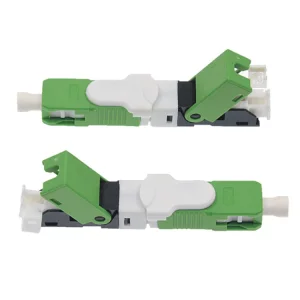
Explore our premium active transceivers and high-density passive fiber termination products designed for reliable connectivity.
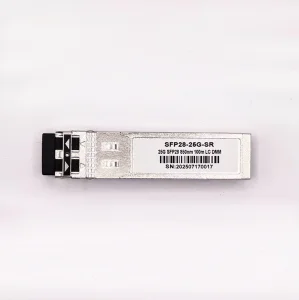
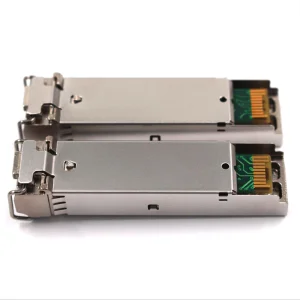
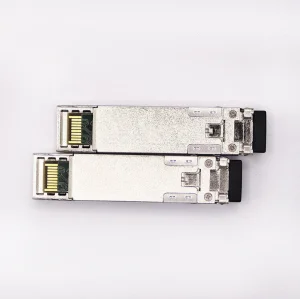
The global demand for high-bandwidth data transmission has turned the 10Gb SFP+ optical transceiver into the foundational workhorse of modern enterprise networking, telecommunication links, and massive data center fabrics. As bandwidth requirements escalate due to cloud computing, virtualization, AI inference workloads, and high-definition video streaming, IT architectures must balance the need for extreme reliability with strict CAPEX constraints. Navigating the selection of a reliable, high-performance, and cost-effective 10Gb SFP+ transceiver supplier has therefore become a mission-critical objective for network engineers and procurement teams alike.
For years, proprietary networking OEM hardware providers forced businesses to pay a premium for "original" transceiver modules. Today, mature manufacturing standards (MSA), strict quality control parameters, and advanced testing methodology enable leading independent suppliers like Kocent Optec Limited to deliver optical modules that match or exceed original vendor parameters at a fraction of the cost. The key to capturing this information gain lies in identifying partners who maintain absolute transparency in compatibility matrix testing and physical component selection.

Modern transceiver architectures require deep focus on structural integrity, power margins, and thermal performance to sustain continuous uptime in demanding conditions.
Multi-Source Agreement (MSA) standards guarantee structural and electrical compatibility across all compliant hardware platforms, eliminating proprietary lock-in risks.
Digital Optical Monitoring (DOM) provides real-time access to operational metrics including laser bias current, optical input/output power, voltage, and internal module temperature.
Optimized internal PCB designs and premium laser components reduce power consumption down to <1W per SFP+ port, mitigating cooling strain in dense network racks.
Procuring network components involves a total cost of ownership (TCO) evaluation that extends far beyond the initial purchase price. When analyzing potential 10Gb SFP+ optical transceiver suppliers, procurement leads must evaluate multiple factors to protect the network from unplanned downtime.
Key indicators of supplier competence include:
By securing transceivers from suppliers like Kocent Optec, who enforce a rigorous double-verification testing protocol (testing once during assembly, and once in dedicated OEM switches before shipping), organizations achieve high reliability without paying proprietary markups.

In data center networks, high-density leaf-spine topologies utilize 10G SFP+ links for server access layers, bridging the connection to 40G/100G aggregation uplinks. The physical layer performance of these modules heavily influences transmission latency and Bit Error Rate (BER). For Metropolitan Area Networks (MANs) and FTTH distribution systems, 10G SFP+ optical transceivers operate as vital links connecting central offices to remote aggregation nodes. Kocent Optec’s transceivers support diverse transmission formats including single-mode dual fiber, single-fiber BiDi (Bidirectional) networks, and DWDM/CWDM optical multiplexing, providing a highly scalable platform for dynamic service expansion.
Kocent Optec Limited was established in 2012 in Hongkong as a hi-tech communication enterprise. We are proud to be one of China's leading fiber optic termination product manufacturers and solution providers. We're dedicated to developing and manufacturing fiber optic communication products ranging from passive components to active optical transceivers for telecommunication networks, enterprise networks, and cloud-scale data centers.
By leveraging our extensive engineering experience and optimized production capacity accumulated over the years, we magnify the outcome for our valuable customers, expanding their core competencies and helping them outperform competitors. We place great emphasis on direct customer collaboration, defining ourselves as a committed partner in fiber optic connection solutions. We believe our technical differentiators and strict quality controls translate directly to your operational advantages.
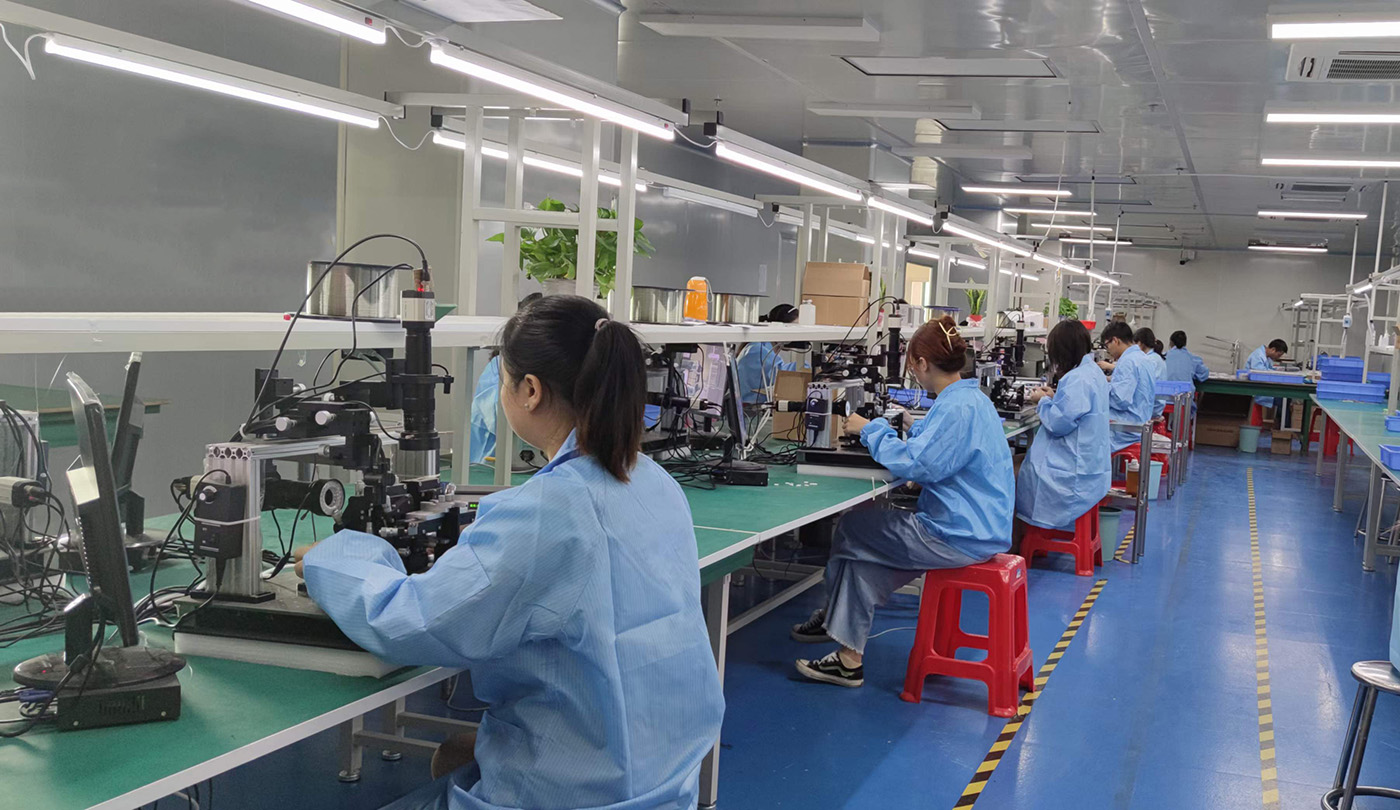
With more than 13 years of specialized experience in manufacturing high-precision fiber optic and telecommunication products, we follow fiber optic industry standards strictly. By using mature scientific quality-control methods and advanced manufacturing automation, we deliver products on schedule and guarantee that 100% of our products are thoroughly tested, inspected, and documented before shipping.
Our long-term commitment to quality has enabled us to secure client relationships across critical global markets, providing end-to-end active and passive hardware to partners throughout East Asia, Southeast Asia, the Middle East, Eastern Europe, Western Europe, Northern Europe, South America, North America, North Africa, and South Africa.
Win-win cooperation remains our guiding standard. Our OEM and ODM product portfolios have successfully won international Telecom Operator tenders and continue to satisfy demanding end-user connection benchmarks. Our primary terminal telecommunication operator partners and end-users include:
As networks face unprecedented data scaling demands, optical engineering paradigms are rapidly shifting. While 10G SFP+ remains the industry standard for edge connections and device interfaces due to its balance of cost and utility, organizations are transitioning their primary uplinks to 25G (SFP28), 100G (QSFP28), and 400G configurations. By partnering with Kocent Optec, you ensure your physical layer infrastructure is ready for future-proofing. Our transceivers are engineered on an adaptable platform framework that simplifies migration paths, enabling seamless co-existence of legacy 10G systems alongside high-density multi-gigabit connections.
Get answers to critical technical questions regarding the performance, compatibility, and operation of 10G SFP+ transceivers.
SR (Short Range) transceivers utilize 850nm lasers over Multi-Mode Fiber (MMF), typically limited to 300 meters, which makes them ideal for in-building and intra-data-center deployments. Single-Mode transceivers (LR for 10km, ER for 40km, ZR for 80km) use longer wavelengths (1310nm or 1550nm) over Single-Mode Fiber (SMF) to carry data over campus or metropolitan networks with minimal optical attenuation.
Every transceiver undergoes a custom programming step where the EEPROM is loaded with vendor-specific configuration codes, matching MSA requirements. We test all programmed units in our laboratory using original switches from brands like Cisco, Juniper, Arista, Huawei, and others to verify 100% hardware compatibility.
DOM enables network operators to monitor key transceiver metrics, such as optical Tx/Rx power, temperature, voltage, and bias current. This allows engineers to spot fiber degradation, dirty connectors, or laser aging issues before they cause full link failures, greatly improving network reliability.
No, standard 10G SFP+ modules are not backward compatible with ports designed only for 1G SFP due to differences in data rates and electrical configurations. However, many 10G SFP+ ports on switches can support 1G SFP modules by manually configuring the port speed to 1G in the system settings.
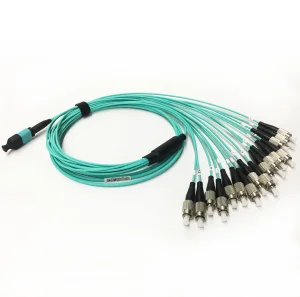
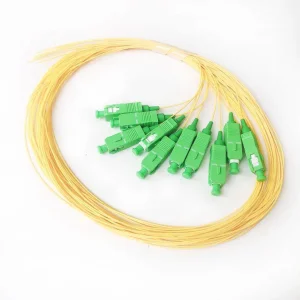
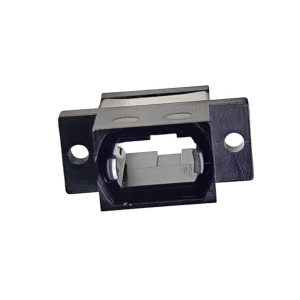
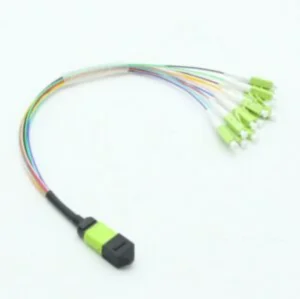
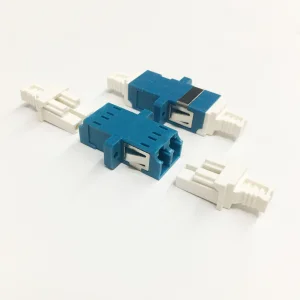
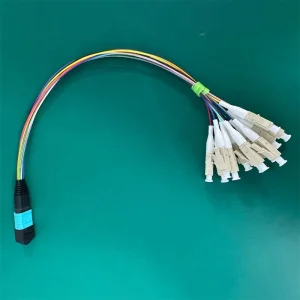
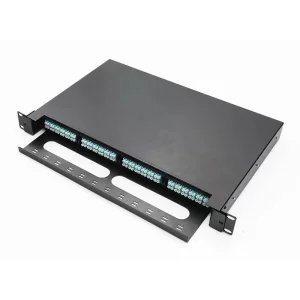
Optical links rely on a strict optical power budget. Poorly manufactured fiber connectors, low-quality patch cords, or dirty couplers introduce insertion loss and back-reflection. High-quality passive components, such as Kocent Optec's low-loss MTP/MPO systems, keep insertion loss to a minimum, ensuring your active transceivers run reliably within their designed optical budget.
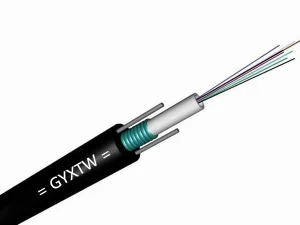
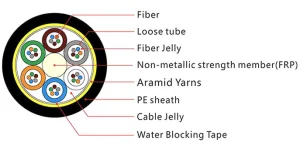
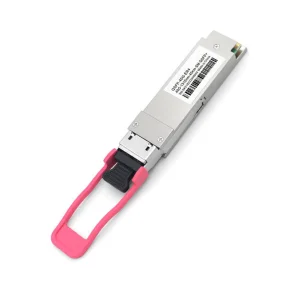
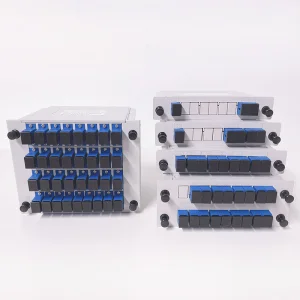
Complete your deployment with our range of high-speed transceivers, splitters, and ruggedized outdoor distribution cables.
 KOCENT OPTEC