Premium high-speed transceivers and adapters optimized for critical network pathways.
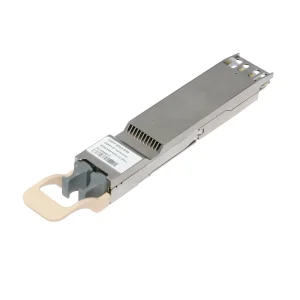
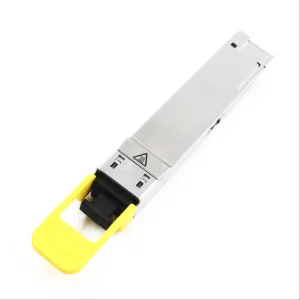
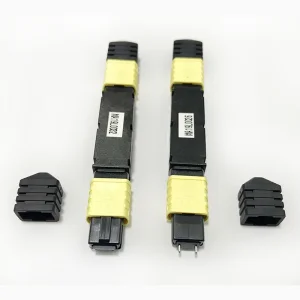
Metro Manila has emerged as one of the fastest-growing digital infrastructure destinations in the Asia-Pacific (APAC) region. Propelled by the Department of Information and Communications Technology (DICT) initiatives, alongside a robust subsea cable density, major cloud service providers (CSPs) and global enterprise consortiums are rapidly establishing local availability zones. From Makati and Taguig (BGC) to the newly developed hyper-facilities in Laguna, Bulacan, and Cavite, Manila's data center capacity is projected to expand significantly over the next five years.
This unprecedented surge in data density requires network upgrades to alleviate transmission bottlenecks. As cloud-native architectures, high-frequency trading (HFT) platforms, and AI workloads deploy in metropolitan Manila hubs, legacy 100G and even 400G infrastructures are yielding to 800G OSFP and QSFP-DD frameworks. For network administrators and IT procurement managers operating in the Philippines, sourcing local-compatible, low-latency, and high-thermal-efficiency 800G optical components from qualified factories is critical to scaling operations.
A granular look at physical and optical specifications required by Manila network engineers.
QSFP-DD (Quad Small Form-factor Pluggable Double Density) maintains backward compatibility with older QSFP designs, while OSFP (Octal Small Form-factor Pluggable) is slightly wider and thicker, allowing higher thermal dissipation capabilities (up to 15W-18W or more per module). Selecting the appropriate format depends on your host switch chassis layout.
800G speed is achieved using 8-channel PAM4 (Pulse Amplitude Modulation 4-Level) technology operating at 112Gbps per lane. This approach doubles the transmission efficiency of standard NRZ encoding, enabling higher bandwidth over existing single-mode and multi-mode physical cabling infrastructure.
Thermal mitigation is critical in tropical climates. Finned top OSFP modules provide integrated heat-sink fins, facilitating heat transfer via host airflow. Flat top modules rely on structural contact with heat sinks built directly into the host switch port assembly, optimized for legacy server configurations.
Modern 800G installations rely on strict IEEE 800GBASE compliance. When deploying transceivers across wide-area networks or metropolitan fiber backbones, operators use a mix of configurations, including:
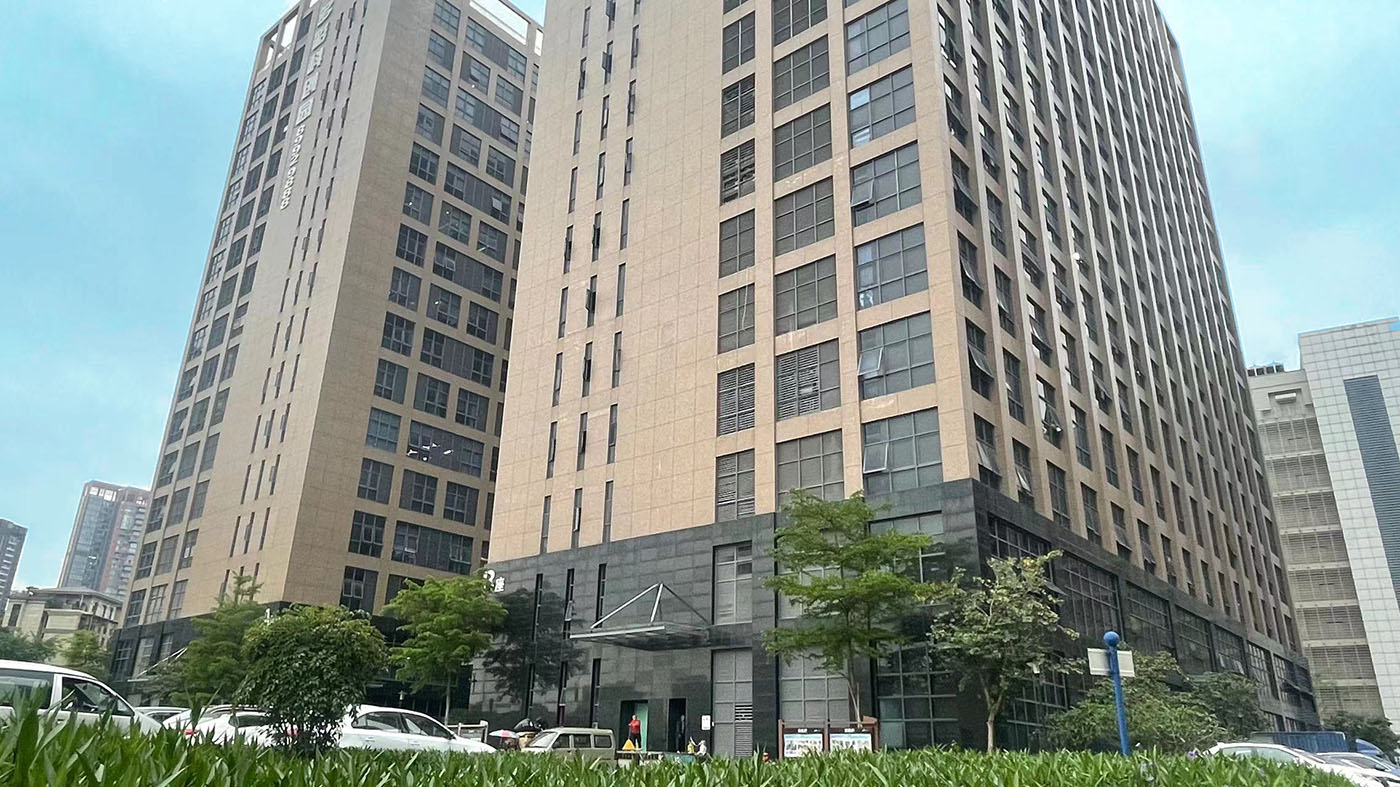
Procuring ultra-high-frequency components like 800G QSFP modules requires strict manufacturing controls. China’s advanced Factory 4.0 model combines high-precision optical automation with rigid quality control protocols to offer scalable output and robust reliability.
By utilizing automated optical alignment platforms, sub-micron die bonding technology, and automated testing rigs, China's modern manufacturing facilities reduce production variances. Every module undergoes active temperature cycling and physical stress testing to prevent failures in the field. This systematic quality assurance ensures that 100% of delivered transceivers meet insertion loss, return loss, and digital diagnostic monitoring standards.
For data center managers in Manila, partnering with a Chinese supplier offers a strategic advantage. It guarantees short delivery lead times, access to high-volume manufacturing capabilities, and responsive OEM/ODM customization services to accommodate non-standard port configurations.
How 800G optics solve congestion issues at key digital interconnection nodes.
Linking disparate server sites across Metro Manila. By implementing 800G single-mode transceivers, operators multiplex traffic over dark fiber systems, expanding bandwidth without needing to lay new undersea or subterranean fiber bundles.
In AI and machine learning facilities, computing nodes need to communicate with minimal latency. 800G OSFP/QSFP-DD transceivers provide the raw capacity to handle multi-terabit east-west traffic patterns within high-performance compute clusters.
Connecting long-haul subsea cable landing stations directly to metropolitan carrier hubs. High-efficiency 800G optical interfaces handle high-density data ingress, ensuring consistent performance for international traffic paths.
Kocent Optec Limited, established in 2012 in Hong Kong as a high-tech communication enterprise, is one of China's leading fiber optic termination product manufacturers and solution providers.
We are dedicated to developing and manufacturing fiber optic communication products ranging from passive to active categories for telecommunication networks, enterprise networks, and data centers.
By leveraging our extensive experience and excellent production capacity gained over the years, we magnify the outcomes for our valuable customers, which ultimately expands their core competencies and helps them outperform competitors. We place emphasis on customer collaboration, and we define ourselves as your valuable partner in fiber optic connection solutions. We believe our differentiators are your perceived advantages.
With more than 13 years of experience in manufacturing telecommunication fiber optic products, we strictly follow fiber optic industry standards by using mature scientific methods to deliver your products on time and ensure that 100% of products are tested and inspected before shipment.
Years of sales and service experience have enabled us to win customers from different regions. Today, we have customers from East Asia, Southeast Asia, the Middle East, Eastern Europe, Western Europe, Northern Europe, South America, North America, North Africa, and South Africa.
Win-win cooperation is our constant goal. Many of our OEM and ODM products have won Telecom Operator tenders and satisfy end-user requirements.
Our main terminal telecom operators include:

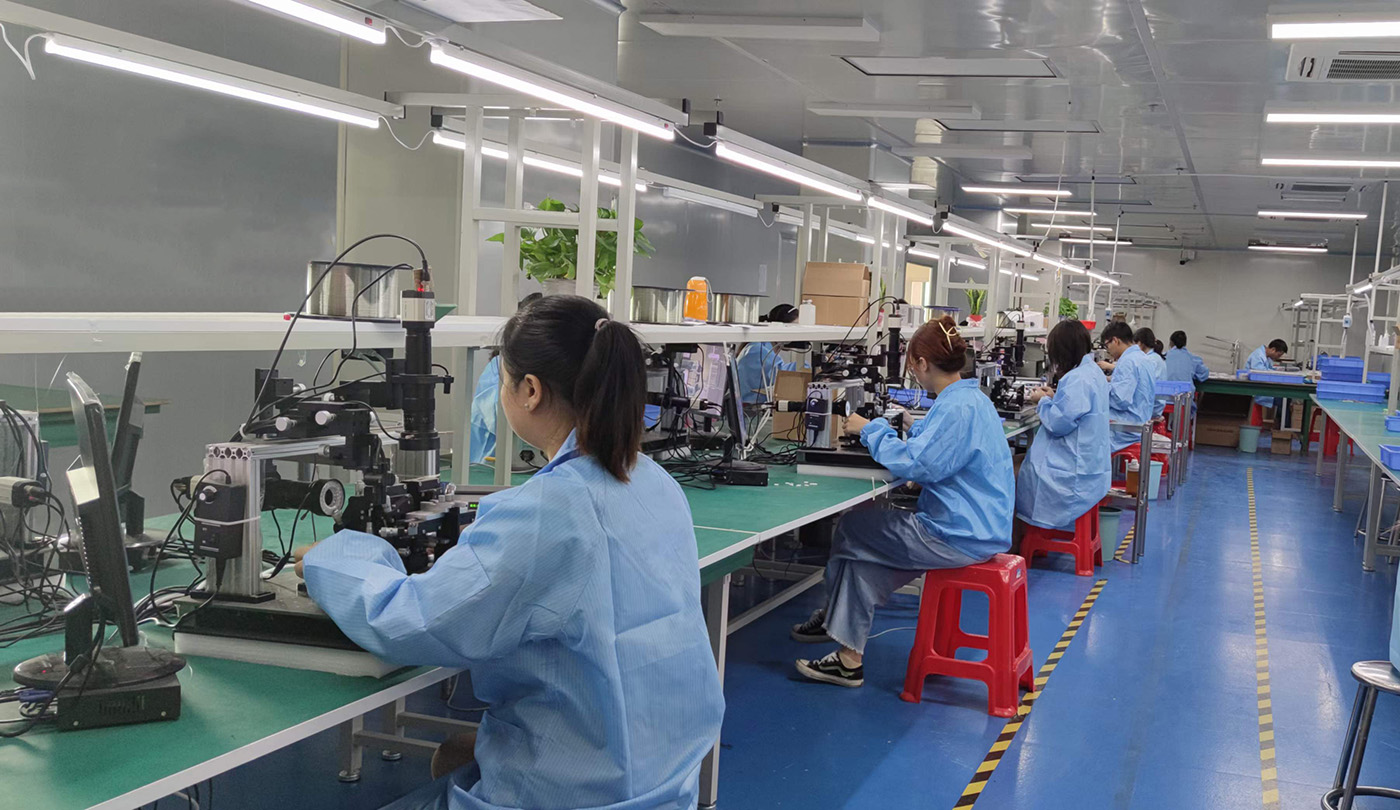
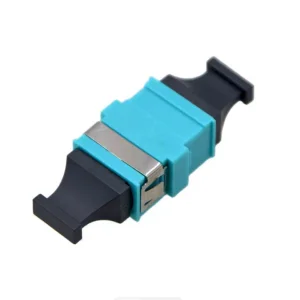
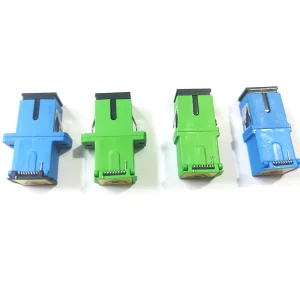
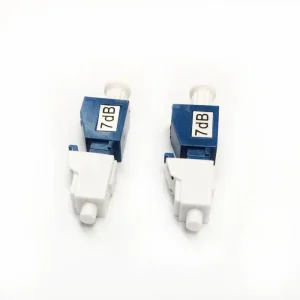
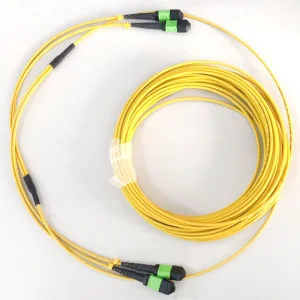
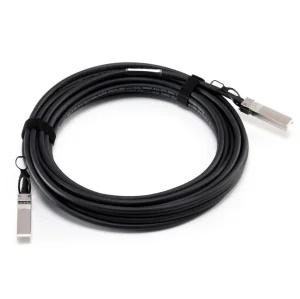
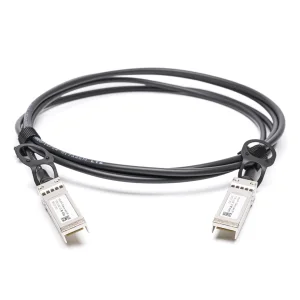
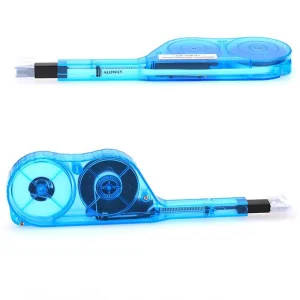
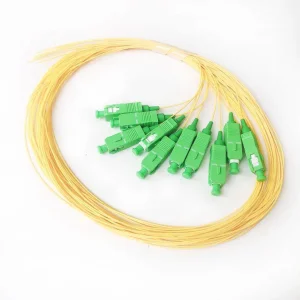
Compatible fiber cabling, attenuators, patch panels, and adapters to complete your deployment.
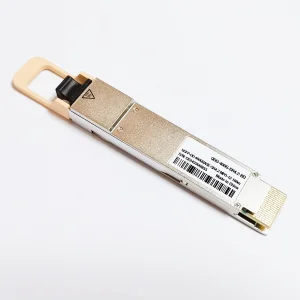
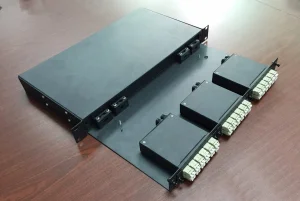
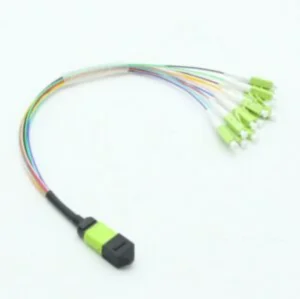
Essential deployment components supporting lower-speed switches and cleanroom installations.
Practical technical answers to help network planners manage and optimize their fiber infrastructure.
The main differences lie in size, physical pins, and thermal dissipation capabilities. OSFP is slightly wider and thicker than QSFP-DD. Because of its larger physical envelope, OSFP can integrate cooling fins directly onto the module body (Finned Top), supporting thermal envelopes of 15W to 20W. QSFP-DD relies on the host chassis's cooling design. While QSFP-DD provides backward compatibility with legacy QSFP ports, OSFP requires passive structural adapters for backward compatibility.
Metro Manila's tropical climate translates to higher ambient humidity and temperature baselines. High-capacity transceivers operating at 800G generate significant heat due to built-in PAM4 DSP chips. Without optimized thermal dissipation (such as finned top OSFP modules or passive cooling airflow alignment), transceivers risk thermal runaway, leading to higher bit error rates (BER) or permanent hardware failure. Selecting high-grade modules with built-in Digital Optical Monitoring (DOM) helps operators track thermal performance in real-time.
Yes, but compatibility requires correct firmware encoding. At the Kocent Optec factory, modules are programmed with vendor-specific EEPROM configurations. This ensures host switches recognize the transceivers without throwing "unsupported hardware" warnings. When request quotes, specify your switch models so the correct EEPROM coding is applied during assembly.
Multi-mode setups (850nm) are suited for short-distance connections up to 50 meters, making them ideal for intra-rack cabling using OM4 or OM5 fiber. Single-mode links (1310nm) support longer distances, with DR4 modules covering up to 500 meters and FR4/LR4 modules extending several kilometers. This makes single-mode configurations ideal for interconnecting different areas of a facility or linking separate sites in Metro Manila.
The Factory 4.0 model leverages automation to streamline assembly and quality control. Automated optical alignment and automated testing rigs ensure consistent performance across large production volumes. This systematic manufacturing process minimizes defects, reduces per-unit costs, and helps stabilize delivery timelines for projects in the Philippines.
Kocent Optec operates under strict industry quality standards. Every 800G transceiver, fiber patch cord, and passive attenuator undergoes comprehensive automated verification. This includes optical spectrum analysis, Bit Error Rate (BER) testing, eye diagram measurement, and Insertion Loss/Return Loss inspections. Detailed test reports are generated for each batch before dispatch.
 KOCENT OPTEC