Engineered for low-latency interconnects, edge deployment, and cloud scaling in Hanoi's evolving digital landscape.
A comprehensive B2B insight on deployment challenges, localized solutions, and the cross-border Sino-Vietnamese optical link.
As Vietnam's tech economy accelerates, Hanoi is positioning itself as a dominant digital hub in Southeast Asia. Government-led digitalization directives, combined with massive private investments from operators such as Viettel, VNPT, FPT, and MobiFone, are forcing local data centers to upgrade their core switching fabrics. Traditionally reliant on 10G and 40G systems, Hanoi’s data hubs—particularly in districts like Hoa Lac Hi-Tech Park and Cau Giay—are transitioning rapidly to high-density 200G QSFP56 and 400G QSFP-DD architectures to handle the exponential rise of 5G, IoT, AI workloads, and localized Cloud platforms.
Procuring reliable high-speed optics in Hanoi involves addressing unique regional factors: extreme seasonal humidity, specific import tariffs under the ASEAN-China Free Trade Agreement (ACFTA), and strict local telecom quality guidelines. This paper details the performance metrics, optimization vectors, and logistics benefits of partner manufacturers delivering industrial-grade 200G QSFP modules to the Northern Vietnamese telecommunications sector.
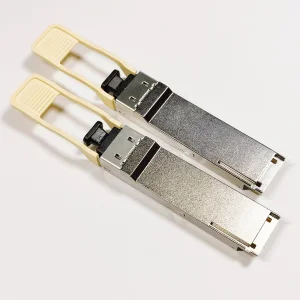
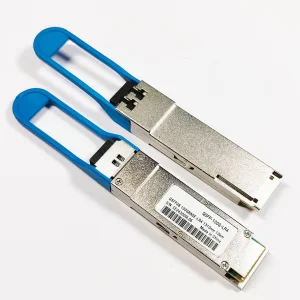
Our 200G QSFP56 transceivers employ advanced PAM4 (4-Level Pulse Amplitude Modulation) technology rather than the traditional NRZ. By transmitting two bits per clock cycle, PAM4 doubles the spectral efficiency without requiring double the laser bandwidth. This is crucial for Hanoi enterprises operating under restricted space and energy constraints.
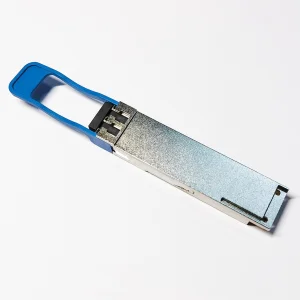
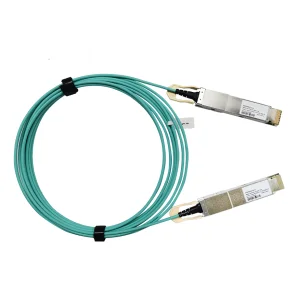
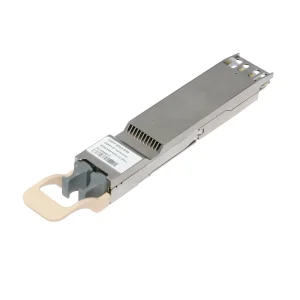
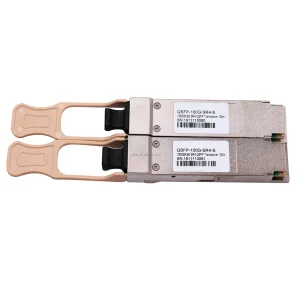
Whether utilizing the short-reach 200G SR4 for intracabinet runs (up to 100m over OM4 multi-mode fiber) or the long-reach 200G FR4/LR4 duplex LC single-mode variants for inter-building connectivity, Kocent Optec modules ensure low insertion loss, robust Forward Error Correction (FEC), and exceptional thermal stability.

How our advanced manufacturing specifications mitigate high humidity and grid volatility in Hanoi's data centers.
Hanoi experiences intense seasonal humidity (often exceeding 85%). Standard transceivers can suffer from premature degradation due to moisture-induced corrosion on PCB contacts. Our transceivers use advanced hermetic sealing and localized gold-plating to prevent micro-condensation failures inside the module housing.
Hanoi's telecom infrastructure is highly heterogeneous. Many edge nodes run on mixed legacy systems. Our QSFP56 series modules undergo rigorous compatibility EEPROM coding to seamlessly match Cisco, Arista, Huawei, Juniper, and Dell switches, preventing configuration errors during hot-swaps.
Hanoi's power grid during peak summer months faces heavy demand. Our QSFP56 transceivers are optimized to consume less than 4.5W per port. Lower power consumption directly translates to lower heat generation, minimizing cooling overheads for enterprise server rooms.
Leveraging Hong Kong logistics routes and Shenzhen manufacturing nodes, we support Hanoi B2B buyers with comprehensive Certificate of Origin (Form E) documents. This significantly reduces import duties down to 0% to 5% under the ASEAN-China FTA frameworks, reducing procurement overheads.
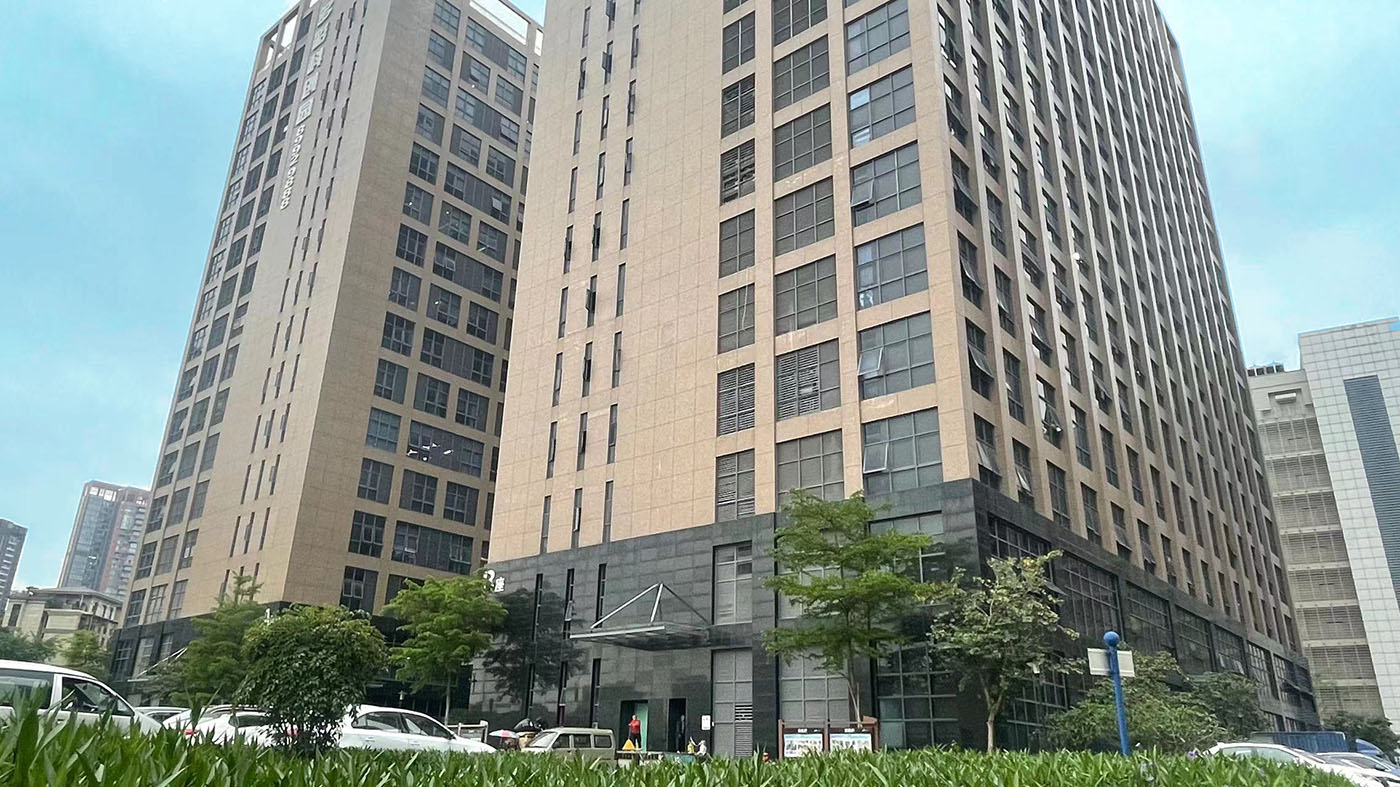
Established in 2012 in Hong Kong as a high-tech communication enterprise, Kocent Optec Limited has grown into one of China's premier fiber optic termination product manufacturers and solution providers. We are dedicated to developing, manufacturing, and customizing active and passive fiber optic devices that power today's high-speed telecommunication networks and enterprise datacenters.
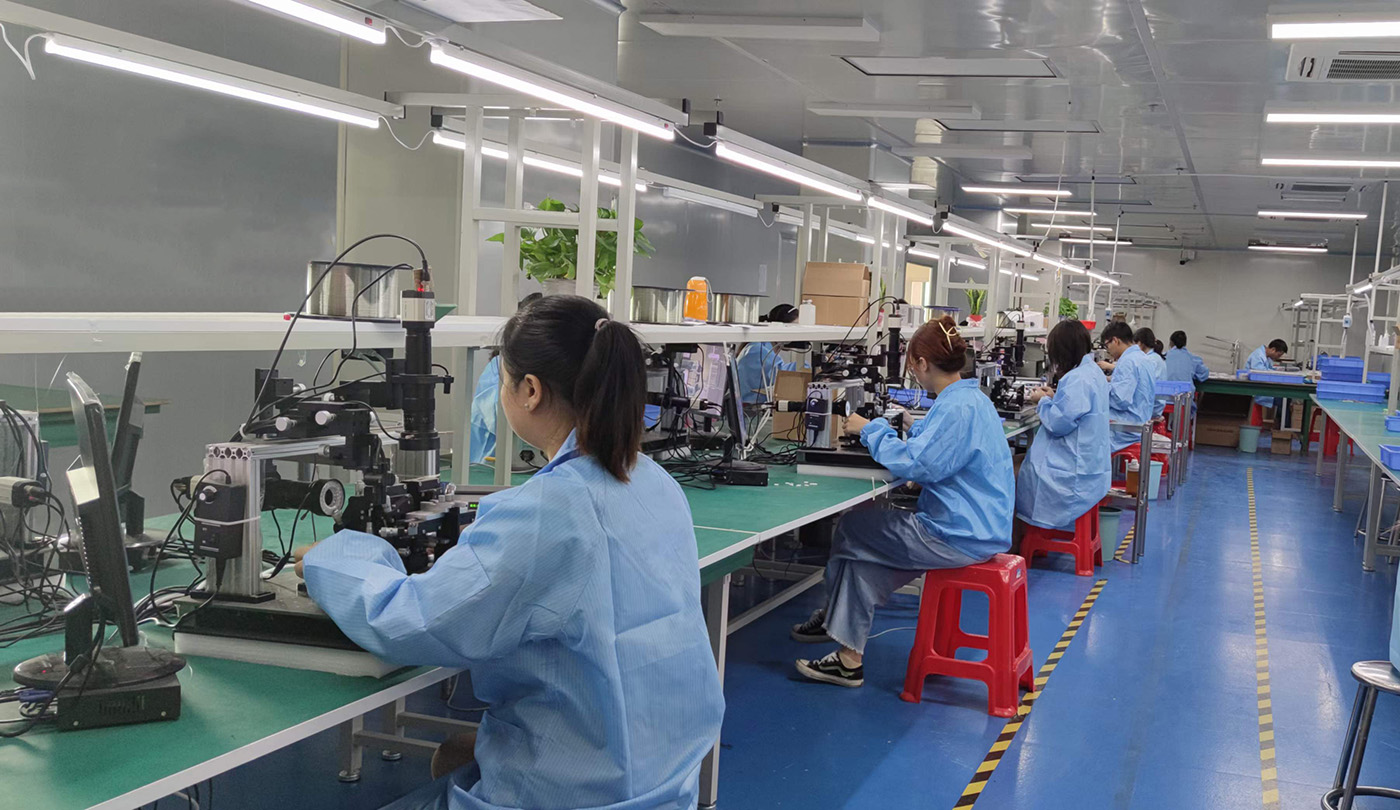
By leveraging our extensive engineering experience and state-of-the-art manufacturing lines, we optimize optical output parameters for our valuable clients, enabling them to outperform local competitors. We emphasize deep collaboration, serving as a reliable partner rather than a mere component supplier.
Our commitment to rigorous scientific testing ensures that 100% of our products undergo eye-pattern, bit-error rate (BER), and hardware compatibility testing before shipment. We strictly align with international standards such as CE, FCC, RoHS, and Telcordia GR-326-CORE.
A significant bottleneck for Hanoi-based telecom deployments is shipping latency and customs processing. Kocent Optec Limited circumvents these friction points through strategic logistics management:
Our products are deployed in carrier networks worldwide. Over years of sales and service operations, we have won tenders and built lasting partnerships with leading tier-1 and tier-2 telecom operators. Our main telecom operator clients include: SingTel, Vodafone, America Movil, Telefonica, Bharti Airtel, Orange, Telenor, VimpelCom, TeliaSonera, Saudi Telecom, MTN, Viettel, Bitel, VNPT, Laos Telecom, MYTEL, Telkom, Telekom, Entel, FiberTel, StarFiber, Ooredoo, Beeline, and Azercell.
Talk directly with our senior application engineers to review compatibility requirements, request testing samples, and obtain custom OEM quotes.
Send Inquiry NowFrom 800G core transceivers to FTTH passive components, we support end-to-end optical deployments.
Clear answers to help Hanoi network architects, datacenter procurement officers, and system integrators make informed decisions.
 KOCENT OPTEC