Explore our high-performance, MSA-compliant optical cables and SFP28 transceiver modules designed for 25Gb/s throughput, low latency, and maximum reliability.
Understanding the engineering principles behind SFP28 Direct Attach Copper (DAC) cables, active optical cables (AOC), and transceiver interfaces.
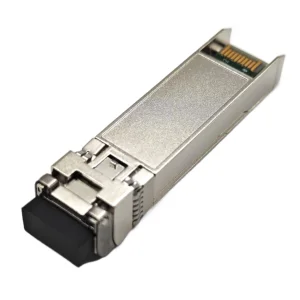
The SFP28 form factor represents an evolutionary leap from SFP+, utilizing the SFF-8402 standard to deliver physical dimensions equivalent to SFP+ but engineered for 25Gb/s data rates. This architecture eliminates the need for expensive CDR (Clock and Data Recovery) circuitry, keeping power dissipation to near zero.
Cable wire gauge (AWG) determines raw performance. SFP28 DACs are fabricated from 26AWG to 30AWG high-purity copper, tailored to mitigate insertion loss and electromagnetic interference. Standard lengths range from 0.5m to 5m, satisfying typical in-rack connection matrices.
Unlike optical transceivers which draw up to 1.5W to 2.5W per end, passive SFP28 DACs require virtually zero power (under 0.1W). This significantly reduces cumulative heat generation in high-density core switch arrays, providing significant operational savings.
In latency-sensitive workloads like algorithmic trading or AI-driven training models, passive copper media remains the gold standard. A passive SFP28 copper cable does not convert electrical signals to optical and back again, avoiding trans-impedance amplifier (TIA) processing delay. The resulting physical delay is strictly determined by the speed of light through copper (approx. 5ns per meter). For a 2-meter connection, latency is virtually non-measurable (<10ps deviation), making Kocent Optec's DACs ideal for high-density architectures.
The transition from legacy 10G networks to 25G and 100G aggregations is accelerating worldwide. As Hyperscale and Tier-2 data centers pivot towards high-efficiency fabrics, the demand for optimized 25G SFP28 interconnects has surged. DAC SFP28 cables bridge the gap between expensive transceiver optics and low-efficiency standard copper cables (such as Cat6A base-T systems).
Across North America, Europe, and Asia-Pacific, massive edge computing and enterprise server clusters rely on DACs for Top-of-Rack (ToR) switch-to-server linkages. Choosing the right copper gauge (AWG) and partner manufacturer determines network reliability. With standard compliance (SFF-8432, SFF-8431, IEEE 802.3by), Kocent Optec ensures seamless integration across heterogenous networking equipment environments including Cisco, Arista, Juniper, Dell, and HPE.
Furthermore, global supply chain factors require developers and network engineers to source hardware from reliable OEM/ODM partners who offer comprehensive quality testing and transparent wholesale pricelists.

Analyzing the long-term trend of network interfaces and showing the path towards 50G, 100G, and PAM4 architectures.
For years, 10G SFP+ was the standard interface. Today's modern architectures leverage SFP28, which matches the mechanical profile of SFP+ but relies on a single 25Gb/s channel. This provides 2.5x the bandwidth without physical footprint expansion.
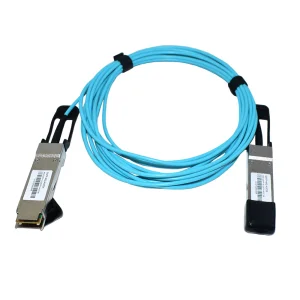
By connecting a QSFP28 100G port to four SFP28 25G ports, engineers create a highly density breakout matrix. This optimizes switch port usage, minimizes patch panel clutter, and reduces cabling costs.
Future networks are migrating toward PAM4 modulation schemes (such as 50G SFP56 and 800G OSFP structures). Our R&D team works to ensure our physical shielding and connector technologies support high-frequency transmission demands.

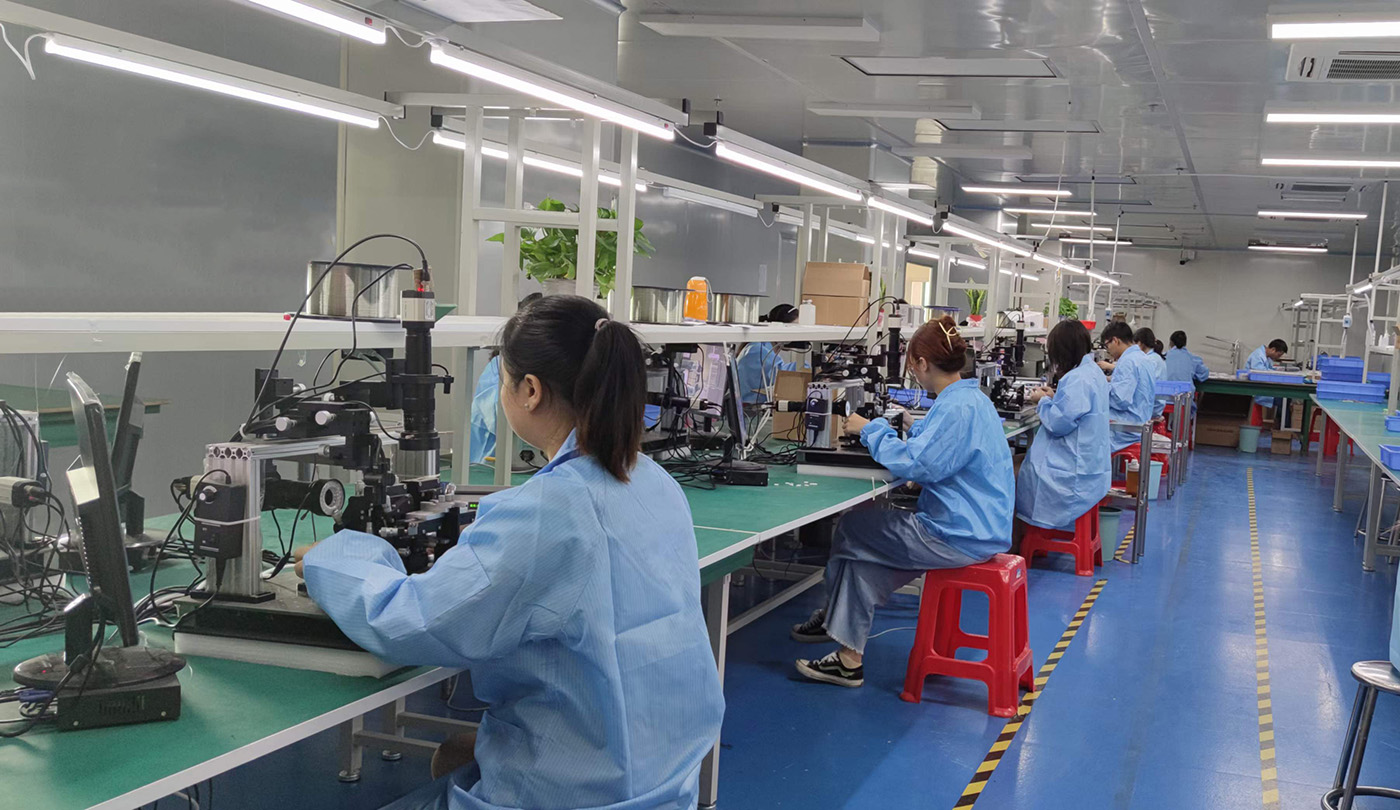
As a leading Chinese optical communication manufacturer, Kocent Optec Limited maintains tight quality control and high capacity across our local operations. Our Shenzhen-based production lines leverage advanced automated termination machinery, dynamic eye diagram analysis, and rigorous physical testing setups.
We source raw copper alloy and optical subcomponents from trusted, certified regional partners. This strategic integration buffers our operations against global raw material volatility and guarantees stable pricing. Our automated manufacturing lines operate 24/7, keeping lead times short even for high-volume custom orders.
We employ a strict testing protocol: 100% of our products undergo loopback testing, physical length validation, insertion loss screening, and EEPROM compatibility coding. This ensures that every shipped cable meets MSA standards and outperforms typical market components.
Explore how Kocent Optec's interconnect products solve challenges across various local deployments.
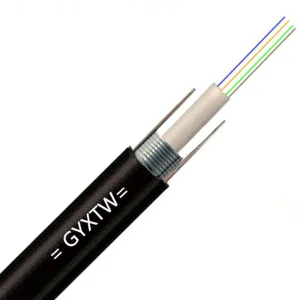
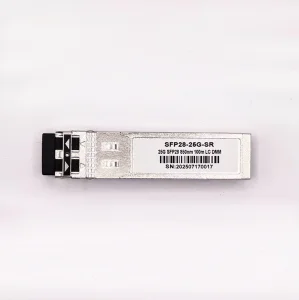
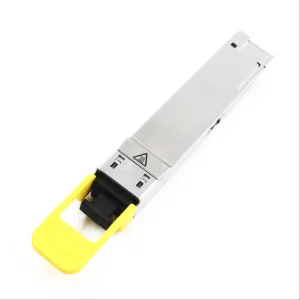
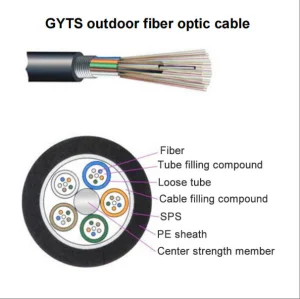
In local telecom deployments, 25G SFP28 transceivers and outdoor fiber optic cables connect Baseband Units (BBUs) to Remote Radio Heads (RRHs). This low-latency configuration is essential for high-capacity 5G networks.
For multi-tenant data facilities, our SFP28 DAC cables connect tenant hardware to core switches. This approach minimizes costs while providing reliable 25G speeds across adjacent racks.
In high-capacity SAN and NAS setups, SFP28 DACs connect storage controllers to high-speed switches. This architecture ensures high-throughput, low-latency data access without expensive optical transceivers.
Kocent Optec Limited products conform to stringent global environmental and technical standards. Every batch is certified under RoHS, CE, and FCC guidelines, ensuring compliance across regions like Western Europe, North America, and East Asia.
Our OEM and ODM components are engineered to satisfy the demands of leading international telecom operators. We work closely with our partners to ensure our components meet strict network safety and reliability parameters.
Our key operator relationships include:
Find answers to common technical, manufacturing, and logistical questions regarding our SFP28 and interconnect portfolio.
Explore our broader line of optical attenuators, high-speed optical transceivers, and passive optical components designed to complete your network architecture.
Established in 2012 in Hong Kong as a high-tech communication enterprise, Kocent Optec Limited is one of China's leading manufacturers and solution providers of fiber optic termination products.
We are dedicated to developing and manufacturing a wide range of passive and active fiber optic communication products for telecommunication networks, enterprise networks, and data centers. By leveraging our extensive experience and production capacity, we help our clients optimize network performance and increase competitiveness.
Our focus on customer collaboration makes us a reliable partner for fiber optic connection solutions. We prioritize quality control, standard compliance, and on-time delivery, ensuring that 100% of our products are tested and inspected before shipment.
Core Focus: High-density fiber panels, customized high-speed transceivers, active optical cables, and high-performance copper patch cords.
Production Standards: Every interconnect product follows strict MSA, Telcordia, and IEC standards, backed by real-time optical performance testing.
 KOCENT OPTEC