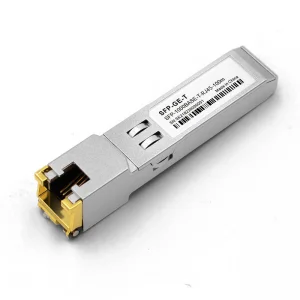
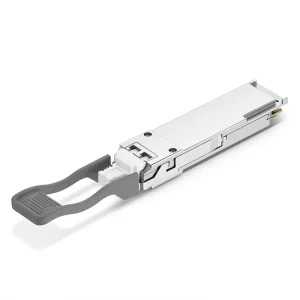
Browse our top-tier telecommunication components engineered for hyperscale data centers, industrial optical transport networks, and metro loop networks.
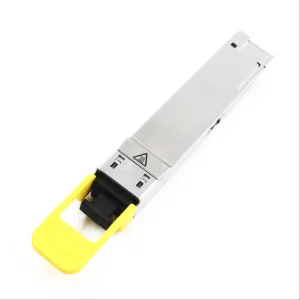
The global demand for high-speed optical transceivers has surged exponentially due to the rapid growth of artificial intelligence (AI) computing arrays, hyperscale datacenters, and modern 5G telecommunication networks. Among these technologies, the 100G LR (Long Range) optical module stands out as the ultimate backbone for both metropolitan (Metro) routing and data center interconnectivity (DCI).
Unlike short-reach modules (such as SR4 or SR), the 100G LR architecture utilizing the standard 1310nm wavelength enables transmission over distances of up to 10 kilometers (km) on Single-mode Fiber (SMF) without amplification. This makes it an indispensable component for regional network links, backbone rings, and distributed cloud computing farms. Modern manufacturing of these systems adheres strictly to Multi-Source Agreements (MSA) like QSFP28, which ensures universal system interoperability across routers and switches from vendors worldwide.
As a major manufacturing partner in optical communications, understanding the difference between conventional 100G LR4 and the emerging 100G LR1 (Single-Lambda 100G) technology is vital for network upgrade roadmaps.
| Feature Spec | 100G BASE-LR4 (Traditional) | 100G BASE-LR1 (Single-Lambda) | Key System Impact |
|---|---|---|---|
| Wavelength Configuration | 4 Channels (LAN-WDM: 1295nm, 1300nm, 1304nm, 1309nm) | 1 Channel (1310nm or 1270nm-1330nm) | LR1 simplifies optical design by eliminating optical MUX/DEMUX components inside the module. |
| Modulation Scheme | NRZ (Non-Return-to-Zero) at 4x 25Gb/s | PAM4 (Pulse Amplitude Modulation 4-level) at 53GBaud | PAM4 requires internal DSP chip but halves the complexity of physical lasers. |
| Reach Capability | Up to 10 km on standard SMF (G.652) | Up to 10 km on standard SMF (G.652) | Matches the physical distance profile of traditional enterprise metro connections. |
| Power Consumption | ~3.5 Watts (typical) | ~3.0 Watts or lower with newer silicon photonics | Lower thermal footprint benefits high-density switch line cards. |
Kocent Optec Limited actively sources premium-grade, temperature-stabilized EML (Electro-absorption Modulated Lasers) and PIN/APD photodiodes to ensure our transceivers perform consistently in harsh telecom center environments, minimizing packet loss and maximizing system uptime.
Established in 2012 in Hong Kong as a hi-tech communication enterprise, Kocent Optec Limited is one of China's leading fiber optic termination product manufacturers and solution providers. We are dedicated to developing and manufacturing fiber optic communication products ranging from passive to active categories for telecommunication networks, enterprise networks, and data centers.
With more than 13 years of experience in manufacturing telecommunication fiber optic products, we strictly follow fiber optic industry standards by using mature scientific methods to deliver your products on time and ensure that 100% of products are tested and inspected before shipment.
By leveraging our extensive experience and excellent production capacity we gained over the years, we magnify the outcome for our valuable customers, which ultimately expands their core competencies and helps them outperform competitors. We place emphasis on customer collaboration, and we define ourselves as your valuable partner in fiber optic connection solutions. We believe our differentiators are your perceived advantages.


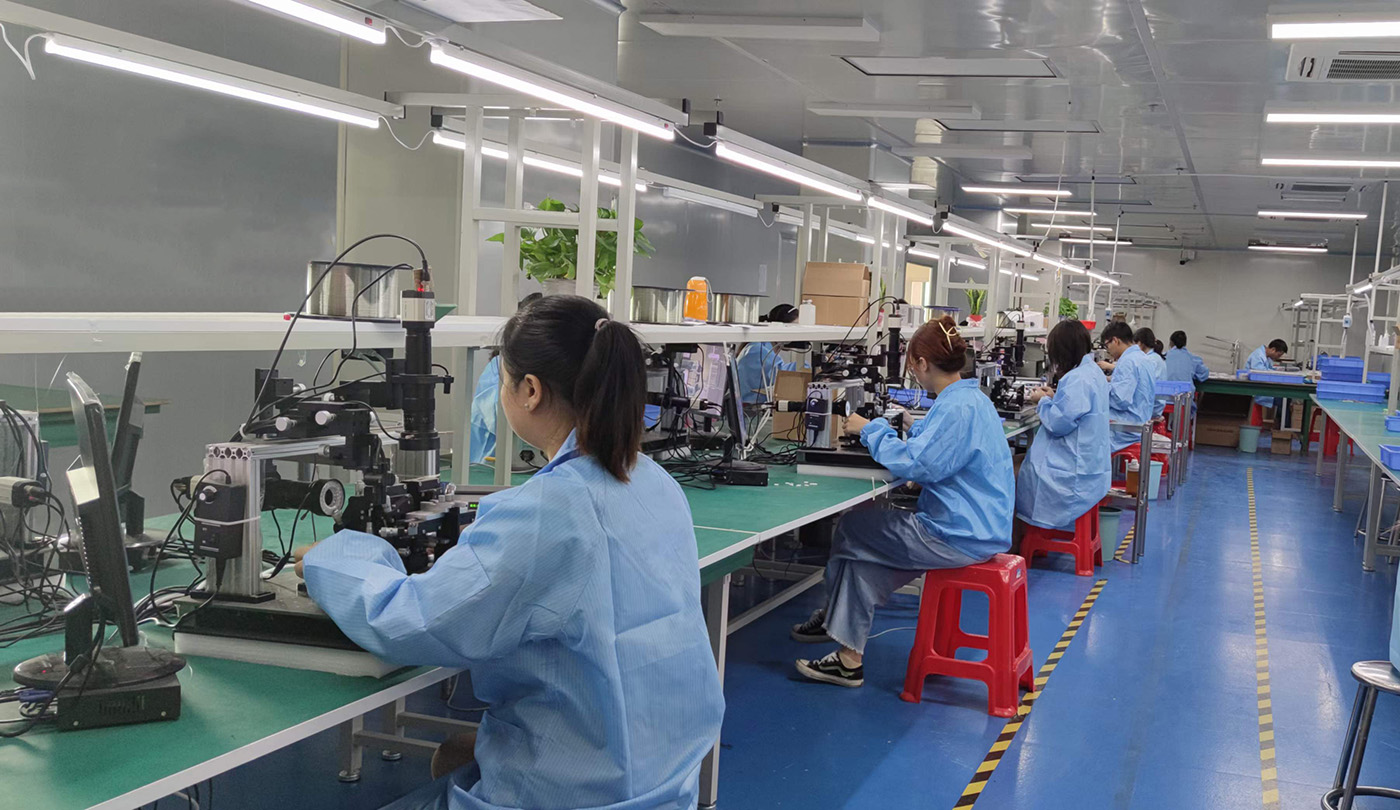
At our Chinese mainland factories, we implement strict automated testing systems. Our transceivers pass through multi-temperature cycle environments (ranging from industrial -40°C to +85°C to commercial 0°C to +70°C) to measure thermal stability and assure long-term reliability.
To deliver optimized 100G LR modules, we utilize high-precision automatic die bonders and wire bonders for optical sub-assembly (OSA). Our active testing laboratory uses advanced BERT (Bit Error Rate Testers), digital sampling oscilloscopes, and optical spectrum analyzers (OSA) to verify:
Years of sales and service experience have enabled us to win customers from different regions. Today, we have customers from East Asia, Southeast Asia, Middle East, Eastern Europe, Western Europe, Northern Europe, South America, North America, North Africa, and South Africa.
Win-win cooperation is our constant goal. Many of our OEM and ODM products have won Telecom Operator tenders and satisfy strict end-user requests.
Our main terminal telecom operators include:
An optical transceiver is only as good as the physical optical path it travels. Kocent Optec Limited offers a unified system package that couples active transceivers with high-performance passive fiber components.
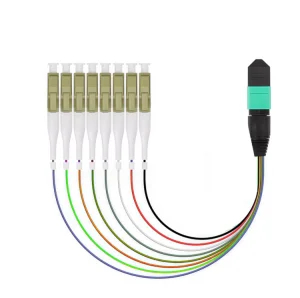
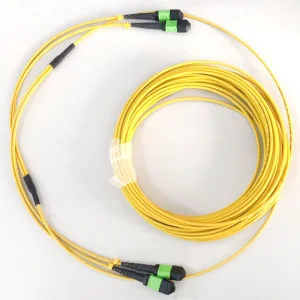
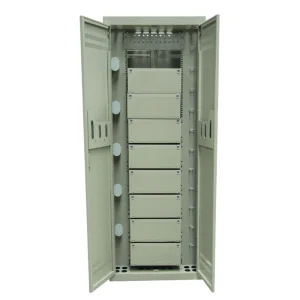
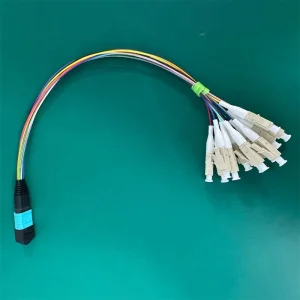
For data centers routing 100G links across cabinets, high-density ODFs (Optical Distribution Frames) and MTP/MPO patch cords act as the structural highway, reducing cable congestion and lowering insertion loss budgets.
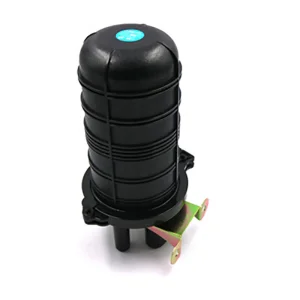
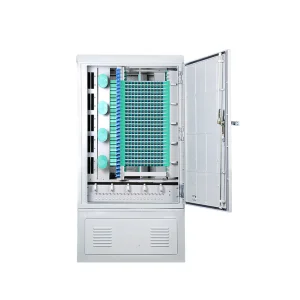
For FTTH and metro loop systems, outdoor cross-connect cabinets and robust optical splice closures protect active signals from extreme weather, securing 100G transmission integrity across miles of terrain.
We provide tailormade optical transceiver firmware codings to match major vendor switches (such as Cisco, Juniper, Arista, and Huawei), ensuring plug-and-play installation without error codes.
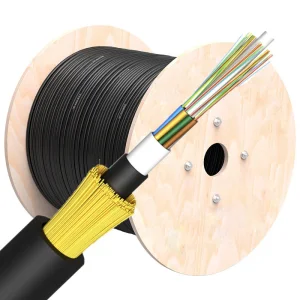
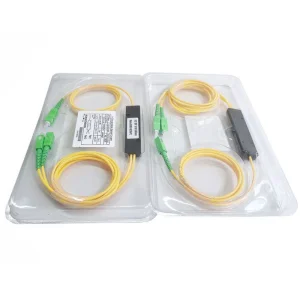
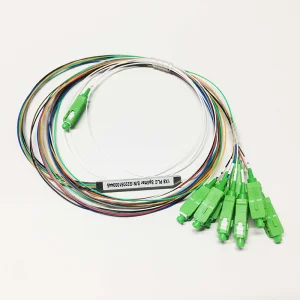
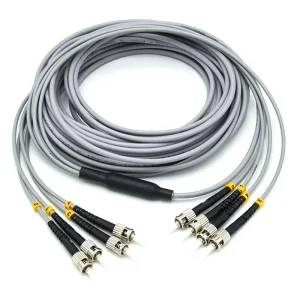
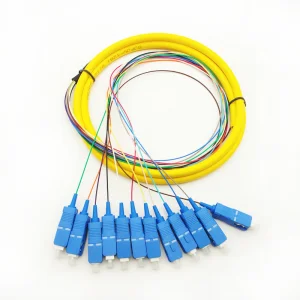
Our secondary product portfolio showcasing vertical enclosures, structural cabling, splitters, and distribution systems.
 KOCENT OPTEC
![Cheap [SENKO] Optical Fiber MPO-PLUS Premium Mini Connector](https://site.cdnfile.io/59c8deaa9fdec6072c4782dc4754000c300_300.webp)