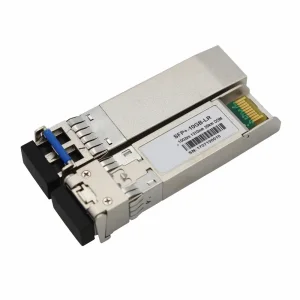
The global transition towards ultra-low-latency high-density networking has placed the 10GBASE-T Copper SFP+ transceiver at the center of modern enterprise infrastructure strategy. Unlike fiber optic modules that require specialized termination tools, structured optical distribution frames, and delicate handling, Copper 10G SFP+ modules leverage existing legacy RJ45 copper structured cabling networks. This capability provides network administrators with a massive reduction in Capital Expenditure (CAPEX) when scaling up edge switches, storage area networks (SANs), and high-performance server clusters.
From a macro perspective, the demand for 10G copper connectivity is expanding. High-bandwidth Wi-Fi 6E/7 access points, enterprise security appliance gateways, and multi-gigabit access switches are standardizing on copper architectures. For operations where short runs of up to 30 meters, 50 meters, or even extended 80-meter segments are dominant, upgrading to optical networks makes little financial sense. The 10GBASE-T SFP+ copper module serves as the primary bridge, fitting natively into empty SFP+ transceiver cages of high-capacity core switches to provide direct RJ45 connectivity without purchasing dedicated and costly native RJ45 switches.
Understanding the electrical and mechanical constraints of a 10G Copper SFP+ module is crucial for deployment. Unlike standard optical transceivers which convert electrical signals to photons, a 10GBASE-T SFP+ module must perform complex DSP (Digital Signal Processing) to drive 10Gbps PAM16 signals over twisted-pair copper cables. This translation incurs higher power dissipation and heat signature demands compared to SR (Short Reach) or LR (Long Reach) fiber counterparts.
| Parameter Details | 30-Meter Standard Module | 80-Meter Extended Range (Ultra Low Power) | Direct Attach Copper (DAC) Alternative | |
|---|---|---|---|---|
| Power Dissipation (Max) | ≤ 2.5W (Typical: 2.3W) | ≤ 1.8W (Typical: 1.6W) | ≤ 0.1W (Passive) | ≤ 0.1W (Passive) |
| Cable Compatibility | Cat6a / Cat7 Shielded (STP) | Cat6a / Cat7 Shielded (STP) | Twinaxial Twinax Integrated Cabling | |
| Maximum Distance | 30 Meters (at 10Gbps) | 80 Meters (at 10Gbps) | 7 Meters | |
| Latency Profile | Approx. 2.5 µs (due to PHY DSP overhead) | Approx. 2.6 µs | < 0.1 µs (No active conversion) | |
| Autonegotiation Support | 10GBASE-T, 5G, 2.5G, 1000BASE-T | 10GBASE-T, 5G, 2.5G, 1000BASE-T | Fixed 10Gbps (No autonegotiation) |
The primary engineering bottleneck in 10GBASE-T SFP+ copper integration is thermal management. Modern network switches are designed for optical modules with a maximum power budget of 1W to 1.5W per slot. Inserting multiple 2.5W copper modules side-by-side can trigger local thermal bottlenecks, prompting switches to shut down ports to prevent damage. OEM Copper 10G SFP+ modules address this through advanced 28nm and 16nm PHY chips (such as Marvell Link street or Broadcom transceivers) that dynamically scale voltage based on link length, minimizing power consumption to under 1.8W for typical applications.
The unit price of copper SFP+ modules is heavily influenced by the PHY chipset (e.g., Marvell vs. low-cost alternatives). Enterprise deployments demand high-temperature tolerance chipsets to guarantee 24/7 reliability in sealed datacenter environments.
Switches from manufacturers like Cisco, Juniper, Arista, and HPE utilize proprietary firmware locks. OEM manufacturers write custom EEPROM microcode to bypass switch lockouts, allowing seamless cross-brand integration without voiding warranties.
Sourcing directly from OEM factories lowers per-unit costs considerably. Bulk orders scale down testing, calibration, and customized laser-marking overheads, offering maximum savings to global telecommunication tenders.
When calculating a formal project estimate or Request for Quote (RFQ), purchasing departments should prioritize the Total Cost of Ownership (TCO) over basic component pricing. Low-quality copper modules may result in high bit error rates (BER), packet drops, and switch reboots due to unstable internal power rails. A professional-grade, MSA (Multi-Source Agreement) compliant 10G copper module incorporates gold-plated contacts, rigorous EMI shielding, and a robust spring latch mechanism to maintain stable link rates over its full operating lifecycle.
Kocent Optec Limited, established in 2012 in Hong Kong as a high-tech communication enterprise, is one of China's leading fiber optic termination product manufacturers and network solution providers.
We are dedicated to developing and manufacturing fiber optic and copper communication products ranging from passive to active categories for modern telecommunication networks, enterprise infrastructures, and cloud-scale data centers. By leveraging our extensive engineering experience and deep production capacity gained over the years, we maximize outcomes for our customers, expanding their core competencies and helping them outperform competitors.


We place high emphasis on customer collaboration, defining ourselves not just as a supplier, but as a trusted partner in connection solutions. We believe our technical differentiators translate to your operational advantages.
With more than 13 years of experience in manufacturing telecommunication fiber optic and connectivity products, we strictly follow international industry standards (including Telcordia, RoHS, CE, and FCC). We utilize mature scientific methods to deliver products on schedule, ensuring that 100% of our products undergo rigorous testing and inspection before leaving our facility.
Years of service experience have allowed us to earn the trust of customers globally. Today, we supply critical connection infrastructure to clients across East Asia, Southeast Asia, the Middle East, Eastern Europe, Western Europe, Northern Europe, South America, North America, North Africa, and South Africa.
Win-win cooperation is our constant goal. Many of our OEM and ODM products have won high-profile Telecom Operator tenders and continue to satisfy end-users across complex industrial networks.
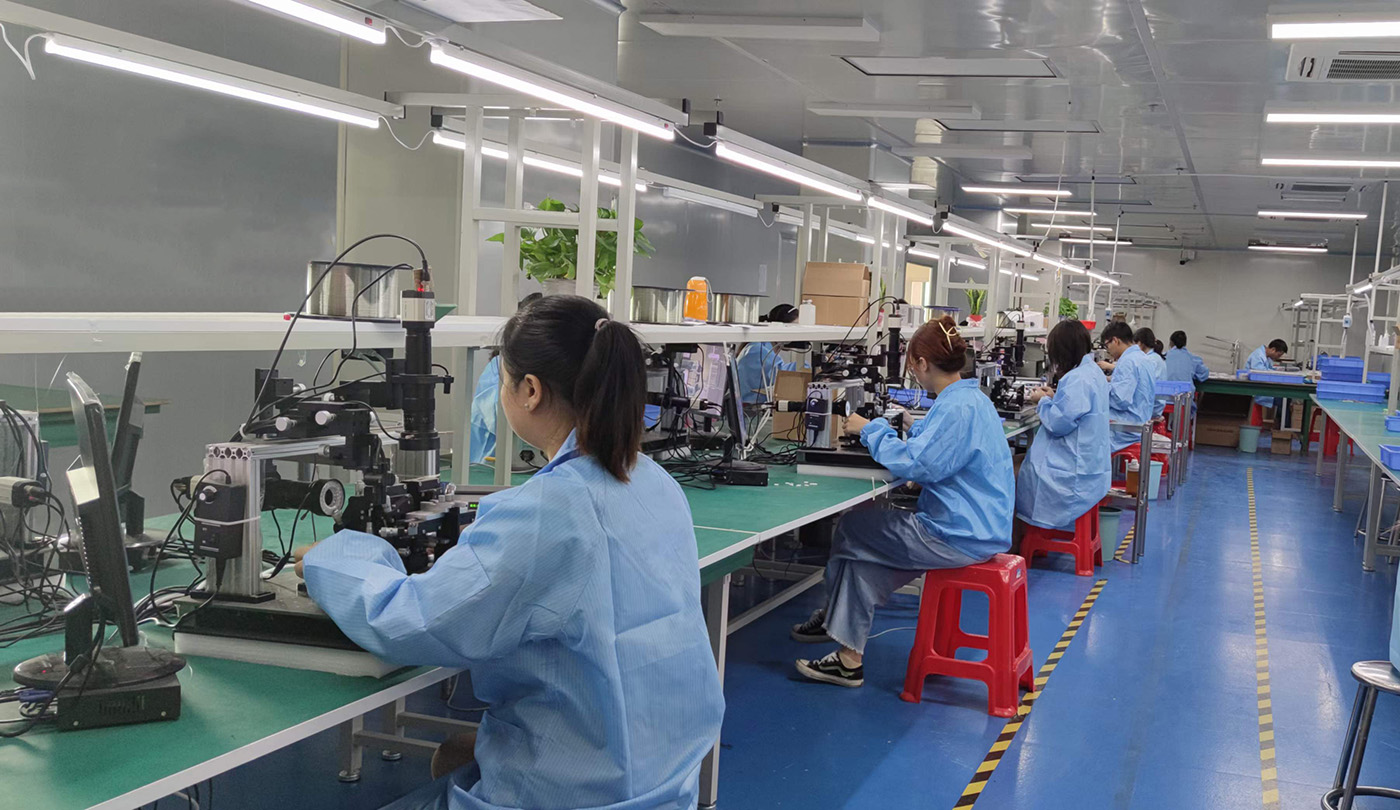
Our enterprise-grade transceivers and fiber optical termination products are deployed in networks run by leading global carriers:
As networks face unprecedented data loads from virtualization and AI, the physical layer must adapt. The technology roadmap for RJ45 transceivers is evolving in three distinct areas:
Industrial networking deployments require compliance with several key standards to ensure safety, reliability, and network compatibility:
 KOCENT OPTEC