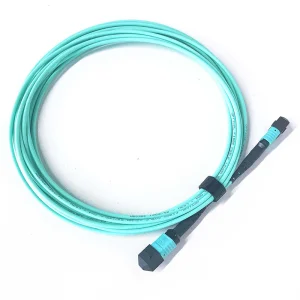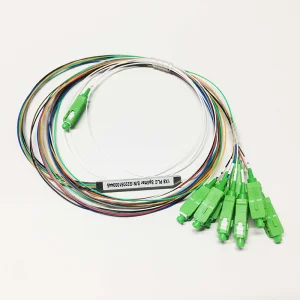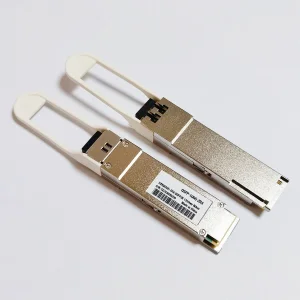
In the era of cloud computing, hyperscale data centers, 5G cellular communication, and artificial intelligence networks, data throughput requirements are expanding exponentially. Network architectures are transitioning from legacy structures to ultra-high-density leaf-spine physical layouts. Within this infrastructure development, fiber organization and physical cross-connect structures serve as the ultimate system foundation. OEM 4U fiber patch panels have emerged as a critical standard, offering the optimal cross-section of high port capacity, clean patch cable organization, mechanical protection, and modular scalability.
A 4U panel unit (equivalent to 7 inches or 177.8mm of rack height in typical standard 19-inch equipment racks) offers structural benefits that 1U or 2U panels cannot replicate. By dedicating a larger volumetric enclosure, a 4U patch panel provides sufficient bend-radius relief for high-core-count cables, accommodating up to 288 LC duplex ports (576 individual fiber cores) or even higher using multi-fiber push-on (MTP/MPO) modular cassette inserts. This structural height prevents severe cable congestion at the rear and front doors, minimizing micro-bending loss—a subtle yet detrimental physical issue that degrades optical signal-to-noise ratios (OSNR) and increases packet transmission drops in modern 400G and 800G optical links.
Enables scalability up to 1152 fiber connections using MTP/MPO cassettes within a compact standard rack envelope, minimizing physical footprint footprint footprint.
Preserves structural cable life and ensures low insertion loss (IL) by controlling minimal bending limits according to Telcordia GR-449-CORE standards.
Allows simultaneous termination of single-mode and multi-mode systems within independent tray structures, optimizing layout flexibility.
Established in 2012 in Hong Kong as a high-technology communication enterprise, Kocent Optec Limited has grown to become one of China's leading fiber optic termination product manufacturers and structural solution providers.
We are fully dedicated to developing, engineering, and manufacturing high-performance fiber optic communication products. Our product catalog spans from passive components to active optical categories, serving telecommunication networks, enterprise structures, and hyperscale cloud data centers worldwide.


By leveraging our extensive experience and excellent production capacity gained over the years, we magnify the outcome for our valuable customers. This ultimately expands their core competencies and helps them outperform competitors. We place deep emphasis on customer collaboration, defining ourselves as a trusted partner in specialized fiber optic connection solutions. We believe our differentiators are your perceived advantages.
Our domestic production ecosystem in China integrates raw material sourcing, automated metal fabrication, and optical assembly. This allows us to supply highly customizable OEM 4U fiber patch panels that meet specific dimensional, cabling, and visual requirements:
Years of Telecom Manufacturing Experience
Fully Tested & Inspected Products
Tier-1 Telecom Operators Deployed
Export Countries & Regions Globally
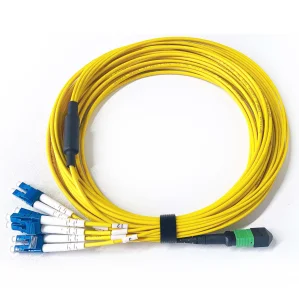
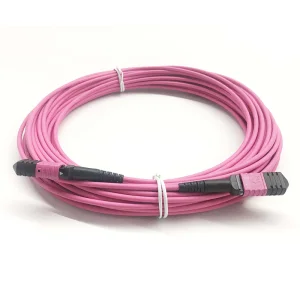
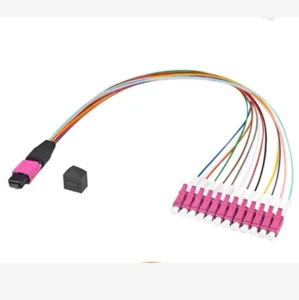
As networks evolve towards 400G, 800G, and 1.6T transmission links, physical cabling structures require both higher density and accessibility. Standard patch frames struggle to support these high port counts. Consequently, structural designs are trending towards slide-out drawer configurations with modular breakout cassettes. Instead of direct termination, installations utilize pre-terminated MTP/MPO trunk cables connected to modern patch modules at the rear, split into LC duplex breakouts at the front.
This hybrid architecture allows technicians to hot-swap individual trays or cassettes within the 4U panel frame without disrupting adjacent traffic. This approach minimizes service interruption risks and shortens mean time to repair (MTTR). In addition, integrated management structures keep patch cords organized, reducing weight stress on optical couplers and preventing physical damage during maintenance work.
Saves up to 75% on onsite deployment times by using factory-terminated MPO cassettes and trunk links instead of manual field fusion splicing.
Dedicated routing panels, D-rings, and trays prevent excessive tension and keep fibers neat, securing long-term optical link reliability.
Slide-out chassis designs with quick-release push clips allow fast cassette replacements and coupler cleaning, reducing labor costs.
Our OEM 4U fiber patch panels are engineered for deployment across diverse telecom and IT network environments:
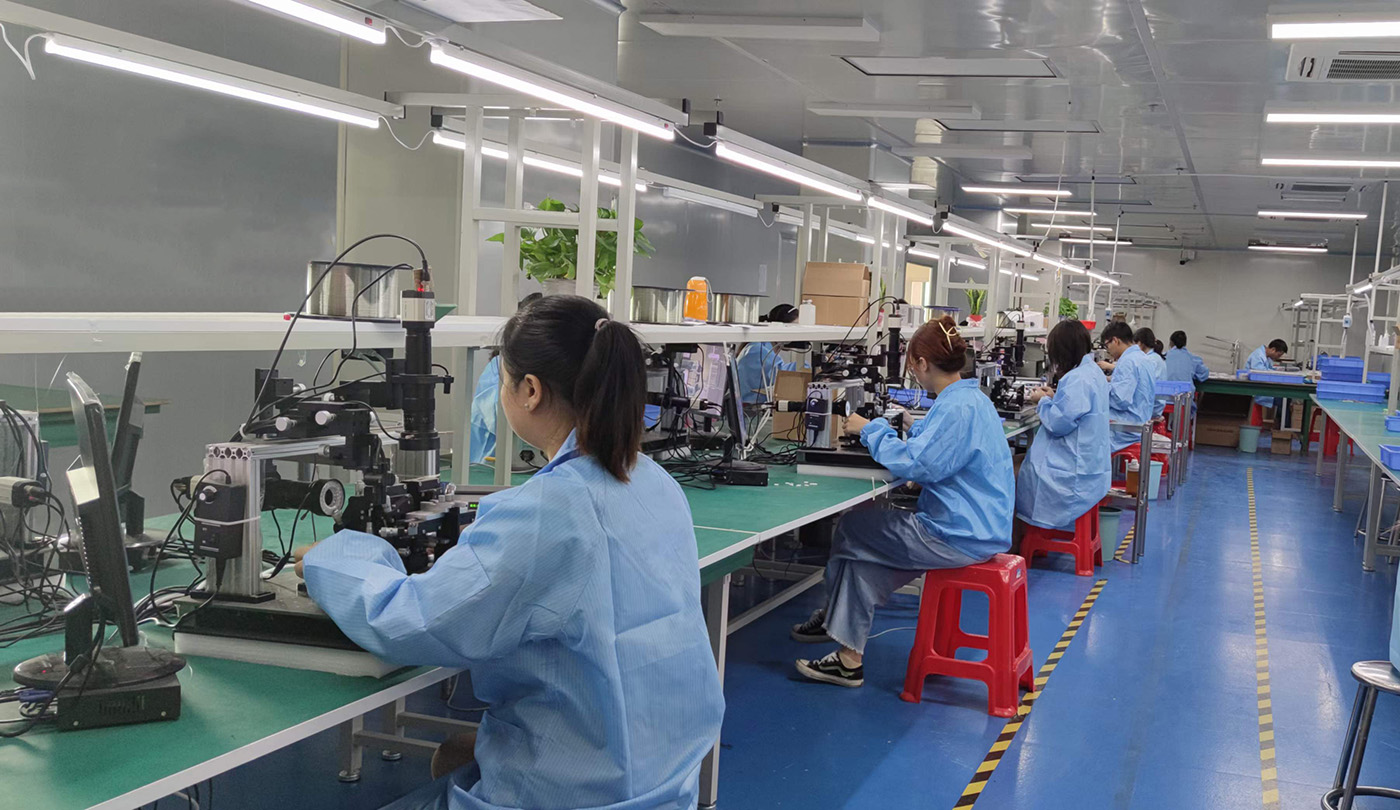
Win-win cooperation is our constant goal. Many of our OEM and ODM products have won Telecom Operator tenders and satisfy strict end-user requirements. Today, we support customers in East Asia, Southeast Asia, the Middle East, Eastern Europe, Western Europe, Northern Europe, South America, North America, North Africa, and South Africa.
Our passive fiber components, transceivers, and patch systems are approved and utilized by leading global terminal telecom operators, including:
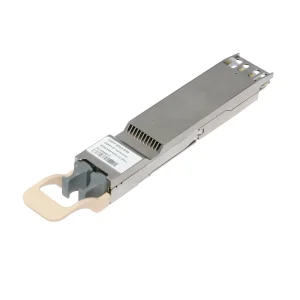
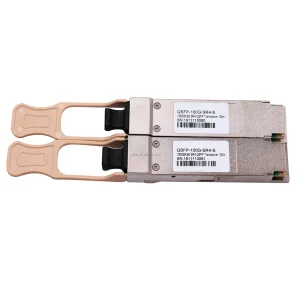
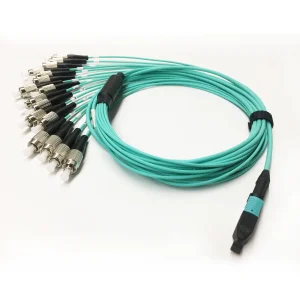
 KOCENT OPTEC