Explore our top-tier active and passive optical networking components engineered for zero-latency telecom backhauls and enterprise environments.
In modern telecommunication backbones and FTTx architectures, the 2 Core Single Mode (SM) Fiber Optic Cable has established itself as the structural unit of choice for localized drop networks, security system routing, and metropolitan backhaul links. Known colloquially as "dual-core" or "twin-core" SM fiber, this configuration provides a dedicated path for transmission (Tx) and reception (Rx), facilitating high-speed duplex communication protocols without the need for complex wavelength division multiplexing (WDM) at localized endpoints.
B2B network procurement officers and EPC (Engineering, Procurement, and Construction) contractors must balance optical budget restrictions, mechanical stress configurations, and cost constraints. Choosing the correct OEM supplier involves diving deep into the optical geometry of G.652.D versus G.657.A fiber, understanding how jacket selections (LSZH, PVC, PE) impact localized code compliance, and securing a reliable supplier pricing matrix that handles seasonal raw material price spikes without compromising delivery deadlines.
To establish maximum clarity for your design and installation teams, our engineers have compiled a comparison of the glass geometries utilized in our custom OEM 2 core single-mode cable manufacturing runs. The core diameter of a single-mode fiber is extremely small (8.2 to 9.2 µm), requiring precise manufacturing controls to prevent Core-Clad Concentricity Error (CCCE) from exceeding 0.5 µm.
| Optical Parameter | Standard ITU-T G.652.D | Bend-Insensitive ITU-T G.657.A1 | Bend-Insensitive ITU-T G.657.A2 |
|---|---|---|---|
| Mode Field Diameter (MFD) @ 1310nm | 9.2 ± 0.4 µm | 9.0 ± 0.4 µm | 8.6 ± 0.4 µm |
| Attenuation Coefficient @ 1310nm | ≤ 0.35 dB/km | ≤ 0.35 dB/km | ≤ 0.36 dB/km |
| Attenuation Coefficient @ 1550nm | ≤ 0.20 dB/km | ≤ 0.21 dB/km | ≤ 0.22 dB/km |
| Macro-bending Radius (Minimum) | 30 mm | 10 mm | 7.5 mm |
| Bending Loss (1 turn @ 10mm radius at 1550nm) | N/A (Too high) | ≤ 0.75 dB | ≤ 0.10 dB |
| Zero Dispersion Wavelength | 1300 ~ 1324 nm | 1300 ~ 1324 nm | 1300 ~ 1324 nm |
OEM Customization Tip: For FTTx in-wall home installations where the cable must wrap around sharp corners (such as baseboards), specifying G.657.A2 glass is critical. For outdoor pole-to-pole aerial installations or long-distance backhauls, G.652.D glass remains the industry standard due to lower baseline attenuation and optimal optical performance over extended spans.
Modern telecommunication demands go far beyond simple voice signals; they support data centers, 5G small cells, smart city grids, and industrial automation networks. Our 2 core single mode fiber optic cables are engineered for maximum reliability across diverse deployment environments.
Commonly referred to as "drop cable," the 2-core self-supporting Bow-type cable (GJYXFCH) utilizes two parallel FRP (Fiber Reinforced Plastic) strength members alongside a steel messenger wire. This design allows for direct aerial drop spans from the distribution pole directly into the subscriber's premises, minimizing termination splicing steps.
As 5G towers require high-capacity, low-latency links between Remote Radio Units (RRU) and Baseband Units (BBU), a 2 core armored single-mode cable provides a ruggedized duplex pathway. Integrated steel tape armoring shields the internal fiber cores from bird damage, rodent attacks, and crush forces during pole clamping.
High-voltage substations and electromagnetic interference (EMI) zones degrade standard copper signaling. Our non-metallic (all-dielectric) 2 core fiber optic cables offer complete electromagnetic immunity. This ensures continuous, error-free telemetry transmissions in chemical plants, oil fields, and high-voltage power networks.
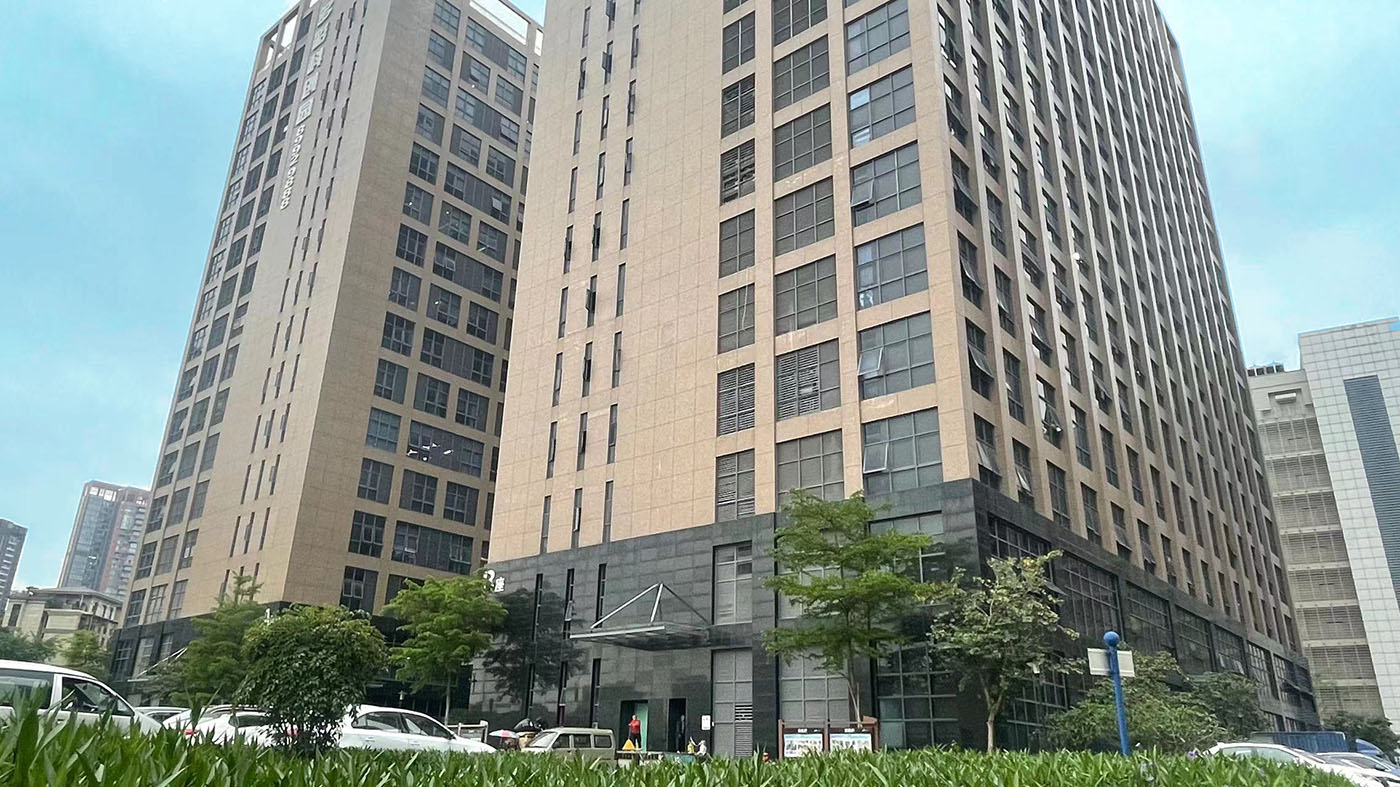
As a leading termination and fiber optic solution provider operating out of China's advanced manufacturing hubs, we recognize that procurement security extends beyond raw product pricing. Supply chain resiliency requires strict quality control, reliable raw material sourcing, and efficient shipping times.
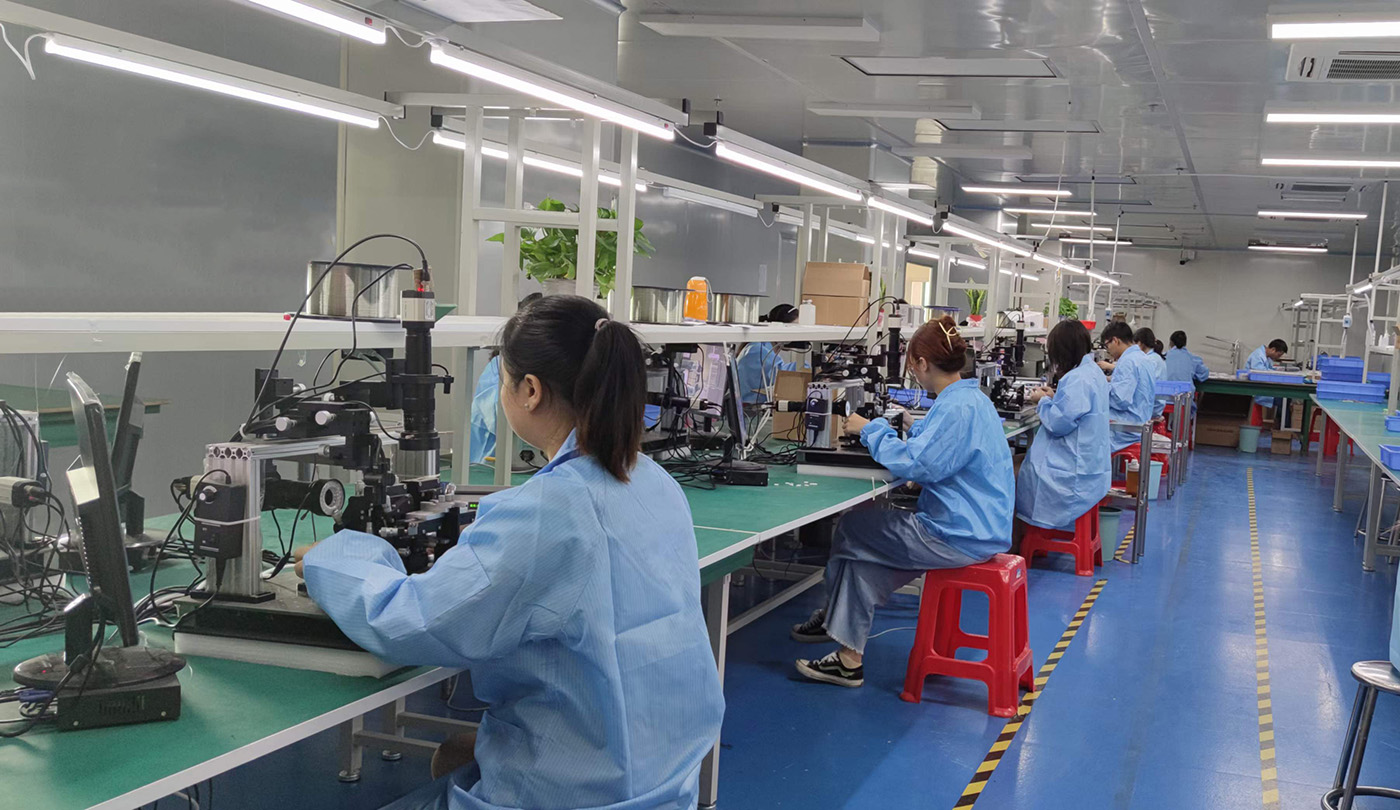
Our manufacturing facility applies Factory 4.0 principles, featuring computerized extrusion lines, automated length counters, and inline laser monitors that measure cable outer diameters to within 0.05mm tolerances. By using premium raw materials—such as high-grade LSZH (Low Smoke Zero Halogen) compounds, Corning/Meso glass preforms, and reliable aramid yarns—we manufacture finished cables that meet international performance expectations.
Established in 2012 in Hong Kong as a high-tech communication enterprise, Kocent Optec Limited has grown into one of China's leading fiber optic termination product manufacturers and solution providers. We are dedicated to developing and manufacturing fiber optic communication products ranging from passive to active categories for telecommunication networks, enterprise networks, and data centers.
By leveraging our extensive experience and production capacity gained over the years, we maximize outcomes for our customers, helping them expand their core competencies and outpace competitors. We place great emphasis on collaboration and view ourselves as a supportive partner in fiber optic connection solutions.

With more than 13 years of experience in manufacturing telecommunication fiber optic products, we strictly follow industry standards. We use proven, scientific methods to ensure timely delivery and verify that 100% of our products are tested and inspected before shipment. Our commitment to reliable connections makes us a trusted provider for major global projects.
Years of sales and service experience have enabled us to win customers across different regions. Today, Kocent Optec serves partners in East Asia, Southeast Asia, the Middle East, Eastern Europe, Western Europe, Northern Europe, South America, North America, North Africa, and South Africa. Many of our OEM and ODM products have been selected for Telecom Operator tenders, meeting rigorous end-user demands.
Our main terminal telecom operator network footprints include:
Fiber optic cable pricing depends on raw material indices (petrochemicals for jackets, copper/steel strength members, and optical preform costs). Below is an indicative wholesale pricing matrix for 2-core single-mode fiber optic cables based on bulk orders. For exact project-specific quotes, contact our sales department.
| Cable Architecture | Strength Member | Jacket Type | Standard Pack | Est. Price (USD/km) |
|---|---|---|---|---|
| GJXFH-2B6 (Bow-Type) | 2 * FRP (0.5mm) | LSZH (Flame Retardant) | 1km/2km per drum | $28.00 - $35.00 |
| GJYXFCH-2B6 (Self-Supporting) | 2 * FRP + Steel Wire | LSZH (UV Resistant) | 1km/2km per drum | $38.00 - $46.00 |
| GYXTW-2B1 (Outdoor Armored) | Steel Tape + 2 Steel Wires | MDPE (Moisture Proof) | 2km/3km per drum | $85.00 - $110.00 |
| GYFTY-2B1 (All-Dielectric) | Central FRP + Aramid Yarns | HDPE (Anti-tracking) | 2km/4km per drum | $120.00 - $145.00 |
Pricing Variables: Volume discounts apply for orders exceeding 50 km. Flame retardancy ratings (such as Euroclass CPR B2ca, Cca, or Dca) and custom outer sheath colors may affect production times and final costs.
As networks evolve toward higher speeds, optical physical layers face new challenges. Our research and development focuses on the following key areas to ensure long-term network capability:
For next-generation metro links, our R&D team is refining pure silica core technologies. These cores reduce attenuation down to 0.16 dB/km at 1550nm, expanding the distance limit for non-amplified optical channels.
To support global environmental initiatives, we are introducing bio-based, recyclable polymers for outer sheaths. These materials reduce environmental impact without sacrificing UV resistance or lifespan.
Designed for congested urban ducts, our micro-armor technology uses flexible, high-tensile micro-coils. These provide the protection of standard armoring at half the traditional cable volume.
Explore our high-density panels, termination tools, and customized patch cables engineered to optimize cabinet space and network reliability.
 KOCENT OPTEC