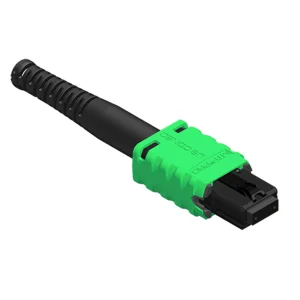
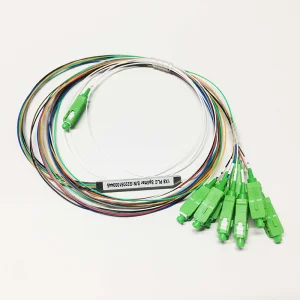
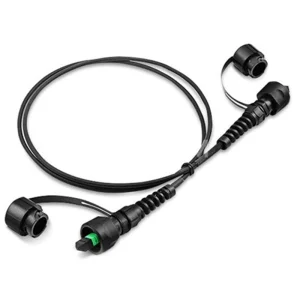
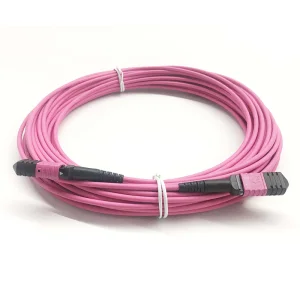
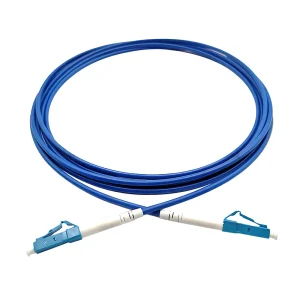
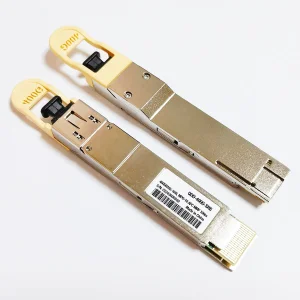
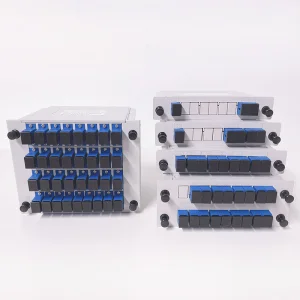
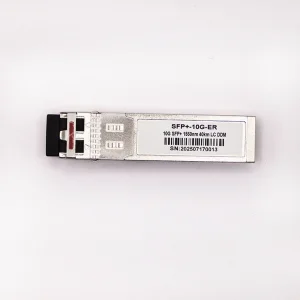
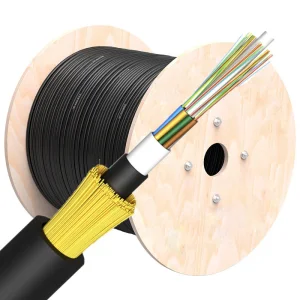
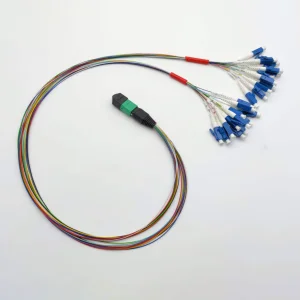
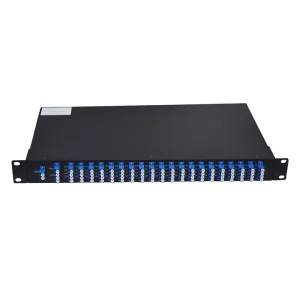
Discover our industry-proven passive components and high-density rack modules engineered for carrier-grade applications.
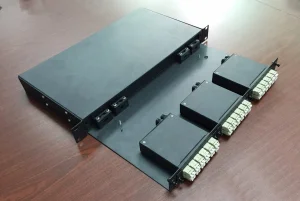
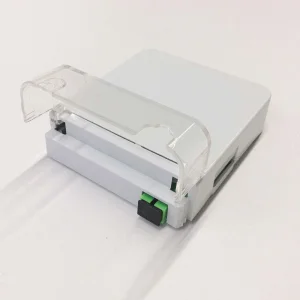
While fiber optics dominate long-haul infrastructure, copper cabling remains the bedrock of localized high-bandwidth distribution. Understanding the evolution of 10G copper solutions is vital for modern network topology planning.
Deploying Cat6A and Cat8 RJ45 structures allows backward compatibility with legacy copper systems. Modern 10GBASE-T architectures utilize advanced signal processing (PAM16 coding) to mitigate attenuation and achieve reliable 100-meter limits over copper media.
For Top-of-Rack (ToR) architectures within 7 meters, SFP+ 10G Passive and Active Direct Attach Copper (DAC) cables are unmatched in energy savings. By operating without internal laser components, DAC interfaces achieve latency figures near zero.
Advancements in twinaxial geometries and individual pair shielding (S/FTP) ensure mitigation of Alien Crosstalk (ANEXT). This structural improvement guarantees electromagnetic compatibility (EMC) in densely packed server nodes.
In high-density routing, copper media provides an optimal balance between Capital Expenditure (CapEx) and operational longevity. For links below 10 meters, SFP+ Copper assemblies consume approximately 0.1 Watts of power per port, whereas optical transceivers typically require upwards of 1.0 to 1.5 Watts. Over thousands of active ports, this efficiency difference correlates directly with reduced power usage and lower cooling demands in modern data centers.
Furthermore, structural developments in outer jacket compounds (Low Smoke Zero Halogen - LSZH and Plenum-rated PVC) satisfy strict regional fire safety guidelines globally. As a result, modern OEM 10G copper products deliver the electrical performance, safety, and durability required for enterprise-grade deployment.
Procurement teams look beyond raw unit costs. Standardizing high-speed transmission networks requires a strict focus on system reliability, multi-vendor interoperability, and long-term performance stability.
Enterprise data centers frequently mix hardware vendors like Cisco, Arista, Juniper, and Dell. Global buyers prioritize OEM suppliers that can write customized EEPROM codes onto transceivers and active copper assemblies, ensuring flawless system recognition without voiding host equipment warranties.
Global logistics demand strict compliance with international directives. Top-tier OEMs must verify conformity with RoHS (Restriction of Hazardous Substances), REACH, CE, and UL standards. Flame-retardant outer jackets must also pass regional safety ratings, such as the European Construction Products Regulation (CPR).
Replacing infrastructure in a production environment is costly and carries operational risk. Procuring 10G copper products built with pure oxygen-free copper (OFC) cores and 30u" to 50u" gold-plated connector contacts prevents oxidation and minimizes signal attenuation over years of operation.
To guard against single-point-of-failure risks in production, global system integrators work with Tier-1 OEM/ODM manufacturers capable of offering dual-source components. Strong factory relationships ensure predictable lead times and reliable shipping routes, protecting projects against logistics disruptions.
How advanced Chinese manufacturing hubs utilize automated manufacturing, strict quality control, and agile logistics to support global IT infrastructures.
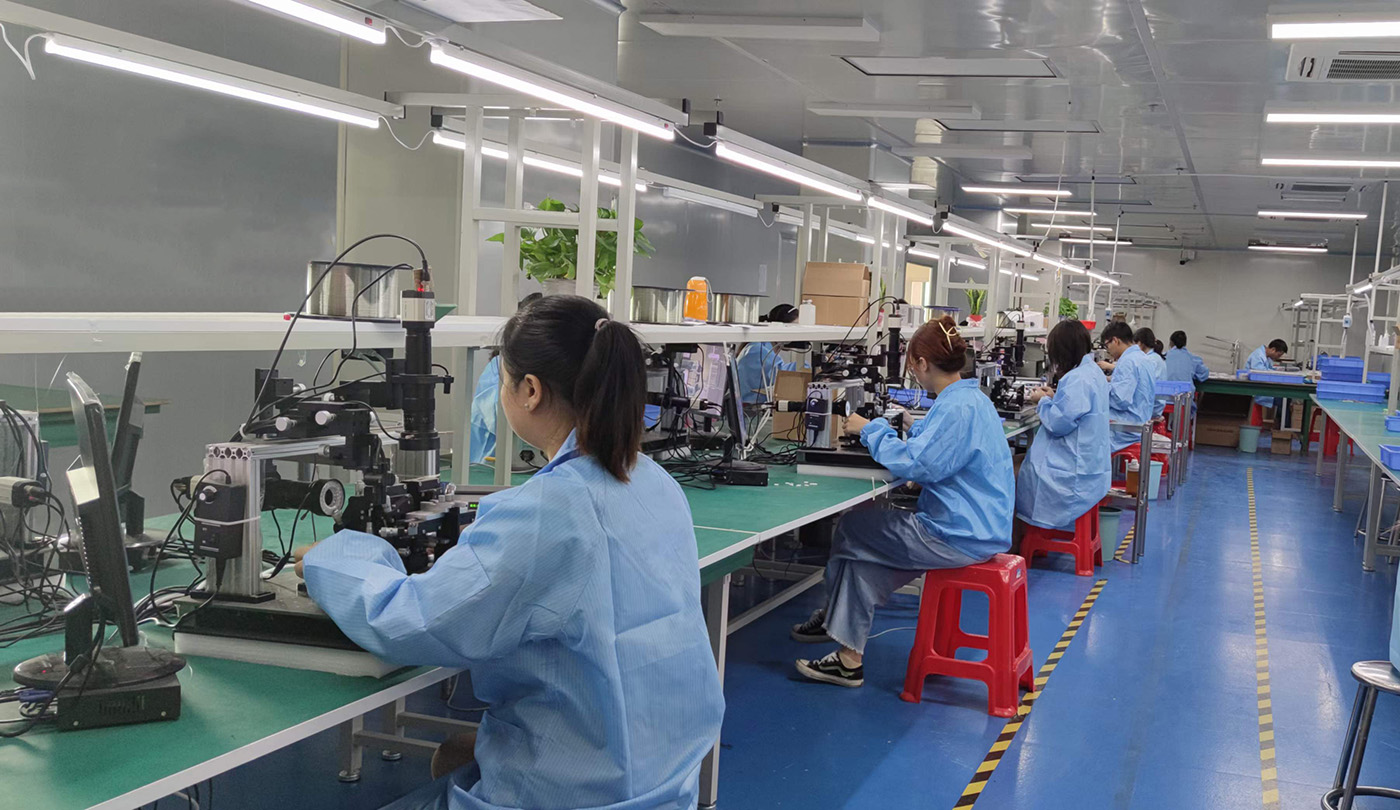
Chinese factories are shifting from labor-intensive assembly to advanced automated manufacturing. Modern extrusion systems, automated termination cells, and robotic optical testing stations ensure high repeatability and consistent product performance across high-volume production runs.
By integrating computerized quality management systems, production metrics are tracked in real-time. From measuring raw wire diameter to monitoring gold-plating thickness on RJ45 pins, every step of the process is recorded. This traceability provides global buyers with the assurance that all shipped batches meet structural return-loss and crosstalk requirements.
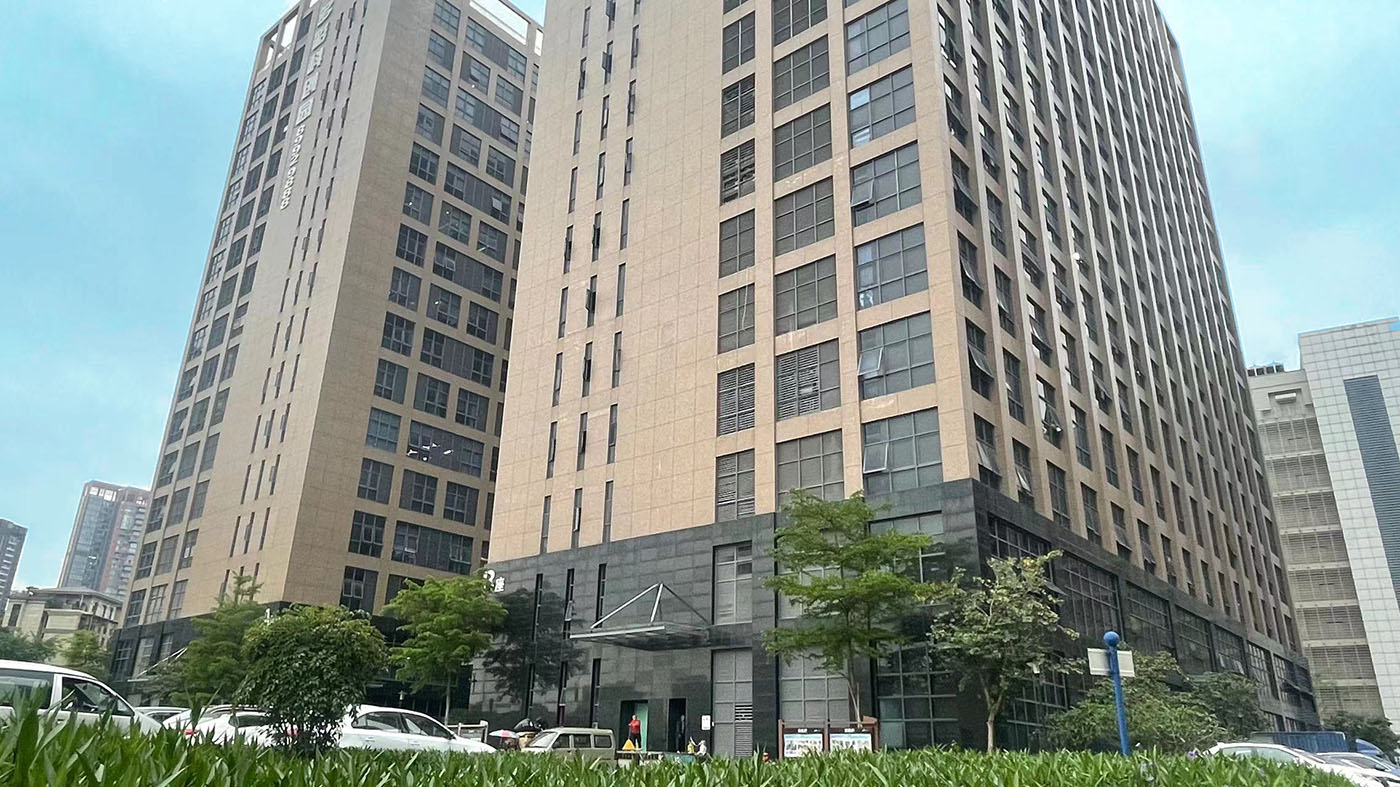
Established in 2012 in Hong Kong as a high-tech communications enterprise, Kocent Optec Limited has grown to become one of China's leading fiber optic termination product manufacturers and connectivity solution providers.
We are dedicated to developing and manufacturing high-performance fiber optic and copper communication products, ranging from passive components to active modules, for telecommunication networks, enterprise networks, and data center infrastructures. By leveraging our extensive experience and production capabilities developed over the years, we deliver reliable solutions that help our customers expand their capabilities and perform in their markets. We prioritize close customer collaboration, defining ourselves as a trusted partner in connection solutions. We believe our technical standards translate directly to your operational advantage.
With more than 13 years of experience in manufacturing telecommunication products, we follow strict industry standards. We apply verified testing methods to deliver your orders on time, ensuring that 100% of products are tested and inspected before shipment.
Years of sales and service experience have enabled us to build partnerships with customers across different regions. Today, we support projects in East Asia, Southeast Asia, the Middle East, Eastern Europe, Western Europe, Northern Europe, South America, North America, North Africa, and South Africa.
Mutual growth is our long-term goal. Many of our OEM and ODM products have been selected in major telecom operator tenders, meeting the requirements of demanding network environments. Our key end-user partners and telecom operators include:
From office buildings to harsh industrial floors, selecting the right cabling infrastructure is key to maintaining network performance and uptime.
Enterprise workspaces deploy Cat6A structural cabling to connect core distribution switches to high-throughput wireless access points (Wi-Fi 6E/7). Copper's support for Power over Ethernet (PoE++ up to 90W) eliminates the need for separate electrical runs to devices like PTZ cameras and smart displays.
Modern factories require cables that can withstand continuous mechanical movement, exposure to oils, and high electromagnetic interference. Industrial-grade 10G copper cables feature polyurethane (PUR) jackets, double shielding, and specialized M12 circular connectors to ensure reliable data links in challenging production environments.
Medical imaging equipment, such as MRI scanners and high-resolution X-ray systems, generates large data files that must be transferred quickly to local servers. Shielded 10G copper paths provide the necessary bandwidth while protecting sensitive medical signals from electromagnetic noise.
In data center designs, choosing the right cabling media is a balancing act between physical requirements and distance limitations. SFP+ Direct Attach Copper (DAC) cables are widely used for Top-of-Rack (ToR) switch-to-server connections, providing a cost-effective and energy-efficient solution. For distances beyond 10 meters, Cat6A copper patch cords allow structured cabling to run through underfloor trays and overhead racks, offering the installation flexibility that optical fibers can lack.
Common questions and considerations for selecting high-performance copper and fiber cabling systems.
Explore our range of active transceiver interfaces, high-density splitters, and ruggedized outdoor components built for harsh environments.
 KOCENT OPTEC