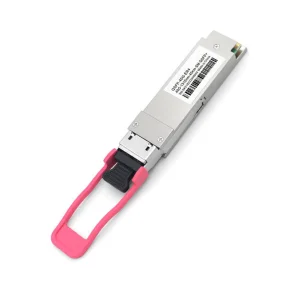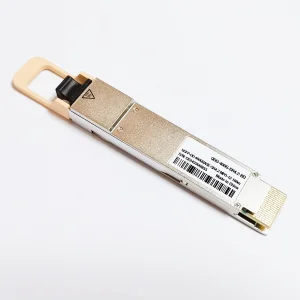
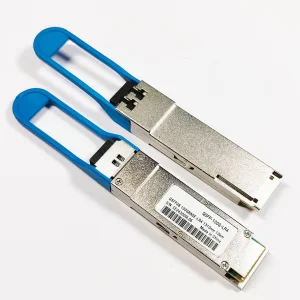
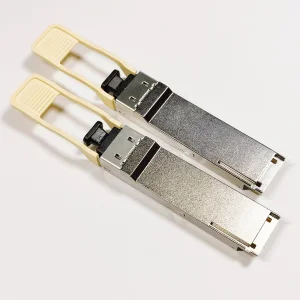
The global paradigm shift towards hyper-scale data centers, high-performance edge computing, and 5G network distribution has pushed existing optical network infrastructures to their absolute limits. In this deployment surge, the 100G QSFP28 LR4 (Long Range 4 lanes) optical transceiver has cemented its role as the industry workhorse for medium to long-distance data transmission. Specifying a LAN-WDM center wavelength spacing, this transceiver achieves a robust 10km link distance over G.652 standard single-mode optical fiber (SMF) without the need for inline optical amplifiers.
From a global commercial standpoint, while 400G and 800G modules are making headways inside hyper-scale data centers, the metro-access network, long-haul enterprise interconnections, and national broadband distributions rely predominantly on 100G architectures. The cost-to-performance ratio of 100G QSFP28 LR4 modules remains unmatched, particularly when considering factors like thermal dissipation, backward compatibility, and equipment cost capitalization.

Manufacturing Experience
Dual-Port QA Testing
Standard OS2 Link Reach
Tier-1 Telecom Partners
Technically, the QSFP28 LR4 works by converting 4 input channels of 25Gb/s electrical data to 4 channels of LAN-WDM optical signals and then multiplexing them into a single channel for 100Gb/s optical transmission. Reversely, on the receiver side, the module demultiplexes a 100Gb/s optical input into 4 channels of LAN-WDM optical signals and then converts them to 4 output channels of electrical data. The four LAN-WDM wavelengths are spaced with extreme precision:
By leveraging LAN-WDM wavelengths, the 100G QSFP28 LR4 utilizes the zero-dispersion window of single-mode fibers. This reduces dispersion penalties, which enables the transceiver to operate effectively over 10km spans without requiring chromatic dispersion compensation modules. This structural design keeps processing latency at a sub-nanosecond level, a parameter critical to financial trading systems, distributed database synchronization, and automated industrial plants.
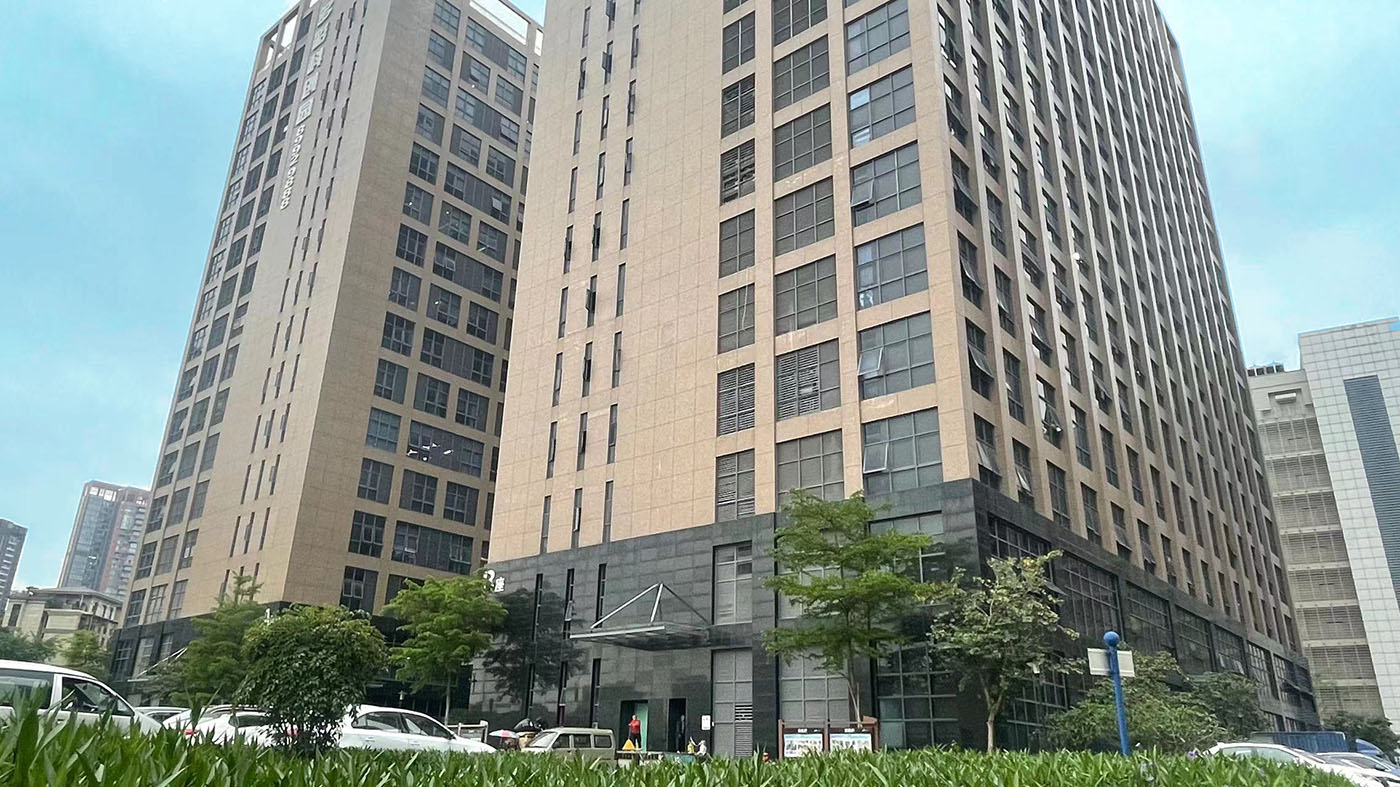
Sourcing 100G QSFP28 LR4 transceivers directly from an established Chinese OEM manufacturer like Kocent Optec Limited offers substantial capital advantages. The efficiency of China's optical communication supply chain clusters—primarily in regions surrounding Shenzhen and Wuhan—allows for significant economies of scale. Raw silicon-photonics wafers, high-precision laser diodes, and advanced printed circuit board assemblies (PCBA) are sourced, assembled, and optimized in a continuous, highly integrated flow.
Unlike transactional suppliers, Kocent Optec manages an end-to-end manufacturing and QA pipeline. Every single optical transceiver is subjected to real-world deployment emulation, testing on targeted host switches (including Cisco, Juniper, Arista, and Dell platforms). By leveraging automated optical coupling systems and algorithmic calibration equipment, we keep optical component yield rates above 99.8%. This meticulous attention to detail minimizes post-deployment failures and reduces the Total Cost of Ownership (TCO) for data centers globally.
Pricing for OEM optical modules varies depending on volume commitments, customization of firmware (compatibility code), and the operating temperature grade (Commercial vs. Industrial). Refer to the baseline pricing matrix below.
| Product Model Code | Interface/Type | Temp. Range | Compatibility Profile | Est. Tier Pricing (FOB Shenzhen) |
|---|---|---|---|---|
| KCO-QSFP28-LR4-C | 100GBASE-LR4 LC SMF 10km | 0°C ~ 70°C (Commercial) | Generic MSA / Uncoded | Request Bulk Quote |
| KCO-QSFP28-LR4-OEM-C | 100GBASE-LR4 LC SMF 10km | 0°C ~ 70°C (Commercial) | Fully Custom (Cisco/Juniper/Arista) | Request Custom Firmware Pricing |
| KCO-QSFP28-LR4-I | 100GBASE-LR4 LC SMF 10km | -40°C ~ 85°C (Industrial) | Generic MSA / Uncoded | Request Industrial Quote |
| KCO-QSFP28-LR4-OEM-I | 100GBASE-LR4 LC SMF 10km | -40°C ~ 85°C (Industrial) | Custom Firmware Locked (Ruggedized) | Request Customized Project Quote |
Established in 2012 in Hong Kong as a high-tech communication enterprise, Kocent Optec Limited has grown into one of China's leading fiber optic termination product manufacturers and solution providers. We are dedicated to developing and manufacturing passive and active fiber optic communication products for telecom operators, enterprise networks, and modern data centers.
With over 13 years of specialized manufacturing experience, we follow strict industry standards using mature scientific methods. This rigorous oversight ensures that 100% of our products are tested, inspected, and validated before shipment. By leveraging our extensive experience and production capacity, we help our customers build reliable networks, expand their core competencies, and gain a competitive edge.
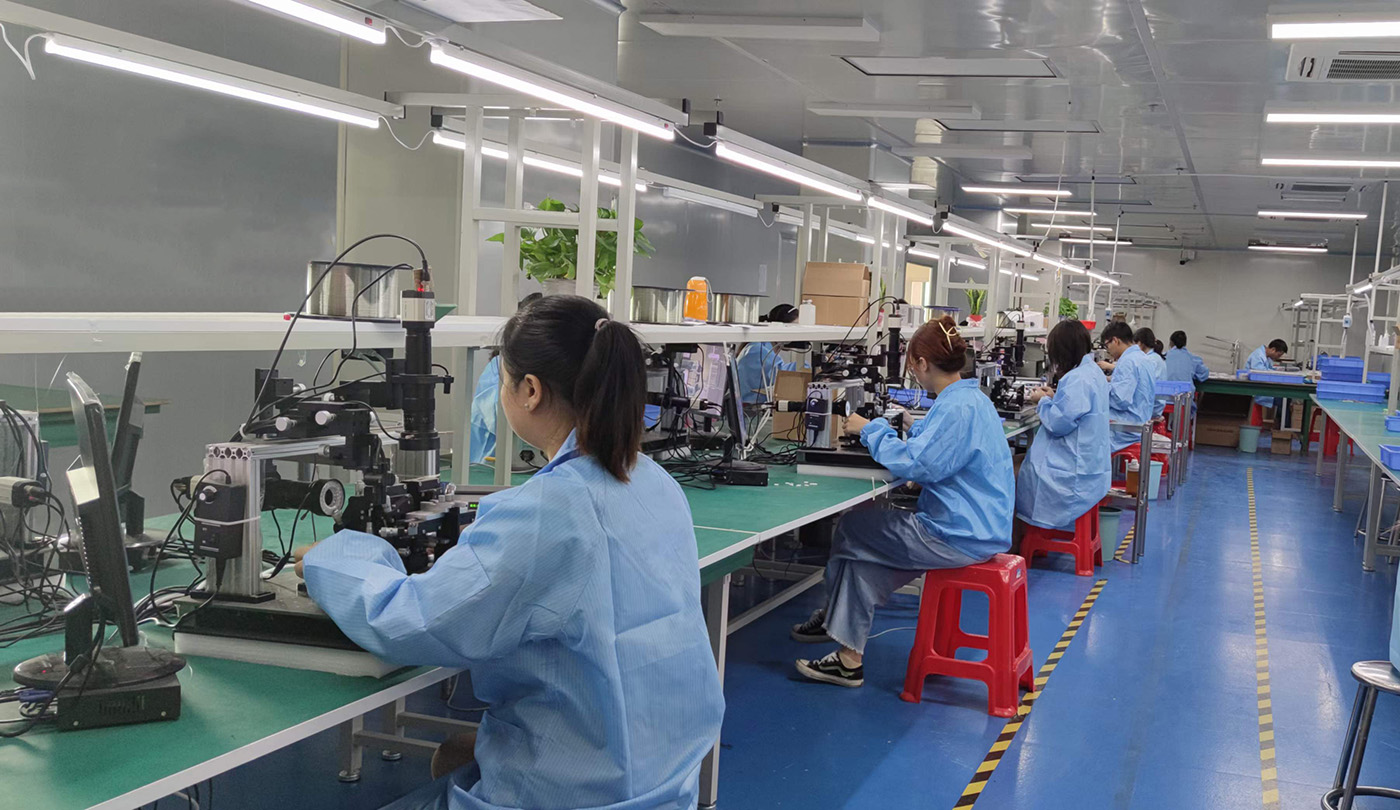
Many of our OEM and ODM products have won telecom operator tenders, meeting the rigorous standards of global network administrators. Our core products support network systems managed by major global operators, including:
 KOCENT OPTEC