Explore our high-density patch panels, customized optical adapters, transceivers, and media converters designed for next-generation telecommunication hubs.

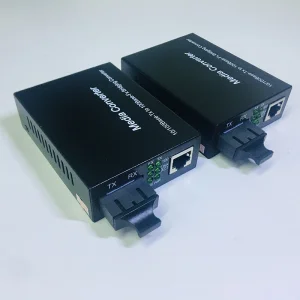
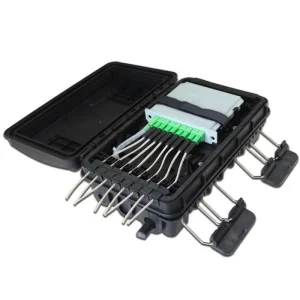
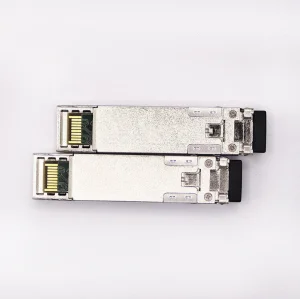
In the rapidly shifting landscape of enterprise networking and high-bandwidth telecommunications, the 10G SFP+ (Small Form-factor Pluggable Plus) transceiver remains an essential cornerstone. While hyper-scale data centers are routing pathways to 100G, 400G, and even 800G optical architectures, the 10G infrastructure acts as the foundational aggregate layer for enterprise networks, metropolitan access systems, and edge data terminals. As global connectivity demands surge, network engineers and procurement officers face the critical challenge of sourcing high-reliability transceivers that deliver the optimal balance between performance, vendor compatibility, and capital expenditure (CAPEX) efficiency.
Selecting a qualified ODM (Original Design Manufacturer) for 10G Fiber SFP modules involves evaluating core variables such as internal optical engine quality, EEPROM programming flexibility, and strict multi-vendor compatibility protocols (e.g., Cisco, Juniper, Arista, Huawei, Dell). This white paper provides a systematic, technical breakdown of the 10G SFP+ ecosystem, exploring ODM manufacturing operations, global price structures, and engineering standards that guarantee high operational resilience.
Key Market Trend: Dual-rate and multi-rate SFP+ transceivers (supporting 1G/10G autonegotiation) are replacing legacy single-speed models to future-proof network switches, enabling smooth migration paths for access nodes and telecommunication distribution networks.
Customized optical transceivers represent a major share of telecom procurement. Original Design Manufacturers (ODMs) configure hardware and software features to fit specific deployment environments. Understanding these custom configurations is vital for matching the technical requirements of modern networks.
Different network switches utilize proprietary handshakes to authenticate transceivers. SFP modules manufactured by ODMs require customized EEPROM coding to emulate the manufacturer’s native signatures. This includes mapping specific parameters inside the transceiver's memory blocks (A0h and A2h) according to MSA (Multi-Source Agreement) standards.
By leveraging advanced software configurations, ODMs write customized Vendor Name, Part Number, Serial Number, and Link Code profiles. This ensures that when the module is inserted into a switch (such as a Cisco Catalyst or Juniper EX series), it registers as an approved accessory rather than raising a "non-compatible transceiver" alarm and shutting down the optical port.

| Transceiver Type | Wavelength (nm) | Fiber Type / Reach | Laser Type / Optical Engine | Est. ODM FOB Price Range (USD) |
|---|---|---|---|---|
| 10G SFP+ SR | 850nm | MMF (OM3/OM4) / Up to 300m | VCSEL Laser + PIN Receiver | $6.50 - $11.00 |
| 10G SFP+ LR | 1310nm | SMF (G.652) / Up to 10km | DFB Laser + PIN Receiver | $10.50 - $18.00 |
| 10G SFP+ ER | 1550nm | SMF (G.652) / Up to 40km | DFB Laser + PIN Receiver | $22.00 - $35.00 |
| 10G SFP+ ZR | 1550nm | SMF (G.652) / Up to 80km | EML Laser + APD Receiver | $48.00 - $75.00 |
| 10G SFP+ BiDi | 1270Tx / 1330Rx (or opposite) | Simplex SMF / Up to 20km | DFB Laser + PIN Receiver | $14.00 - $24.00 |
*Disclaimer: The above price guidelines represent wholesale ODM estimates based on minimum order quantities (MOQ) of 1,000 units. Prices fluctuate based on memory requirements, target compatibility, and component costs (laser/IC chip shortages).
The deployment of optical interconnect components is closely tied to regional telecommunications capital expenditures (CAPEX). Major telecom operators require reliable, high-volume manufacturing partners who can scale production while maintaining tight optical tolerance guidelines.

Leading telecommunications operators depend on massive, uninterrupted pipelines of transceivers, patch cords, and optical splitting hubs to run their core and distribution networks. By leveraging years of experience, specialized manufacturers like Kocent Optec Limited produce components configured to function across diverse environments, from urban centers to remote, harsh-weather installations.
For these operators, reliability means maintaining stable link power margins, minimized insertion loss on fiber lines, and zero diagnostic warnings under peak loads. Compliance with strict standards like Telcordia GR-326-CORE and ITU-T recommendations ensures that transceivers integrated into these carrier grids can operate continuously for decades.
Kocent Optec's ODM and OEM optical networking products have won tenders and supported operations for primary telecommunication companies and enterprise networks globally, including:
This broad operational presence demonstrates the capability to handle large-scale, high-density optical fiber deployments. To support these projects, factories must run systematic manufacturing operations that guarantee zero defects on active transceivers, high-density MPO patch cords, and fiber distribution panels alike.
The structural integrity of an SFP+ module depends on the quality of its optoelectronic components. A minor defect in the laser sub-assembly or internal circuit board can cause link degradation, high bit error rates (BER), or catastrophic device failures in high-speed networks.
Professional ODMs focus on sourcing high-grade components, including:
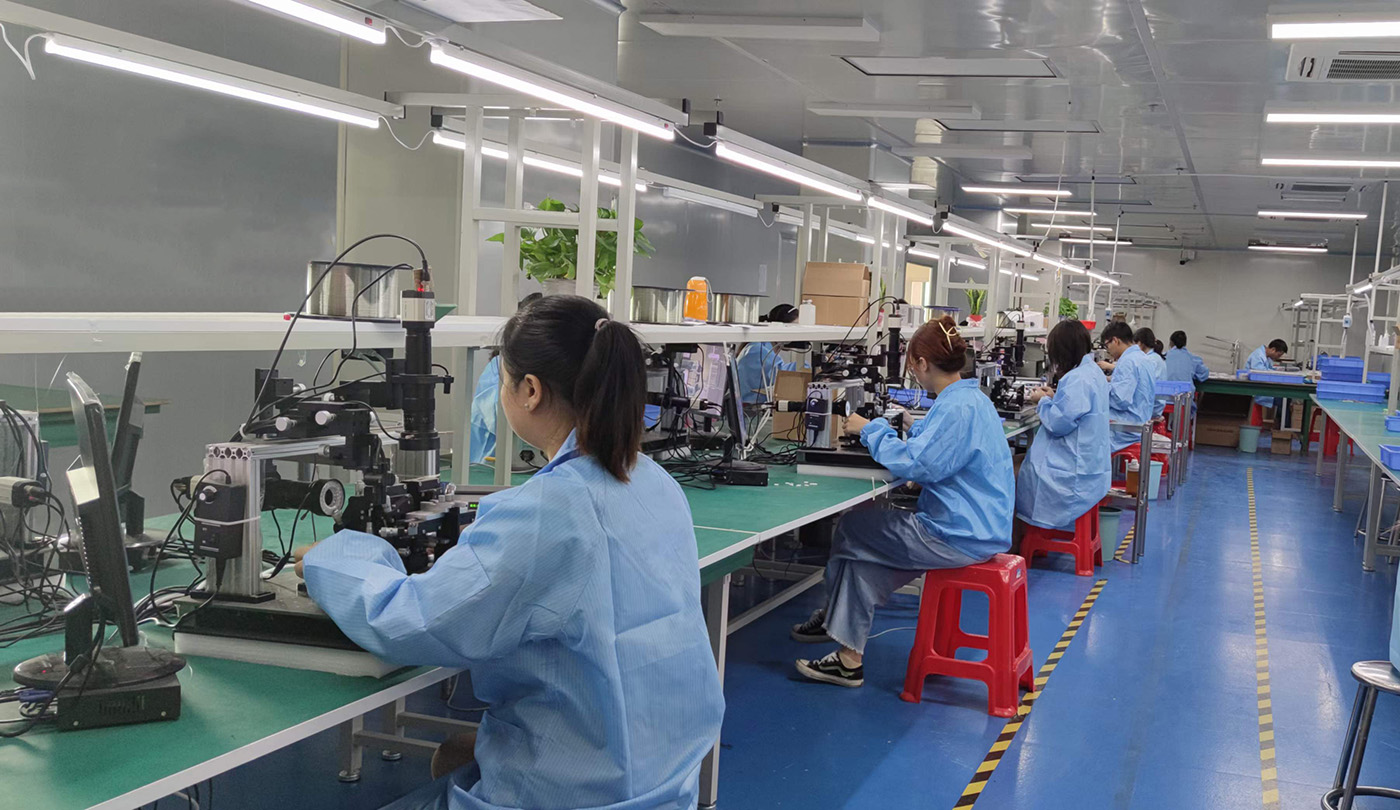
Every optical component must go through strict testing cycles before leaving the production line. High reliability is achieved by applying systematic verification steps to every batch:
Testing protocols include real-time Eye Diagram Analysis to check signal integrity, Bit Error Rate (BER) testing under simulated cable distances, and accelerated thermal cycling inside environmental chambers. This guarantees performance remains consistent from -40°C to +85°C for industrial-grade applications.
Optoelectronic components operate in diverse environments globally. Designing transceivers and interconnect systems requires tailoring hardware to meet specific localized conditions:
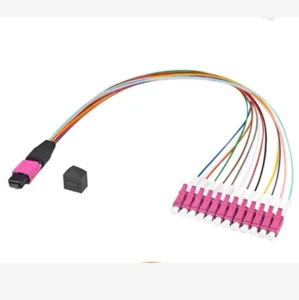
Data centers face constant space and heat challenges. High-density fiber panels, customized MPO/MTP breakout assemblies, and low-power 10G SFP+ SR modules allow operators to maximize physical rack space while minimizing energy consumption. Customizing short-boot fiber terminations and utilizing high-loss-budget couplers reduces the physical volume of overhead cabling, improving airflow and lowering overall cooling expenses.
Industrial deployments (such as smart grids, railway systems, and outdoor oil rigs) expose networking gear to severe vibration, dust, and temperature swings. For these environments, industrial-grade transceivers (I-Temp: -40°C to +85°C) are built with robust housings and heavy-duty optical components. This helps prevent transceiver degradation, ensuring reliable links even under challenging physical and thermal conditions.
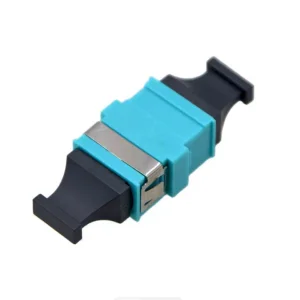
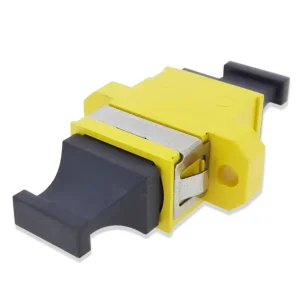
To maintain reliable fiber links, engineers use optical loopbacks and tactical fiber optic patch cords to test signal integrity right at the distribution point. Using high-quality connectors (like US Conec housing kits and specialized adapters) ensures that test results remain accurate and consistent across thousands of connection cycles during standard field maintenance.
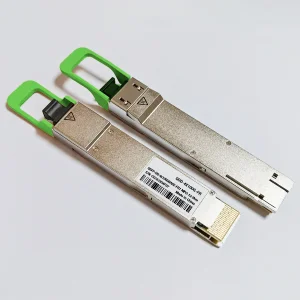
As data demands grow, modern network designs must plan for future bandwidth expansions. Transitioning from 10G SFP+ to 25G SFP28, 100G QSFP28, and 400G QSFP-DD architectures is essential for keeping pace with rising network traffic.
Our engineering roadmap is designed to support this transition smoothly. By manufacturing backwards-compatible form factors, we help operators upgrade their network capacity incrementally:
Whether deploying 10G copper media converters, 25G BiDi modules, or high-capacity 400G PAM4 optics, using consistent manufacturing standards ensures long-term interoperability and protects your hardware investments.
Technical answers to help network architects and purchasing departments make informed procurement decisions.
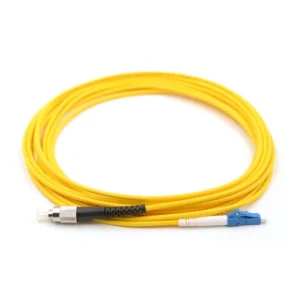
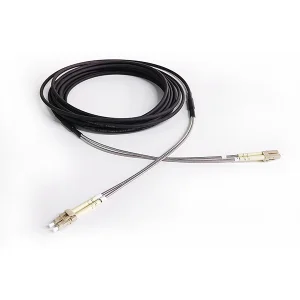
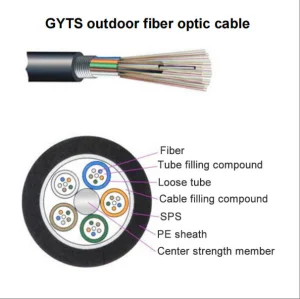
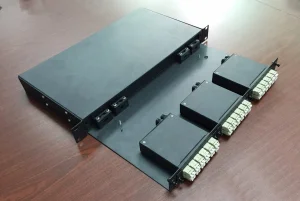
Complete your high-bandwidth fiber installations with our range of high-density couplers, patch cords, outdoor optical cables, and high-speed transceivers.
 KOCENT OPTEC