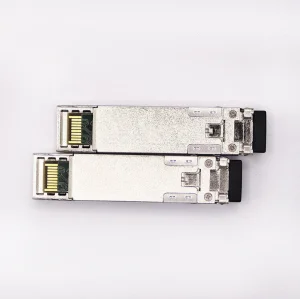
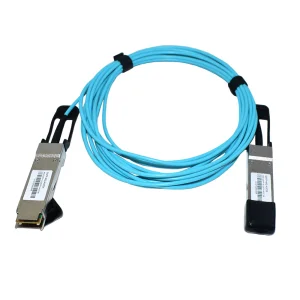
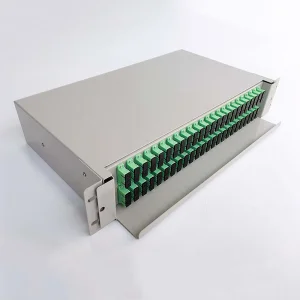
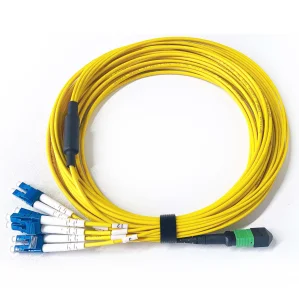
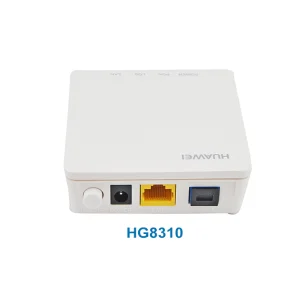
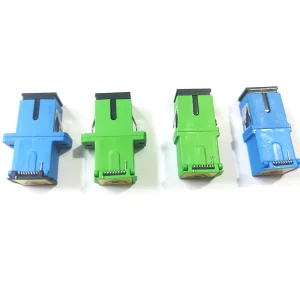
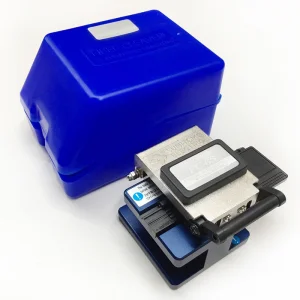
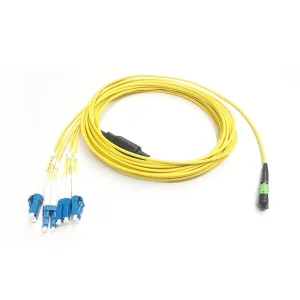
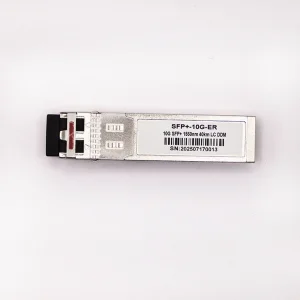
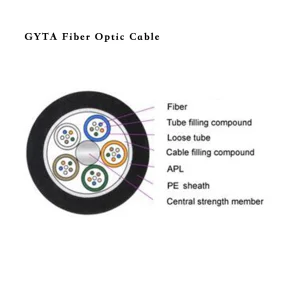
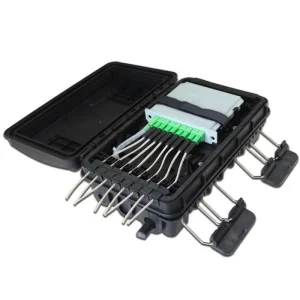
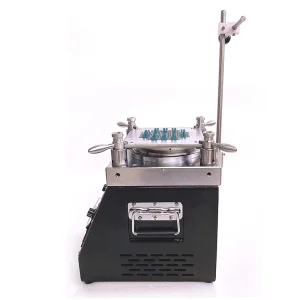
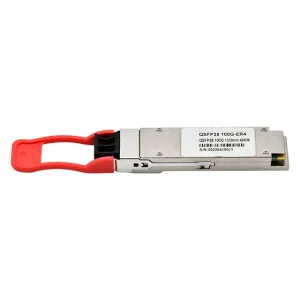
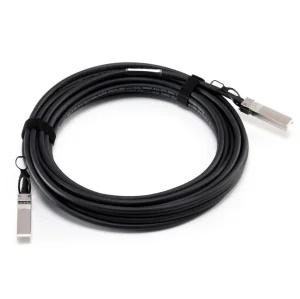
Explore our industrial-grade transceivers, aerial closures, splice termination boxes, and fiber termination utilities engineered for high reliability.
Established in 2012 in Hong Kong as a high-tech communication enterprise, Kocent Optec Limited has emerged as one of China's leading fiber optic termination product manufacturers and system solution providers.
We are deeply dedicated to research, engineering, and manufacturing fiber optic communication products ranging from passive infrastructure (ADSS, drop cables, patch panels, splice closures) to high-speed active transmission categories (transceivers, active optical cables, ONTs) built for telecommunication networks, industrial enterprises, and ultra-scale data centers.

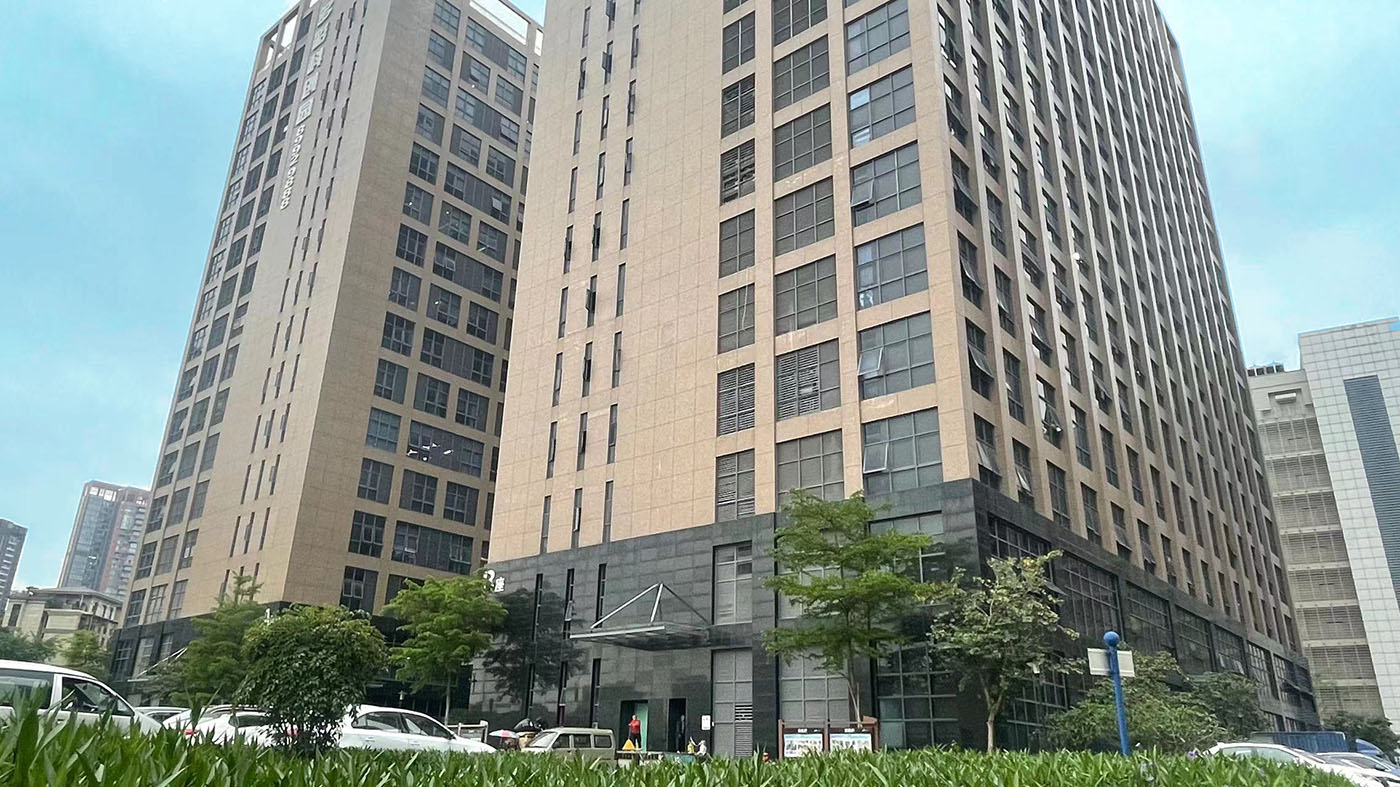
By leveraging our extensive structural manufacturing experience and excellent production capacity developed over the last decade, we magnify operational efficiency for our valuable partners. We focus on enabling our customers to expand their core competencies, reduce deployment overhead, and ultimately outperform competitors.
We place critical emphasis on client collaboration, custom engineering, and transparent supply chain alignment. Kocent Optec Limited defines itself not merely as a manufacturer, but as your strategic engineering partner in overhead, underground, and terminal fiber distribution.
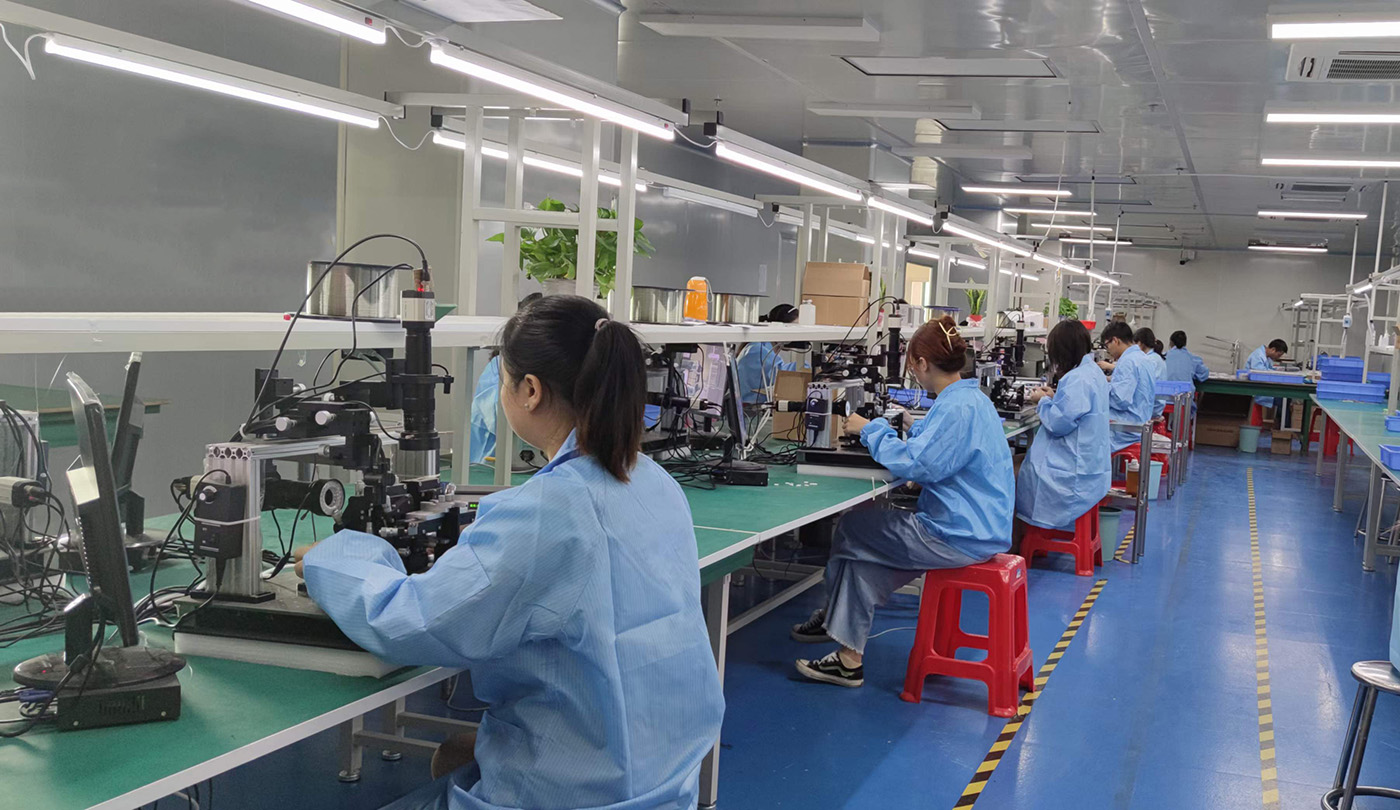
With more than 13 years of technical excellence in manufacturing telecommunication products, Kocent Optec Limited strictly adheres to domestic and international fiber optic industry standards (IEC, ITU-T, IEEE).
Using mature, data-driven scientific methods, we ensure that 100% of our products undergo rigorous functional, environmental, and mechanical testing and inspection prior to leaving our factories. This complete testing program covers optical attenuation, tensile strength, environmental temperature cycling, and high-voltage resistance.
Our relentless focus on reliable performance has earned us market share across East Asia, Southeast Asia, the Middle East, Eastern and Western Europe, Scandinavia, North and South America, and across Africa.
Understanding the engineering methodologies, mechanical attributes, and deployment topologies of modern overhead fiber optic infrastructure.
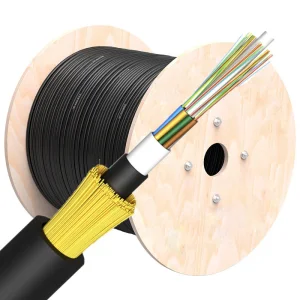
All-Dielectric Self-Supporting (ADSS) cables are engineered specifically for installation along high-voltage utility transmission lines and distribution corridors. Constructed entirely from non-metallic dielectric elements, ADSS eliminates electromagnetic interference and electrical tracking, allowing safe live-line hot installation. High-tensile aramid yarns serve as the structural support member, protecting the loose tube optical fibers against high wind loads and ice accumulation.
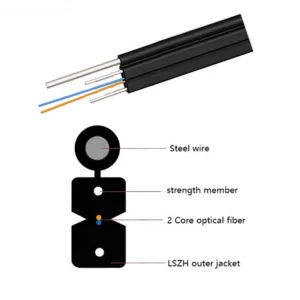
Figure-8 fiber optic cables incorporate a metallic or FRP messenger wire integrated into the outer HDPE outer jacket in a transverse figure-of-eight profile. This unified structural configuration dramatically simplifies installation mechanics by eliminating the need for independent external lashing wires. Ideal for municipal networks, urban distribution, and rural FTTH expansion where existing telephone or low-voltage electrical poles are readily accessible.
Operating at the intersection of power utility grids and telecommunication networks, OPGW cables serve as a dual-purpose system. They replace traditional ground wires on electrical transmission towers to shield lines from lightning strikes and fault currents while containing an armored stainless-steel core of optical fibers. This structure guarantees high-bandwidth communications secure from atmospheric interference and ground-fault disruptions.
In challenging geographic locations, including dense mountainous terrain, agricultural corridors, or rocky soils, excavating trenches for underground duct installation is financially and logistically prohibitive. Aerial fiber deployments cut construction schedules by up to 75% and capital expenditure (CAPEX) by up to 60%, utilizing pre-existing power or telephone utility grid infrastructure.
Examining international deployment trends, regional grid configurations, and regulatory drivers forcing transition to high-capacity aerial cables.
The modernization of electrical utility grids into smart grids requires instant telemetry, real-time power analytics, and low-latency control circuits. To achieve this, power distribution companies globally are replacing structural ground wires with OPGW and mounting ADSS lines to high-voltage transmission lines.
This technological shift ensures utility providers can monitor sub-station activity, regulate load distribution dynamically, and license excess fiber capacity to commercial telecom operators.
Overhead installations expose cables to severe environmental stresses. Aerial designs must withstand extreme mechanical strain under heavy wind and ice loads. Kocent Optec cables are engineered with high-density outer jackets (HDPE or track-resistant materials) to prevent damage from UV radiation, environmental pollutants, and mechanical vibration.
A detailed view of engineering parameters, material choices, and industry compliance for high-capacity aerial fiber deployments.
To assist telecom planners and electrical grid engineers, the following matrix outlines the physical, mechanical, and optical parameters of Kocent Optec's premier ADSS and Figure-8 fiber cable range.
| Parameter / Specification | ADSS Cable (Standard Span) | Figure-8 Self-Supporting Cable | GJYXFCH FTTH Drop Cable |
|---|---|---|---|
| Fiber Types Available | G.652D, G.655, G.657A1/A2 | G.652D, G.657A1/A2 | G.657A1, G.657A2 (Bend-Insensitive) |
| Maximum Core Count | Up to 288 Cores | Up to 144 Cores | 1, 2, 4 Cores |
| Span Length Capability | 50m to 1000m (Custom Designed) | 50m to 150m | Up to 50m (FTTH drop) |
| Messenger Wire Material | None (Aramid Yarn reinforced) | Steel Wire or FRP (Figure-8) | Phosphatized Steel / FRP Messenger |
| Outer Sheath Compound | HDPE / AT (Anti-Tracking) Jacket | Medium Density PE (MDPE) | Flame-Retardant LSZH or HDPE |
| Operating Temperature | -40°C to +70°C | -40°C to +65°C | -30°C to +60°C |
| Standard Compliances | IEEE 1222, IEC 60794-4, EIA/TIA | IEC 60794-3-10, ITU-T G.652 | IEC 60794-2, RoHS, CE Compliant |
When installing cables in high-voltage electromagnetic fields (specifically above 110kV lines), the dry-band arcing phenomenon presents a severe tracking risk to traditional polyethylene jackets. Dry-band arcing occurs when moisture, dust, and electrical potential create localized leakage currents on the cable's surface.
To counter this, Kocent Optec applies custom-formulated **Anti-Tracking (AT) outer jackets**. These jackets are engineered with special carbon-black formulations and metal hydrate additives, preventing erosion and mechanical failure under high electric potentials.
To ensure zero fiber strain under peak wind, ice, and sag parameters, we calculate the precise amount of aramid yarn needed. Aramid yarn serves as the primary strength member.
By computing the Maximum Allowable Tension (MAT) and Every Day Tension (EDT) for the client's target location, our engineers optimize the winding pitch and strand count. This balance ensures high mechanical reliability without adding unnecessary weight to the support structures.
Analyzing how different geographical conditions and grid infrastructures dictate overhead fiber cabling system requirements.
Corridor Class: 110kV to 500kV Lines
These installations require our advanced ADSS fiber optic cable with an anti-tracking outer sheath. Suspended near high-voltage lines, the dielectric design protects the fiber from electrical degradation, ensuring consistent data transmission for smart-grid management systems.
Span Ranges: 80m to 250m
In low-density agricultural regions, trenching costs are often prohibitive. Utilizing existing utility poles with our GJYXFCH Figure-8 self-supporting drops or ADSS cables provides an efficient alternative, allowing quick deployment of rural broadband systems.
Climatic Loading Class: Heavy Load District
Designed for areas prone to winter ice storm loading and high winds, these cables use extra layers of high-tensile aramid yarns and thick HDPE outer jackets. This prevents mechanical sagging and physical fiber breakage under high tension loads.
A look at the technical trends and material innovations shaping the next generation of aerial optical networks.
As global networks transition from 100G to 400G and 800G optical coherent networks, attenuation budgets are becoming increasingly tight. The next generation of long-span ADSS and OPGW lines will integrate G.654.E optical fibers.
With a larger effective area and lower attenuation coefficients (down to 0.16 dB/km at 1550nm), G.654.E fiber extends transmission spans. This helps reduce the need for expensive intermediate optical amplification stations.
Sustainability is a primary focus for modern telecom operators and utility providers. Future research is focused on bio-based, recyclable HDPE alternatives that match the high UV protection, tensile strength, and environmental stress crack resistance (ESCR) of standard petrochemical compounds.
Kocent Optec is proactively testing green polymers to reduce carbon footprint in fiber manufacturing without compromising structural durability.
Expert insights on key engineering and procurement considerations for aerial fiber deployments.
Complete your deployment with our range of termination products, fiber patch cables, adapters, and splitters designed for telecommunications.
 KOCENT OPTEC