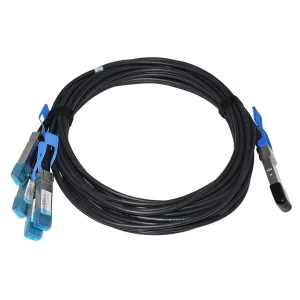
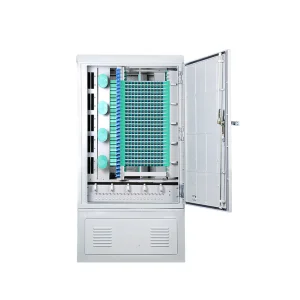
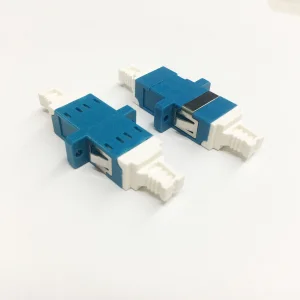
High-precision termination kits, optical modules, breakout cables, and management panels engineered to maximize link margins and durability.
Deploying robust, low-attenuation fiber links designed to withstand harsh outdoor dynamics. Designed for FTTH drop channels, municipal IoT, and cellular backhauls.
Features zero-water-peak singlemode cores with outstanding bend-insensitive properties. Ensures ultra-low attenuation (≤0.35 dB/km at 1310nm) across micro-bending installation loops.
Equipped with electrolytic corrugated steel tape armoring (CST) and high-density polyethylene (HDPE) jackets, providing exceptional mechanical crush resistance and rodent barriers.
PBT loose tubes containing moisture-repellent gel isolate optical fibers from extreme weather cycles, stopping moisture ingress and preventing micro-cracks in harsh environments.
In modern telecommunications, the 2 core outdoor fiber optic cable serves as the critical terminal link. Whether configuring FTTH drop loops, industrial remote monitoring, or point-to-point outdoor connections, selecting a high-performance cable directly affects signal attenuation, field termination times, and overall network durability.
Engineered to withstand external environmental stress, premium 2 core fiber optic cables integrate specific structural features, such as Fiber Reinforced Plastic (FRP) or steel strength members. These materials provide the tensile properties needed for self-supporting aerial installations and duct-buried runs without stressing the glass core. Our production process ensures that every kilometer of outdoor cable meets rigorous environmental tests, safeguarding your network link budget for decades.
By using low-dispersion singlemode fibers (ITU-T G.652.D/G.657.A2), engineers can minimize insertion loss down to ≤0.22 dB/km at 1550nm. This level of performance supports long-haul transmission systems, reducing the need for active repeater stations and saving on operational costs.
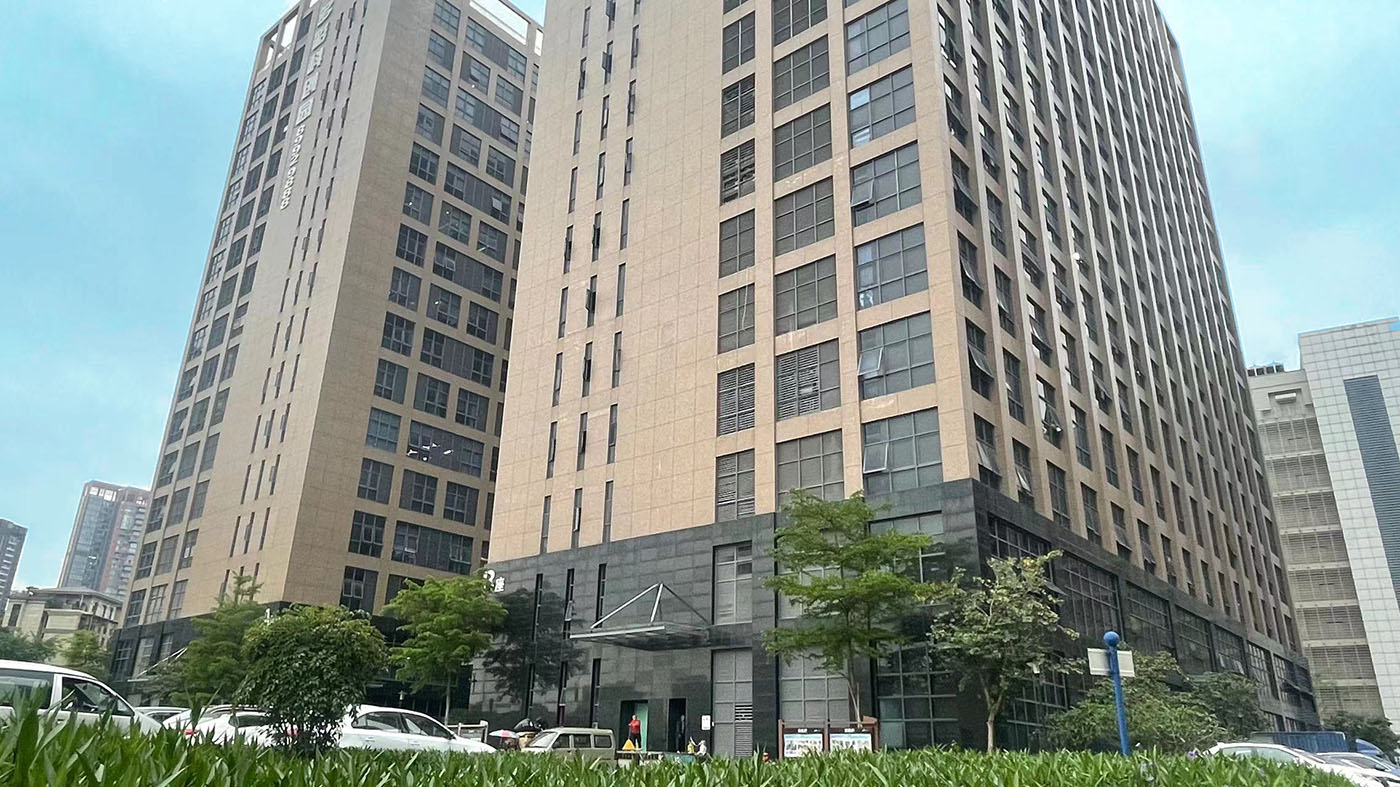

China's telecom manufacturing sector provides a strong supply chain network, combining advanced technology, cost efficiency, and large-scale capacity. Kocent Optec Limited utilizes these capabilities to supply telecom-grade fiber optic products worldwide.
Our manufacturing facility coordinates raw material sourcing, automated ribbon extrusion, secondary coating, and final sheath application under strict quality control. This vertical integration reduces lead times for bulk orders and enables customized options, such as low-smoke zero-halogen (LSZH) flame-retardant jackets or customized steel wire armoring.
By centralizing production in major high-tech hubs, we lower manufacturing costs without compromising quality. Every drum of fiber optic cable undergo comprehensive OTDR testing, environmental chamber cycling, and mechanical stress checks, ensuring compliance with international ITU-T, IEC, and Telcordia GR-20 standards.
Years of Telecom R&D
OTDR Inspected & Tested
Global Operators Trust Us
Ultra-Low Insertion Loss
Aligning engineering standards with regional regulations to ensure long-term deployment viability.
For international procurement teams, compliance is essential. In Europe, outdoor cables must comply with the Construction Products Regulation (CPR), which evaluates fire behavior. For North American deployments, certifications like National Electrical Code (NEC) ratings and UL listings are required for transitions from outdoor environments to indoor termination rooms.
Our 2 core outdoor fiber cables are designed with dual-rated jackets that comply with REACH and RoHS standards. Our fire-retardant sheath options support applications requiring CPR Dca/Cca ratings, protecting infrastructure integrity in public buildings and transit tunnels.
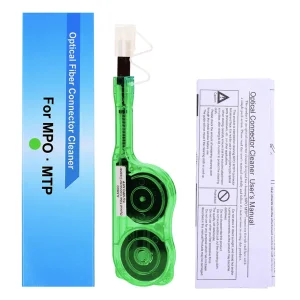
A reliable supply chain requires responsive support. We assist engineering teams by offering matching fiber splice trays, specialized termination tools, and customized breakout lengths. Our support helps engineers avoid installation issues, such as exceeding the cable's bend radius or tensile strength limits.
We work with international logistics partners to offer flexible shipping options, including CIF, FOB, and DDP terms. These shipping methods help minimize import duties and customs delays, ensuring projects stay on schedule.
Installed from distribution hubs directly to residential buildings. The 2-core configuration provides one active connection and one reserve fiber, ensuring link redundancy and simplified future upgrades.
Connects remote IP cameras, traffic sensors, and wireless access points back to central control centers. HDPE sheathing and steel armor protect the cable from rodent damage and mechanical strain.
Provides backhaul links to small-cell poles in dense urban zones. Low propagation delay and high thermal stability ensure reliable throughput in outdoor environments.
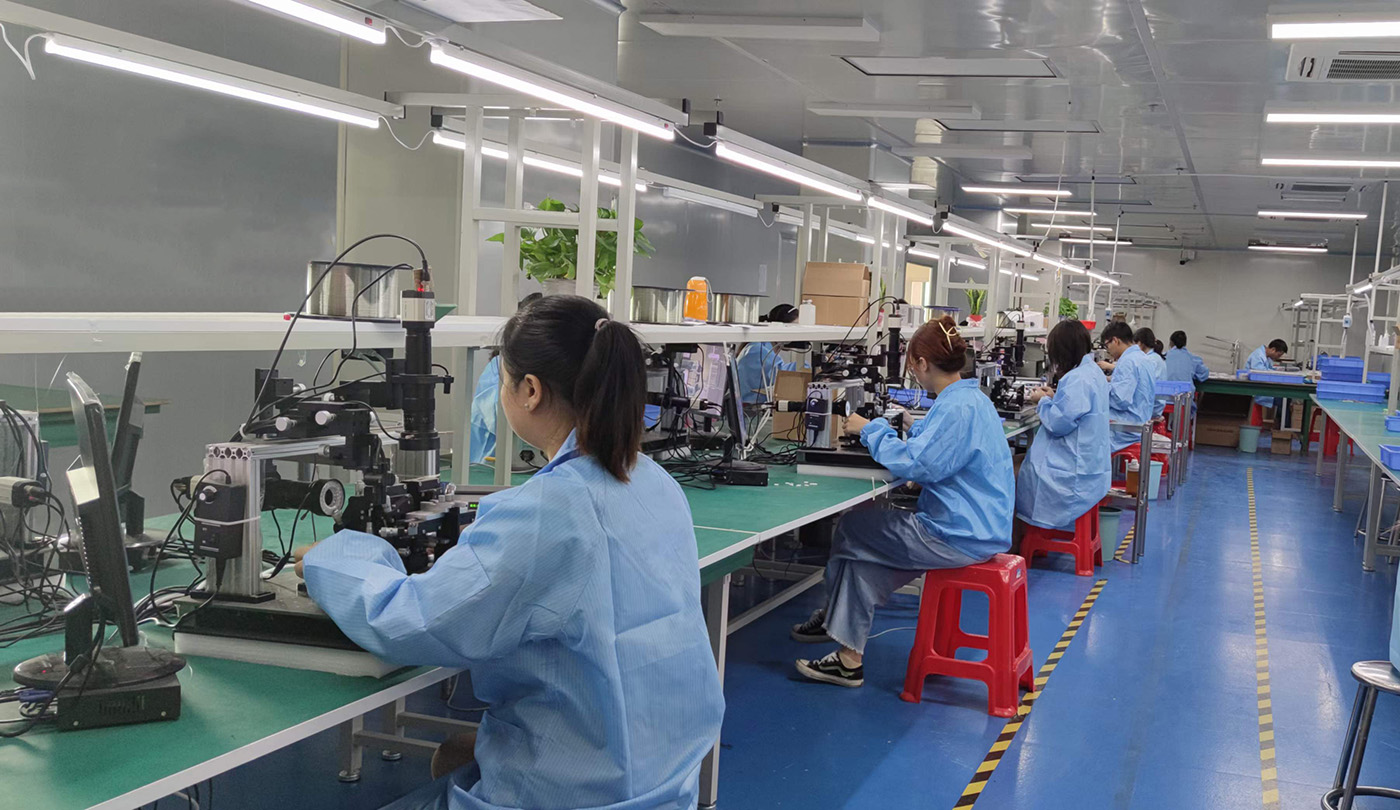
Established in 2012 in Hong Kong as a high-tech communication enterprise, Kocent Optec Limited is a leading manufacturer of fiber optic termination products and solutions in China. We develop and manufacture fiber optic communication products ranging from passive to active categories for telecommunication networks, enterprise networks, and data centers.
By leveraging our manufacturing experience and production capacity, we help our customers improve efficiency, lower installation costs, and enhance their competitiveness. We emphasize customer collaboration, defining ourselves as a reliable partner in fiber optic connection solutions.
With more than 13 years of experience in manufacturing telecommunication fiber optic products, we follow strict industry standards. We use mature scientific methods to deliver products on time, and 100% of our products are tested and inspected before shipment.
Our OEM and ODM products have been selected in telecom operator tenders globally. Our major terminal telecom operators include: SingTel, Vodafone, America Movil, Telefonica, Bharti Airtel, Orange, Telenor, VimpelCom, TeliaSonera, Saudi Telecom, MTN, Viettel, Bitel, VNPT, Laos Telecom, MYTEL, Telkom, Telekom, Entel, FiberTel, StarFiber, Ooredoo, Beeline, and Azercell.
Staying ahead of industrial shifts, higher-density cabling requirements, and next-generation connectivity standards.
As micro-conduits and compact splicing enclosures become standard, traditional singlemode fiber is being replaced by bend-insensitive glass. G.657.A2 fibers allow a tight 7.5mm bend radius with minimal attenuation, simplifying deployments in complex urban spaces.
Environmental standards are driving the adoption of bio-based sheathing and halogen-free, non-toxic materials. The industry is moving toward LSZH and bio-polyethylene formulations that maintain UV stability while reducing the ecological footprint.
Air-blown micro-cables allow operators to install fibers as needed. Micro-duct systems enable blowing 2-core and multi-core fiber units into pre-laid plastic conduits over lengths exceeding 1000m, lowering up-front construction costs.
Answers to common engineering and sourcing questions about 2 core outdoor fiber optic cables.
For telecom-grade singlemode fibers (G.652.D or G.657.A2), the maximum attenuation coefficient is typically ≤0.35 dB/km at 1310nm, and ≤0.22 dB/km at 1550nm. During OTDR testing, high-quality fiber cables often achieve lower attenuation values, ensuring consistent performance for long-distance signals.
Corrugated steel tape (CST) armoring provides mechanical protection, giving the cable high crush resistance and protection against rodent bites. This makes the cable suitable for direct-buried installations where environmental hazards are present. However, because steel is conductive, proper electrical grounding is required at both termination ends.
G.652.D is a standard singlemode fiber used for long-haul networks, with a bend radius limit of approximately 30mm. G.657.A2 is a bend-insensitive singlemode fiber that allows a bend radius down to 7.5mm with minimal attenuation increase. G.657.A2 is preferred for tight micro-enclosures, terminal drop terminals, and sharp corners.
A 2-core design provides redundancy. One core handles the main downstream and upstream data (often using WDM technology), while the second core remains available for backup, loop testing, or future upgrades. This redundancy helps avoid costly re-cabling projects if the primary core is damaged.
High-Density Polyethylene (HDPE) is the standard sheathing material for outdoor cables due to its UV resistance, chemical stability, and durability under varied temperature ranges. For installations that transition indoors, Low-Smoke Zero-Halogen (LSZH) sheathing is used to meet flame-retardant building codes.
The thixotropic gel inside the loose tube surrounds the fibers, shielding them from moisture ingress. This compound acts as a mechanical buffer, letting the fibers move freely within the tube during installation stress or temperature changes, which prevents micro-bending loss.
Generally, the dynamic bend radius (during installation under tension) is defined as 20 times the cable's outer diameter. The static bend radius (after installation is complete) is 10 times the cable's outer diameter. Adhering to these limits is critical to preventing micro-fractures in the glass cores.
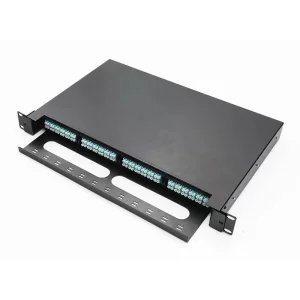
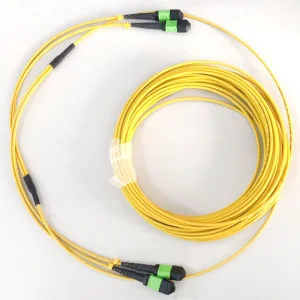
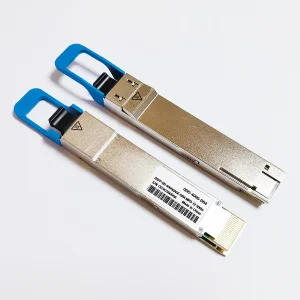
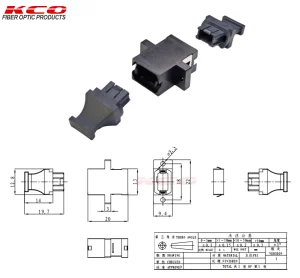
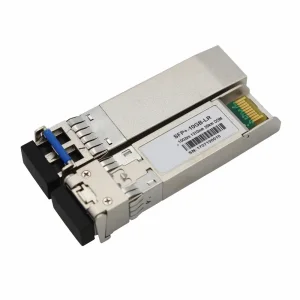
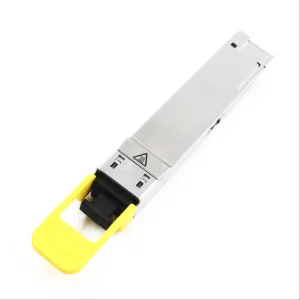
High-density fiber optic distribution panels, passive transceivers, and elite multi-fiber trunk assemblies.
 KOCENT OPTEC