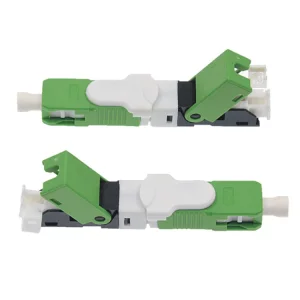
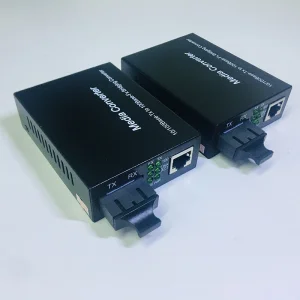
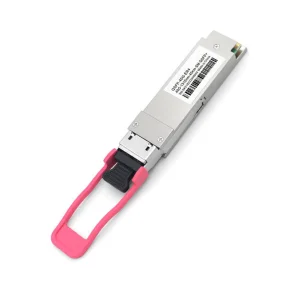
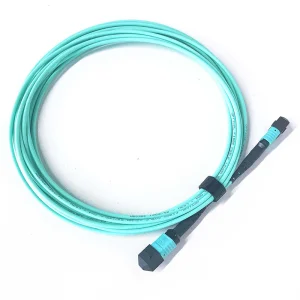
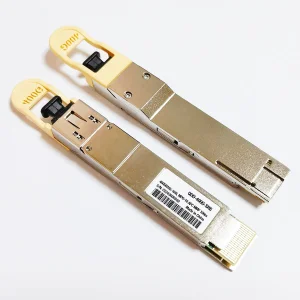
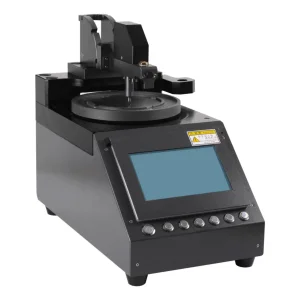
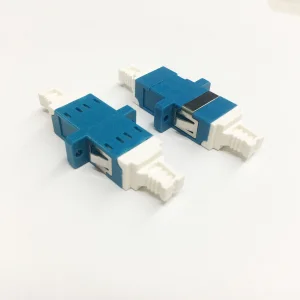
Explore our elite portfolio of high-speed interconnect products, optical adapters, and active transceiver assemblies engineered for industrial and data center environments.
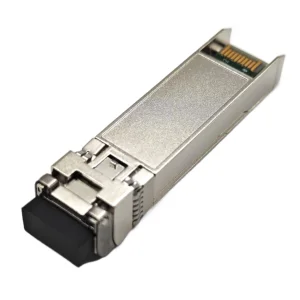
The global telecommunications and enterprise networking landscape is undergoing a structural paradigm shift. As corporate network footprints scale and edge compute nodes expand, the demand for reliable, cost-effective, and high-performance copper interconnects has surged. The 10G SFP+ Copper transceiver module (commonly referred to as 10GBASE-T SFP+) stands at the convergence of this evolution. Offering backward compatibility with existing structured cabling while driving transmission speeds to 10 Gbps, this technology represents a primary component of modern network modernization.
Historically, optical fibers dominated the 10Gbps transmission arena due to low signal attenuation and superior performance over long runs. However, optical solutions carry substantial CAPEX and OPEX penalties, primarily stemming from specialized test gear, expensive transceivers, and fragile fiber patch cables. 10GBASE-T SFP+ copper modules present a pragmatically viable alternative for local runs under 100 meters. Utilizing advanced digital signal processing (DSP) and PHY chips, modern copper SFP+ transceivers mitigate high return losses and cross-talk issues native to high-frequency electrical signals, delivering clean bit error rates (BER < 10^-12) over legacy Cat6a/Cat7 copper infrastructures.
One of the core historical criticisms of SFP+ copper transceivers was their thermal signature. Operating at 10 Gbps over copper requires significant power to process complex PAM4 or DSQ128 modulation schemes. Early generations consumed up to 2.5 Watts of power per port, causing severe thermal throttling issues within high-density switch configurations. The latest industry trend revolves around the integration of sub-28nm PHY chips, which successfully reduce power draw to less than 1.5W or even 1.2W per module. This dramatic reduction in thermal dissipation enables network engineers to populate multiple adjacent ports without risking switch shut-downs or accelerated hardware degradation.
System integrators, telecom operators, and data center procurement managers maintain rigid compliance profiles when selecting hardware vendors. The transition from legacy systems to advanced configurations demands hardware that meets international standards for compatibility, structural robustness, and reliability.
Global procurement teams prioritize cross-platform interoperability. Modern transceivers must carry custom EEPROM coding capable of matching the digital diagnostic monitoring (DDM/DOM) protocols of major switch brands, including Cisco, Arista, Juniper, Dell, and HP, avoiding proprietary software lockdowns.
For high-frequency trading (HFT) platforms, cloud virtualization, and real-time database syncing, link latency must be minimized. The direct PHY conversions of copper SFP+ transceivers bypass optical-to-electrical transformations, reducing latency down to nanoseconds.
By using 10G SFP+ copper modules, companies leverage existing RJ45 cabling schemes. This eliminates the necessity of discarding current copper trunks for fiber runs, translating to savings in labor, materials, and long-term diagnostic tools.
To gain entry into tier-1 telecom operator networks, equipment manufacturers must demonstrate absolute conformity with standardized regulatory frameworks. These certifications include FCC Part 15 Class B, CE marking, RoHS compliance (guaranteeing hazardous substance mitigation), and Laser-free compliance (under safe human touch parameters). Furthermore, mechanical dimensions must align precisely with the SFP+ Multi-Source Agreement (MSA) SFF-8431 and SFF-8432 specifications to guarantee perfect physical insertion and ejection forces.
The competitive advantage of leading Chinese communication manufacturers lies in the integration of Industry 4.0 automation systems, highly resilient raw material sourcing, and specialized testing processes. Modern manufacturing environments utilize intelligent assembly lines where robot-guided pick-and-place machines mount sensitive optoelectronic chips onto high-frequency PCBs.
At Kocent Optec, precision engineering is accompanied by rigorous quality assurance. Standard batch sampling is replaced by 100% automated testing. Every single SFP+ transceiver is placed into automated switch matrices simulating extreme temperature shifts (-40°C to 85°C for industrial grade), voltage fluctuations, and network load tests.

With fluctuating international trade agreements and raw material price volatility, maintaining localized supply chain control is a major operational buffer. By establishing long-term contracts with regional semiconductor fabs, copper wire extruders, and alloy housing stamping factories, premier Chinese manufacturers insulate global buyers from sudden supply shocks. This ecosystem enables cost efficiency, giving businesses access to competitive pricing without sacrificing compliance or product quality.
The versatility of 10G SFP+ copper modules makes them suitable across diverse network infrastructures. From server farms to industrial edge nodes, these transceivers solve crucial bottleneck challenges.
In high-density server racks, switches sit at the top of the chassis. Using SFP+ copper transceivers to bridge the short distances (1m to 10m) between servers and switches using RJ45 interfaces provides a reliable and cost-effective connection strategy.
Corporate offices upgrading their core switches from 1Gbps to 10Gbps can bypass costly recabling by using SFP+ copper modules, transmitting up to 80 meters over existing Cat6a or Cat7 copper structures.
Harsh environments like factories require robust hardware. SFP+ copper modules, shielded with rugged zinc-alloy housings, provide high resistance to electromagnetic interference (EMI) and mechanical vibrations.
In recent deployments by European telecom operators, upgrading edge distribution points required integration with legacy copper connections. Standard fiber rollouts were deemed cost-prohibitive. By installing customized, low-power 10G SFP+ copper transceivers, operators successfully activated 10Gbps capabilities over their existing copper setups, reducing deployment costs by over 40% while maintaining compliance with strict EU energy footprint standards.

Established in 2012 in Hong Kong as a high-tech communication enterprise, Kocent Optec Limited has grown to become one of China's leading fiber optic termination product manufacturers and solution providers. We are dedicated to developing and manufacturing fiber optic communication products ranging from passive to active categories for telecommunication networks, enterprise networks, and data centers.
By leveraging our extensive experience and production capacity gained over the years, we magnify the outcome for our valuable customers, which ultimately expands their core competencies and helps them outperform competitors. We place emphasis on customer collaboration, and we define ourselves as your valuable partner in fiber optic connection solutions. We believe our differentiators are your perceived advantages.
With more than 13 years of experience in manufacturing telecommunication fiber optic products, we strictly follow fiber optic industry standards by using mature scientific methods to deliver your products on time and ensure that 100% of products are tested and inspected before shipment.
Years of sales and service experience have enabled us to win customers from different regions. Today, we have customers from East Asia, Southeast Asia, Middle East, Eastern Europe, Western Europe, Northern Europe, South America, North America, North Africa, and South Africa.
Win-win cooperation is our constant goal. Many of our OEM and ODM products have won Telecom Operator tenders and satisfy end-user requests.
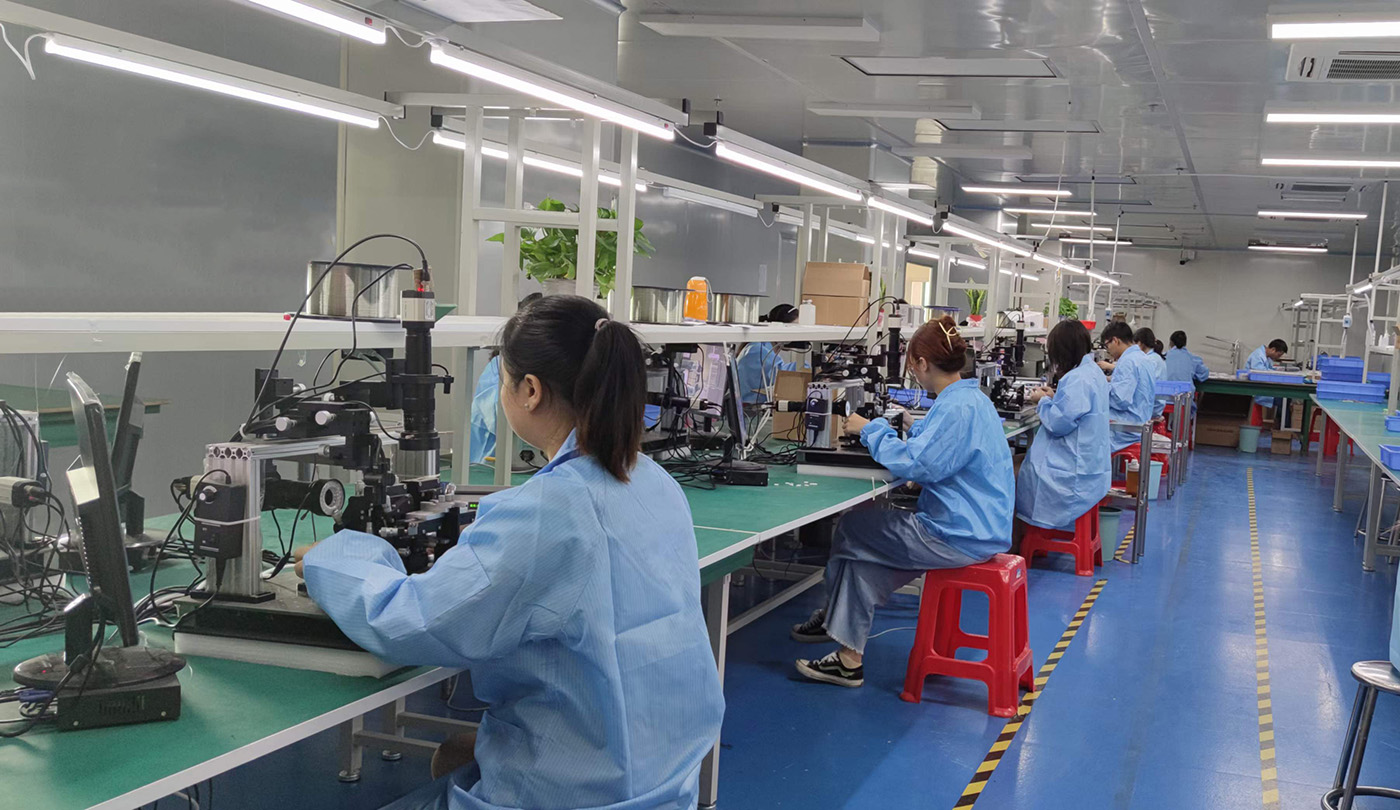
Our dedication to rigorous quality standards and manufacturing capability has positioned Kocent Optec as a trusted supplier for major global networks. Our main terminal telecom operators include: SingTel, Vodafone, America Movil, Telefonica, Bharti Airtel, Orange, Telenor, VimpelCom, TeliaSonera, Saudi Telecom, MTN, Viettel, Bitel, VNPT, Laos Telecom, MYTEL, Telkom, Telekom, Entel, FiberTel, StarFiber, Ooredoo, Beeline, and Azercell.
Clear answers to crucial engineering, procurement, and deployment questions regarding 10GBASE-T SFP+ copper modules.
From multiplexers to polishing machines, we supply a comprehensive range of network infrastructure equipment to power your connectivity projects.
 KOCENT OPTEC