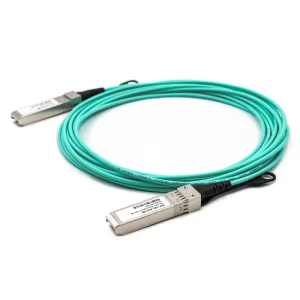
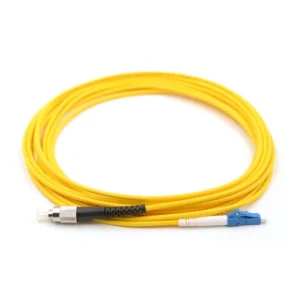
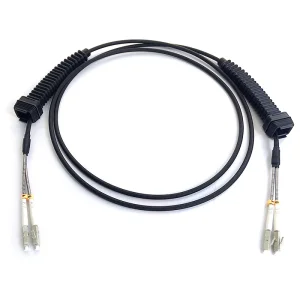
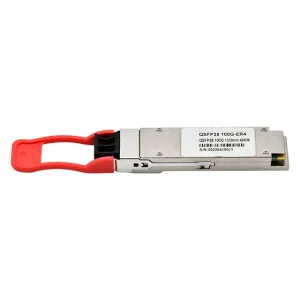
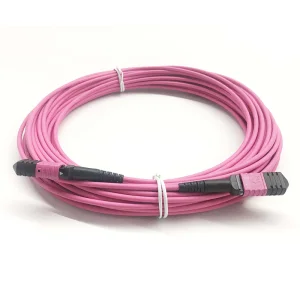
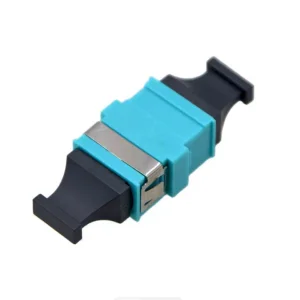
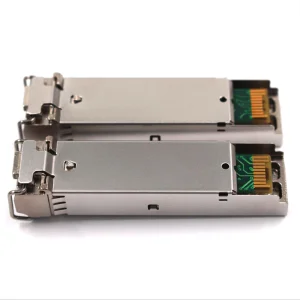
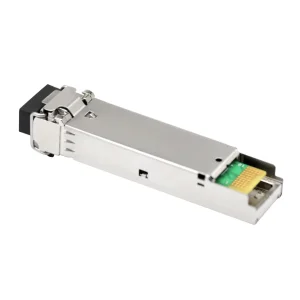
Explore our high-performance active and passive networking products, engineered to standard specifications for carrier-grade applications.
Analyzing the transition of optical distribution frames toward higher density, modular maintenance, and zero-downtime deployment.
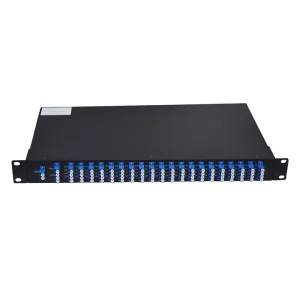
Modern data centers demand optimal density per rack unit. A standard 4U patch panel provides spatial support for up to 288 standard LC ports or 576 MTP/MPO sub-connections. This density minimizes horizontal space usage while maximizing patching capacities for high-velocity architectures.
Maintenance windows are critical. Sliding drawer-style 4U units feature independent tray assemblies. Technicians can execute repairs, clean connectors, or add modules on individual trays without disrupting adjacent fiber paths, ensuring continuous system uptime.
Protecting optical path integrity is vital. The latest structural designs integrate interior routing rings and bend-limiting mandrels. These guarantee that even under maximum loading, all incoming and outgoing fibers maintain a bend radius greater than 30mm.
How 4U Patch Panels are adapting to the high-bandwidth requirements of 400G/800G optical distribution, Edge Computing, and AI data clusters.
As 5G deployment and Edge Computing expand, the demand for compact but high-capacity physical layers has scaled. Regional telco hubs use 4U structures as main distribution hubs to aggregate fiber paths from base stations. In these scenarios, optical distribution frames must handle harsh environment transitions, requiring durable enclosures that resist moisture, dust, and temperature swings.
Integrating splice trays and patching adapters within a single 4U chassis provides a clean consolidation point. This eliminates the need for separate splice boxes and patching shelves, reducing cable complexity and potential signal attenuation at critical cross-connect points.
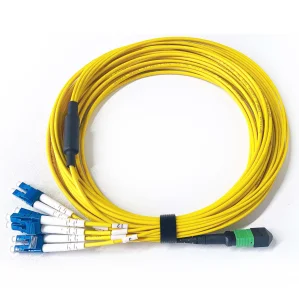
Machine learning clusters require vast arrays of parallel computing nodes interconnected via high-capacity optical links. The physical layer must support low latency and zero packet loss. To meet this demand, 4U chassis are paired with angled patch panels or high-precision MPO/MTP cassettes to minimize connector insertion losses.
Furthermore, managing high-density parallel optics requires clear, structured cabling labeling systems. High-quality 4U configurations integrate clear sliding designation strips and color-coded adapter plates, reducing human error during rapid hardware scaling and network re-allocations.
Kocent Optec Limited, established in 2012 in Hong Kong as a high-tech communication enterprise, is one of China's leading fiber optic termination product manufacturers and solution providers.
We are dedicated to developing and manufacturing fiber optic communication products ranging from passive to active categories for telecommunication networks, enterprise networks, and data centers.
By leveraging our extensive experience and production capacity gained over the years, we improve outcomes for our customers, expanding their core competencies and helping them outperform competitors. We place emphasis on customer collaboration, defining ourselves as a trusted partner in fiber optic connection solutions.

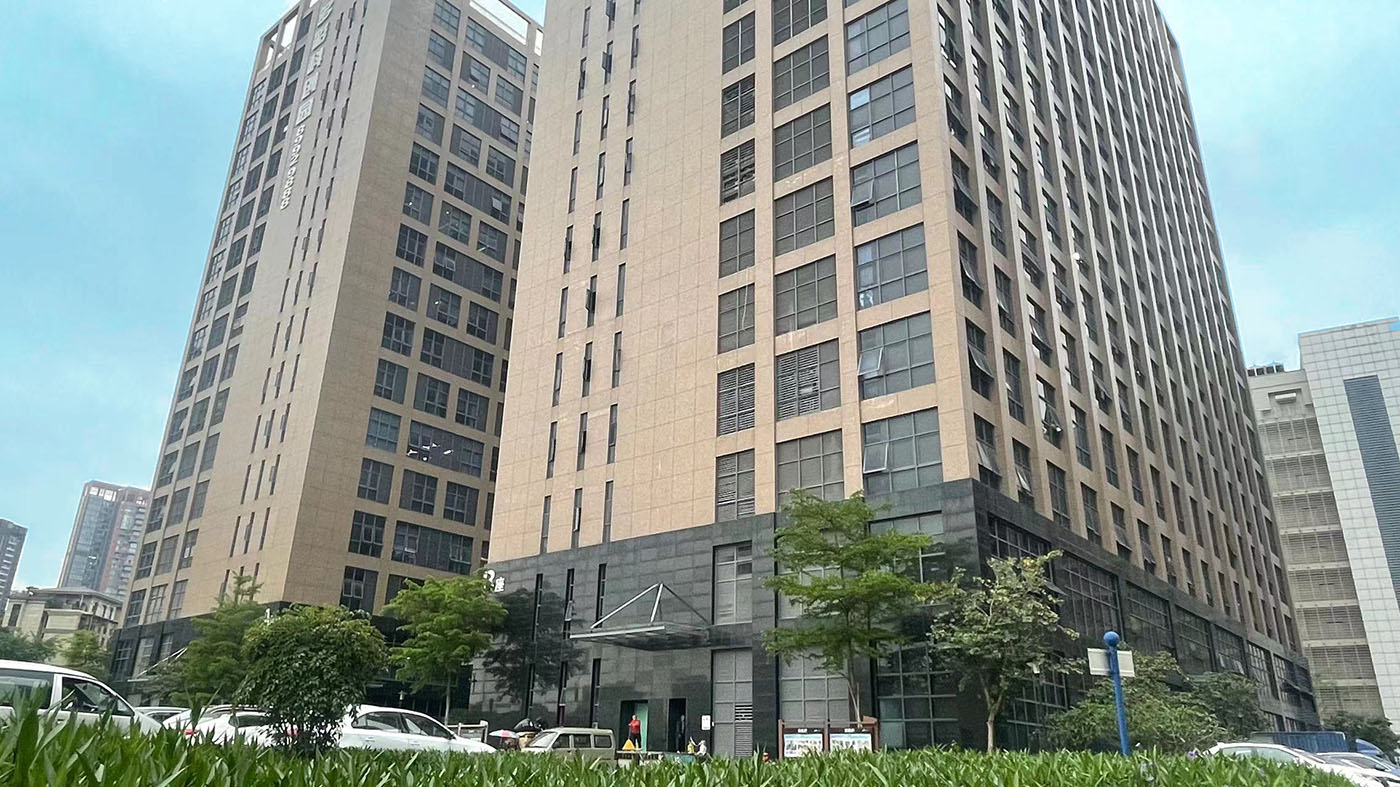
With more than 13 years of experience in manufacturing telecommunication fiber optic products, we follow fiber optic industry standards by using scientific methods to deliver your products on time and ensure that 100% of products are tested and inspected before shipment.
Years of sales and service experience have enabled us to build partnerships with customers across different regions. Today, we serve clients in East Asia, Southeast Asia, the Middle East, Eastern Europe, Western Europe, Northern Europe, South America, North America, North Africa, and South Africa.
How modern manufacturing facilities achieve precision, cost efficiency, and reliable scheduling on a global scale.
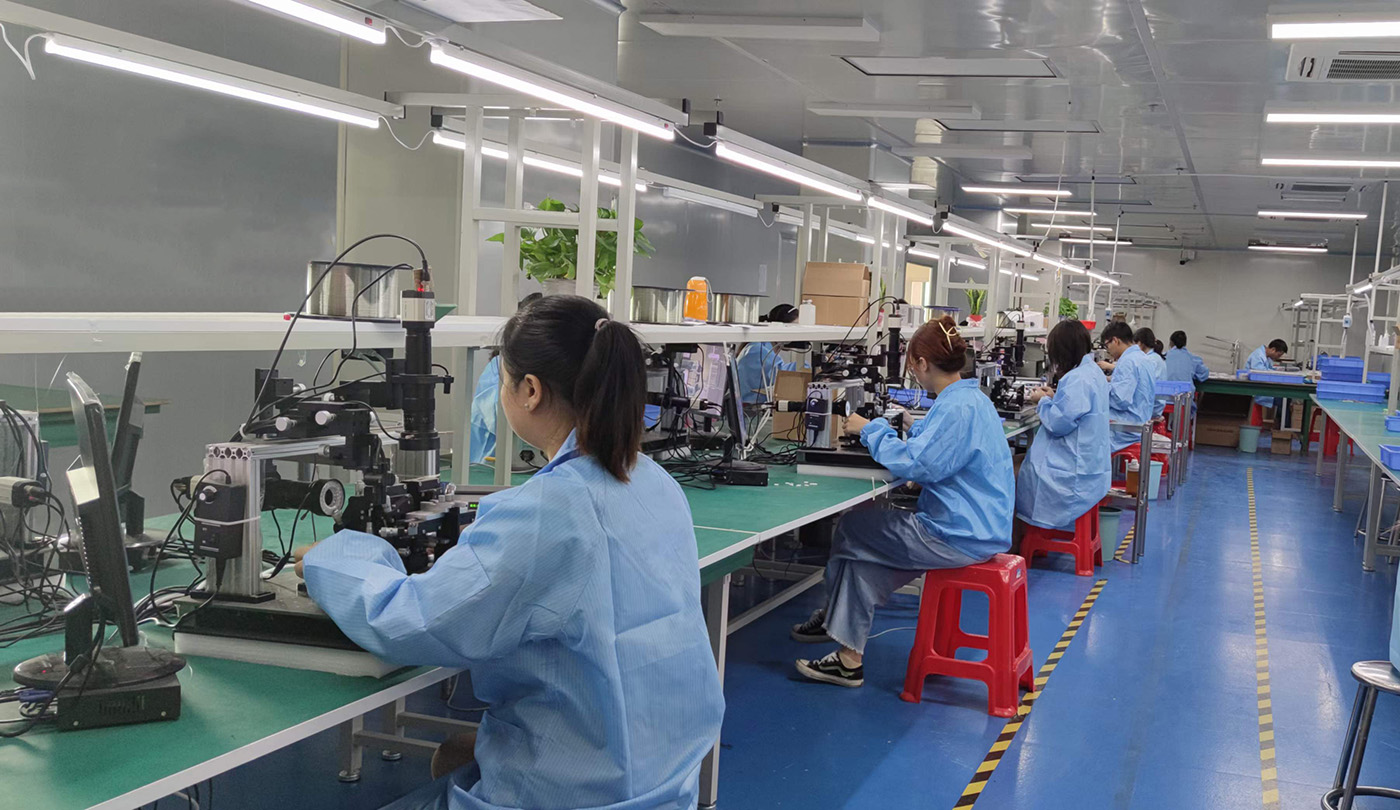
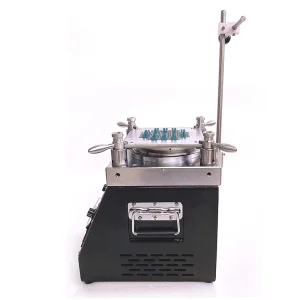
Our production line integrates multi-stage quality gates to verify physical and optical specifications. Each fiber connection undergoes geometry testing using 3D interferometers to ensure fiber height, radius of curvature, and apex offset match standard guidelines. This minimizes air gaps and insertion loss at mating interfaces.
Additionally, automated insertion loss (IL) and return loss (RL) testing benches log every patch cord and connector's optical signature. This data is logged and tracked, providing full traceability for carrier audits and long-term network deployments.
Win-win cooperation is our constant goal. Many of our OEM and ODM products have won Telecom Operator tenders and satisfied complex end-user requirements worldwide.
A technical breakdown of mechanical features, port density options, and material standardizations for structural designs.
| Parameter | Standard Specification | High-Density MTP/MPO Configuration |
|---|---|---|
| Chassis Height | 4U (177.8 mm) Rack Mountable | 4U (177.8 mm) Rack Mountable |
| Housing Material | Heavy-duty Cold-rolled Steel (SPCC) | Lightweight Anodized Aluminum / Cold-rolled Steel |
| Finishing | Electrostatic Powder Black / Grey Coating | Electrostatic Powder Black / Grey Coating |
| LC Port Density | 144 / 288 Duplex LC Ports | Up to 576 LC Fiber Connections using high-density modules |
| MPO/MTP Port Density | 24 MPO Ports | Up to 96 MTP/MPO Ports (discrete breakout) |
| Splicing Capability | Integrated Splice Trays (up to 288 cores) | Modular plug-and-play Cassette integration |
| Compliance | Telcordia GR-449-CORE, RoHS, REACH | TIA/EIA-568.C, ISO/IEC 11801, RoHS |
Deep insights addressing technical integration, customized manufacturing, and deployment criteria.
Explore additional fiber components, adaptors, and high-frequency transceivers for enterprise networks.
 KOCENT OPTEC