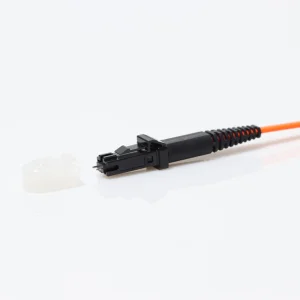
Deploy enterprise-grade optical hardware designed for minimal insertion loss, maximum structural reliability, and direct compatibility with global carrier infrastructures.
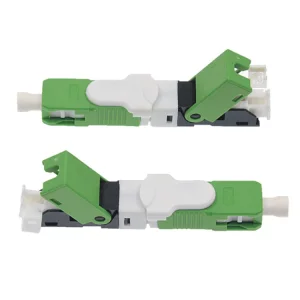
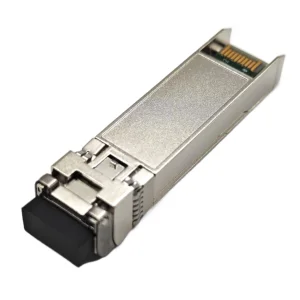
The transition from 10G to 25G Ethernet represents a critical architectural evolutionary step for telecommunications and data center environments. Underpinned by the SFP28 form factor, 25G optical transceivers provide 2.5 times the bandwidth of traditional SFP+ interfaces while maintaining physical backward compatibility and utilizing a single-lane physical layer design (25 Gbps NRZ).
Compared to aggregating multiple 10Gbps channels or scaling prematurely to multi-lane 40G/100G (which require QSFP configurations), 25G SFP28 reduces transmission latency, optimizes space density, and significantly curtails electrical power consumption per gigabit of data transmitted. This efficiency is critical for applications running eCPRI protocols within 5G radio access networks (RAN) and leaf-spine fabrics inside enterprise networks.

Evaluate critical operational tolerances, wavelengths, and reach attributes for standard 25G deployments.
| Module Variant | Wavelength (nm) | Fiber Type | Max Reach | Typical Application | Power Budget |
|---|---|---|---|---|---|
| 25G SFP28 SR | 850nm VCSEL | MMF (OM4) | 100 meters | Intra-rack Data Center Switching | < 1.0 Watts |
| 25G SFP28 LR | 1310nm DFB | SMF (G.652) | 10 kilometers | 5G Fronthaul & Enterprise LAN | < 1.5 Watts |
| 25G SFP28 ER | 1310nm / APD | SMF (G.652) | 40 kilometers | Metropolitan / Aggregation Networks | < 2.0 Watts |
| 25G SFP28 BiDi | 1270Tx / 1330Rx | Simplex SMF | 10 to 20 km | Fiber-Constrained 5G RAN Node Links | < 1.8 Watts |
Optical Technology Roadmap: Kocent Optec Limited designs its 25G transceiver family to interface seamlessly with legacy 10G networks while providing a clear physical and electrical migration path to 50G, 100G, and PAM4-based 800G structures. As an ISO-compliant telecom component manufacturer, our systems support real-time Digital Diagnostic Monitoring (DDM/DOM) protocols via the I2C interface, complying fully with MSA standards (SFF-8472 and SFF-8402).
When sourcing 25G SFP28 modules from Chinese manufacturers, wholesale pricing margins are dictated by three fundamental parameters: component quality grades, scale of testing protocols, and volume constraints. The integration of high-reliability Optical Sub-Assemblies (TOSA/ROSA) determines the unit's longevity in harsh physical environments.
A decade of engineering leadership in passive and active fiber termination architectures.
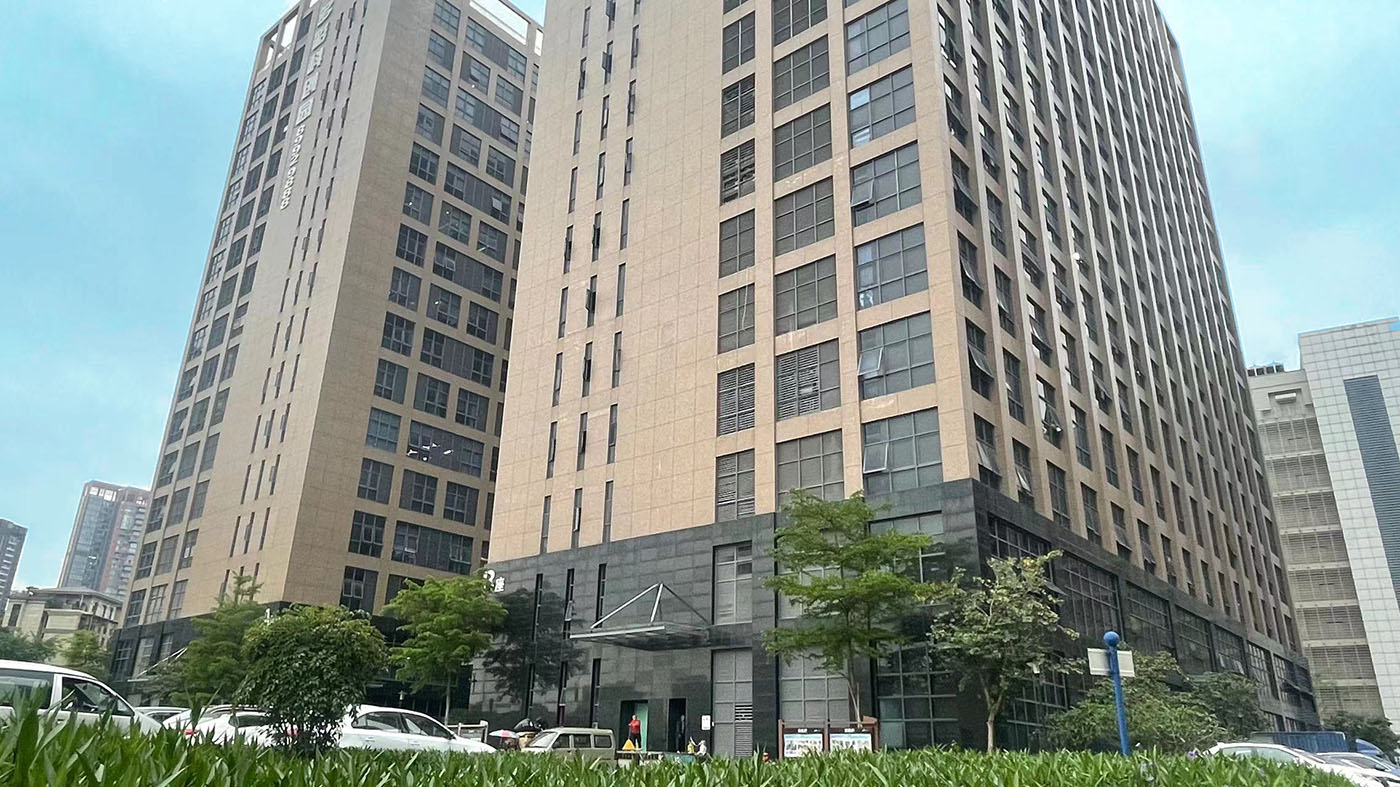
Established in 2012 in Hong Kong as a high-tech communications enterprise, Kocent Optec Limited has emerged as a premier manufacturer of fiber optic termination products and integrated transmission solutions. We cater to telecommunication providers, hyperscale cloud data centers, and localized systems integrators, optimizing end-to-end optical pathways from passive passive distribution nodes to active optical modules.
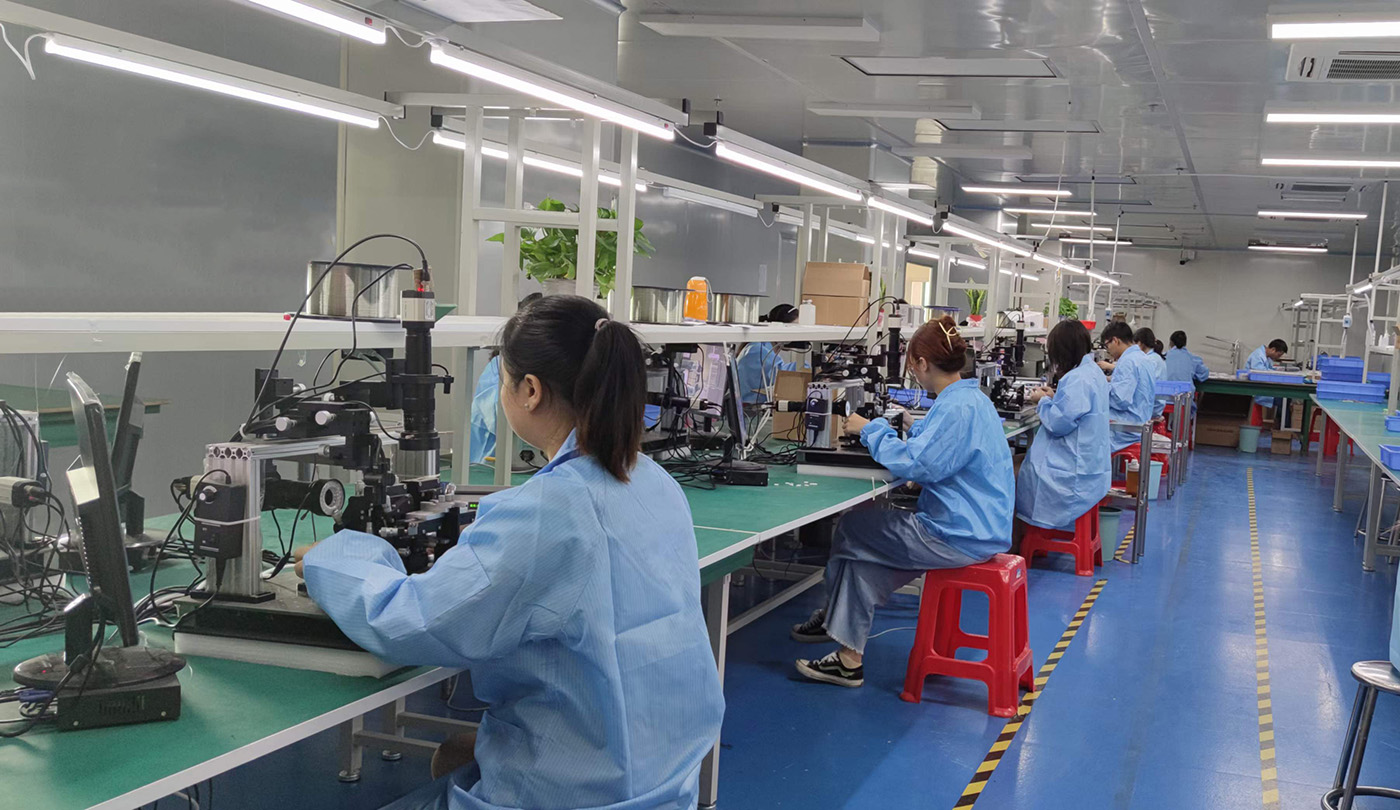
Our production facilities maintain strict alignment with ISO 9001:2015 standards. By implementing systematic manufacturing methods and utilizing advanced optical testing environments (including real-time bit-error-rate testing, eye diagram analysis, and temperature-cycled stress profiling), we guarantee that 100% of our products undergo comprehensive testing and inspection prior to global dispatch.
From dense municipal cellular networks to hyper-scale cloud fabrics, KCO fiber technologies bridge the optical core.
Deploying 25G SFP28 BiDi and CWDM/DWDM optical modules in eCPRI RAN infrastructures, ensuring minimal latency and high jitter tolerance across base stations.
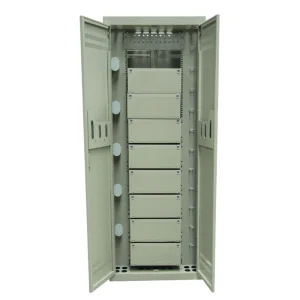
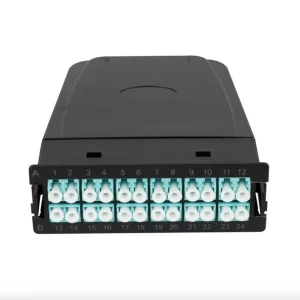
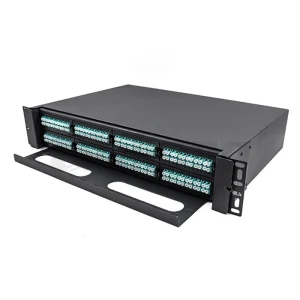
Enabling reliable Leaf-Spine interconnections and high-density distribution frameworks using passive MTP/MPO panels integrated with active 25G hardware.
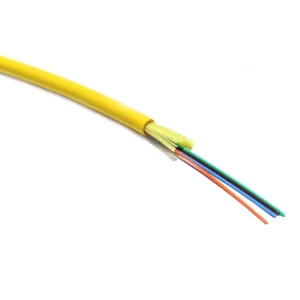
Upgrading structural backbone switches from 10G to 25G bandwidth caps without replacing existing G.652 optical fiber footprints.
Our OEM and ODM products have repeatedly won municipal telecommunication tenders and satisfied critical network performance metrics. KCO hardware is deployed extensively within networks managed by global operators including: SingTel, Vodafone, America Movil, Telefonica, Bharti Airtel, Orange, Telenor, VimpelCom, TeliaSonera, Saudi Telecom, MTN, Viettel, Bitel, VNPT, Laos Telecom, MYTEL, Telkom, Telekom, Entel, FiberTel, StarFiber, Ooredoo, Beeline, and Azercell.
Crucial insights addressing compatibility, optical performance, and sourcing logistics.
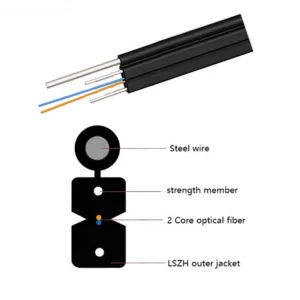
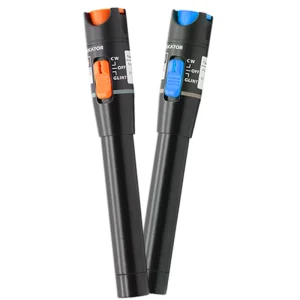
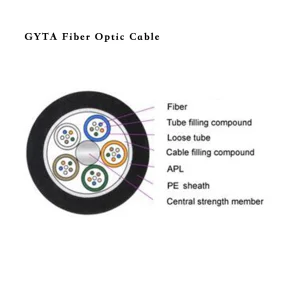
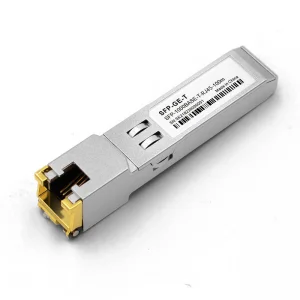
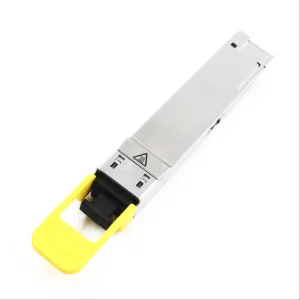
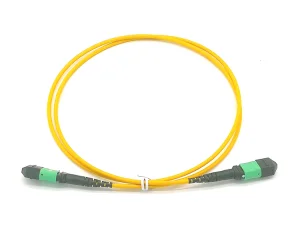
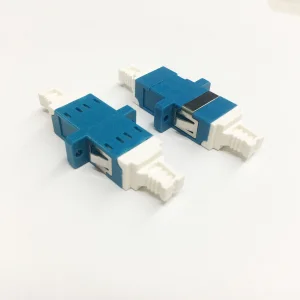
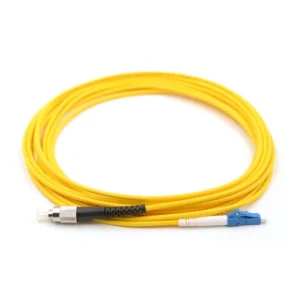
Select compatible optical fibers, patch cables, and active copper links to complete your physical layer setup.
 KOCENT OPTEC