Premium direct-from-factory optical components optimized for maximum performance, low latency, and zero compatibility limits.
Analyzing the current industrial position and long-term viability of 10G SFP+ technology in modern infrastructure.
Over four-fifths of access layer switches and localized enterprise local area networks continue to rely on 10G interfaces due to unmatched price-to-performance metrics.
While backend networks scale to 400G and 800G, access networks are moving from GPON/EPON toward 10G PON (XG/XGS-PON), laying a strong foundation for future 50G iterations.
Long-haul 10G DWDM optical links remain crucial for metropolitan and utility grid infrastructures, enabling cost-effective transmission up to 80km without signal regeneration.
SEO Insight & Semantic Context: Although hyper-scale data centers are driving transitions to 400G and 800G modules, 10G SFP+ modules serve as the indispensable "workhorse" of regional networking, telecommunications edge architectures, FTTH deployment, and industrial computing zones. Security protocols, lower energy consumption profiles, and hardware compatibility sustain an evergreen market demand for 10G transceivers.
From legacy configurations to next-generation multi-rate architectures.
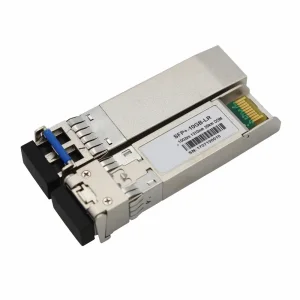
Modern 10G modules utilize SFP+ (Small Form-factor Pluggable Plus) packages, delivering significant density improvements over the older XFP and SFP footprints. The mechanical design adheres strictly to the SFF-8431 and SFF-8432 standards, enabling diagnostic monitoring (DOM/DDM) according to SFF-8472. This tracks real-time operating metrics such as optical output power, receiver sensitivity, operating temperature, and bias current.
Optical link design is dictated by standard specifications:
Understanding cost structures, production benchmarks, and key pricing factors.
| Transceiver Category | Common Formats / Standard Wavelengths | Standard Distance | Major Cost Driver Elements | Estimated MOQ (Units) |
|---|---|---|---|---|
| 10G SFP+ SR | 850nm VCSEL, Duplex LC, Multimode | 300m (OM3) / 400m (OM4) | VCSEL Laser Diode, TO-Can assembly, TOSA/ROSA alignment precision | 50 - 100 |
| 10G SFP+ LR | 1310nm DFB, Duplex LC, Single-mode | 10km (Standard Single Mode Fiber) | DFB chip quality, internal isolator cost, active alignment processes | 50 - 100 |
| 10G SFP+ ER / ZR | 1550nm EML, APD Receiver, Duplex LC | 40km (ER) / 80km (ZR) | Cooled EML laser, high-sensitivity APD receiver chip, temperature controllers | 10 - 20 |
| 10G DWDM SFP+ | C-Band Fixed / Tunable, Duplex LC | 40km - 80km (Metro Link) | InP laser structure, thin-film filter alignment, wavelength locking mechanisms | 5 - 10 |
| 10G SFP+ BiDi | 1270nm/1330nm, Simplex LC, SMF | 10km / 20km / 40km / 60km | Internal WDM bi-directional prism, precise optical sub-assemblies (BOSA) | 20 - 50 |
Where 10G optical modules integrate to maximize network throughput and minimize packet loss.
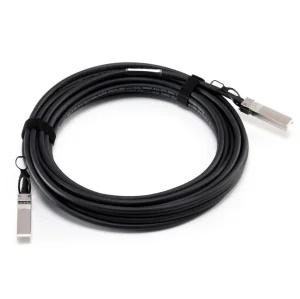
Consolidating multi-gigabit user traffic at the core switch level. Utilizing 10G SFP+ SR modules or passive copper direct-attach cables (DAC) for top-of-rack switch interconnections, ensuring latency is minimized across short runs.
By leveraging 10G SFP+ ER and ZR designs, telecom operators connect base stations and municipal branch offices over span lengths up to 80km, eliminating the need for costly field-deployed repeaters.
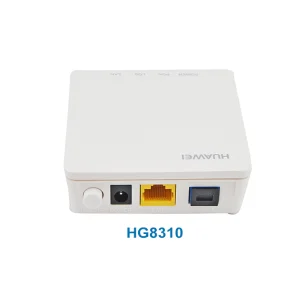
Acting as the uplink interface for Optical Line Terminals (OLTs) in FTTH systems, converting massive consumer traffic into manageable data packets, routed through regional switching stations.
Interconnecting distributed servers inside custom server rooms using passive or active copper configurations, maintaining strict security and reliable throughput at competitive pricing levels.
Your expert partner for high-reliability fiber optic termination and active transmission components.
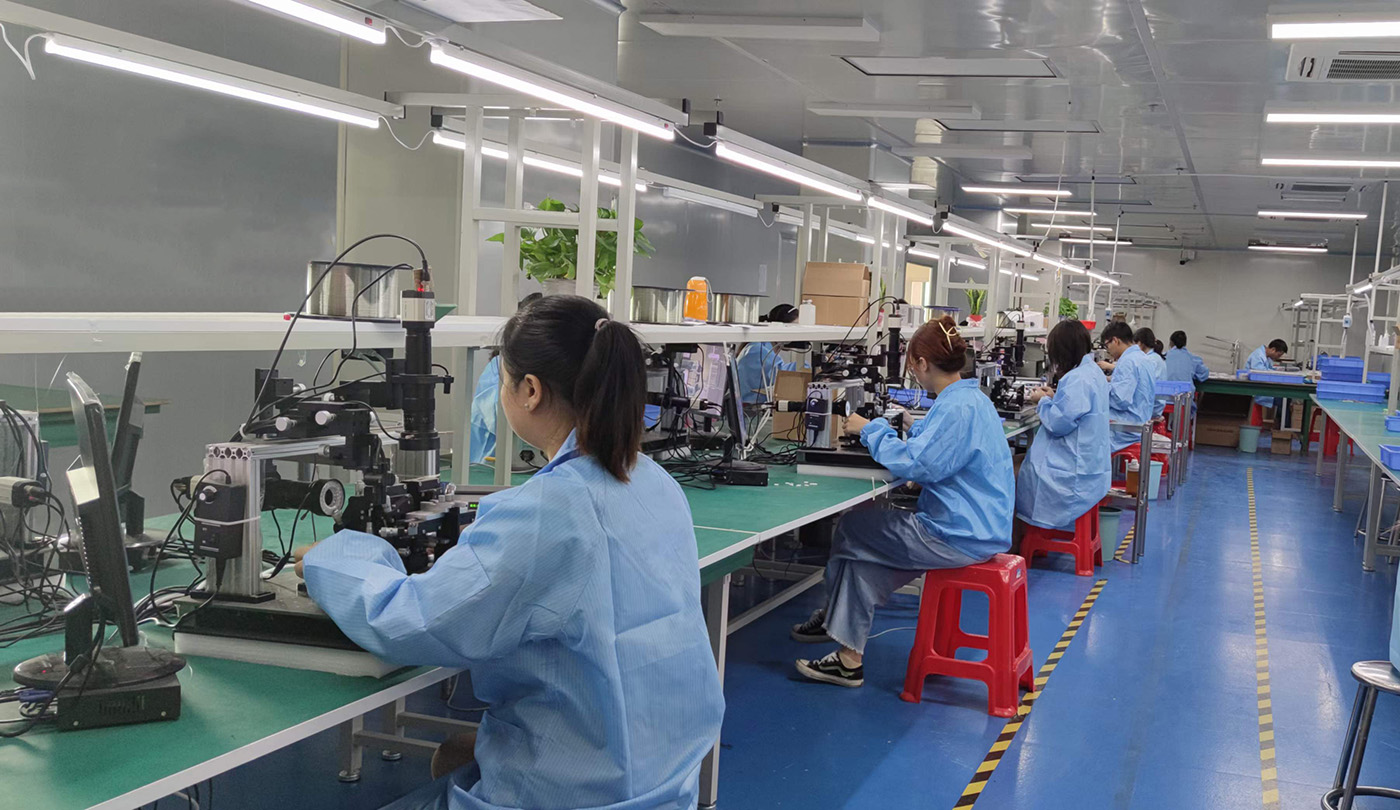
Kocent Optec Limited establish in 2012 in Hongkong as a hi-tech communication enterprise, is one of China's leading fiber optic termination product manufacturer and solution provider.
We're dedicated to developing and manufacturing fiber optic communication products ranging from passive to active categories for telecommunication networks, enterprise networks and data centers.
By leveraging our extensive experience and excellent production capacity we gained over the years, we magnify the outcome for our valuable customers, which ultimately expands their core competencies and helps them outperform competitors. We place emphasis on customer collaboration, and we define ourselves as your valuable partner in fiber optic connection solutions. We believe our differentiators are your perceived advantages.
With more than 13 years of experience in manufacturing telecommunication fiber optic products, we follow strictly fiber optic industry standards by using mature scientific methods to deliver your products on time and ensure that 100% products are tested and inspected before shipment.

Years of sales and service experience have enabled us to win customers from different regions. Today, we have customers from East Asia, Southeast Asia, Middle East, Eastern Europe, Western Europe, Northern Europe, South America, North America, North Africa, and South Africa.
Win-win cooperation is our constant goal. Many our OEM and ODM products won the Telecom Operator tender and satisfy end-user request.

All active optical subassemblies and passive cable designs pass thorough testing protocols. Utilizing advanced bit-error rate testing equipment, optical spectrum analyzers, and multi-vendor network switch environments, we verify component compatibility with major routing brands, ensuring seamless field integration.
Addressing key technical and operational questions to support informed procurement decisions.
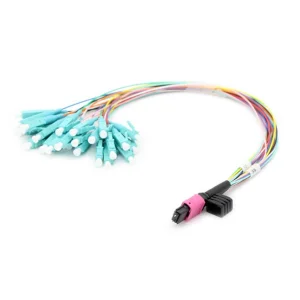
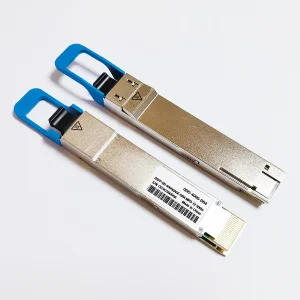
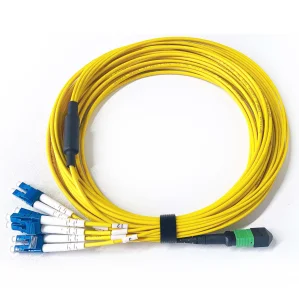
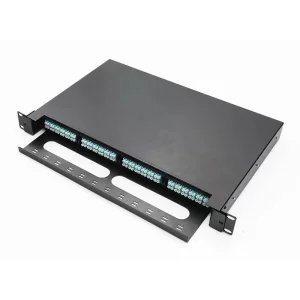
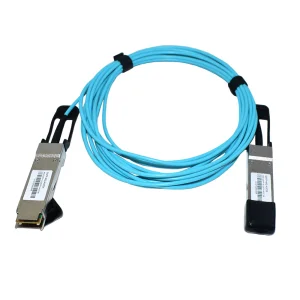
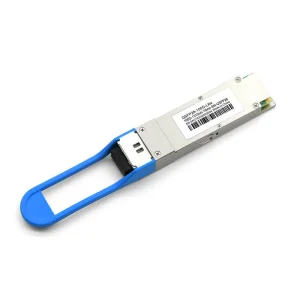
Complete your deployment with our range of high-performance passive assemblies and advanced transceiver form factors.
 KOCENT OPTEC