A comprehensive study on cost-optimized duplex patch cord deployment for high-performance networks.
Kocent Optec Limited, established in 2012 in Hong Kong as a hi-tech communication enterprise, stands as one of China's premier fiber optic termination product manufacturers and solution providers. We are dedicated to developing and manufacturing a broad spectrum of fiber optic communication products, ranging from passive components to active modules, custom-engineered for modern telecommunication networks, enterprise infrastructures, and hyper-scale data centers.
By leveraging our extensive engineering experience and excellent production capacity built over more than a decade, we magnify the outcome for our valuable customers. Our goal is simple: to expand your core competencies, help you outperform competitors, and ensure absolute operational uptime. We define ourselves not merely as a factory, but as your strategic partner in high-performance fiber optic connection solutions. We believe our technical differentiators are your perceived advantages.

Uncompromising signal integrity built on rigorous geometry testing and premium glass selection.
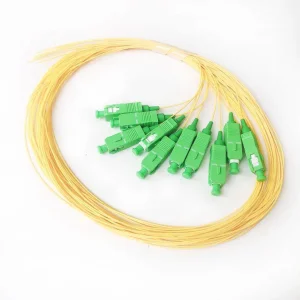
Modern data networks operate at speeds of 10G, 25G, 100G, and even 400G/800G. At these high frequencies, the budget for optical insertion loss (IL) is razor-thin. Standard duplex patch cables (such as LC-LC, SC-SC, and LC-SC) must be manufactured with tight tolerances to prevent back-reflection and signal attenuation.
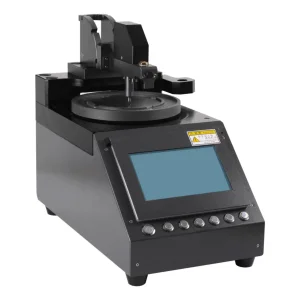
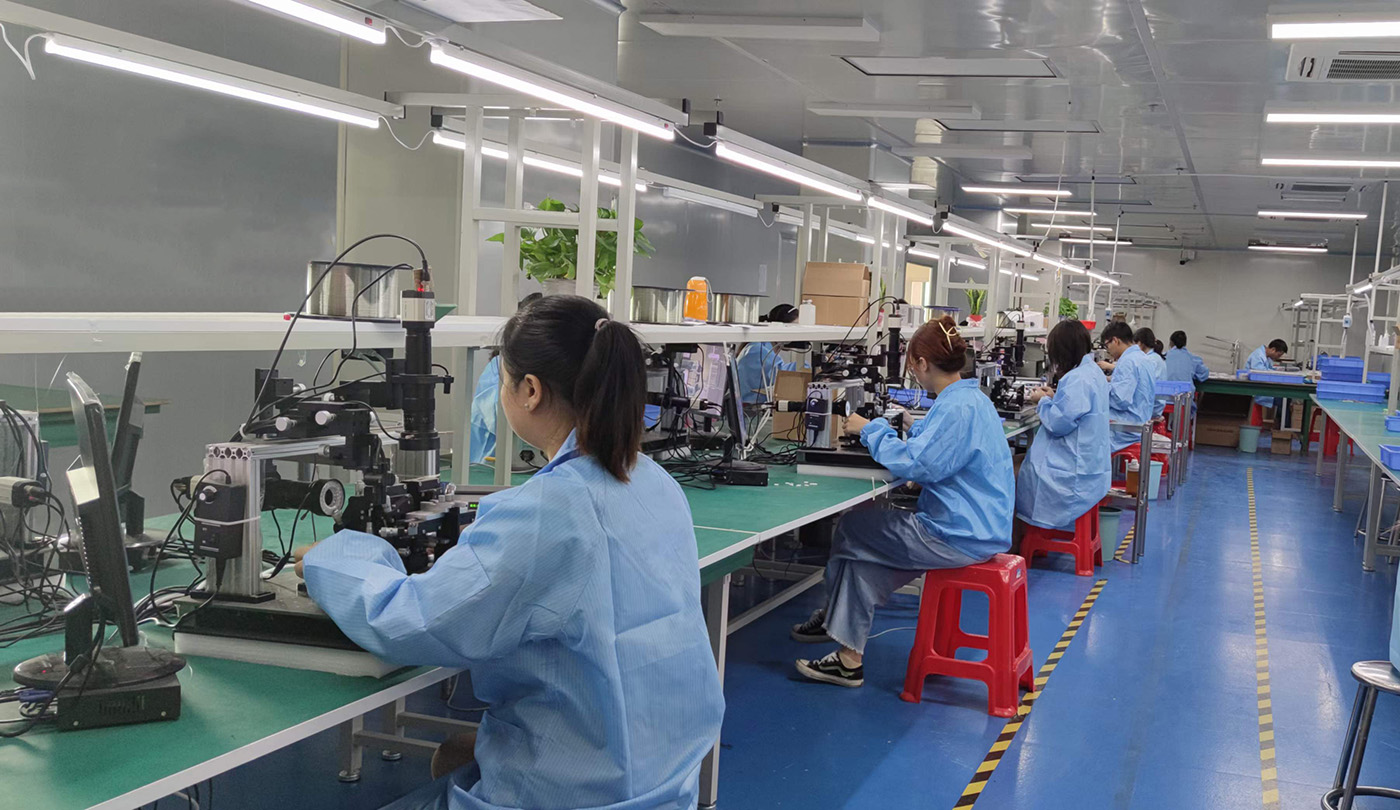
At our manufacturing facility, we employ automated polishing machine lines and real-time diagnostic stations to inspect each ferrule. We measure physical parameters including:
Whether deploying single-mode (G.652.D, G.657.A1, G.657.A2) or multi-mode (OM2, OM3, OM4, OM5) fiber cores, our factories ensure compliance with international standardizations such as Telcordia GR-326-CORE.
Optimized for long-haul networks and high-density datacenters. Our single-mode duplex patch cords offer Insertion Loss ≤ 0.2dB and Return Loss ≥ 55dB (UPC) / ≥ 65dB (APC).
Engineered for high-speed VCSEL-based transceivers. Ideal for short-reach high-bandwidth enterprise structures with low dispersion and optimized modal bandwidth.
Safety compliant sheath materials (Low Smoke Zero Halogen and OFNP Plenum) that meet strict national and regional building codes for toxicity and flame spread.
How automation, geographical clustering, and vertical integration deliver cost savings without sacrificing quality.
In global procurement, "cheap" often triggers concerns about low performance. However, in the context of China's advanced optical manufacturing clusters (like Shenzhen and Ningbo), cost competitiveness is driven by structural and technological efficiencies:
With more than 13 years of experience in manufacturing telecommunication fiber optic products, we follow strictly fiber optic industry standards. We use mature scientific methods to deliver your products on time and ensure that 100% of products are tested and inspected before shipment.
Providing robust connectivity from urban telecommunication networks to rugged outdoor base stations.
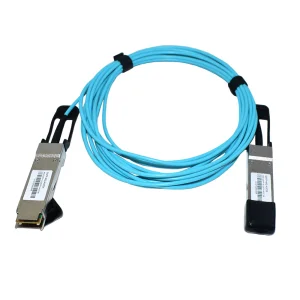
Providing duplex patch cords (OM4/OM5/Singlemode) with ultra-low insertion loss (≤0.15dB elite grade) to support leaf-spine architectures and direct connections between optical transceivers.
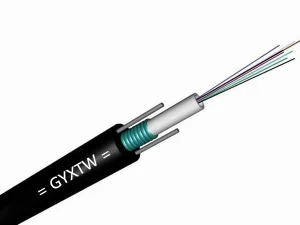
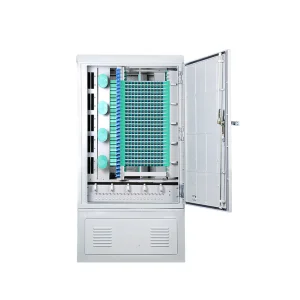
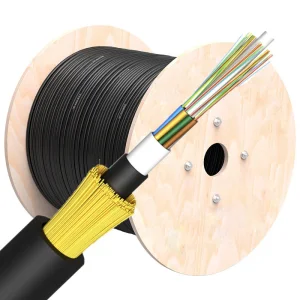
Delivering heavy-duty aerial drop cables (GYXTW, ADSS) and indoor duplex jumpers for central offices, distribution hubs, and optical cross-connection cabinets (ODF).
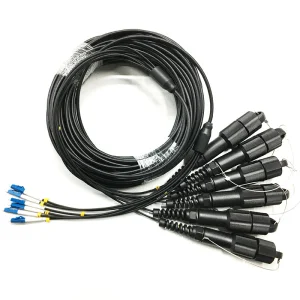
Deploying specialized outdoor fiber optic patch cords (like PDLC assemblies) to connect BBUs (Baseband Units) and RRUs (Remote Radio Units) under challenging environmental conditions.
Years of sales and service experience have enabled us to win customers from different regions. Today, we have active clients from East Asia, Southeast Asia, Middle East, Eastern Europe, Western Europe, Northern Europe, South America, North America, North Africa, and South Africa.
Win-win cooperation is our constant goal. Many of our OEM and ODM products have won Telecom Operator tenders and satisfy strict end-user requirements across the globe.
How the evolution of high-speed networks shapes the future design of duplex interconnects.
As 800G networks roll out, the integration of Co-Packaged Optics (CPO) and high-density SN/MDC connectors is increasing. Standard duplex LC connectors are evolving into smaller form-factor duplex connectors to save valuable patch panel space.
To prevent macro-bending losses in ultra-high-density routing trays and optical distribution cabinets, G.657.A2 single-mode fiber cores are quickly replacing legacy G.652.D cores in modern carrier-grade patch cords.
Global environmental mandates are driving factories to utilize Post-Consumer Recycled (PCR) plastics for duplex housing clips and lead-free, halogen-free compounds for outer cable sheaths, reducing carbon footprint.
Insights from our engineering department regarding selection, testing, and volume procurement.
 KOCENT OPTEC