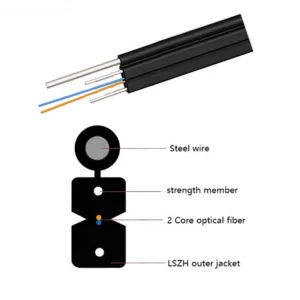
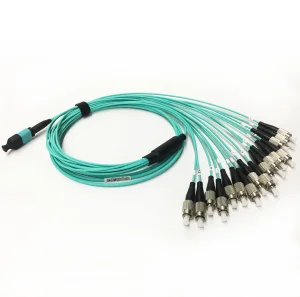
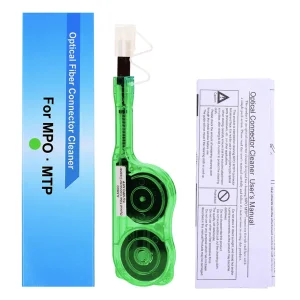
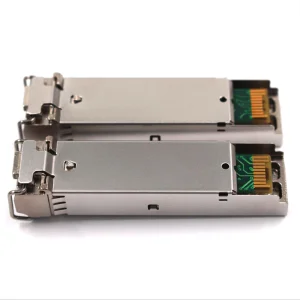
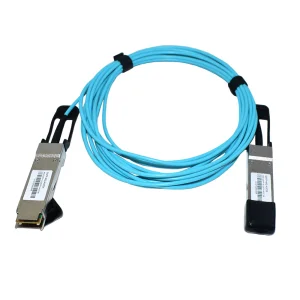
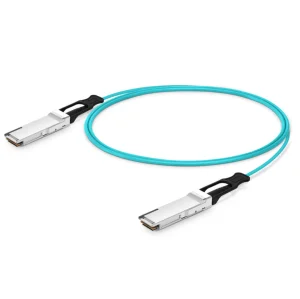
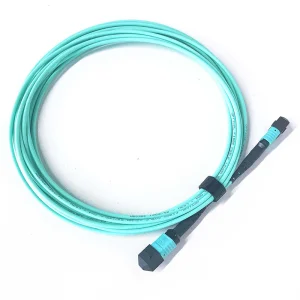
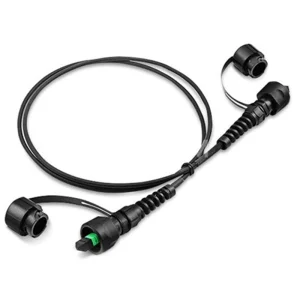
Deploying next-generation physical layer networks demands rugged mechanical designs and pristine optical specifications. Discover our core catalog engineered for telecommunications, backbone routing, and high-density industrial deployments.
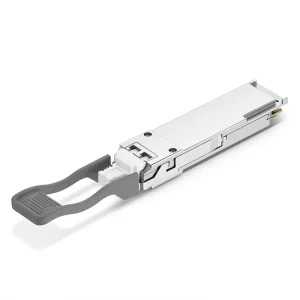
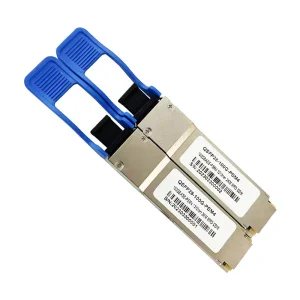
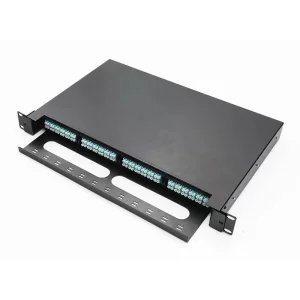
An exhaustive look into optical fiber technology shifts, supply-chain resilience models, and physical layer network configurations.
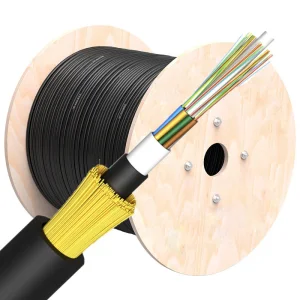
The rise of hyperscale data centers, 5G backhaul networks, and automated fiber-to-the-home (FTTH) rollouts has accelerated the demand for high-density architectures. 12-Core fiber optic cables serve as the critical foundation of modern trunks, striking the perfect balance between fiber density, conduit capacity, and ease of installation.
Technological trends show a rapid transition toward reduced cladding sizes and micro-armored designs. Today’s 12-Core fiber designs focus on bend-insensitive single-mode fibers (ITU-T G.657.A1/A2) that permit tighter routing radii, reducing physical footprints in packed urban manholes and crowded structured cabling conduits.
Procurement teams are moving away from prioritizing lowest upfront unit-cost to focusing on total cost of ownership (TCO). Procurement specialists demand documentation verifying insertion loss profiles, tensile rating compliance, LSZH jacket certification, and end-face geometry compliance to secure continuous, long-term performance.
Established in 2012 in Hong Kong | Leading Telecom Solution Provider
Kocent Optec Limited established in 2012 in Hongkong as a hi-tech communication enterprise, is one of China's leading fiber optic termination product manufacturer and solution provider.
We are dedicated to developing and manufacturing fiber optic communication products ranging from passive to active categories for telecommunication networks, enterprise networks and data centers.
By leveraging our extensive experience and excellent production capacity we gained over the years, we magnify the outcome for our valuable customers, which ultimately expands their core competencies and helps them outperform competitors.
We place emphasis on customer collaboration, and we define ourselves as your valuable partner in fiber optic connection solutions. We believe our differentiators are your perceived advantages.

100% Inspected & Tested Before Shipment
With more than 13 years of experience in manufacturing telecommunication fiber optic products, we follow strictly fiber optic industry standards by using mature scientific methods to deliver your products on time and ensure that 100% products are tested and inspected before shipment.
Every single batch of our 12-core fiber optic distribution and patch units undergoes intense optical measurement, checking for Insertion Loss (IL), Return Loss (RL), and geometry verification using high-precision interferometers. We align our manufacturing parameters to guarantee peak physical compliance and structural longevity.
Why global tier-1 operators opt for Kocent Optec’s lean digitalized supply model to control network deployment expenses.
Integrating automated inventory planning with high-throughput extrusion equipment. Our production workflow ensures rapid turnarounds, allowing custom length, shielding, and color assignments for bulk 12-Core projects.
Every spool of cable is tracked via QR-code identifiers tracing back to the primary glass preform. We conduct rigorous tests for climate chamber tolerance, cycling between extreme temperatures (-40°C to +70°C).
By maintaining long-term partnerships with high-purity silica preform suppliers and premium aramid yarn manufacturers, we shield buyers from volatile material swings while securing optimal raw material pricing.
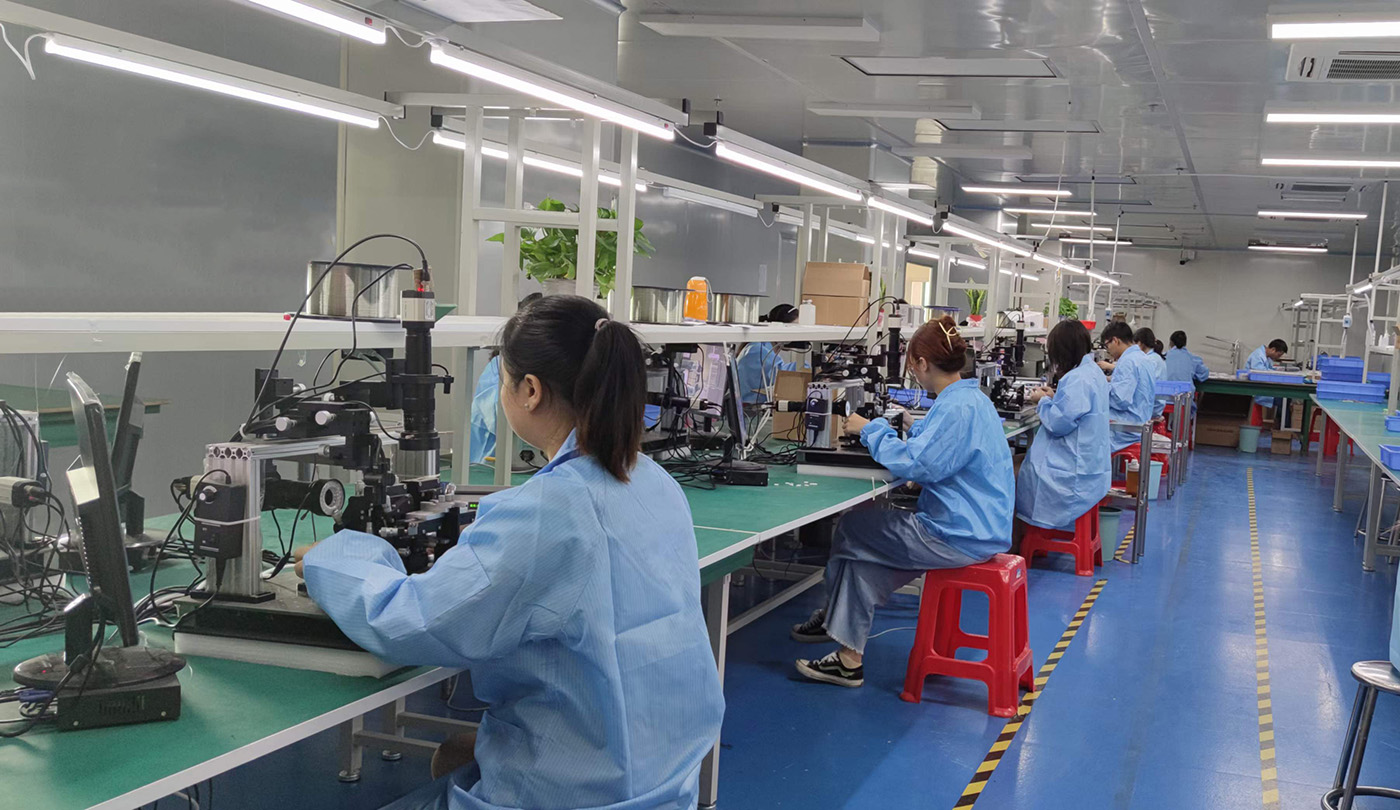
Years of sales and service experience have enabled us to win customers from different regions. Today, we have customers from East Asia, Southeast Asia, Middle East, Eastern Europe, Western Europe, Northern Europe, South America, North America, North Africa, and South Africa.
Win-win cooperation is our constant goal. Many our OEM and ODM products won the Telecom Operator tender and satisfy end-user request.
Our main terminal telecom operators include:
Crucial technical answers to help optical engineers and procurement agents evaluate fiber selections, mechanical limitations, and budget metrics.
Explore additional system configurations, breakout components, and testing accessories designed for your next fiber installation.
 KOCENT OPTEC