Explore our core high-capacity distribution and backhaul fiber systems engineered for harsh New Zealand conditions and high-speed data interconnects.
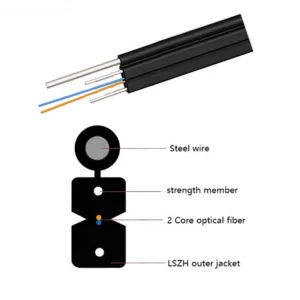
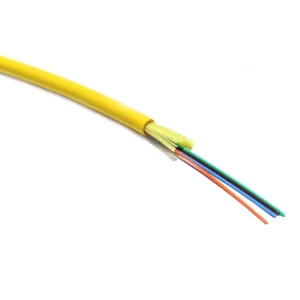
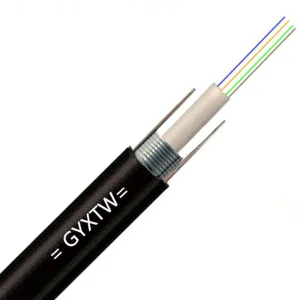
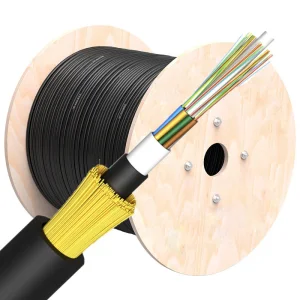
As New Zealand accelerates its digital transformation, localized data center campuses in Auckland, Wellington, and Christchurch face unprecedented traffic demands. The emergence of hyperscale cloud deployments, low-latency AI processing pipelines, and high-frequency financial trading systems has made 100G/200G architectures a operational bottleneck. The implementation of 800G QSFP transceivers (including QSFP-DD and OSFP form factors) has evolved from a progressive technology roadmap to a critical commercial necessity.
The transition to 800G in New Zealand is largely driven by the geographical requirements of the South Pacific region. Interconnected via vital subsea corridors like the Southern Cross NEXT and Hawaiki cables, local carrier rings must match the bandwidth capacity of global networks to prevent data transit latency. Leveraging PAM4 DSP technology and Silicon Photonics, 800G optics deliver the data density required to maximize modern fiber pipelines.

On a global scale, the optical communications industry is experiencing a massive migration toward coherent optical networks and short-reach high-density interconnects. By utilizing G.652.D and G.657.A1 low-loss single-mode fibers, operators can run multiple 800G streams across metropolitan loops. In New Zealand, the government's successful completion of the Ultra-Fast Broadband (UFB) initiative means that high-performance fiber reaches over 87% of the population. However, the true challenge lies in the backbone network, which requires robust high-capacity links to support these edge connections.
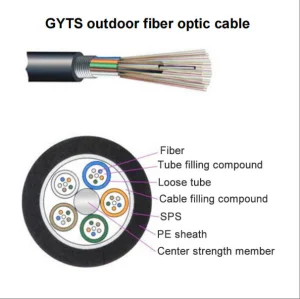
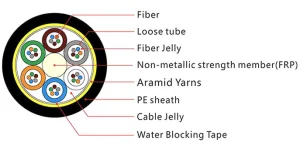
To support high-bandwidth applications, fiber quality must be absolute. Physical parameters such as attenuation, polarization mode dispersion (PMD), and bending radius must meet rigorous standards. Whether utilizing direct burial cables in the volcanic terrains of the North Island or stringing ADSS (All-Dielectric Self-Supporting) cables across rural lines in the South Island, fiber optic cable construction must resist environmental stresses while preserving the micro-optical properties of the core.
For network engineers planning upgrades, choosing the right transceiver architecture is crucial. Below is an overview of the ongoing technological transition from legacy optical modules to high-capacity 800G designs:
Understanding the unique regional applications of high-performance fiber links is critical for successful deployment:
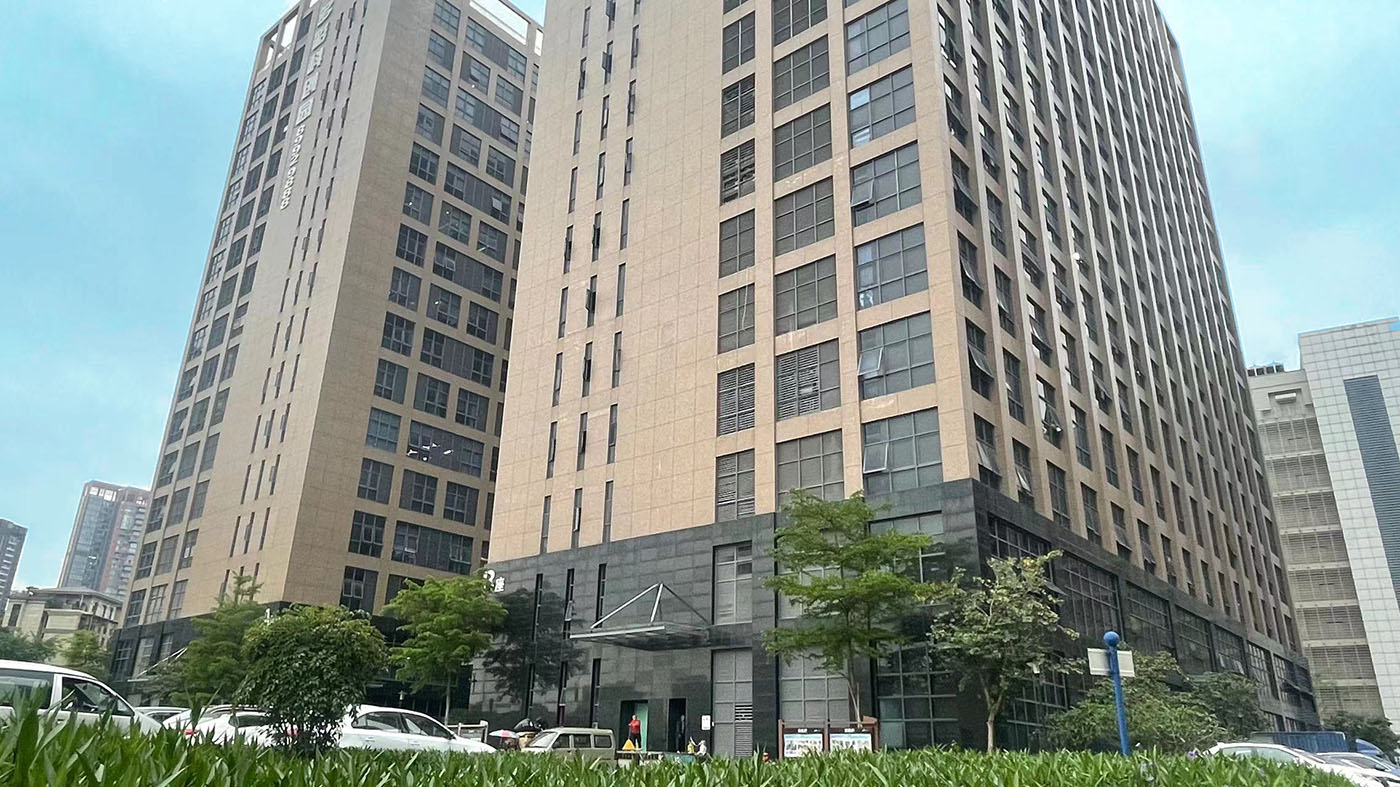
Established in 2012 in Hong Kong as a high-tech communication enterprise, Kocent Optec Limited has grown into a leading manufacturer and solution provider of fiber optic termination products. We specialize in developing and manufacturing high-performance fiber optic products ranging from passive infrastructure components to active transceivers. Our solutions are designed for telecom carriers, enterprise networks, and modern hyperscale data centers worldwide.
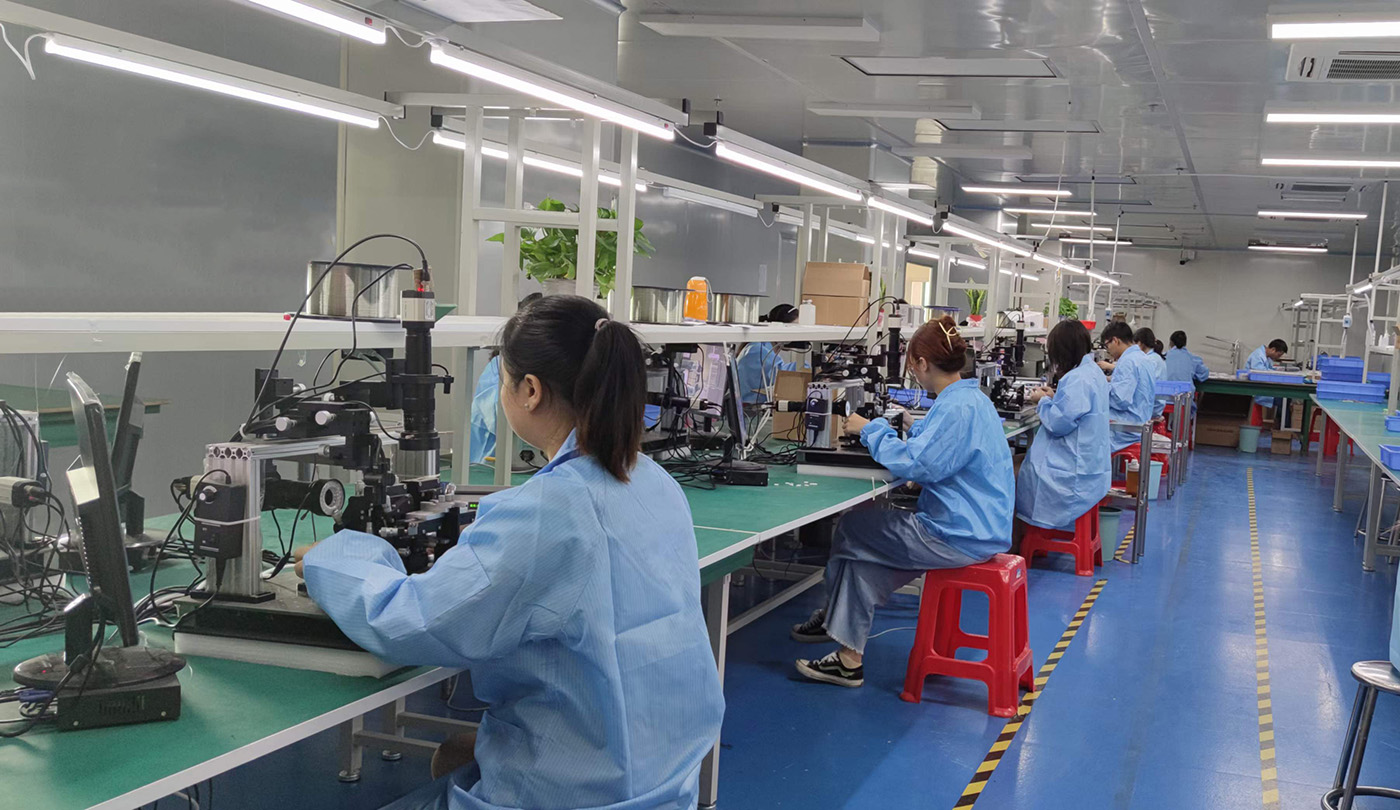
With over 13 years of manufacturing expertise, we adhere to strict international fiber optic standards, using mature scientific methodologies to guarantee that 100% of our products undergo rigorous testing and inspection before shipment.
Our dedication to quality has earned us partnerships with tier-one telecom operators and infrastructure projects globally. Our products are qualified and deployed by major operators, including:
SingTel, Vodafone, America Movil, Telefonica, Bharti Airtel, Orange, Telenor, Saudi Telecom, MTN, Viettel, VNPT, Laos Telecom, MYTEL, Telkom, Telekom, Entel, StarFiber, Ooredoo, and Beeline.
For New Zealand systems integrators, our high-density optical distribution configurations, patch panels, and 200G/400G/800G optical transceivers provide a reliable path for next-generation network upgrades.
From micro-distribution fiber assemblies to high-speed transceivers, discover our primary configurations optimized for New Zealand enterprise and carrier networks.
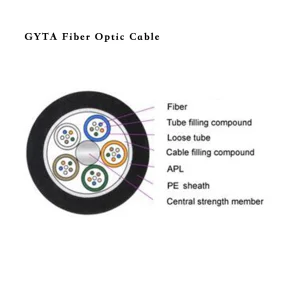
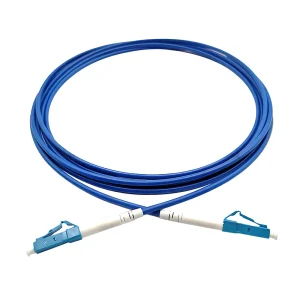
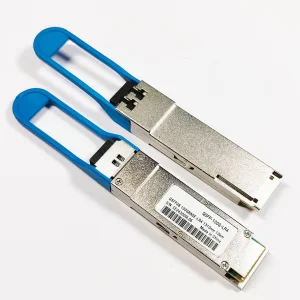
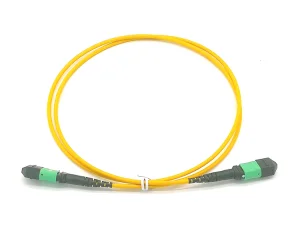
Designing high-capacity 800G systems requires precise management of the optical power budget. As frequencies increase, single-mode fiber links become increasingly sensitive to connector loss and environmental changes.
To prevent signal degradation, system designers must focus on the following key metrics:
Expert answers to critical engineering and procurement inquiries regarding 800G transceivers and high-capacity fiber networks in New Zealand.
 KOCENT OPTEC