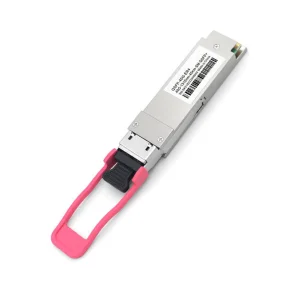
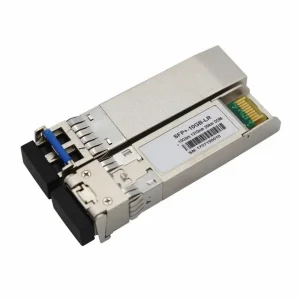
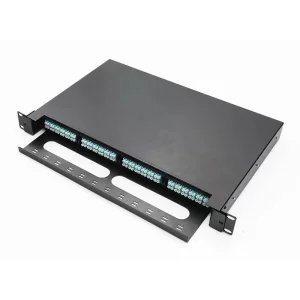
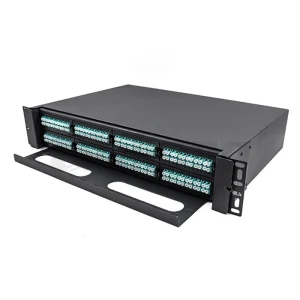
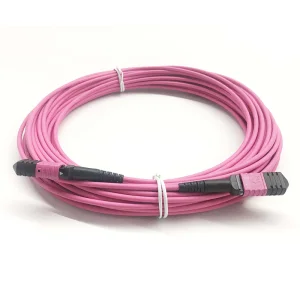
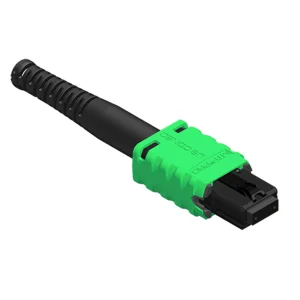
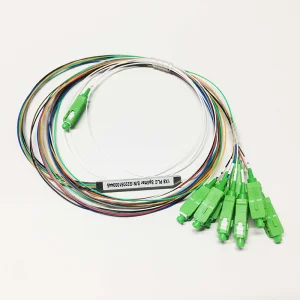
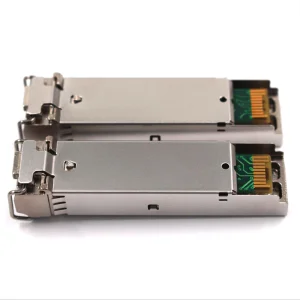
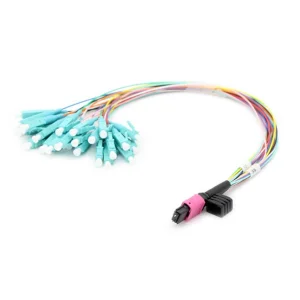
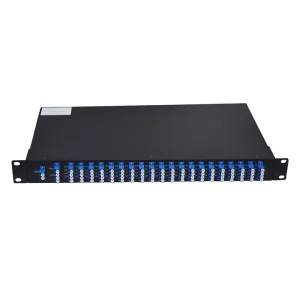
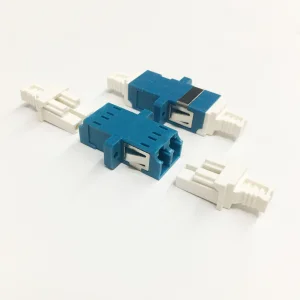
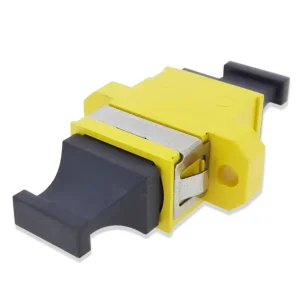
High-reliability active optical transceivers, high-density distribution panels, and passive structural components designed to complement direct buried long-haul fiber projects.
In modern telecommunications engineering, outside plant (OSP) routing presents complex physical challenges. Direct Buried Fiber Optic Cable is purposefully designed to withstand direct contact with soil, moisture, rocky ground, and localized biological threats without the secondary protective containment of conduits or innerducts. This direct exposure requires a complex multi-layered architectural stack that guarantees 25 to 30 years of operating lifespan.
Unlike standard duct cables, direct buried cables incorporate heavy-duty mechanical armor, typically composed of corrugated steel tape (CSTA) or high-tensile strength double steel wire wraps. This metal barrier prevents crushing from heavy soil shifts, pedestrian or vehicular loads, and limits the damage caused by burrowing rodents. The outer sheath utilizes High-Density Polyethylene (HDPE), valued for its high resistance to chemical degradation, environmental stress cracking, and UV exposure during temporary above-ground storage.
Inside the armored sheath, the optical fibers reside within loose buffer tubes filled with moisture-repellent gel (or water-blocking dry yarns). This ensures that even if the outer jacket is punctured, moisture cannot migrate along the cable length, preventing localized signal attenuation and hydrogen-induced loss over long-term operations.
Direct burial cables are engineered to surpass standard mechanical stress levels. Below are the key characteristics built into Kocent Optec's armored fiber lines.
Features Corrugated Steel Tape Armoring (CSTA) that acts as an impenetrable barrier against rodents (gophers, rats). The steel core handles extreme crush ratings of up to 3000N/100mm, ensuring zero fiber microbending.
Equipped with dual water-blocking compounds: thixotropic gel inside loose buffer tubes and superabsorbent dry yarns wrapped around the core. This double block meets and exceeds international IEC 60794 standards.
High-tensile strength is guaranteed via steel central strength members (FRP alternatives available for non-metallic designs). Rated for direct mechanical plowing installations under severe tension limits.
Deploying fiber optic systems requires deep understanding of localized soil chemistry, geography, and regulatory environments. Direct buried optical cables are deployed globally in key industrial applications:
For cross-country intercity routes, open-trenching or direct mechanical plowing is utilized. This bypasses the need for high-cost duct systems, speeding up rollouts. Armored direct buried cable is laid at depths ranging from 0.8 meters to 1.5 meters depending on local frost lines, protected by warning tape buried above the line.
Underground optical backbones are installed in dense suburban areas where overhead lines are restricted by aesthetics or safety regulations. In rocky or frozen environments, Kocent Optec’s rugged outer HDPE design prevents damage from sharp aggregate backfill.
Mining operations require robust communication networks across vast processing yards. Direct buried lines resist chemical spills, oil run-off, and heavy vibrating environments generated by drilling equipment. All-dielectric variants prevent electromagnetic interference in substation links.
Modern renewable energy plants span large rural plots. Direct burial cables are laid alongside high-voltage transmission lines, providing continuous SCADA monitoring and real-time turbine performance data feedback to central operating offices.

As a leading communication enterprise based in the South China manufacturing cluster, Kocent Optec Limited leverages structural and cost-efficiency advantages that benefit global purchasers. We maintain direct partnerships with premium local raw material suppliers, including high-grade optical preform refineries, steel sheeting mills, and high-density polymer plants.
Our raw material vertical integration guarantees stable production runs, protecting our customers from global supply chain disruptions. We operate high-speed automated drawing lines, loose tube extrusion lines, and armored assembly bays under a strict ISO 9001:2015 framework. By maintaining complete control over our manufacturing processes, we minimize optical attenuation shifts and physical defects, ensuring consistent batch-to-batch quality.
Additionally, our proximity to the major shipping ports of Hong Kong, Shenzhen, and Guangzhou facilitates fast logistics, minimizing international transport times and shipping costs. This allows us to deliver high-performance optical cables on time, meeting tight project deadlines for operators and network integrators worldwide.
The demand for higher bandwidth is driving several technical innovations in direct buried cable design:
Established in 2012 in Hong Kong as a high-tech communication enterprise, Kocent Optec Limited has grown to become one of China's leading fiber optic termination product manufacturers and solution providers. We are dedicated to developing and manufacturing a comprehensive range of fiber optic communication products, spanning from passive distribution boxes and patch panels to active optical modules.
Our solutions support telecommunication networks, enterprise infrastructures, and high-performance data centers. By leveraging our extensive design experience and manufacturing capacity, we optimize network performance for our customers, helping them outperform their competitors. We place emphasis on collaboration and position ourselves as a valuable engineering partner in fiber optic connection systems.
With over 13 years of manufacturing experience, we follow strict industry standards. We use mature scientific testing methods to deliver projects on time, ensuring that 100% of our products undergo rigorous optical and physical verification before shipment.
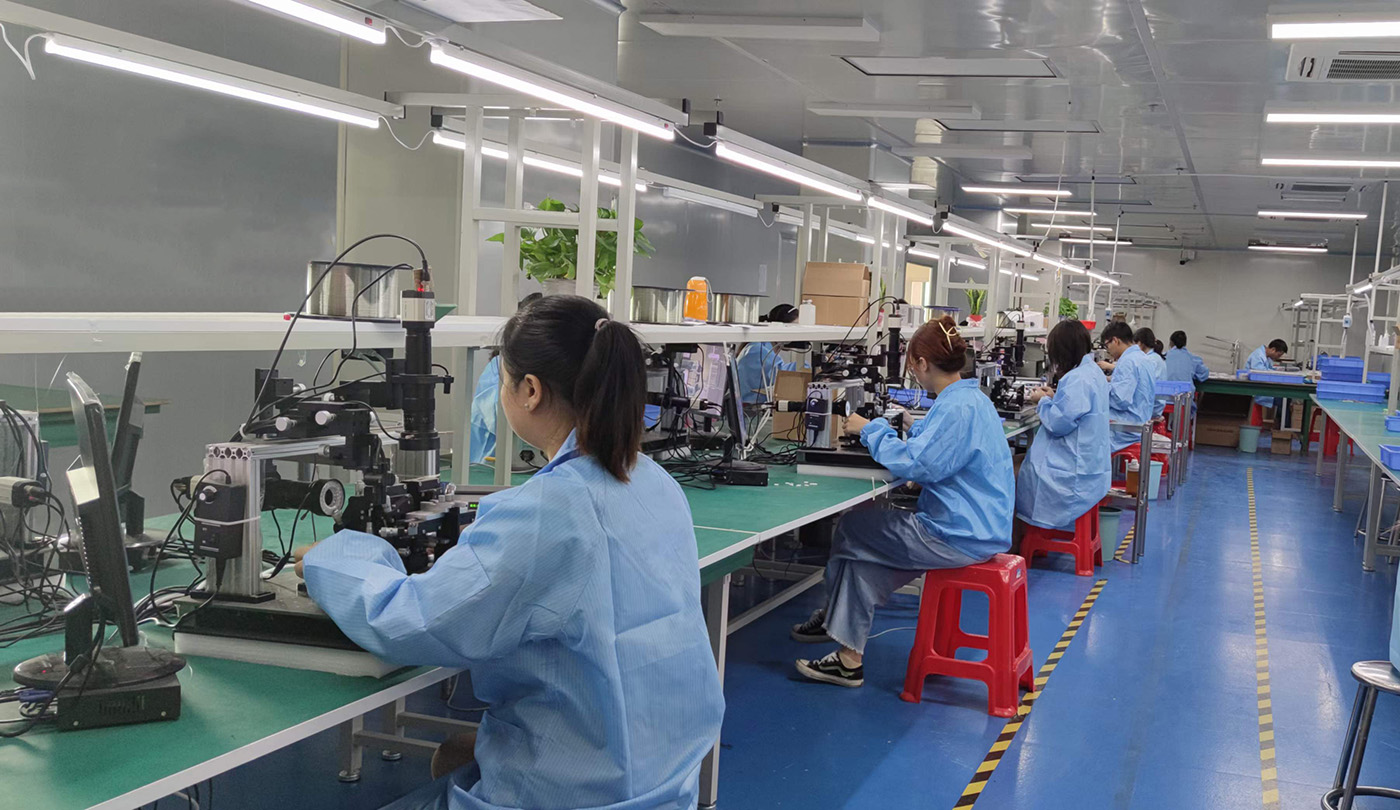
Over years of manufacturing and service excellence, we have built a broad global customer base. Today, Kocent Optec products are deployed across East Asia, Southeast Asia, the Middle East, Eastern Europe, Western Europe, Northern Europe, South America, North America, North Africa, and South Africa.
Our OEM and ODM components are regularly selected in telecom operator tenders, meeting strict regulatory requirements. Our primary terminal telecom operators and clients include:
To ensure compatibility across these diverse networks, our fiber designs comply with international standards including ITU-T G.652.D, G.657.A1/A2, Telcordia GR-20, IEC 60794, and environmental compliance standards like REACH and RoHS.
Answers to common design and installation questions for engineering teams.
Yes. Direct buried cables feature double water-blocking systems: dry swelling tapes/yarns and water-blocking gels inside the loose buffer tubes. Together with a high-density polyethylene (HDPE) outer sheath, they prevent water ingress and maintain optical performance even in continuously saturated soil conditions.
Corrugated steel tape armor provides excellent crush resistance (up to 3000N/100mm) to protect fibers from soil settling, rocks, and machinery. The corrugated design also keeps the cable flexible during installation while acting as a barrier against rodents, which can easily chew through standard non-armored cables.
Metallic armored cables are preferred for general installations due to their high mechanical strength and ease of location using ground detection equipment. Non-metallic, dielectric designs are used near high-voltage power lines or industrial substations to eliminate electromagnetic interference and electrical hazards.
Typically, the minimum bend radius is 20 times the cable's outer diameter under tension (during pulling) and 10 times the outer diameter when installed and static. Exceeding these limits can cause microbending loss or damage the optical fibers.
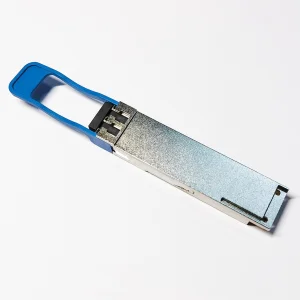
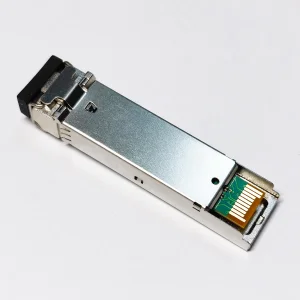
Direct buried cables serve as the physical layer over long distances. At the termination ends, they connect to high-density patch panels, which patch signals into active optical equipment using transceivers (like QSFP+, SFP+, or 200G QSFP56). This provides high-speed conversion between electrical and optical signals for routing.
Complete your deployment with Kocent Optec's active transceivers, fanout cabling assemblies, and optical passive devices.
 KOCENT OPTEC