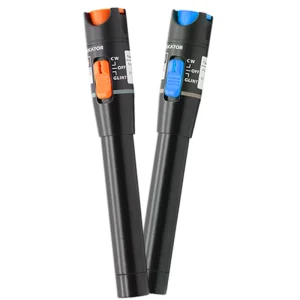
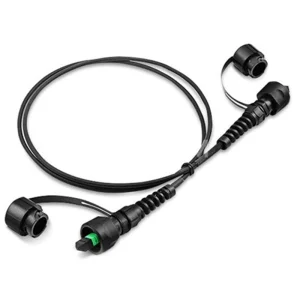
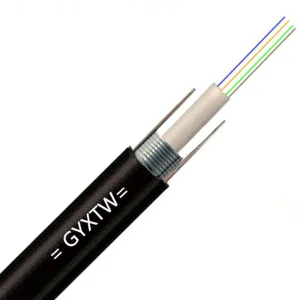
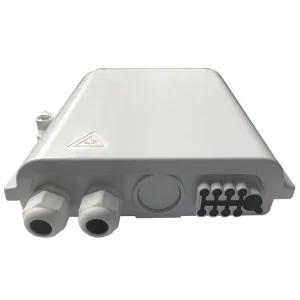
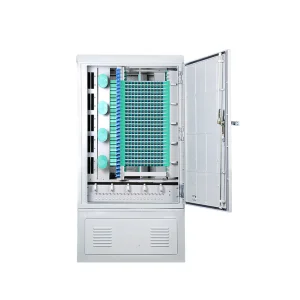
Explore our primary fiber optic hardware components, optical test tools, and high-performance transceivers ready for bulk manufacturing.
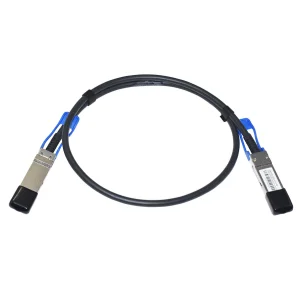
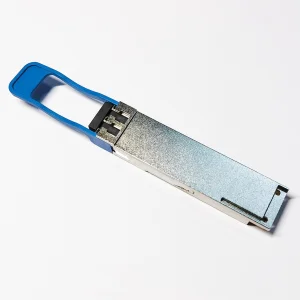
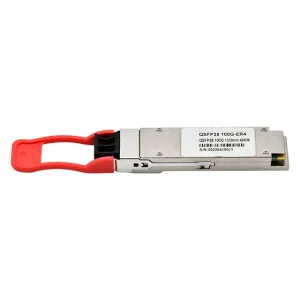
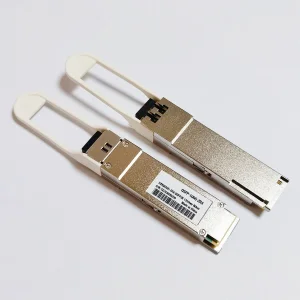
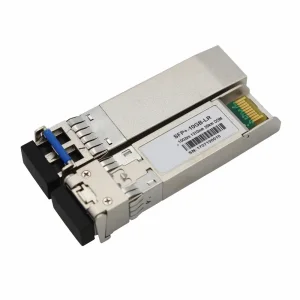
In the modern optoelectronics landscape, the 10G SFP+ (Small Form-factor Pluggable Plus) transceiver architecture continues to serve as the critical baseline interface for global telecommunication nodes, storage area networks (SANs), and high-density enterprise switching. Driven by the massive migration towards hyper-converged databases and decentralized edge nodes, selecting an authorized 10Gb SFP+ manufacturer goes beyond basic module pricing—it is an investment in link budget predictability, latency optimization, and thermal reliability.
Over the past decade, the transceiver industry has refined the SFP+ optical footprint, making it the preferred form factor over bulkier XFP and SFP footprints. By shifting critical clock-and-data recovery (CDR) chips from the physical transceiver packaging directly onto the host switch motherboard, modern SFP+ designs dramatically reduce power consumption (often under 1.0W per port) and increase layout density. For systems integrators and data center architects, optimizing network deployment means acquiring multi-platform compatible SFP+ optical transceivers from an engineering partner that strictly adheres to MSA (Multi-Source Agreement) reference structures.
SEO Insight & Technical Trend: Modern network topologies prioritize transceivers incorporating advanced Digital Diagnostics Monitoring (DDM/DOM), allowing real-time monitoring of critical parameters including optical output power, receiver sensitivity, operating temperature, and laser bias current.

As a premier global telecommunication hardware supplier, Kocent Optec Limited maintains a comprehensive engineering infrastructure. Established in 2012 in Hong Kong as a specialized high-technology enterprise, we have dedicated over 13 years of technical research to optimizing passive and active interconnect products.
To ensure total reliability in mission-critical networks, our carrier-grade validation pipeline is designed around three primary pillars:
We perform full EEPROM coding integration and verification on specialized hardware rigs to ensure 100% plug-and-play compatibility with equipment from major OEMs like Cisco, Juniper, Arista, Huawei, HPE, and Intel.
Every active transceiver goes through rigorous testing, including eye-diagram calibration, Bit Error Rate (BERT) monitoring, and optical spectrum analysis, ensuring zero transmission degradation over its operational life.
We validate our industrial transceivers in environmental chambers to guarantee performance under harsh thermal conditions, varying from industrial ranges (-40°C to +85°C) to standard commercial layouts.
By leveraging our extensive production capacity, we improve performance outcomes for our international clients, enabling them to expand their network capability and build a competitive advantage. We prioritize close technical collaboration, positioning Kocent Optec as a reliable partner for end-to-end fiber optic solutions.

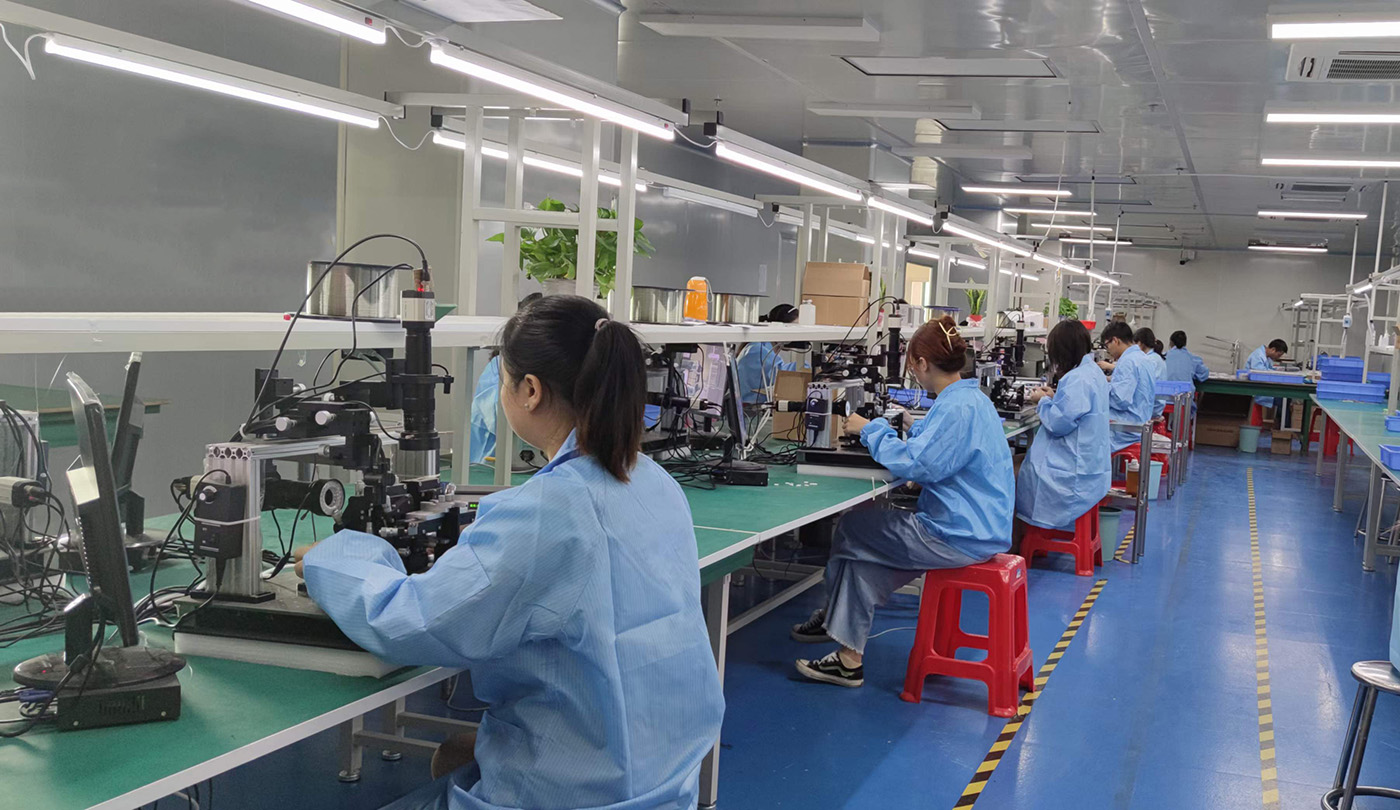
With modern optoelectronic equipment, our manufacturing plants handle highly complex builds, including optical sub-assemblies (TOSA/ROSA), laser diode welding, and precision automation alignment. Our engineering staff is equipped to assist with unique custom requirements, including:
Every product is fully tracked and logged by our QA system, allowing complete traceability from the core component wafer level to the final end-user packaging.
Over the years, our active and passive interconnect products have successfully satisfied the criteria of complex public tenders and high-volume deployment programs. Our components provide stable backhaul links for top-tier global telecommunications brands, multi-tenant enterprise data centers, and metro-scale FTTH architectures.
Our components are utilized in major telecom infrastructure across the globe, supporting high-density networks for leading carriers including:
As networking standards progress toward 25G, 100G, and 400G interfaces, the 10G SFP+ form factor remains a critical, cost-effective workhorse across many industries. B2B buyers must understand key technological developments to keep their networks robust, compatible, and ready for future upgrades:
Technical insights and direct answers to common B2B procurement queries regarding 10G SFP+ manufacturing standards.
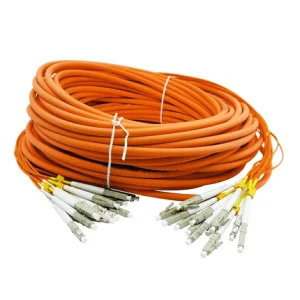
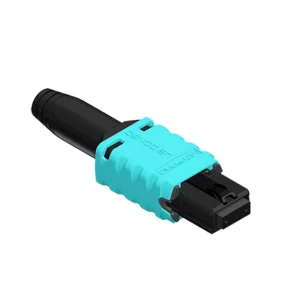
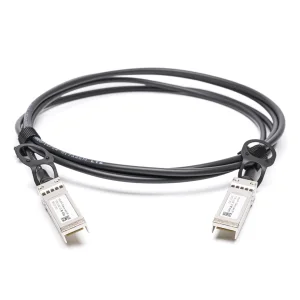
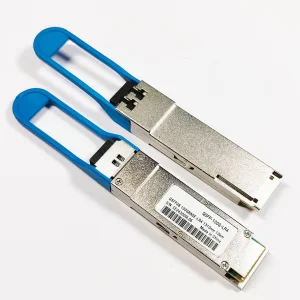
Browse our extended product portfolio, including long-reach active optics, passive copper cables, and optical distribution accessories.
 KOCENT OPTEC