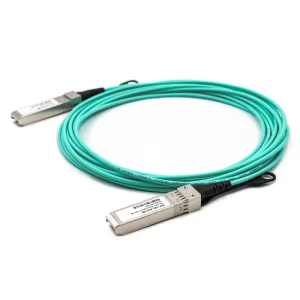
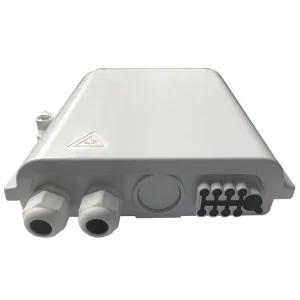
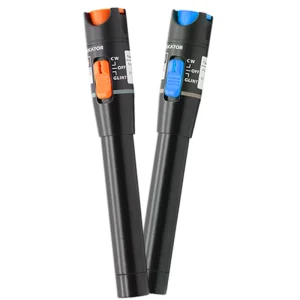
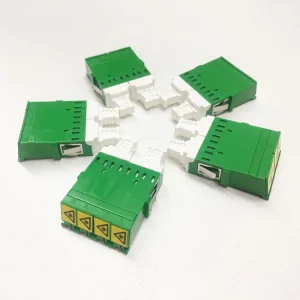
Explore our premium grade active optical transceivers, structured high-density patch panels, and structural cabling configurations.
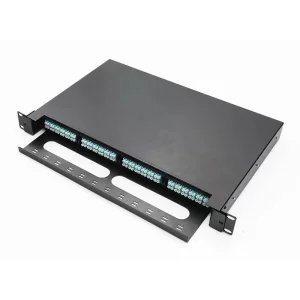
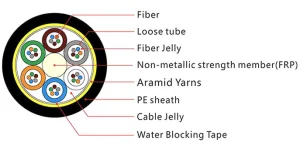
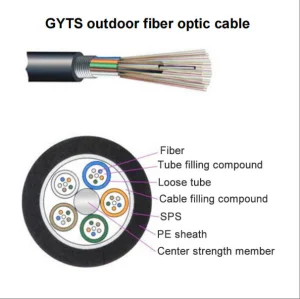
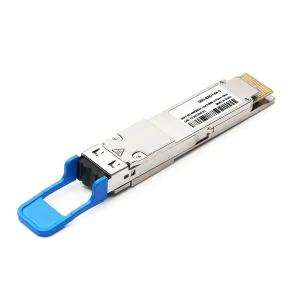
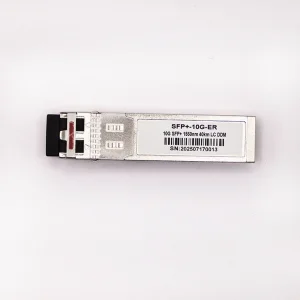
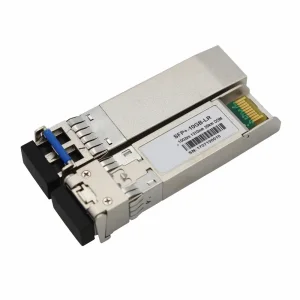
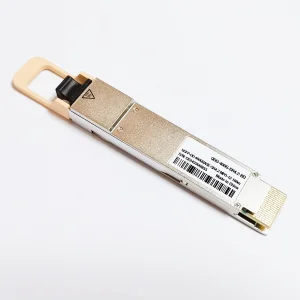
As hyper-scale data centers, telecommunications carriers, and high-performance enterprise networks transition towards greater bandwidth processing capabilities, the demand for robust 100G transceivers has undergone exponential growth. Often colloquially searched in wholesale procurement circles as the 100G SFP module, modern technical architecture actually utilizes the QSFP28 (Quad Small Form-factor Pluggable 28) and increasingly SFP-DD / QSFP-DD form factors to achieve 100 Gigabits per second transmission.
Understanding the physical design, optical interfaces, protocol compatibility, and the underlying supply chain is critical for networks seeking high uptime at optimal CapEx. This comprehensive guide details the technical specifications, global market dynamics, manufacturing ecosystems, and procurement pathways that differentiate top-tier 100G transceivers in the industry today.
Traditional SFP form factors were limited to lower rates like 10G (SFP+) or 25G (SFP28). To achieve 100G, the network industry pioneered the QSFP28 architecture, which utilizes four independent transmission lanes, each operating at 25 Gbps using NRZ (Non-Return-to-Zero) modulation. This parallel lane layout provides a massive boost in density and throughput over standard single-lane transceivers. Below is the primary taxonomy of 100G modules used in structural interconnects:
| Standard | Media Type | Connector Type | Max Distance | Laser Wavelength |
|---|---|---|---|---|
| 100GBASE-SR4 | Multimode Fiber (MMF OM3/OM4) | MPO/MTP-12 | 70m (OM3) / 100m (OM4) | 850 nm VCSEL Array |
| 100GBASE-LR4 | Single Mode Fiber (SMF G.652) | Duplex LC | 10 km | LAN-WDM (1295-1309 nm) |
| 100GBASE-ER4 | Single Mode Fiber (SMF G.652) | Duplex LC | 40 km | LAN-WDM DFB/EML with APD |
| 100GBASE-ZR4 | Single Mode Fiber (SMF G.652) | Duplex LC | 80 km | LAN-WDM DFB/EML + Optical SOA |
| 100G CWDM4 | Single Mode Fiber (SMF G.652) | Duplex LC | 2 km | CWDM (1271-1331 nm) |
| 100G PSM4 | Single Mode Fiber (SMF G.652) | MPO-12 (APC) | 500 m | 1310 nm DFB Array |
Choosing the correct standard is dependent on link budgets, physical distance requirements, and fiber plant topology. For short distances within a single rack or neighboring racks, SR4 or Active Optical Cables (AOC) offer the lowest power and hardware cost profiles. For inter-building or campus-wide interconnectivity, CWDM4 and LR4 offer single-mode options that bypass physical dispersion issues over kilometers. For long-reach backhaul applications, ZR4 represents the state-of-the-art for unamplified 80km spans.
China has consolidated its position as the global center for optoelectronics manufacturing. The concentration of component suppliers, automated assembly lines, packaging technology (COB/BOX), and comprehensive testing laboratories ensures significant advantages in scale, cost, and agility.
By working directly with integrated manufacturers, wholesale purchasers bypass excessive OEM markups from tier-1 networking vendors. The key to securing reliability lies in working with factories that employ standardized wafer dicing, high-precision active alignment for optical sub-assemblies (TOSA/ROSA), and exhaustive environmental stress tests.
As 100G transceivers become the baseline standard for standard high-speed optical connections, they are being deployed in several critical global network topologies:
1. Hyperscale Data Centers & Leaf-Spine Topologies: In high-throughput architectures, switches in the leaf layer connect to the spine switches using high-density 100G QSFP28 modules. This reduces latency and eliminates bottleneck configurations.
2. 5G Telecommunication Backhaul & Fronthaul: Modern carriers rely on 100G coherent and direct-detect optics to aggregate mobile traffic from cell towers and regional base stations. This ensures high-bandwidth, low-jitter backhaul capabilities.
3. Metropolitan and Core Enterprise Networks: High-bandwidth backbone networks linking major metropolitan locations are migrating towards 100G and 400G standard links to maintain optimal routing, caching, and core transit metrics.

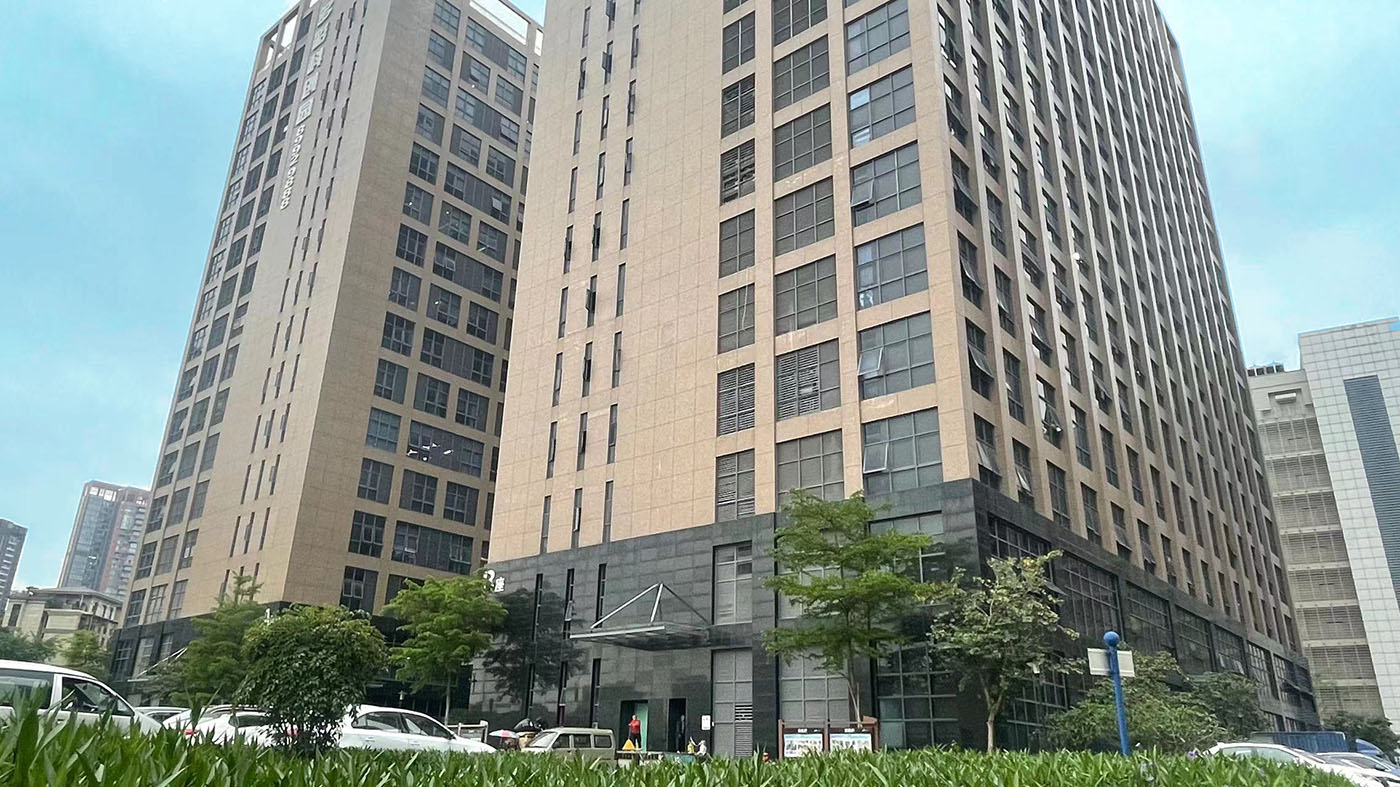
Established in 2012 in Hong Kong as a high-tech communication enterprise, Kocent Optec Limited is one of China's leading fiber optic termination product manufacturers and solution providers. We are dedicated to developing and manufacturing fiber optic communication products ranging from passive to active categories for telecommunication networks, enterprise networks, and data centers.
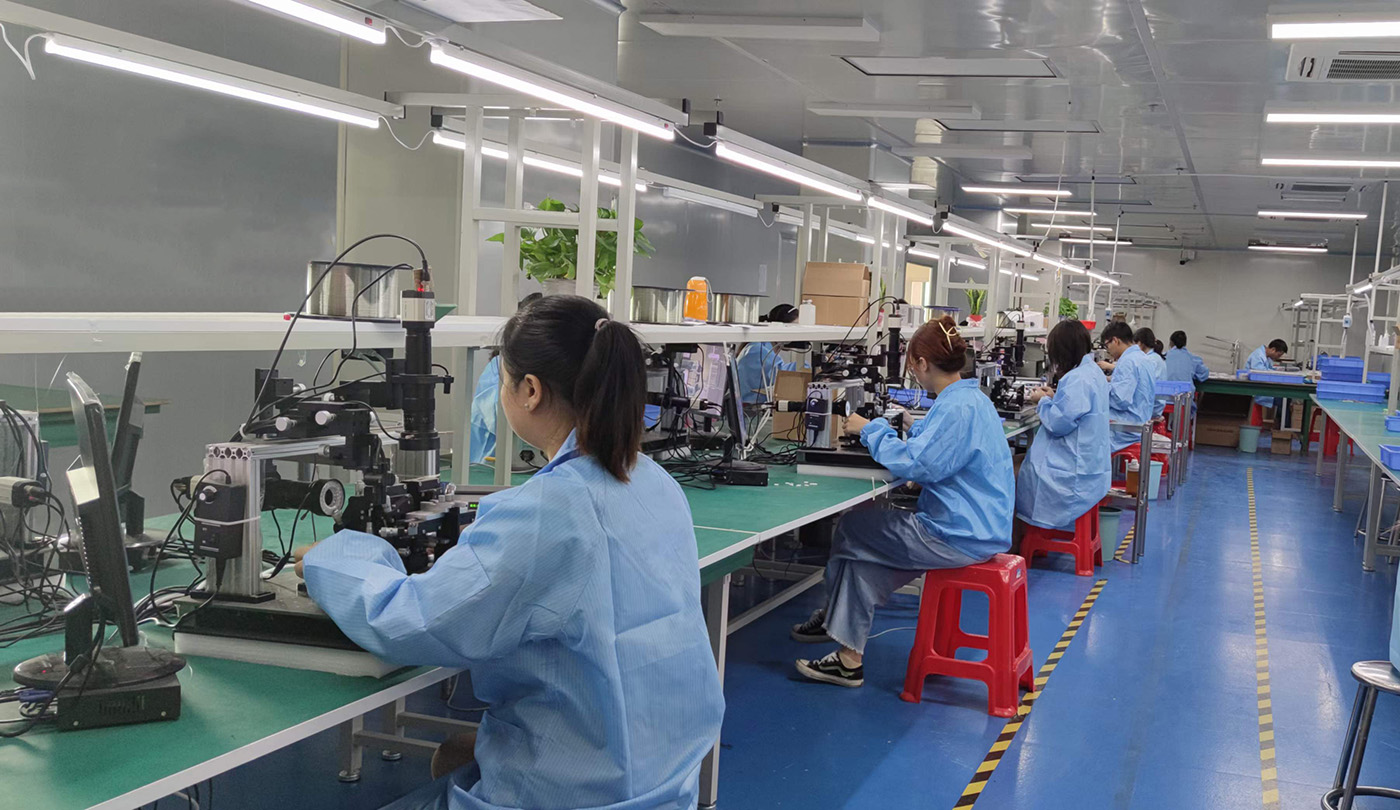
By leveraging our extensive experience and excellent production capacity we gained over the years, we magnify the outcome for our valuable customers, which ultimately expands their core competencies and helps them outperform competitors. We place emphasis on customer collaboration, and we define ourselves as your valuable partner in fiber optic connection solutions. We believe our differentiators are your perceived advantages.
With more than 13 years of experience in manufacturing telecommunication fiber optic products, we follow strictly fiber optic industry standards by using mature scientific methods to deliver your products on time and ensure that 100% products are tested and inspected before shipment. Years of sales and service experience have enabled us to win customers from different regions. Today, we have customers from East Asia, Southeast Asia, Middle East, Eastern Europe, Western Europe, Northern Europe, South America, North America, North Africa, and South Africa.
Our OEM and ODM products have won telecom operator tenders globally and satisfy end-user requirements across major carriers:
As network bandwidth requirements continue to scale, the industry is witnessing key shifts in technological capability:
Silicon Photonics (SiPh): Integration of lasers, modulators, and detectors directly onto a single silicon chip reduces module component count, lowers manufacturing costs, and minimizes failure points.
PAM4 (Pulse Amplitude Modulation 4-level): Standard 100G NRZ uses binary signals. PAM4 doubles data density by carrying two bits per clock cycle, enabling transitions to 400G/800G and optimizing hardware footprint.
Power-Saving & Green Datacenter Design: Modern transceivers utilize energy-efficient DSPs to keep power draw below 3.5 watts per module. This reduces dynamic cooling demands in hyperscale facilities.
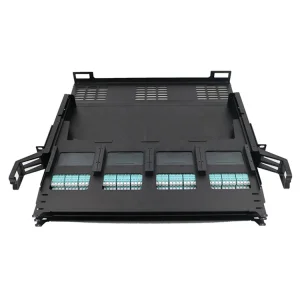
Integrate robust physical-layer passive infrastructure products to ensure seamless, error-free optical data distribution.
 KOCENT OPTEC