Engineered to meet the stringent demands of modern hyperscale cloud computing, optical transport networks, and low-latency enterprise backbones.
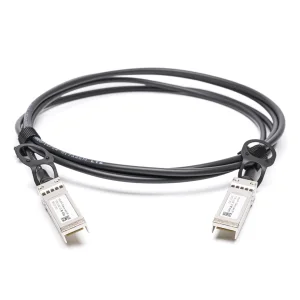
China SFP-H10GB-CU1M Compatible 10G SFP+ Passive Direct Attach Copper Twinax Cable Factory, Product
View Details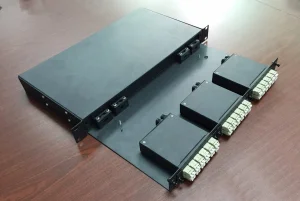
Wholesale High Density 1U 72 Ports High Density Optical Fiber MTP MPO Rack-mount Patch Panel Manufacturer, Suppliers
View Details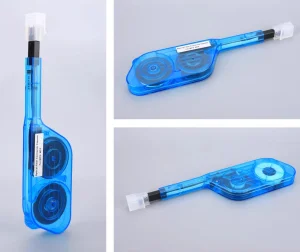
China MPO MTP Fiber Optic Connector Cleaner One-click Dusty Free Tool Quotes, Product
View Details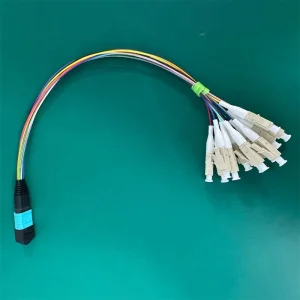
Wholesale OM3 12fibers MTP MPO to LC fanout fiber optic patch cable Factories, Pricelist
View Details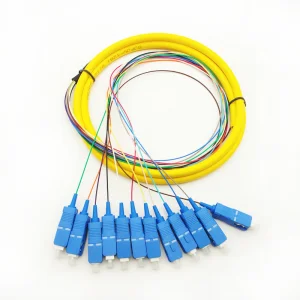
Cheap 12 cores Single Mode G652D SC/UPC Fanout Optic Fiber Pigtail Manufacturers, Factory
View Details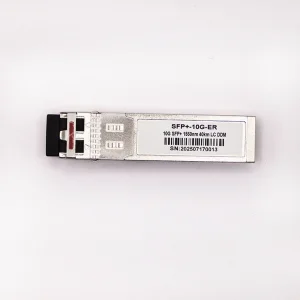
OEM KCO-SFP+-10G-ER 10Gb/s 1550nm SFP+ 40kmTransceiver Manufacturer, Products
View Details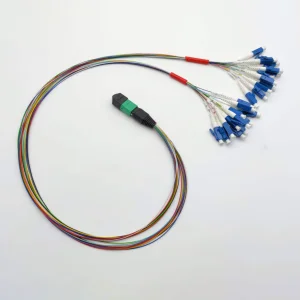
OEM Single Mode 24fibers MPO/APC Male to LC Fan-out Patch Cord / MTP/APC Male to LC Harness Patch Cord Supplier, Suppliers
View Details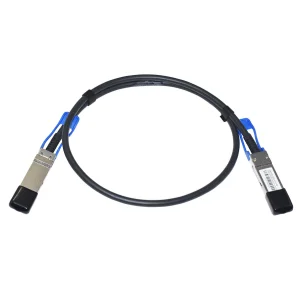
ODM Cisco QSFP-100G-CU1M Compatible 100G QSFP28 Passive Direct Attach Copper Twinax Cable Manufacturers, Pricelist
View DetailsDirect Attach Copper (DAC) cables, particularly the 40G QSFP+ twinax cables, represent the pinnacle of cost-effective, low-latency transmission for short-range data center applications. Operating under the Multi-Source Agreement (MSA) standards, these cables utilize a passive twinaxial copper design to directly hook up physical transceivers. By bypassing the need for optical-to-electrical conversions, they lower both system power draw and latency overheads.
For data center managers, cloud providers, and system integrators, selecting high-quality 40G DAC cables is key to maintaining stable link-layer networks. High-quality physical layers prevent packet loss, reduce Bit Error Rates (BER), and maintain system-level signal integrity. This is especially true at high-frequency ranges up to 10 GHz per channel across four independent lanes (4x10G).
KOCENT OPTEC LIMITED has spent over a decade perfecting these complex physical layups. We ensure every assembly exceeds standard electrical parameters like insertion loss and near-end crosstalk (NEXT). Our designs support legacy switches and next-gen spine-leaf networks alike.

Designing a high-performance 40G DAC cable is not just about connecting copper wires. It requires managing complex physical behaviors at high frequencies. When data rates reach 10 Gbps per lane, copper behaves more like a high-frequency waveguide. Controlling manufacturing tolerances becomes critical to maintaining signal integrity.
Our twinax cables utilize silver-plated solid copper conductors, paired with advanced foamed polyolefin insulation. This material mix keeps insertion loss at a minimum, ensuring reliable transmissions over distances up to 7 meters without signal degradation.
We hold our differential impedance to a tight tolerance of 100 ± 5 ohms. This strict control prevents signal reflections and minimizes jitter, ensuring the cable maintains its target Bit Error Rate (BER) of less than 1E-15 under full system load.
Compatibilities vary across switch manufacturers. We pre-code every EEPROM module with custom firmware to match the required host vendor signature (such as Cisco, Arista, Juniper, Dell, or Mellanox), guaranteeing smooth plug-and-play integration.
Choosing the correct wire gauge is a vital tradeoff in data center layout design. Thicker copper conductors (such as 24 AWG or 26 AWG) exhibit less attenuation, making them ideal for longer runs of 5 to 7 meters. However, they are also heavier and stiffer. Conversely, thinner conductors (30 AWG) are highly flexible and improve air flow in dense server racks, but are best kept to shorter runs of 0.5 to 2 meters. KOCENT OPTEC LIMITED helps engineering teams analyze these factors to build optimized patch layouts that minimize cabling weight and physical airflow resistance.
| Technical Feature / Parameter | 40G QSFP+ Passive DAC (Industry Target) | KOCENT OPTEC Premium Standard | Direct Customer Advantage |
|---|---|---|---|
| Conductor Material | Standard copper wire | Silver-Plated Solid Copper (Ultra-Pure) | Less high-frequency skin-effect loss |
| Differential Impedance | 100 ± 10 Ω | 100 ± 5 Ω | Fewer signal reflections and errors |
| Raw Cable Shielding | Single layer braid | Dual-layer Alu-Mylar + 85% Braid | Highly resistant to electromagnetic noise (EMI) |
| Bit Error Rate (BER) | 1E-12 | Passes 1E-15 testing standards | Fewer packet drops and retransmissions |
| Jacket Fire Rating | PVC / Standard Grade | LSZH (Low Smoke Zero Halogen) / OFNP | Fully compliant with international safety codes |

Established in 2012 in Hong Kong as a high-tech communication enterprise, Kocent Optec Limited has grown into one of China's premier fiber optic termination and high-speed copper interconnect manufacturers. We focus on design, fabrication, and custom tuning for both passive and active networking solutions.
With over 13 years of technical experience in manufacturing telecommunication components, our operations strictly follow international fiber-optic and electrical standards. We leverage mature, scientific quality control methodologies. This allows us to guarantee that 100% of our products undergo thorough inspection and testing before shipping, delivering them on time without compromises.
Our collaborative philosophy positions us as a trusted partner rather than just another hardware vendor. We believe our production capabilities and technical design services provide our clients with a distinct competitive advantage in their local markets.
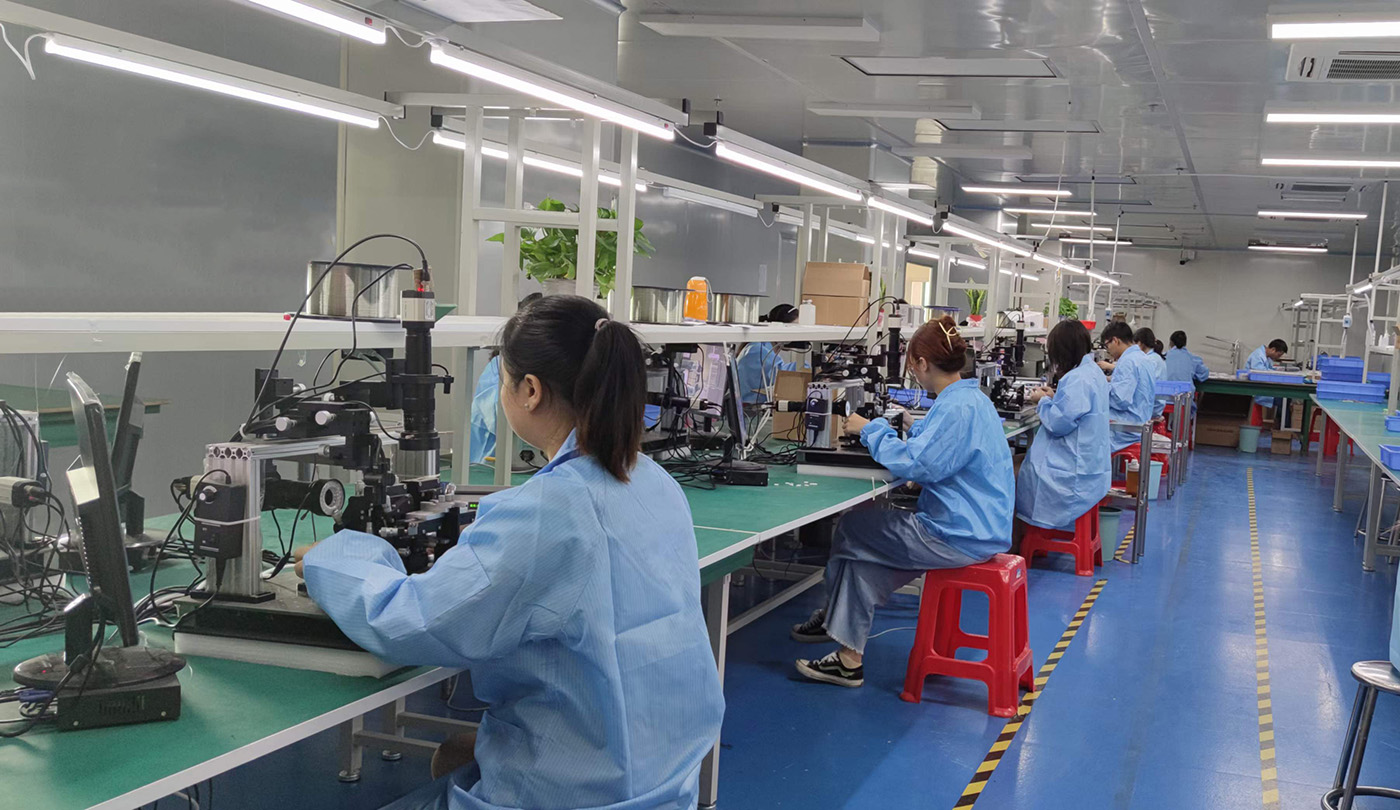
Modern data center buildouts demand quick lead times and high component consistency. Our production facility incorporates "Industry 4.0" automation methodologies. This setup integrates automated wire stripping, laser-controlled solder stations, and robotic testing arrays to minimize production variances.
Operating inside China's primary tech manufacturing corridor gives us access to a highly integrated supply chain. From raw copper drawing to customized outer casing injection molding, we keep our operations streamlined. This vertical integration keeps production costs low while protecting us from material shortages.
To assure top quality, we test all copper assemblies on Keysight physical layer test platforms. We run comprehensive sweeps for insertion loss, return loss, and crosstalk parameters, confirming that every cable meets MSA standards before packaging.
Our commitment to delivering reliable, cost-effective solutions has earned us a global customer base. Today, we work with operators and system builders across East Asia, Southeast Asia, the Middle East, Eastern and Western Europe, North and South America, as well as Africa.
Our OEM and ODM components have successfully won major public tenders, meeting the strict requirements of top-tier telecommunications carriers. We are proud to supply and integrate equipment for leading operators worldwide, including:
SingTel, Vodafone, America Movil, Telefonica, Orange, TeliaSonera, Saudi Telecom, Telenor.
Bharti Airtel, VimpelCom, MTN, Viettel, Bitel, VNPT, Laos Telecom, MYTEL, Telkom.
Telekom, Entel, FiberTel, StarFiber, Ooredoo, Beeline, Azercell, and more.
Get answers to the most common technical questions about 40G QSFP+ DAC cable deployment, physical parameters, and host device compatibility.
Complement your copper connectivity with our comprehensive range of high-performance fiber distribution and management systems.
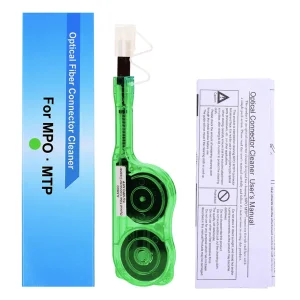
China MTP MPO fiber optic connector one-click cleaner pen Factory, Pricelist
View Details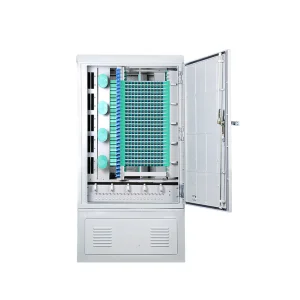
ODM Fiber optic cross connection cabinet Manufacturers, Product
View Details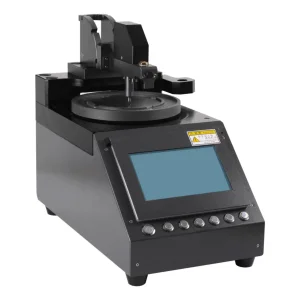
Wholesale KCO-PM-MPO-06 MPO MTP polishing machine for MPO MTP connector Manufacturer, Quotes
View Details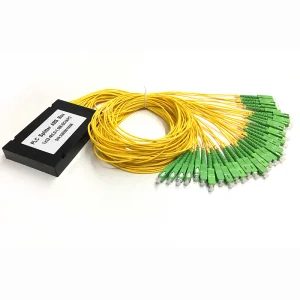
OEM 1*32 1x21 1:32 ABS box type PLC splitter Manufacturer, Product
View Details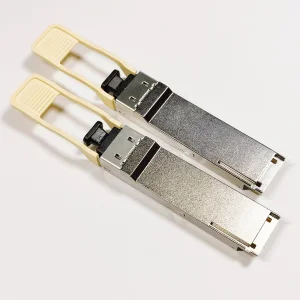
OEM KCO QSFP56 200G SR4 S MMF MPO-12 100m 200Gbps QSFP56 OSFP Multimode 100m MTP MPO Fiber Optic Transceiver Manufacturer, Manufacturers
View Details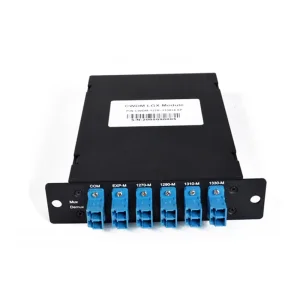
OEM Mux Demux 4 Channel Coarse Wavelength Division Multiplexing CWDM LGX box type LC/UPC Connector Supplier, Products
View Details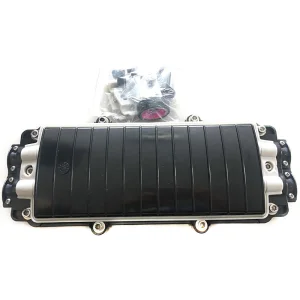
OEM Horizontal Type 12fo 24fo 48fo 72fo 96fo Fiber Optic Splice Closure Box FOSC-H0920 Factory, Products
View Details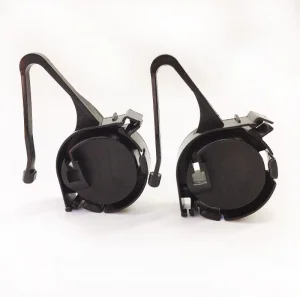
Cheap PA66 Nylon FTTH Drop Optical Fiber Cable Wire Feeder Clamp For Aerial Cable Installation FCST-ACC Product, Products
View Details KOCENT OPTEC