Premium active and passive optical modules engineered to withstand modern bandwidth pressures.
As the global appetite for bandwidth escalates due to artificial intelligence, cloud scale operations, and the densification of 5G networks, standard fiber optic topologies face physical space limits. The 288 Fiber Cable represents the threshold of high-density trunking, balancing high fiber count with manageable physical diameter.
Designed primarily for backbones, metropolitan networks, and large-scale data center interconnects (DCI), these cables utilize loose-tube, micro-sheath, or ribbon architectures. This architecture ensures optimal fiber density while simplifying route engineering. When sourcing high-capacity infrastructure, selecting a reliable manufacturer is crucial to guarantee minimal attenuation, mechanical durability, and decade-long optical reliability.
Explore the mechanical design and fiber properties of our robust 288-core fiber architectures.
Utilizing high-grade ITU-T G.652.D or bend-insensitive G.657.A1/A2 glass. This ensures zero water peak attenuation (≤0.35 dB/km at 1310nm, ≤0.20 dB/km at 1550nm) and maintains signal integrity even under tight bending conditions in crowded distribution cabinets.
Available in Stranded Loose Tube (SZ) or Ribbon Fiber profiles. Loose tube designs contain 12 or 24 fibers per thixotropic gel-filled tube to isolate fibers from stress. Ribbon fibers enable rapid fusion splicing, which reduces deployment time by up to 70%.
Reinforced with a Central Strength Member (FRP or high-tensile steel wire) and armored with corrugated steel tape or dielectric glass yarns. The outer sheath utilizes Low Smoke Zero Halogen (LSZH) or High-Density Polyethylene (HDPE) for long-term environmental protection.
| Parameters | Stranded Loose Tube (Duct / Aerial) | Micro-Trench (Blowable) | Ribbon Fiber Cable |
|---|---|---|---|
| Fiber Count | 288 Cores | 288 Cores | 288 Cores (24x12 Ribbon) |
| Outer Diameter (Nominal) | 16.5 mm - 18.5 mm | 9.5 mm - 11.0 mm | 17.0 mm - 19.5 mm |
| Tensile Strength (Long / Short Term) | 1000N / 3000N | 400N / 1000N | 1200N / 4000N |
| Crush Resistance | 1000 N/100mm | 500 N/100mm | 2000 N/100mm |
| Operating Temperature | -40°C to +70°C | -30°C to +60°C | -40°C to +70°C |
| Key Advantage | High environmental stress resistance | Ultra-small diameter for duct blow in | Mass fusion splicing compatibility |
Why Tier-1 telecom operators and global network builders rely on Chinese fabrication ecosystems.
China's fiber optic hubs, specifically in industrial areas like Jiangsu and Zhejiang, offer unparalleled raw material availability. From highly purified silica preforms to fiberglass reinforced plastic (FRP) components and advanced UV-curable resins, every step of the supply chain is co-located. This integration minimizes transport delays, stabilizes pricing during global shortages, and accelerates lead times by 30-40% compared to Western competitors.
Our manufacturing lines feature automated high-speed draw towers and high-capacity SZ stranding machinery. Continuous inline laser diameter monitoring ensures that the outer diameter of the buffer tubes and sheaths remains within sub-micron tolerances. This precision prevents micro-bending loss, simplifies fiber color identification, and guarantees consistent installation performance over long installation runs.
We verify performance at every manufacturing stage. Every single reel of 288-core fiber undergoes full-length Optical Time Domain Reflectometer (OTDR) testing at both 1310nm and 1550nm to ensure zero splice faults or localized attenuation anomalies. Additionally, our testing chambers execute cyclic temperature testing, water penetration tests, tensile loading checks, and crush resistance evaluations to comply with international standards.
We optimize cables for specific installation environments. Whether you require standard polyethylene (PE) sheathing, anti-rodent nylon coating, or LSZH for indoor/riser designs, our engineers can formulate sheaths tailored to local regulations. Our flexibility allows us to meet specific mechanical load profiles and chemical resistance parameters required for diverse global applications.
Deploying 288 Core Fiber Cables across critical telecommunication segments.
Hyperscale clouds require high density and low latency. Utilizing 288 ribbon fiber cables in under-floor air ducts or overhead cable trays enables high-capacity linking between sever halls. The ribbon format supports rapid termination via pre-terminated patch panels, minimizing deployment times.
Municipal operators deploy 288 fiber cables along underground ducts to establish backbone rings. Utilizing micro-sheath blowable cables allows operators to maximize existing duct space, postponing expensive civil engineering projects while preparing the network for future capacity demands.
In FTTH deployments, a 288 fiber cable acts as the distribution feeder from the Central Office (CO) to local optical distribution frames (ODF). From these nodes, the signal branches out to individual buildings via optical splitters, optimizing network footprint and maximizing splitter efficiency.
Kocent Optec Limited establish in 2012 in Hongkong as a hi-tech communication enterprise, is one of China's leading fiber optic termination product manufacturer and solution provider.
We're dedicated to developing and manufacturing fiber optic communication products ranging from passive to active categories for telecommunication networks, enterprise networks and data centers.
By leveraging our extensive experience and excellent production capacity we gained over the years, we magnify the outcome for our valuable customers, which ultimately expands their core competencies and helps them outperform competitors. We place emphasis on customer collaboration, and we define ourselves as your valuable partner in fiber optic connection solutions. We believe our differentiators are your perceived advantages.
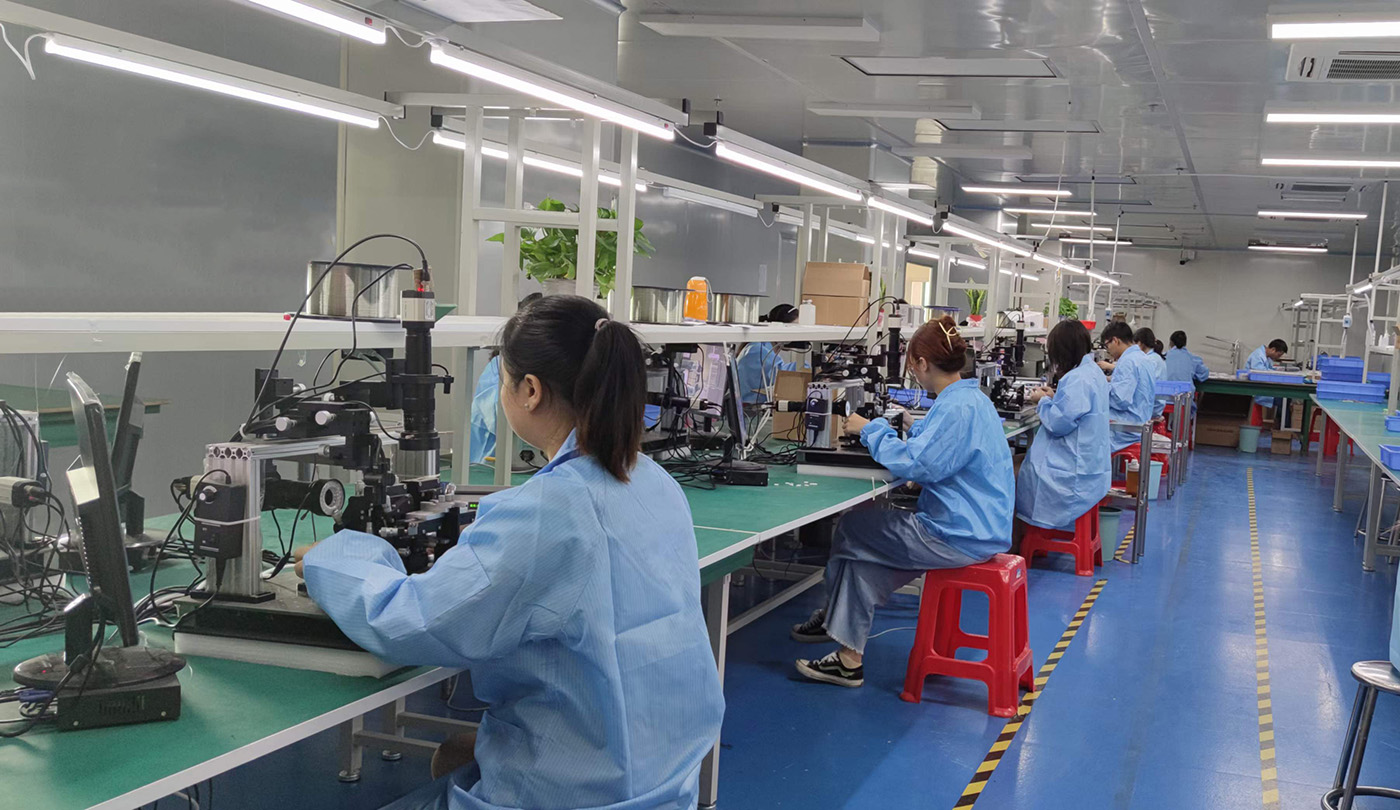
With more than 13 years of experience in manufacturing telecommunication fiber optic products, we follow strictly fiber optic industry standards by using mature scientific methods to deliver your products on time and ensure that 100% products are tested and inspected before shipment.

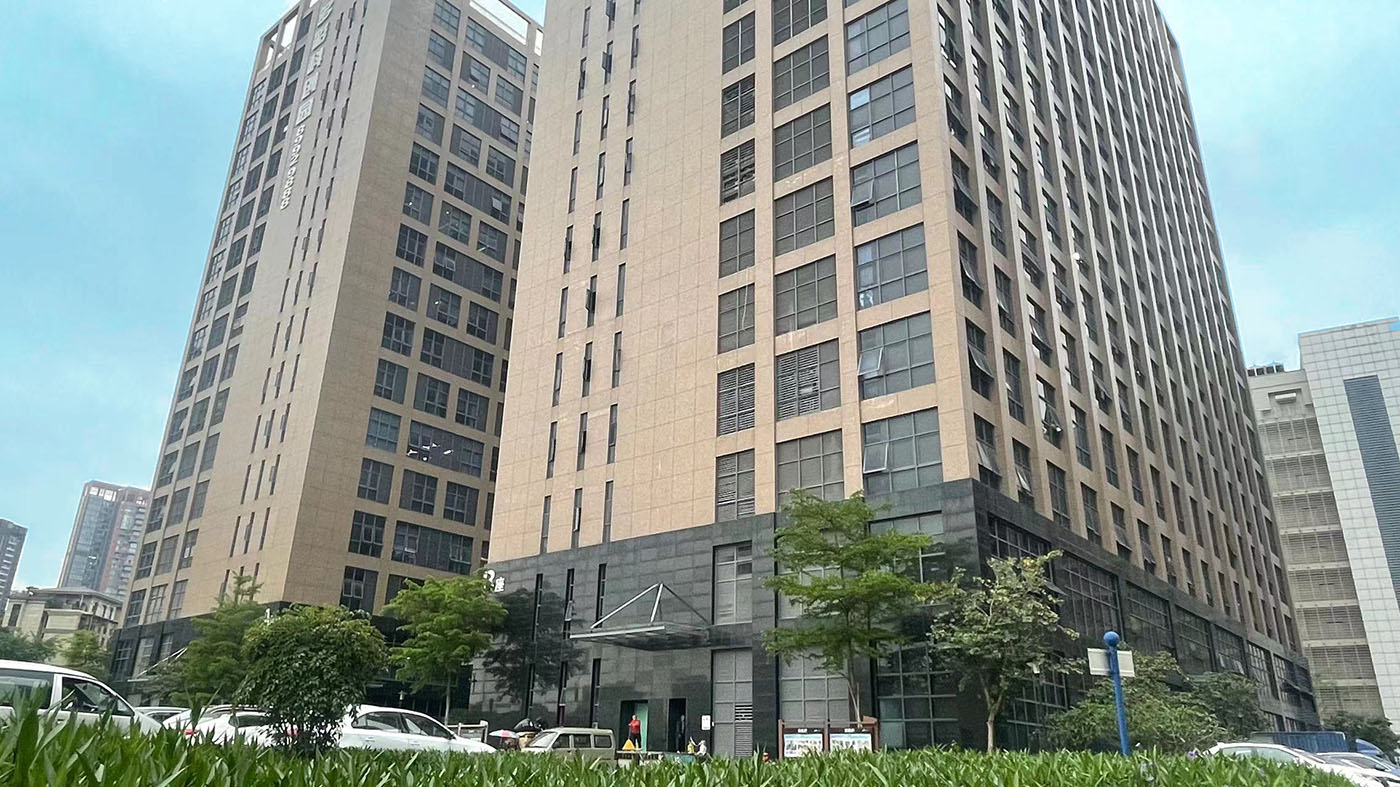
Our solutions are deployed across major networks, serving key telecom operators worldwide.
Years of sales and service experience have enabled us to win customers from different regions. Today, we have customers from East Asia, Southeast Asia, Middle East, Eastern Europe, Western Europe, Northern Europe, South America, North America, North Africa, and South Africa.
Win-win cooperation is our constant goal. Many our OEM and ODM products won the Telecom Operator tender and satisfy end-user request.
Our main terminal telecom operators include: SingTel, Vodafone, America Movil, Telefonica, Bharti Airtel, Orange, Telenor, VimpelCom, TeliaSonera, Saudi Telecom, MTN, Viettel, Bitel, VNPT, Laos Telecom, MYTEL, Telkom, Telekom, Entel, FiberTel, StarFiber, Ooredoo, Beeline, Azercell.
What engineers and procurement leads must consider before ordering high-density 288 core cables.
Ensure products meet ITU-T G.652.D/G.657.A2 specifications, IEC 60794 standards, and RoHS/REACH environmental requirements. Always request official third-party certificates from recognized testing labs (e.g., SGS, Intertek).
Match the physical jacket profile to the installation environment: double-armored for direct burial, FRP central strength members for high-voltage power corridors, and LSZH rating for indoor distribution.
288-core fiber reels are heavy and large. Coordinate maximum weight restrictions, lifting capabilities, and exact shipping length parameters with your freight forwarder to prevent on-site delays.
Staying ahead of tomorrow's connectivity demands through technical innovation.
Rollable ribbon technology merges the physical flexibility of loose tube designs with the mass fusion splicing speed of traditional flat ribbons. This approach allows manufacturers to package more fibers into smaller sub-ducts, doubling the capacity of existing infrastructure.
Driven by corporate ESG policies, telecom operators require green-certified materials. Manufacturers are shifting from lead-heavy plastics to recyclable bio-based polyethylenes and zero-halogen, low-toxicity jacket alternatives that minimize environmental impact.
Answers to common technical, design, and purchasing questions regarding 288 Core Fiber Cables.
The outer diameter varies depending on the construction. A standard direct-buried armored loose-tube cable is typically 16.5 mm to 18.5 mm. In contrast, micro-trench blowable cables can reduce this diameter to 9.5 mm - 11.0 mm to fit inside dense micro-ducts.
ITU-T G.652.D is the standard single-mode fiber used worldwide. G.657.A2 is a bend-insensitive single-mode fiber with a smaller minimum bend radius (typically 7.5 mm compared to 30 mm). G.657.A2 is fully backwards compatible with G.652.D and is ideal for high-density environments like patch panels and distribution cabinets.
Ribbon cables group 12 fibers into flat matrices, allowing technicians to splice 12 fibers simultaneously. This significantly reduces installation time compared to splicing 288 individual loose fibers. Ribbon cables also offer high packing density, although they are less flexible in multidirectional bends than loose-tube designs.
We utilize dual protection methods: loose tubes are filled with a thixotropic gel to protect the glass, and water-blocking yarns or swellable tape are wrapped around the core to prevent axial water migration, ensuring long-term underground stability.
High-density patch cords, transceivers, and panels to complete your physical layer setup.
 KOCENT OPTEC