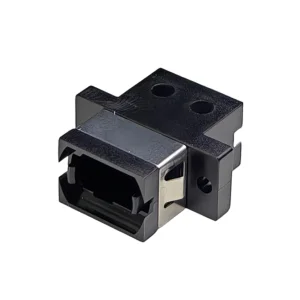
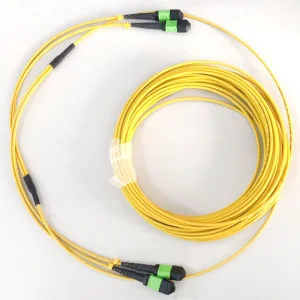
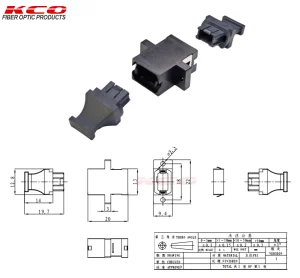
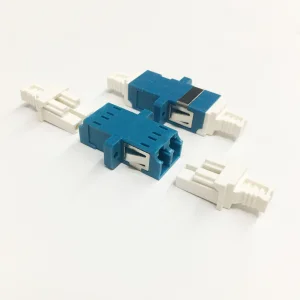
High-performance passive adapters, advanced MTP/MPO fiber assemblies, and optical transceivers engineered to match MSA compliance guidelines.
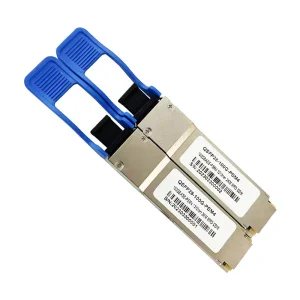
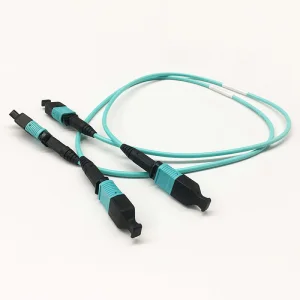
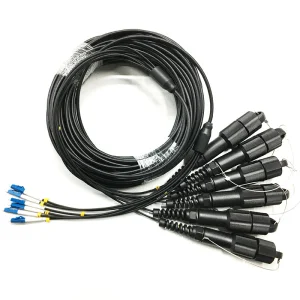
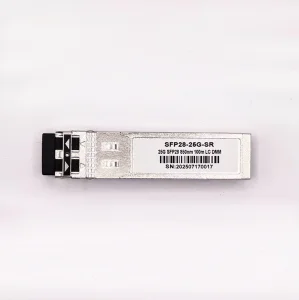
The transition from legacy gigabit infrastructure to 10GBASE SFP+ optical networks represents a watershed moment for data center scalability, carrier-grade backhaul, and high-performance computing (HPC) networks. Unlike older, bulkier XENPAK, X2, and XFP architectures, the SFP+ (Small Form-factor Pluggable Plus) standard optimizes system-level density by offloading critical physical layer functions—such as clock and data recovery (CDR)—directly onto the host system motherboard. This fundamental change paved the way for higher port-density network switches, reduced power budgets, and maximized thermal efficiency.
In modern enterprise networks, the search intent surrounding "High-Quality 10gbase Sfp Module Manufacturers & Factories" is not merely about finding a vendor. It is about identifying a partner capable of delivering reliable signal integrity, low latency, and zero-error rate tolerances in dense multi-vendor environments. Optical transceivers are the frontline adapters translating optical pulses into electrical signals; a single failure risks massive SLA penalties for telecom providers and data centers alike.

Understanding these challenges requires analyzing the electrical-to-optical conversion mechanisms. SFP+ modules utilize standard electrical interfaces, specifically SFI (SFP+ Forum Interface), which operates at 10.3125 Gbps. To maintain structural efficiency across different distances, manufacturers design modules tailored for diverse optical fibers, including Multi-Mode Fiber (MMF) optimized for short-reach systems, and Single-Mode Fiber (SMF) designed for long-distance transport. Selecting the right combination of lasers (VCSEL, DFB, or EML) and photodetectors (PIN or APD) is critical for meeting specific optical link budgets.
Established in 2012 in Hong Kong as a high-tech communication enterprise, KOCENT OPTEC LIMITED has established itself as one of China's leading fiber optic termination product manufacturers and complete solution providers. We are fully dedicated to developing and manufacturing high-performance fiber optic communication products spanning passive networks to active optical transceivers. These systems serve crucial roles across global telecommunication networks, enterprise infrastructures, and hyper-scale data centers.

By leveraging our extensive manufacturing experience and high-capacity production lines built over the years, we focus on maximizing performance for our customers. This collaborative approach expands their operational competencies and helps them stay ahead of the competition. We place strong emphasis on close customer collaboration, defining ourselves as a reliable partner for fiber optic connection solutions. We believe our technical differentiators translate directly into competitive advantages for your business.
With more than 13 years of experience in manufacturing telecommunication fiber optic products, we strictly follow international fiber optic industry standards (ITU-T, IEEE, Telcordia GR-326-CORE). We implement mature, scientific quality control systems to ensure on-time delivery. Furthermore, 100% of our products undergo rigorous testing and inspection before shipment, ensuring zero-defect performance upon installation.
To ensure seamless integration into modern architectures, network architects must evaluate optical transceivers based on physical transmission media, distance, and wavelength characteristics. Below is an engineering reference table detailing standard 10GBASE configurations.
| Standard | Wavelength (nm) | Fiber Type | Laser Type | Max Distance | Target Applications |
|---|---|---|---|---|---|
| 10GBASE-SR | 850 nm | MMF (OM3 / OM4) | VCSEL | 300m / 400m | Data Center Intra-Rack & Inter-Rack Connections |
| 10GBASE-LR | 1310 nm | SMF (G.652) | DFB | 10 km | Enterprise Campus Networks & Metro Access Loops |
| 10GBASE-ER | 1550 nm | SMF (G.652) | EML | 40 km | Long-Haul Metro Carriers & Backhaul Links |
| 10GBASE-ZR | 1550 nm | SMF (G.652) | APD / EML | 80 km | Extended-Reach WAN Links & Inter-City Networks |
| 10GBASE-T | Copper Cat6a/7 | UTP / STP Copper | PHY Chipset | 30m | Legacy Copper Server-to-Switch Interconnects |
A critical metric for any high-quality SFP+ module is the integration of Digital Optical Monitoring (DOM) or Digital Diagnostic Monitoring (DDM) via the SFF-8472 protocol. DDM allows real-time monitoring of key operating parameters including transceiver temperature, laser bias current, transmitted optical power, received optical power, and transceiver supply voltage. This real-time telemetry enables network operations centers (NOCs) to perform predictive maintenance, isolating fiber degrades or laser end-of-life cycles before catastrophic link drops occur.
The global market for optical networking is shaped by shifting commercial trends, supply chain demands, and localized regulatory frameworks. As a key global supplier, Kocent Optec delivers optimized solutions that address these challenges directly.
Inside the modern leaf-spine data center architecture, high-density optical cabling and low-power transceiver modules are vital. Kocent Optec's low-power 10G SFP+ modules reduce overall cooling requirements, allowing operators to optimize Energy Usage Effectiveness (PUE) metrics.
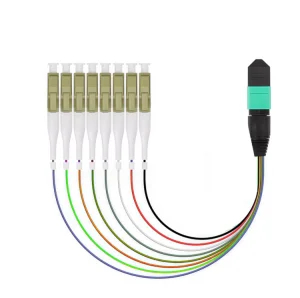
National telecom networks depend heavily on standardized, certified fiber architectures. Kocent Optec’s transceivers and passive MTP/MPO patch assemblies consistently win large tenders by meeting strict optical margin tolerances and long-term reliability standards.
Substations and manufacturing facilities are challenging environments with high electromagnetic interference (EMI). Unlike copper cables, our optical transceivers are immune to EMI, ensuring error-free communication in critical industrial applications.
Years of dedicated sales and service experience have enabled Kocent Optec to build a global customer base across regions including East Asia, Southeast Asia, the Middle East, Eastern Europe, Western Europe, Northern Europe, South America, North America, North Africa, and South Africa.
Win-win cooperation remains our guiding principle. Many of our OEM and ODM products have won major Telecom Operator tenders and continue to meet demanding end-user requirements. Our primary terminal telecom clients include: SingTel, Vodafone, America Movil, Telefonica, Bharti Airtel, Orange, Telenor, VimpelCom, TeliaSonera, Saudi Telecom, MTN, Viettel, Bitel, VNPT, Laos Telecom, MYTEL, Telkom, Telekom, Entel, FiberTel, StarFiber, Ooredoo, Beeline, and Azercell.
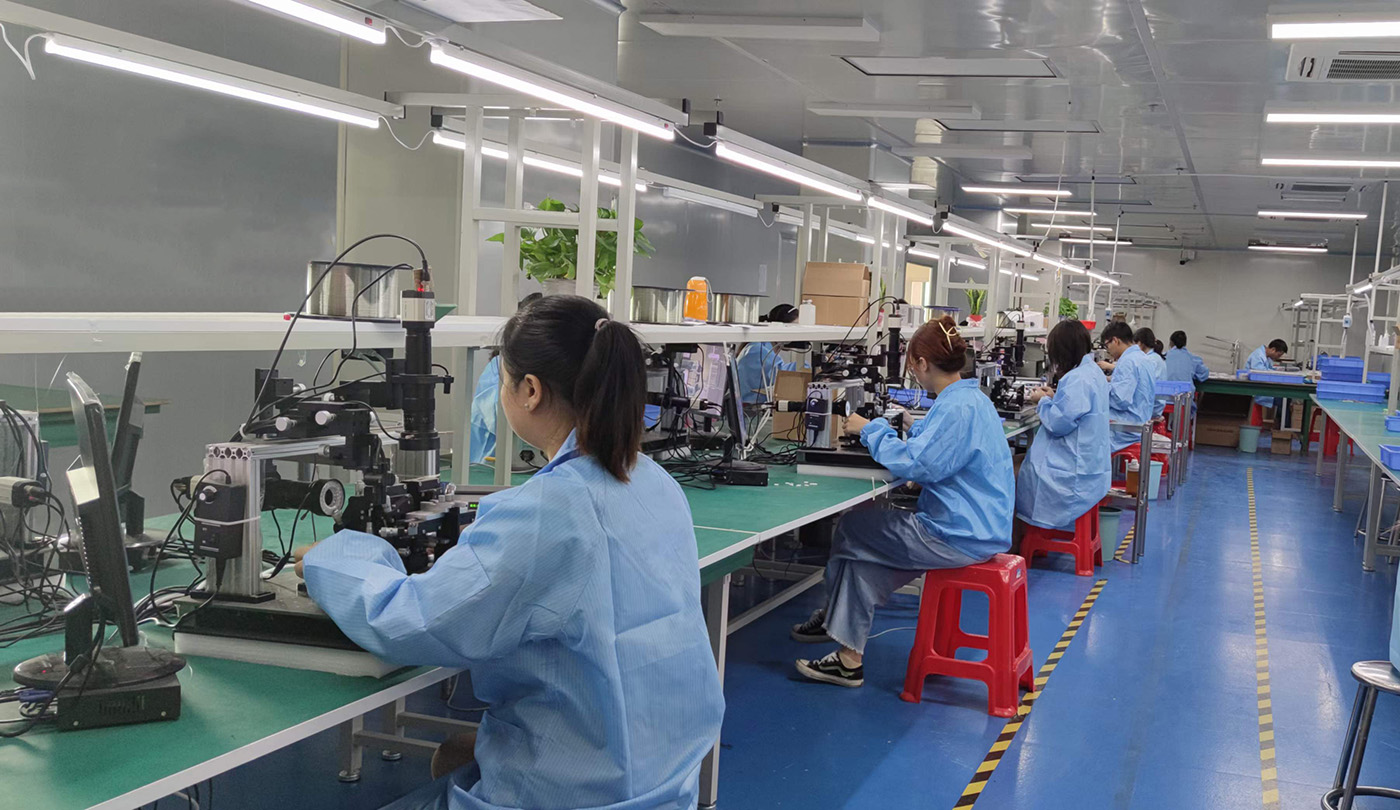
To support this global network, Kocent Optec strictly maintains international quality certifications. This includes maintaining full compliance with CE, FCC, RoHS, and WEEE directives, ensuring that our optical components meet strict environmental safety and technical import standards in regions like the European Union and North America. Every shipment includes comprehensive documentation, trace data, and test reports to streamline customs clearance and quality auditing for importing partners.
While 10GBASE SFP+ remains a cornerstone of enterprise backbones and industrial systems, the industry continues to advance toward higher bandwidth architectures. With the rise of AI workloads, 5G networks, and edge cloud systems, networks are scaling up to 25G SFP28, 100G QSFP28, 200G QSFP56, and 400G/800G QSFP-DD interfaces. This growth is driving new design innovations across the industry.
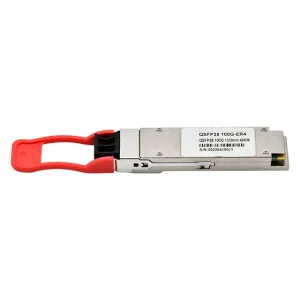
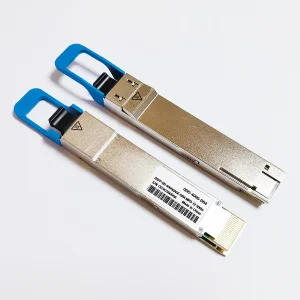
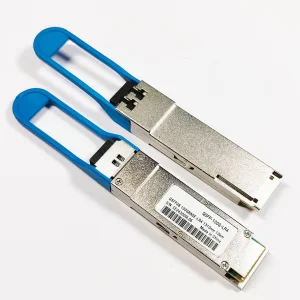
Kocent Optec maintains an active development roadmap, investing in silicon photonics and Co-Packaged Optics (CPO) architectures. Transitioning to higher speeds requires precise control of dispersion and signal degradation. By leveraging our deep manufacturing experience, we ensure that our high-speed portfolio—including QSFP28 100G ER4 and 400GBASE-DR4 modules—delivers the low power consumption and high reliability needed to support these next-generation networks.
Technical reference questions for network engineers, procurement teams, and system integration specialists.
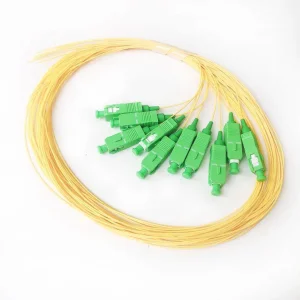
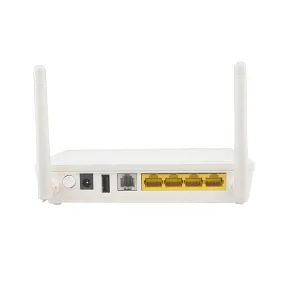
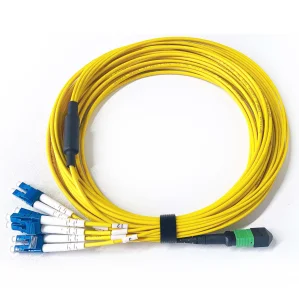
High-speed fanout cabling, outdoor optical components, GPON interfaces, and advanced transceivers for next-generation network upgrades.
 KOCENT OPTEC